


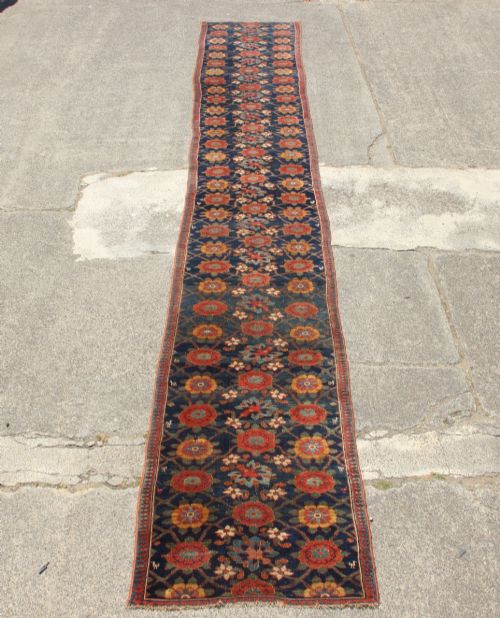
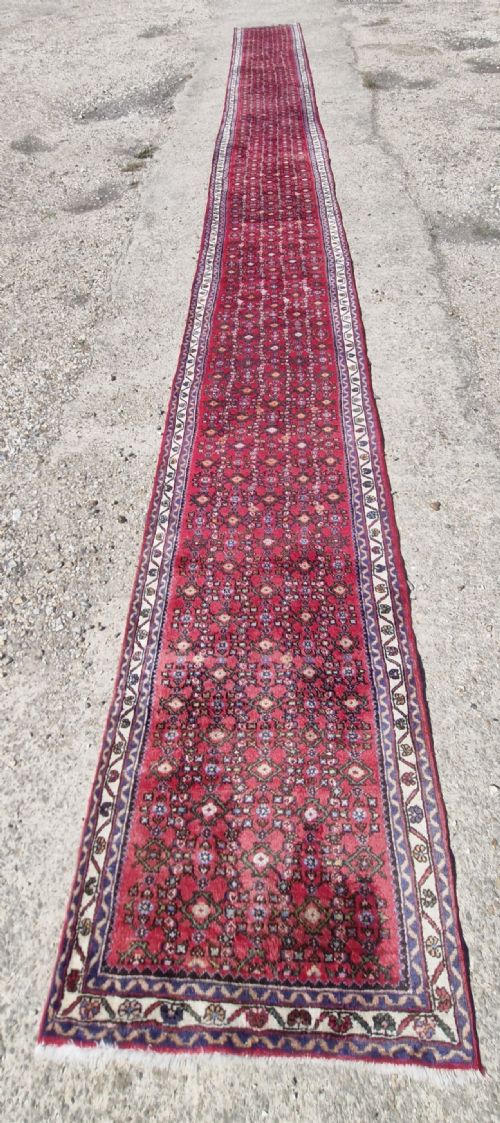
Long Corridor Runner
A long corridor runner is a narrow, elongated textile designed to furnish passage spaces, bringing pattern and historical texture to extended floors.
Long Corridor Runner
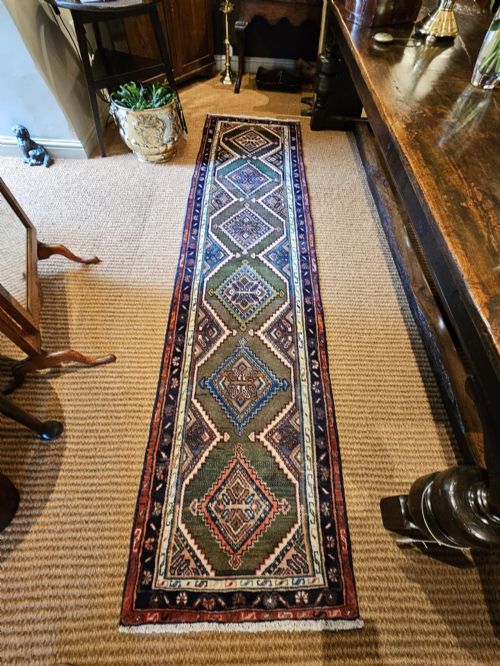
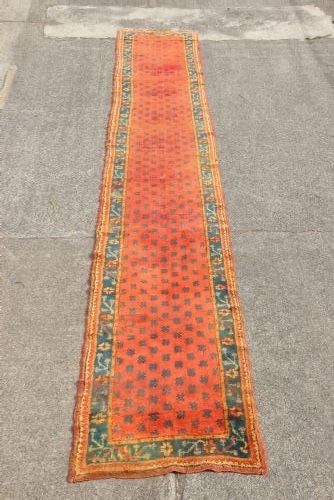
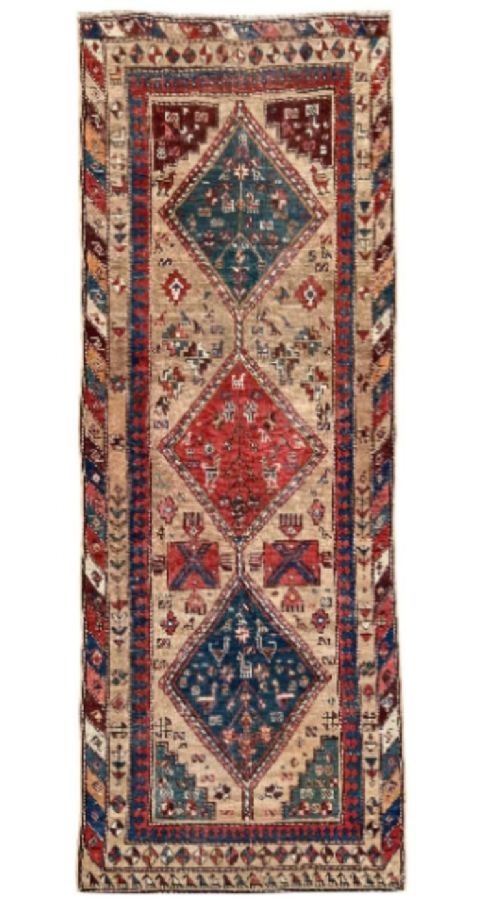
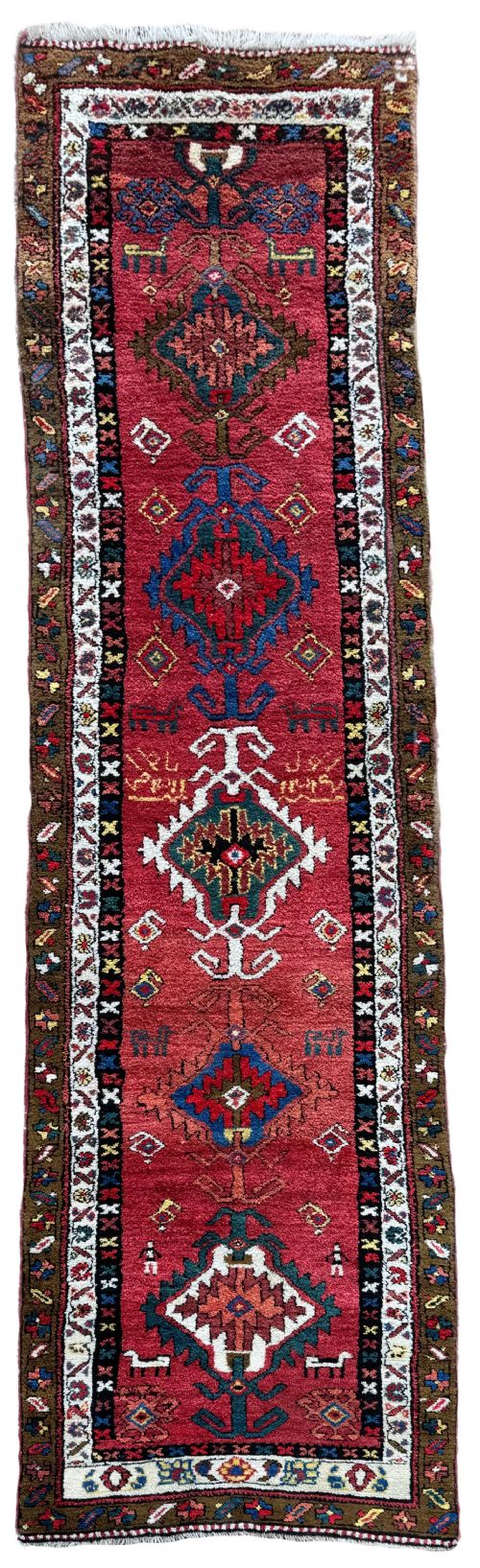
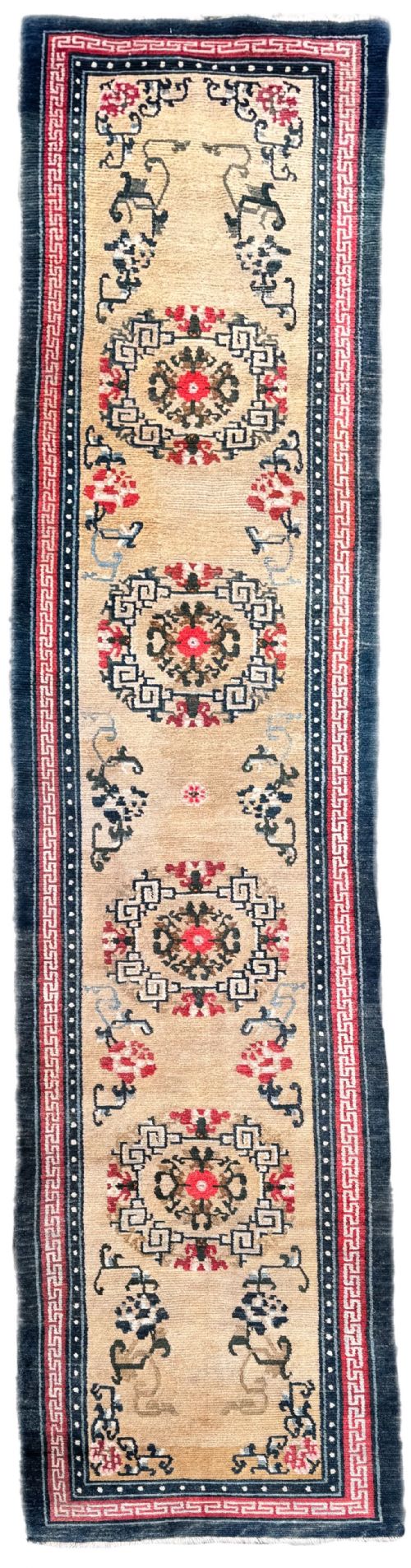
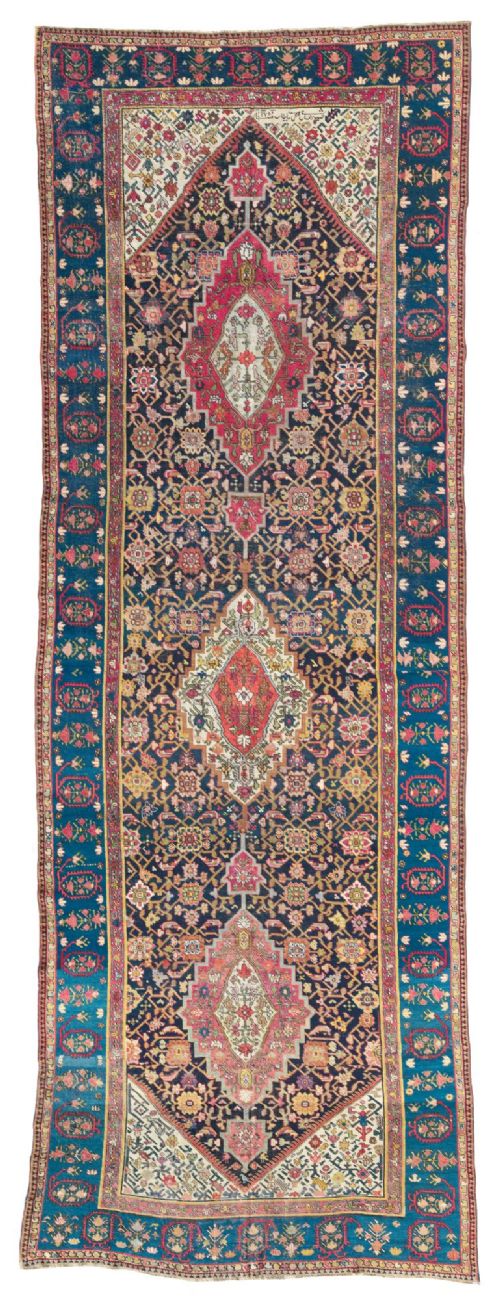
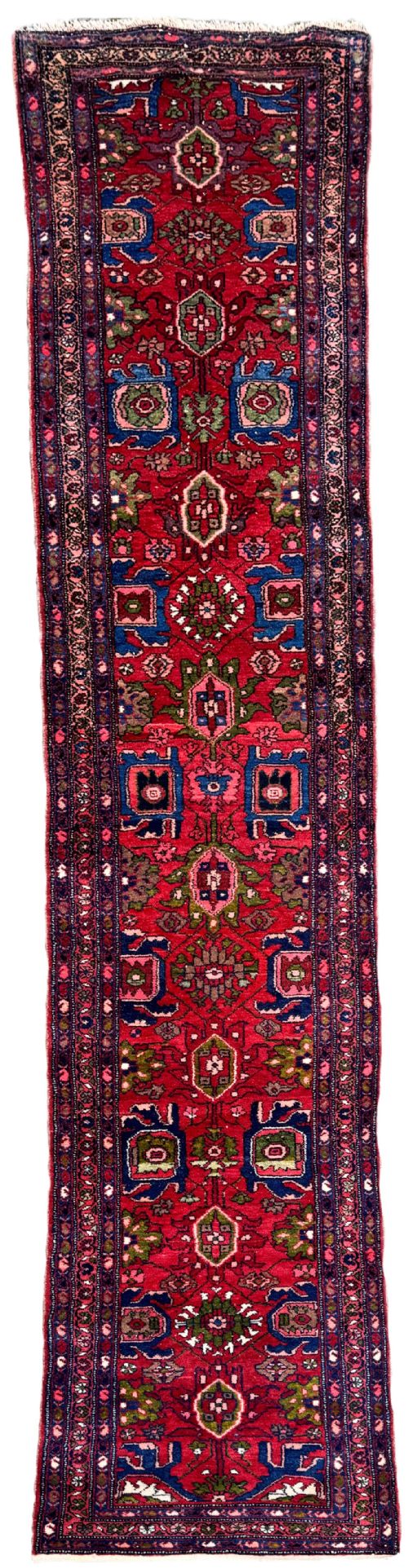
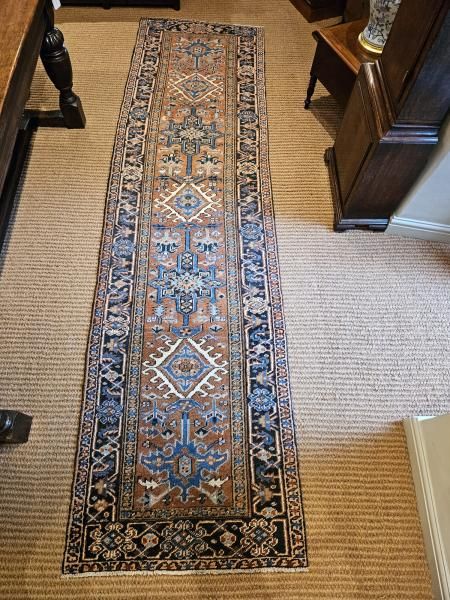
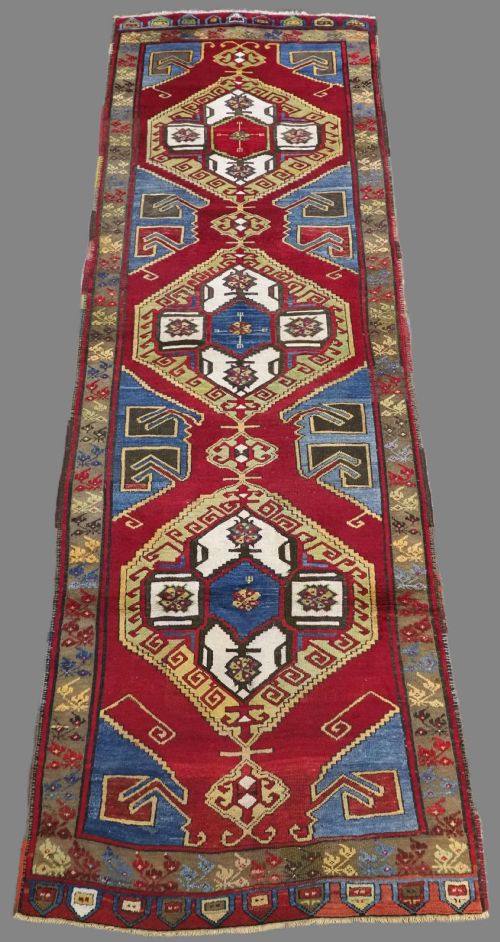
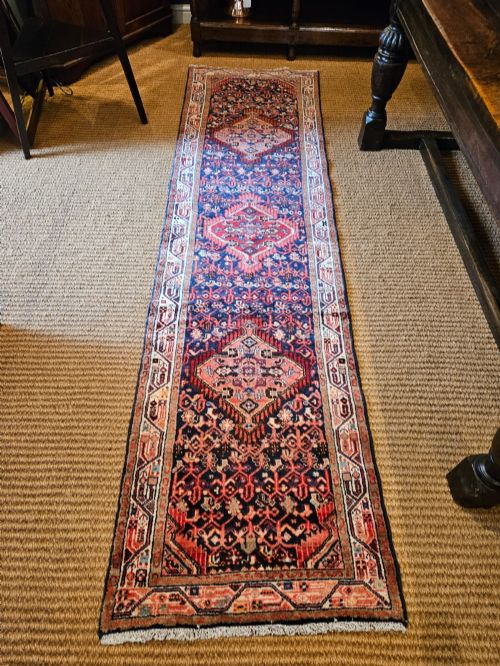
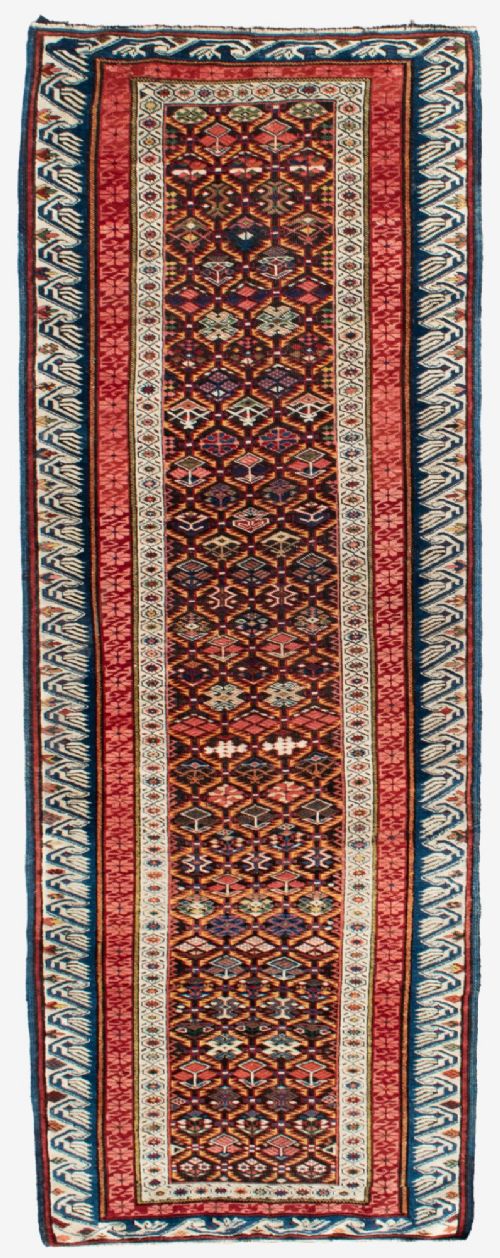
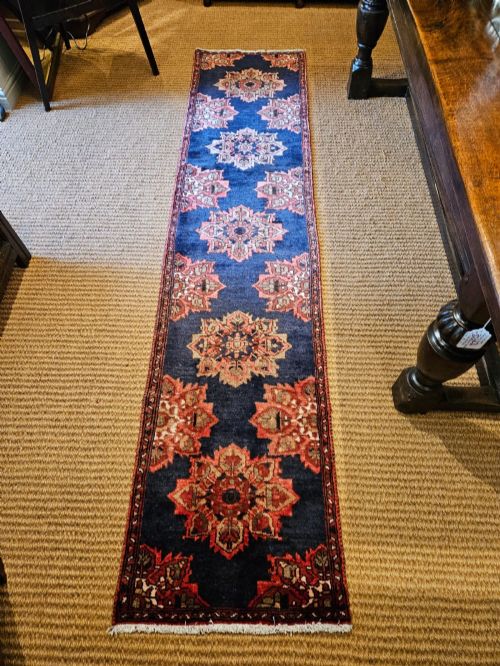
A long corridor runner spans traditional forms like hallway runners, narrow carpets, and kellehs designed specifically for extended passageways, landings, and galleries. When searching for a long corridor runner, you encounter antique pieces originating from Persian, Caucasian, Turkish, Kurdish, Anatolian, and Tibetan weaving traditions.
The selections span from the mid-nineteenth century through the early twentieth century, encompassing tribal and village workshops. Pieces manifest in narrow proportions, often exceeding three or four metres in length while maintaining restricted widths suited for narrow floors.
What Varies in Quality
Quality rests in the precision of the knotting, the integrity of the wool, and the complexity of the traditional design vocabulary, such as Heriz, Shirvan, or Kurdish Mina Khani motifs. Finer pieces demonstrate tighter knot densities and superior handle in the wool pile, holding crisp geometric or floral lines along extended lengths.
The preservation of original side cordings, or selvedges, and untouched end finishes separates examples retaining their full historic length from those altered over decades of domestic use.
The inventory records regional styles including Persian, Caucasian, Anatolian, Kurdish, and Tibetan.
The Long Corridor Runner Glossary
- Kelleh
- A large format carpet or long rug, traditionally proportioned narrower and longer than standard room-size carpets.
- Selvedge
- The bound or reinforced edge running parallel to the length of the textile, protecting the structure from fraying.
- Warp
- The stationary vertical threads stretched upon the loom onto which the horizontal weft and knots are tied.
- Weft
- The horizontal threads passed through the warps to bind the knots and structure the foundation of the rug.
Long Corridor Runner: Frequently Asked Questions
Where should I place a long corridor runner?
These runners suit narrow hallways, long landings, and galleries where an elongated textile softens bare timber floors and dampens sound. Their extended proportions draw the eye down a passage while protecting high-traffic walking paths.
Ensure you measure the precise width and length of your hallway, accounting for door clearances and skirting boards, before selecting a runner of matching proportions.
How do I care for an antique wool runner?
Vacuum the runner gently with a suction-only attachment, avoiding rotating brush bars that can pull at historic wool pile. Professional cleaning should be undertaken periodically by specialists familiar with antique vegetable-dyed textiles.
Use a suitable underlay beneath the runner to prevent slipping on smooth flooring and to reduce friction between the foundation fibres and the floor.
How do I identify a Kurdish or Heriz runner?
Heriz runners typically display bold geometric medallions, robust rectilinear drawing, and sturdy wool structures originating from the Heris region of northwest Persia. Kurdish runners often feature expressive tribal motifs, rich saturated wool, and idiosyncratic field patterns reflecting nomadic or village traditions.
Examining the weave density, knot type, and secondary colours helps attribute pieces to specific weaving groups and nineteenth or early twentieth-century periods.
Why do antique runners vary so much in width?
The width of a runner was determined by the dimensions of the loom on which it was woven and the specific architectural constraints of the houses or tents the weavers inhabited. Village and tribal weavers worked without standardised industrial looms, resulting in narrow, individual dimensions tailored to specific hallway spaces.
This variation means historical runners frequently present unusual narrow widths well suited to tight corridors where modern standard sizes fail to fit.