

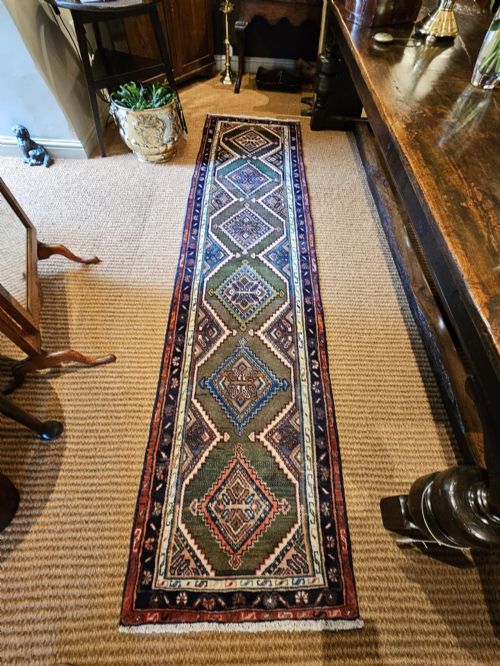



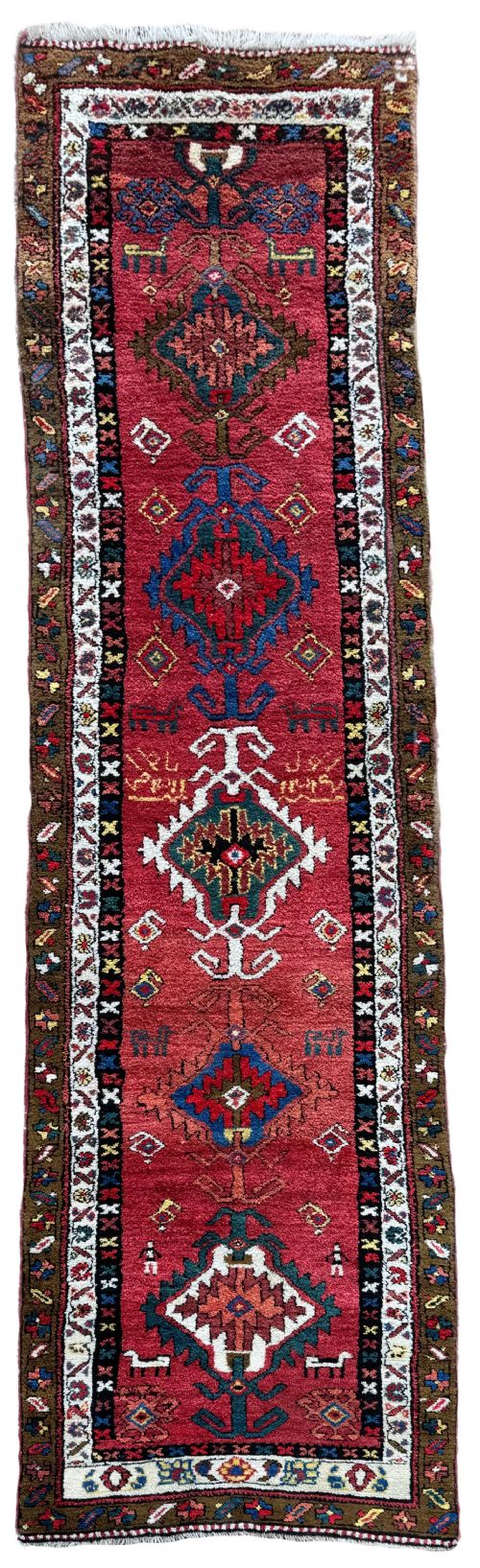
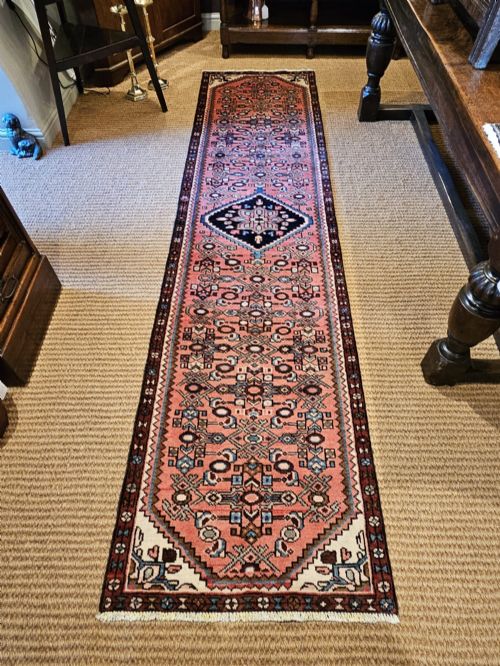
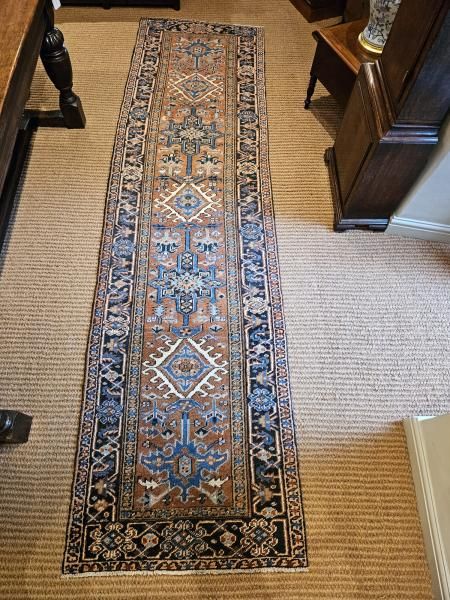

Vintage Persian Hallway Rug
A vintage persian hallway rug brings warmth and linear history to corridors, built from enduring wool.
Vintage Persian Hallway Rug
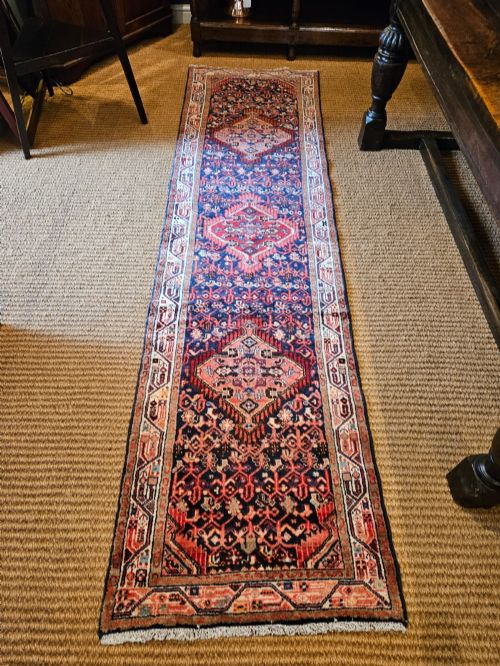
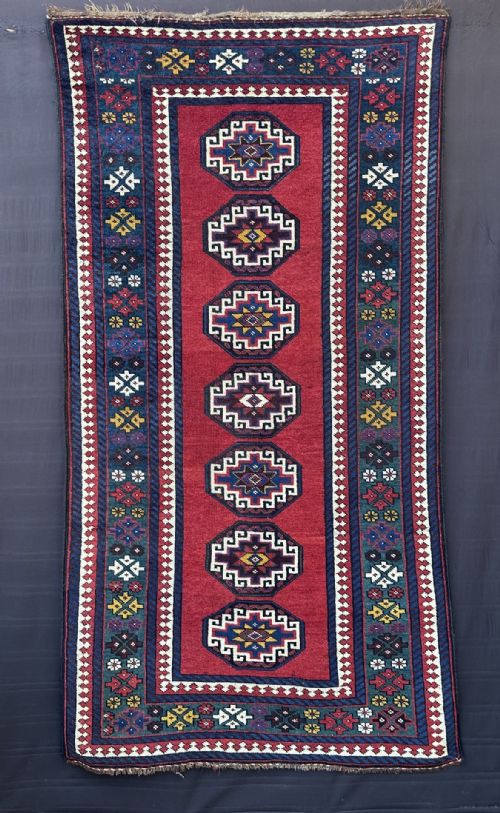
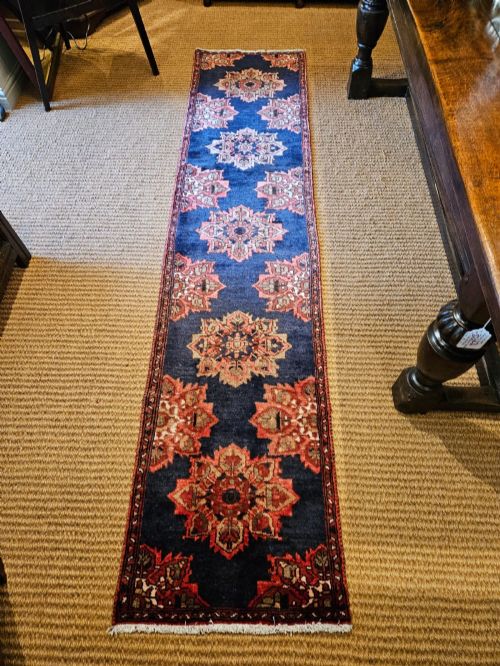
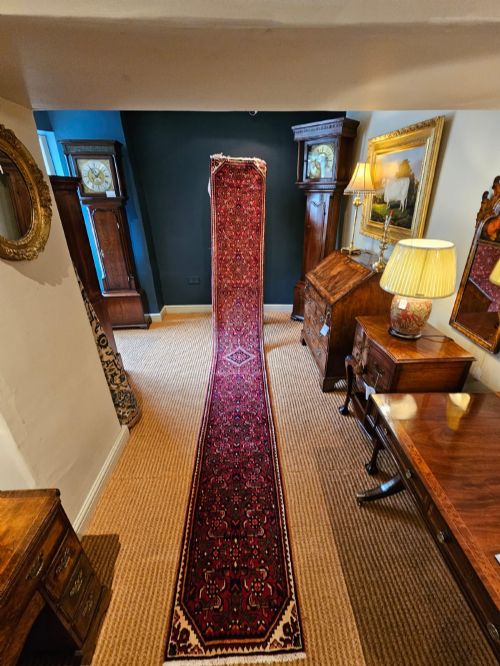
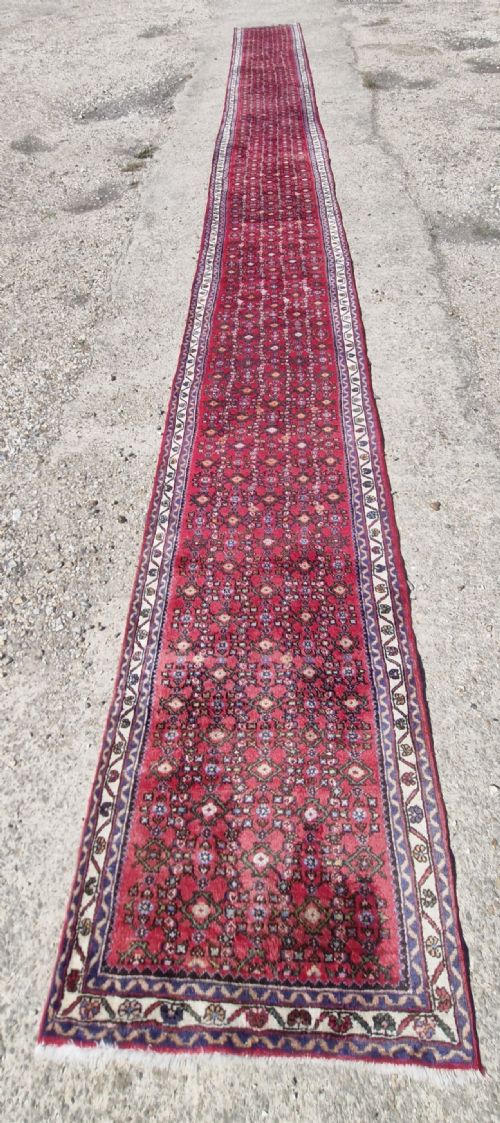
When searching for a vintage persian hallway rug, collectors encounter elongated runners and long carpets designed specifically for corridors and narrow spaces. These items originate from various regions and villages, spanning periods from the nineteenth century through the early twentieth century.
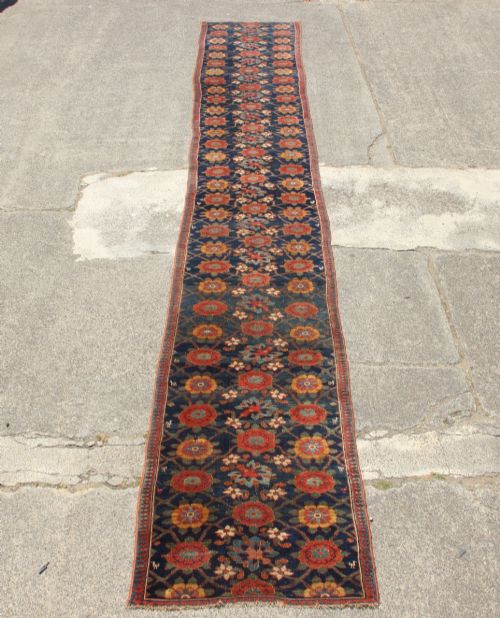
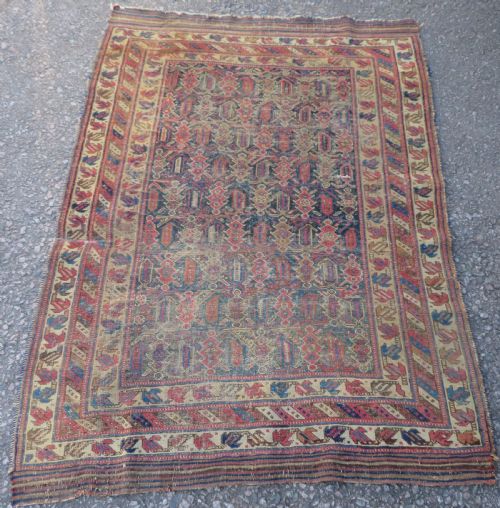
The selection on this page centres primarily on traditional runner rugs and hallway runners featuring tribal and classical Persian designs. Pieces range from modest lengths to extensive thirty-foot formats, showcasing the varied weaving traditions of Kurdish, Heriz, Hamadan, and other regional makers.
How they were made
Construction relies fundamentally on wool and cotton, with many examples utilising hand-spun wool for durability and rich texture. Artisans knotted these materials by hand onto sturdy foundations, creating dense piles designed to withstand heavy corridor traffic.
Natural dyeing techniques impart the characteristic colour palettes found across these runners, yielding deep blues, greens, and reds that mature gracefully over decades of use.
Some antique runners stretch over thirty feet long, originally woven to span the grand corridors of country houses.
What varies in quality
Quality in these runners rests upon the fineness of the knotting and the integrity of the foundation materials. Tighter weaves and careful hand-spinning demonstrate greater artisanal skill and ensure the longevity of the runner.
The precision of the geometric or floral layout and the harmonious ageing of the wool distinguish finer examples from simpler village productions.
Kurdish Tribal·Persian Heriz·Kurdish Mina Khani·Sahab·Bakshaish
The Vintage Persian Hallway Rug Glossary
- Runner
- A long, narrow carpet format specifically proportioned for corridors, hallways, and staircases. These pieces guide movement through domestic spaces while protecting wooden floors.
- Pile
- The upright yarn loops or tufts that form the usable surface of a rug. Pile density directly affects how the runner feels underfoot and how it resists wear.
- Warp
- The vertical threads stretched tightly on the loom before knotting begins. The foundation strength depends heavily on these parallel tension threads.
- Weft
- The horizontal threads passed alternately over and under the warp threads to lock the knots in place. This technique secures the structural integrity of each row.
- Knot
- The individual loops of wool tied around the warp threads to create the decorative pile. Different regional tying methods identify specific weaving traditions.
Vintage Persian Hallway Rug: Frequently Asked Questions
What is a vintage persian hallway rug?
A vintage persian hallway rug is a handwoven runner created in nineteenth or twentieth-century Persia to fit narrow spaces like corridors and landings.
These pieces use durable wool and cotton materials, combining functional floor protection with traditional regional artistry.
How do I choose the correct runner length?
Measure your hallway while allowing exposed floorboards to show around the edges of the rug for a balanced look. Account for door clearance so the runner does not jam when doors open.
Longer corridors accommodate extended runners or multiple matched pieces placed sequentially down the passage.
Where were these hallway runners made?
These runners originate from various weaving centres, towns, and tribal regions across Persia, including Heriz, Hamadan, and Kurdish districts. Each region developed distinct motifs and palette preferences.
Village workshops and nomadic groups produced these practical lengths using local materials and traditional techniques passed down through generations.
How do I care for wool hallway runners?
Protect the runner with an appropriate underlay to prevent sliding and reduce friction against the floorboards. Regular gentle vacuuming without a beater bar removes trapped dust without damaging the wool pile.
Attend to spills immediately by blotting gently rather than rubbing, and consult a specialist for professional cleaning when necessary.