
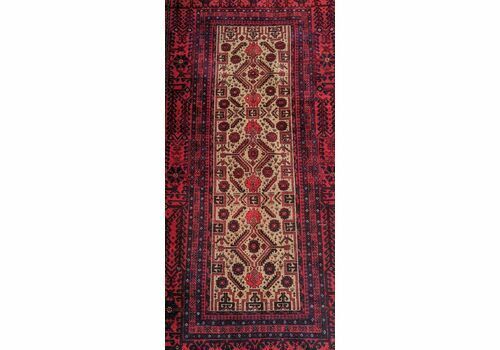
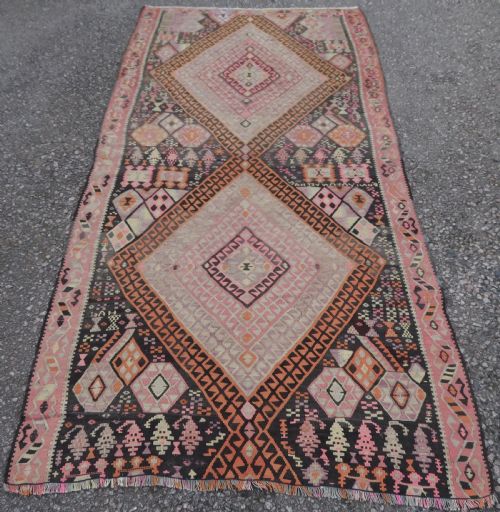
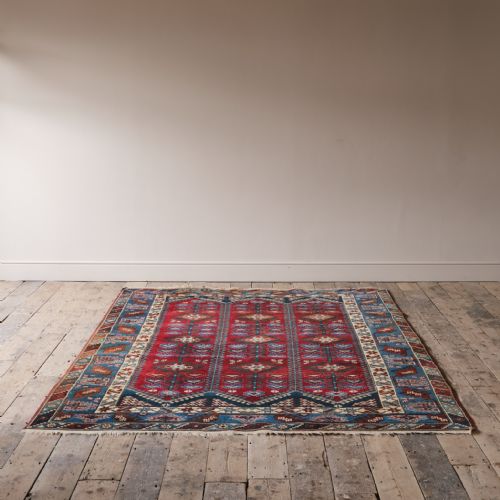
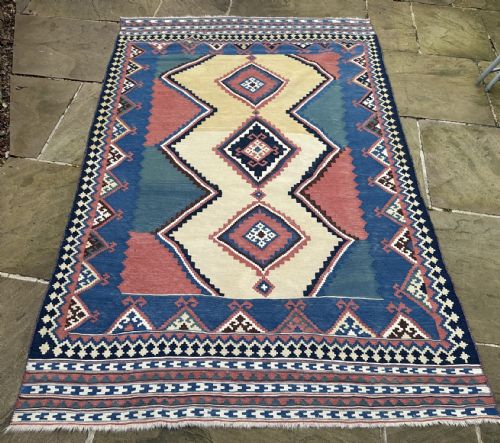
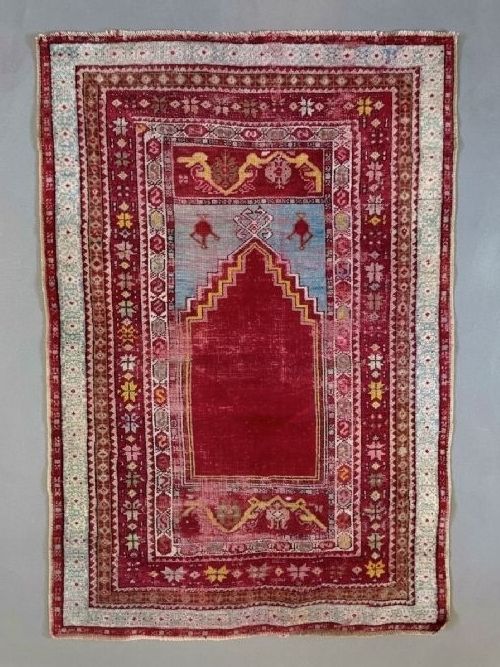

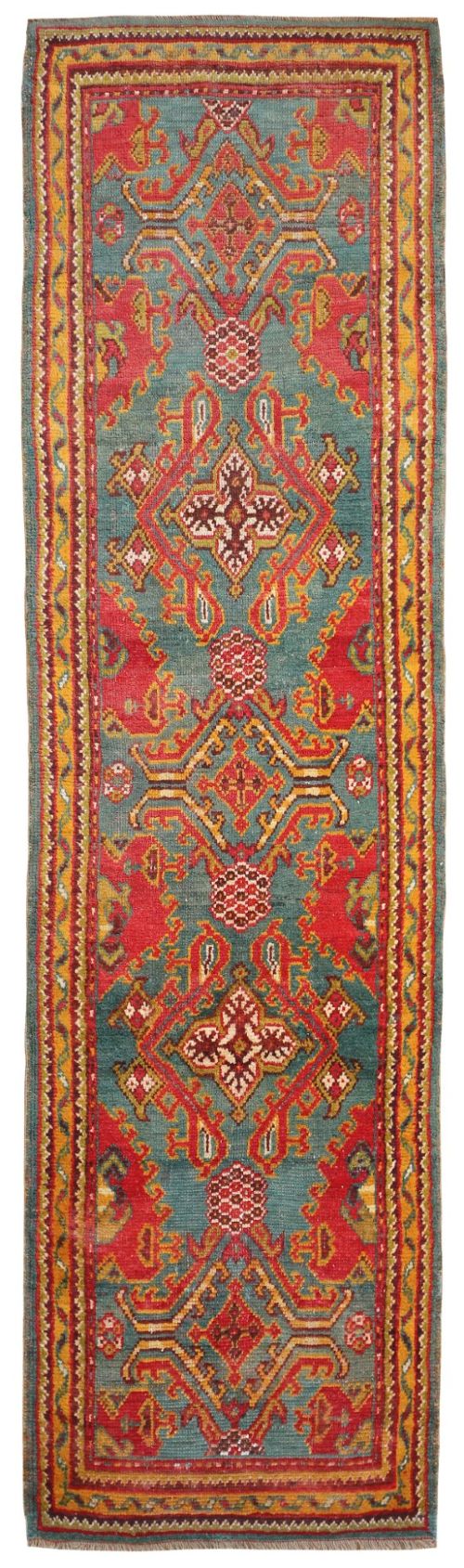

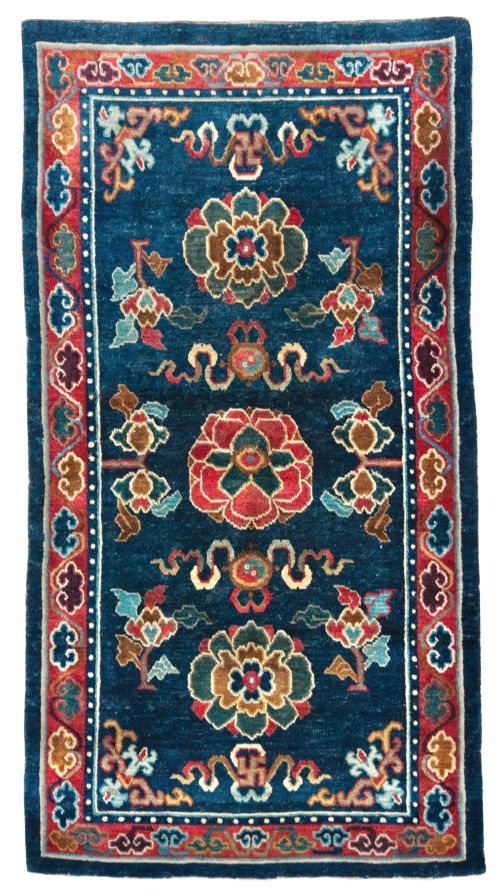
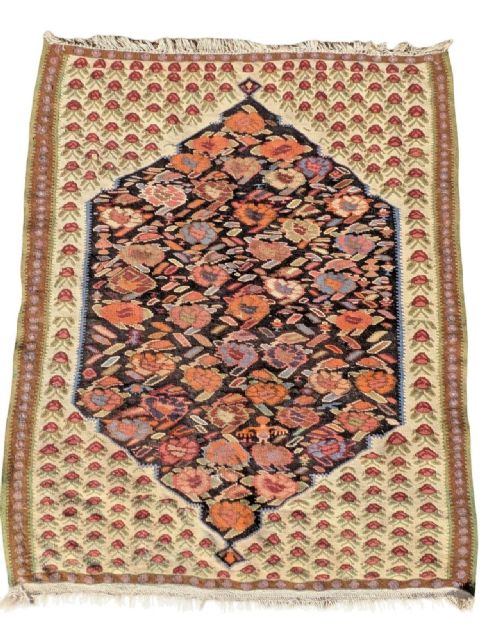
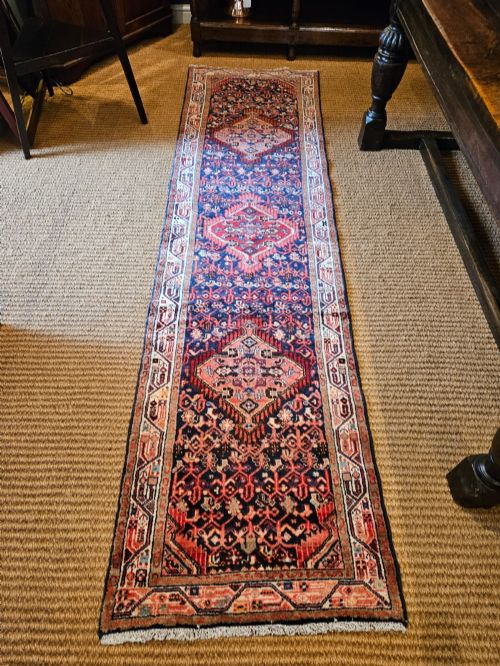
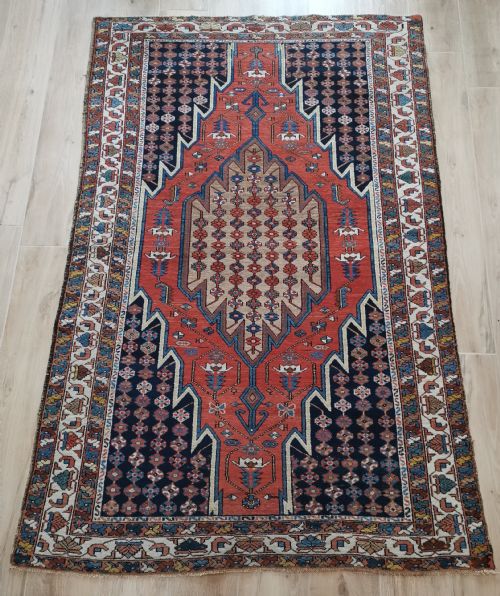
Handwoven Tribal Runner Rug
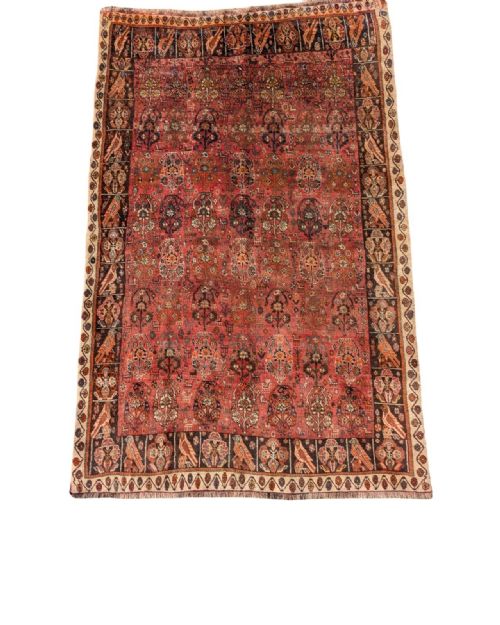
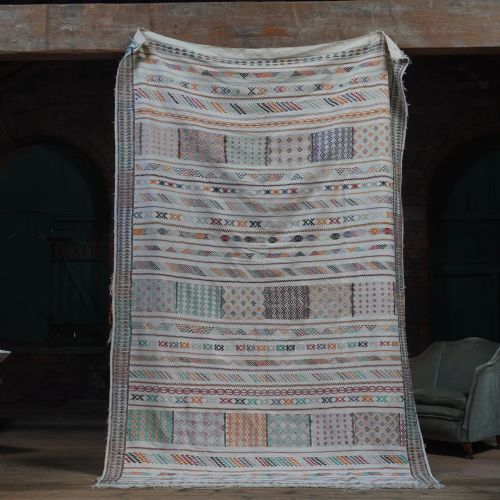
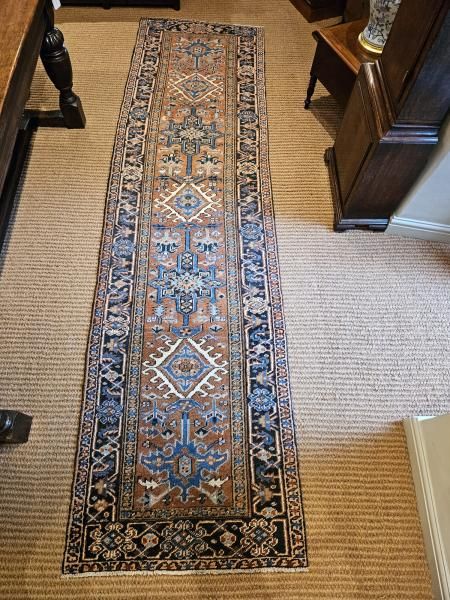
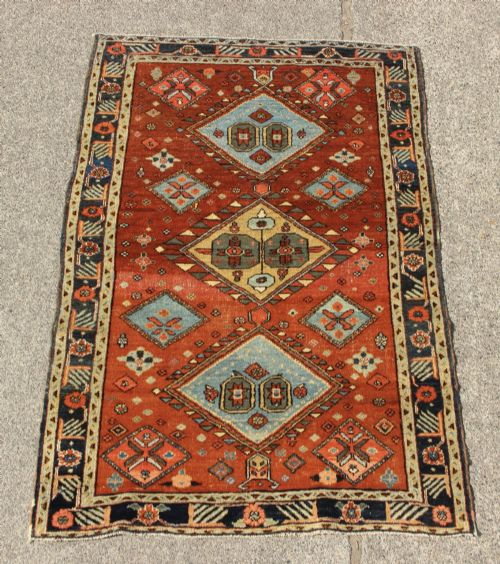
A handwoven tribal runner rug brings distinct village character and enduring floor covering into a narrow hallway.
Handwoven Tribal Runner Rug
A handwoven tribal runner rug is a long, narrow textile created by nomadic and village weavers using traditional geometric motifs and regional designs. When exploring this selection, buyers encounter specimens spanning from the late nineteenth century through to the early decades of the twentieth century, originating from Persian, Caucasian, Anatolian, and Tibetan regions.
These textiles appear in formats designed for corridors, staircases, and narrow spaces, often categorized under runner rugs, flatweaves, and kilims. The inventory encompasses specific tribal identities such as Heriz, Bidjar, Hamadan, Kashgai, and Kazak, each bearing the characteristic palette and structural nuances of its source village or encampment.
Nomadic weavers constructed these pieces to serve practical domestic functions while expressing tribal heritage through repeated medallions, animal forms, and stylized floral patterns. The surviving examples demonstrate the longevity of village craftsmanship, retaining their utility and decorative presence in contemporary interiors.
Materials and Construction
The primary material underpinning these textiles is wool, frequently hand-spun and combined with cotton foundations to ensure structural stability along the warp and weft. Many pieces incorporate natural dyes derived from plants and minerals, yielding subtle tonal variations that mature gracefully over decades of exposure and use.
Certain regional variations introduce alternative materials, such as cactus silk and sabra fibre, alongside specialised Tibetan wool. The structural technique relies on manual knotting or flatweaving, producing dense piles or durable flat surfaces executed on traditional vertical and horizontal looms.
The inventory encompasses rugs and runners spanning the nineteenth century through the 1940s, executed primarily in wool and natural dyes.
Evaluating Quality and Execution
Quality in these runner rugs rests upon the tightness of the knotting or the precision of the flatweave, which directly influences the durability and crispness of the geometric design. Dense packing of the weft threads creates a firmer handle and protects the foundation from premature wear.
The sophistication of the dye palette and the integrity of the wool also dictate the caliber of a piece. Hand-spun wool with rich natural dyestuffs yields depth and complex patination, whereas inferior execution results in rigid symmetry and flat colour distribution.
The Handwoven Tribal Runner Rug Glossary
- Runner
- A long, narrow carpet format traditionally utilised in corridors, hallways, and staircases. This specific proportion directs traffic flow through domestic spaces while displaying repeating border and medallion motifs.
- Kilim
- A flatwoven textile produced without a pile by tightly interweaving warp and weft strands. These pieces offer a lighter weight and reversible patterns characteristic of traditional nomadic weaving.
- Warp
- The stationary lengthwise threads stretched upon the loom that form the foundational skeleton of the rug. The fringe at either end of the textile typically consists of the extended warp threads.
- Weft
- The horizontal threads passed across and interlaced through the warp to bind the knots in place. Tight beating of the weft contributes to the overall density and structural resilience of the rug.
- Natural Dyes
- Colourants extracted from organic sources such as plants, roots, insects, and minerals prior to the widespread adoption of synthetic alternatives. These dyes often display subtle abrash and mellow gracefully over time.
Handwoven Tribal Runner Rug: Frequently Asked Questions
How do I clean a tribal runner?
Maintenance requires gentle vacuuming without the beater bar engaged, alongside professional immersion washing when deep cleaning becomes necessary. Avoid harsh chemical agents that can strip natural oils from the wool.
Prompt attention to liquid spills by blotting rather than rubbing prevents staining and protects the delicate fibres. Allowing adequate airflow beneath the runner preserves the integrity of the cotton and wool foundation.
Where should I place a runner rug?
These narrow textiles suit hallways, entrance foyers, and bedside placements where length matters more than width. Their dimensions also function effectively along kitchen galleys and narrow landing spaces.
Positioning a quality underlay beneath the rug prevents slipping and reduces friction between the floorboards and the wool foundation. This simple addition extends the working life of vintage floor coverings in high-traffic areas.
How do I identify a tribal design?
Tribal designs rely on geometric medallions, stylized animals, and repeated hooked motifs rather than elaborate curvilinear court patterns. Weavers from specific regions incorporated tribal signatures passed down through generations.
Familiarity with the palette and border arrangements associated with areas such as Daghestan, Heriz, or Shiraz assists in pinpointing geographic origins. The lack of precise cartographic symmetry often points towards nomadic rather than workshop production.