


Cream Wool Kilim Rug
A cream wool kilim rug brings flat-woven texture and tribal design into a room, offering durability and flat-faced patterns.
Cream Wool Kilim Rug
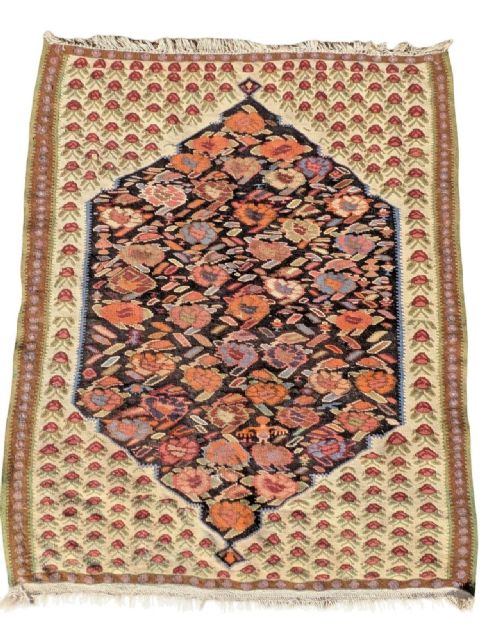
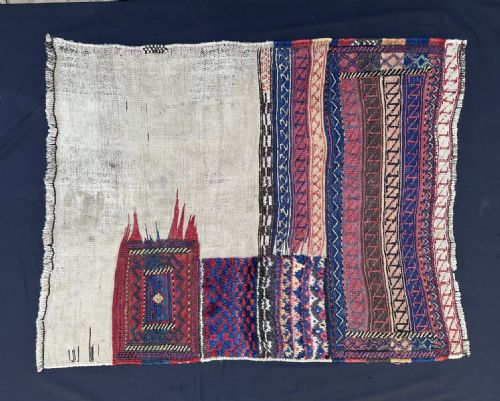
A cream wool kilim rug is a flat-woven textile created by nomadic and tribal weavers across Persia, Central Asia, and the Balkans. These pieces encompass various utilitarian forms, including bread sofrehs, wheat sacks, and traditional floor carpets spanning the late nineteenth and early twentieth centuries.
Buyers meeting this search phrase encounter flat weaves originating from distinct traditions such as Bidjar, Senneh, Bakhtiari, Bessarabian, and Pirot or Sharkoy workshops. The palette frequently highlights neutral cream tones alongside distinct geometric and banded motifs woven into the structure.
The objects serve primarily as functional floor coverings, wall hangings, and decorative cushions derived from nomadic textile traditions. Each piece represents a specific regional weaving practice rooted in historical domestic use.
How these rugs were made
Weavers constructed these flat-woven textiles primarily using wool, hand-spun wool, and cotton foundations, occasionally incorporating goat hair for added structural resilience. Natural dyes provided the colour palette across Persian tribal, Bessarabian, and Balkan folk art traditions.
The technique relies on interlocking weft threads tightly around warp threads to produce a smooth, pileless surface without knotted loops. This flat-weave construction allowed makers to integrate precise geometric lattices, banded patterns, and pictorial elements directly into the textile.
The listings show kilims produced across Persia, Central Asia, and the Balkans, dated between 1880 and 1930, utilising wool, cotton, and natural dyes.
What varies in quality
Quality in these flat weaves rests upon the tightness of the weft tension and the fineness of the hand-spun wool used in the construction. Pieces with dense, precise weaving display sharper geometric lines and greater structural longevity under foot.
The complexity and scarcity of the design layout, such as lattice patterns or regional tribal iconography, distinguish standard utility textiles from finer examples. Preserved original edges and intact natural dye variations also separate superior specimens from heavily restored pieces.
The Cream Wool Kilim Rug Glossary
- Kilim
- A flat-woven carpet or rug produced without a pile by tightly interweaving warp and weft threads. This technique creates a lightweight textile reversible for use on floors or walls.
- Sofreh
- A traditional woven cloth used historically for kneading bread, serving meals, or storing food items. These flat weaves often feature symbolic geometric layouts.
- Tacheh
- A utilitarian grain or wheat sack woven by nomadic tribes to transport dry goods. Collectors value them for their compact square formats and dense tribal patterns.
- Warp
- The stationary vertical threads stretched lengthwise on a loom that form the structural foundation of the textile. Weft threads are woven horizontally across these structural elements.
- Weft
- The horizontal threads passed through the warp to build up the pattern and fabric of the rug. In flat weaves, these tightly packed threads completely conceal the vertical warp.
Cream Wool Kilim Rug: Frequently Asked Questions
How were kilim rugs used?
Nomadic and village communities utilised these flat weaves as floor coverings, blankets, storage sacks, and dining spreads. Their lightweight structure made them easily transportable for tent-dwelling populations.
Today, buyers place them on floors, hang them as textiles, or utilise them as decorative accents in living spaces.
What is a bread sofreh?
A bread sofreh is a utilitarian textile traditionally spread on the ground for preparing dough and baking bread within nomadic households. These pieces often feature specific tribal motifs tied to domestic rituals.
In modern interiors, they function as small area rugs or wall textiles due to their striking geometric designs.
How do I care for a wool kilim?
Regular gentle vacuuming without a rotating brush roll helps remove grit from the flat weave. Professional cleaning tailored to antique textiles preserves the natural wool fibres.
Keeping the rug out of direct sunlight prevents natural dyes from fading over time.
How are periods told apart?
Earlier pieces from the late nineteenth century often display distinct hand-spun wool textures and organic dye variations characteristic of traditional village production. Pieces from the early twentieth century frequently incorporate sharper geometric repeats and standardised regional motifs.
Examining the weave structure and material composition helps place a textile within its historical decade.