



Caucasian Style Persian Rug
A caucasian style persian rug bridges bold tribal geometry with classic regional layouts, bringing rich character and durable floor cover to a room.
Caucasian Style Persian Rug
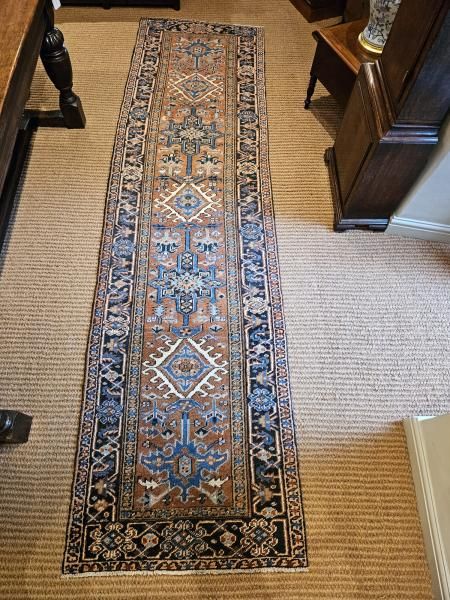
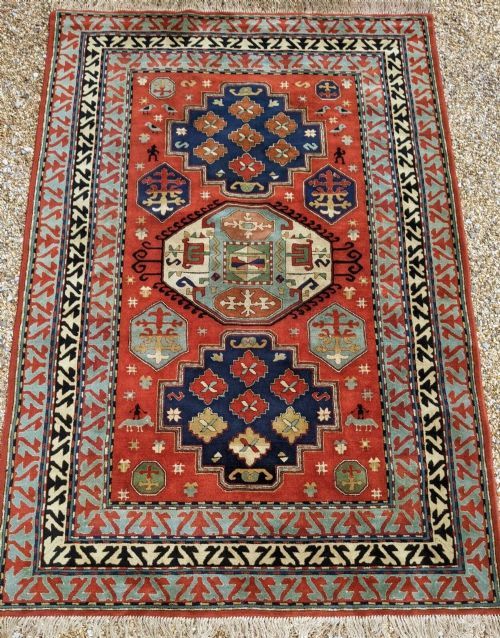
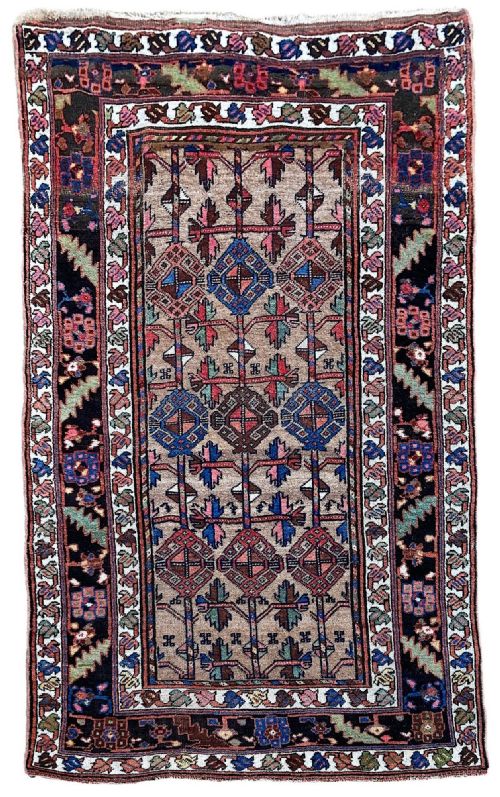
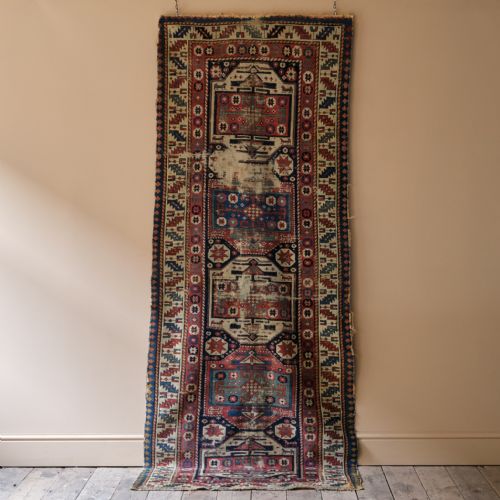
A caucasian style persian rug encompasses room-sized carpets, runners, and compact bag faces woven across village and tribal workshops. These floor coverings bridge the aesthetic gap between the geometric motifs of the Caucasus and the traditional compositions of Persian weaving centres.
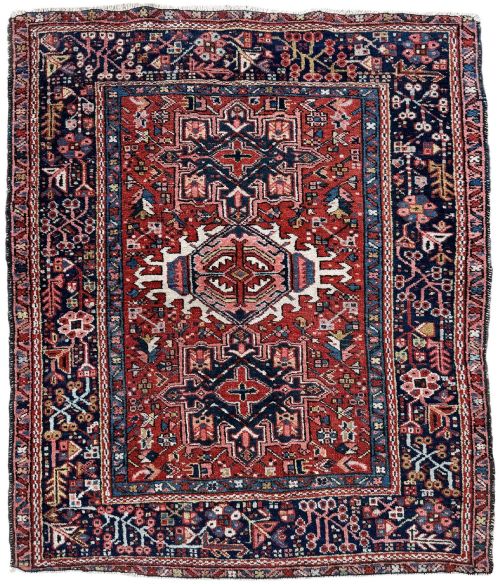
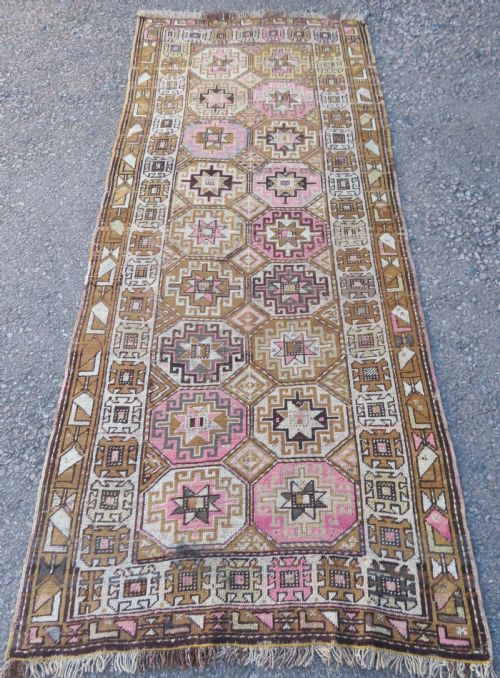
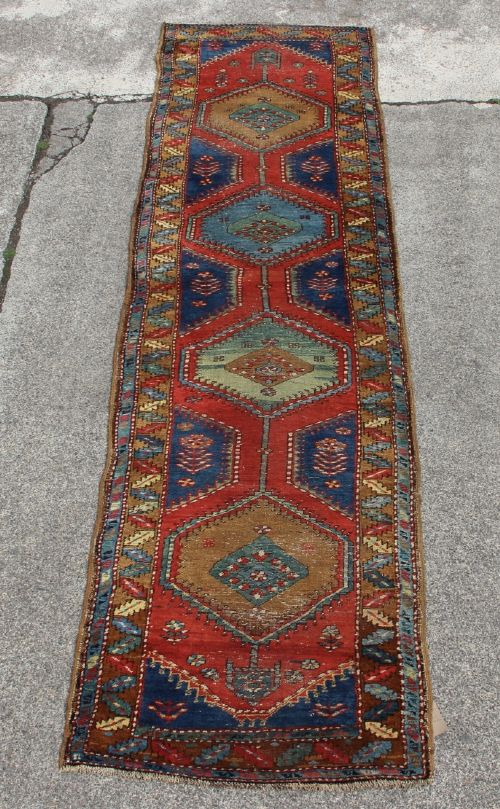
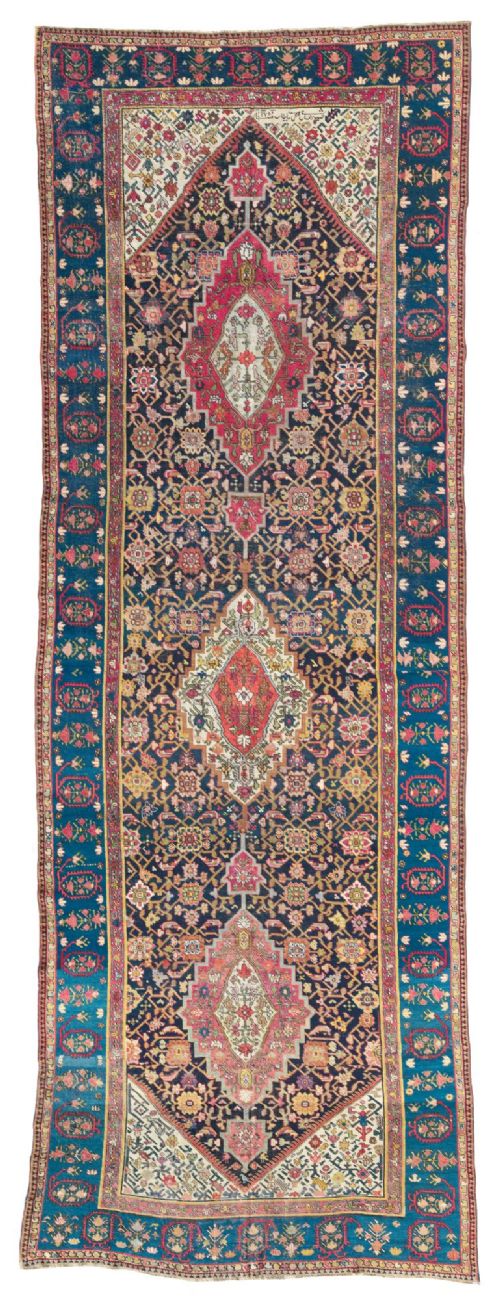
The pieces on this page span from the mid-nineteenth century through to the early decades of the twentieth century. They originate primarily from regions such as Heriz, Karaja, Sarab, and Kurdish areas, reflecting the distinct hand-knotted traditions of those communities.
Buyers encounter formats ranging from long hallway runners to square village rugs and small bag faces. Each piece displays the characteristic use of wool pile on cotton or wool foundations, typical of nineteenth and early twentieth-century production.
Materials and construction
The construction relies predominantly on wool pile knotted onto sturdy cotton or wool foundations, with occasional use of camel hair for natural brown and golden tones. Weavers utilised hand-spun wool in many older examples, yielding a soft lustre and varied absorption of natural dyes.
The traditional knotting secures the dense pile firmly to the warp and weft threads, creating a textile designed to withstand heavy daily use. Edge finishes and ends are typically bound by hand, completing the sturdy structure of these village and tribal rugs.
Listings span from the mid-nineteenth century through the 1930s, featuring wool, cotton, and camel hair across runner and rug formats.
Assessing the weaving
Quality in these rugs relates directly to the precision of the knotting and the handling of the wool. Finer knot density allows for sharper definition in geometric medallions and intricate tribal motifs.
The vibrancy and depth of the dyes contribute significantly to the character of each piece. Variations stem from the use of saturated natural colour palettes, where subtle tonal shifts within the wool indicate traditional dyeing methods.
The Caucasian Style Persian Rug Glossary
- Kelleh
- A large rectangular carpet format, traditionally longer than a standard room rug but narrower than a full-sized carpet.
- Bag face
- The decorative front panel of a storage sack, woven in pile technique and often repurposed as a small collector rug.
- Warp
- The vertical threads stretched tightly on the loom that carry the structural integrity of the rug and form the fringe at either end.
- Weft
- The horizontal threads passed between the warp rows to lock the hand-tied knots firmly into place.
- Boteh
- A traditional almond or paisley shaped motif representing a floral shoot or cypress tree, frequently repeated across the field.
Caucasian Style Persian Rug: Frequently Asked Questions
Where were these rugs made?
These textiles originate from village workshops and tribal regions across north-west Persia and adjacent areas. Weavers in districts such as Heriz, Karaja, and Sarab produced them using traditional local designs.
The influence of Caucasian design elements often appears in these Persian pieces due to geographical proximity and the migration of tribal groups across borders.
How do I care for an old rug?
Protect the textile by placing it on a quality underlay to prevent slipping and reduce friction against the floor. Regular gentle vacuuming without a beater bar keeps dust from settling into the wool pile.
Rotate the piece periodically to ensure even wear from foot traffic and sunlight exposure. Professional cleaning by a specialist in antique textiles is recommended when deep washing becomes necessary.
What materials are used?
The pile is almost exclusively wool, sometimes incorporating hand-spun fibres that show charming irregularities in texture. Camel hair also appears in specific areas to provide natural undyed brown and golden shades.
Foundations generally consist of cotton or wool warp and weft threads, providing the sturdy structural support hidden beneath the surface.
How do I date these pieces?
Dating relies on stylistic clues, dye palettes, and structural characteristics typical of specific decades. Pieces from the nineteenth century often display broader abrash and organic dye variations.
Early twentieth-century examples frequently show standardised village patterns while retaining traditional hand-knotted construction methods.