







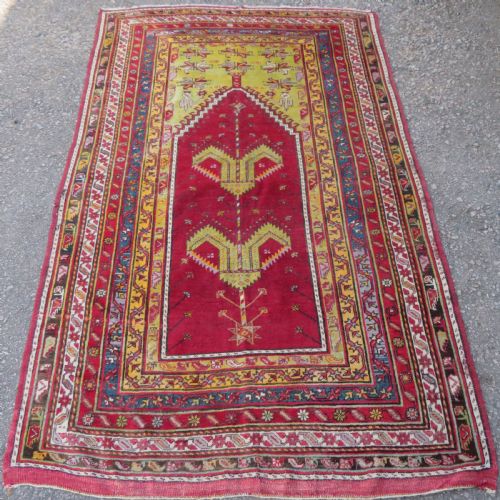
Tribal Oriental Runner
When you search for a tribal oriental runner, you discover elongated floor coverings woven across Persia, the Caucasus, and Anatolia for long hallways.
Tribal Oriental Runner
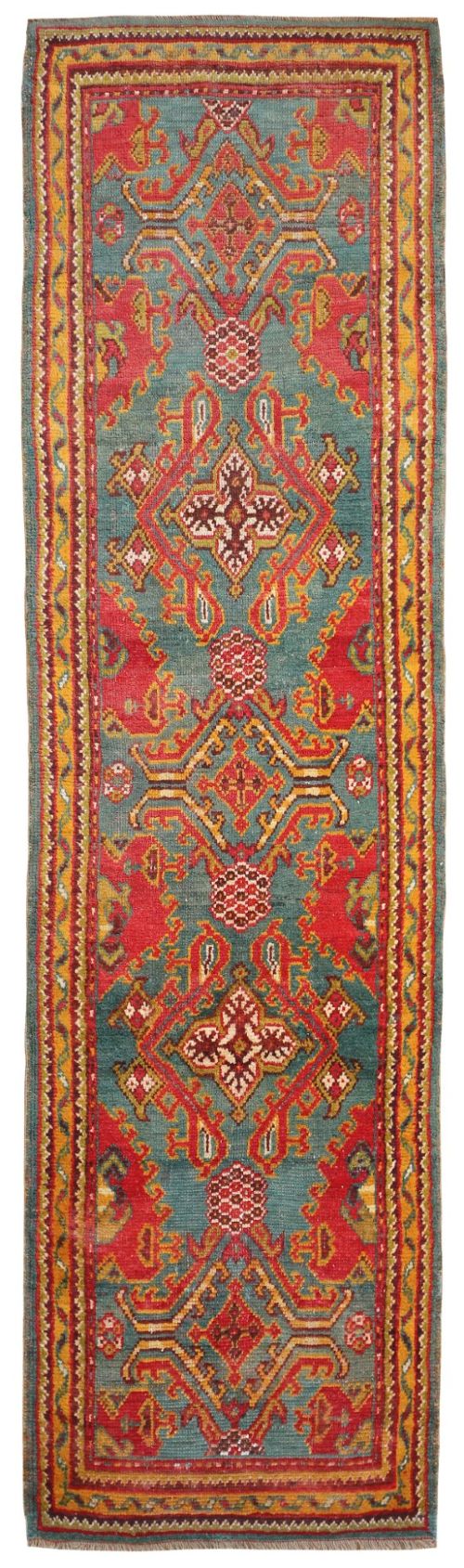
A tribal oriental runner is a long, narrow floor covering designed specifically for corridors, staircases, and narrow spaces within a home. These woven pieces emerge from nomadic and village traditions across regions such as Persia, the Caucasus, Anatolia, and Turkmenistan, spanning periods from the mid-nineteenth century through the early twentieth century.
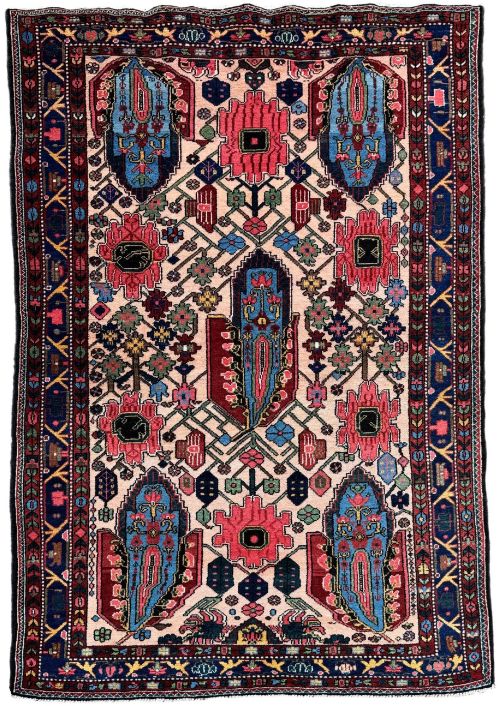
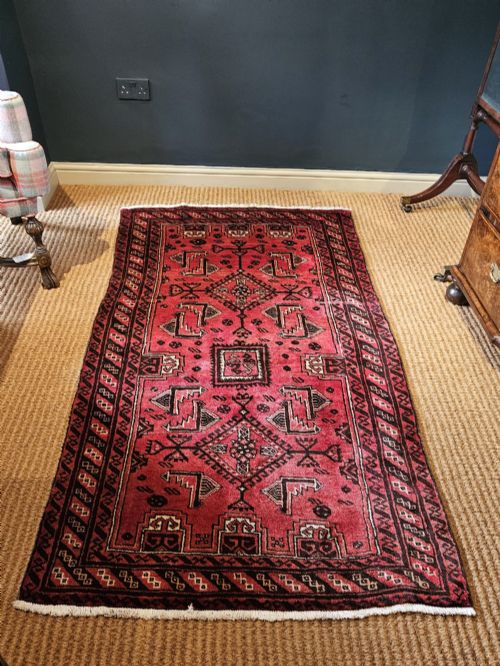
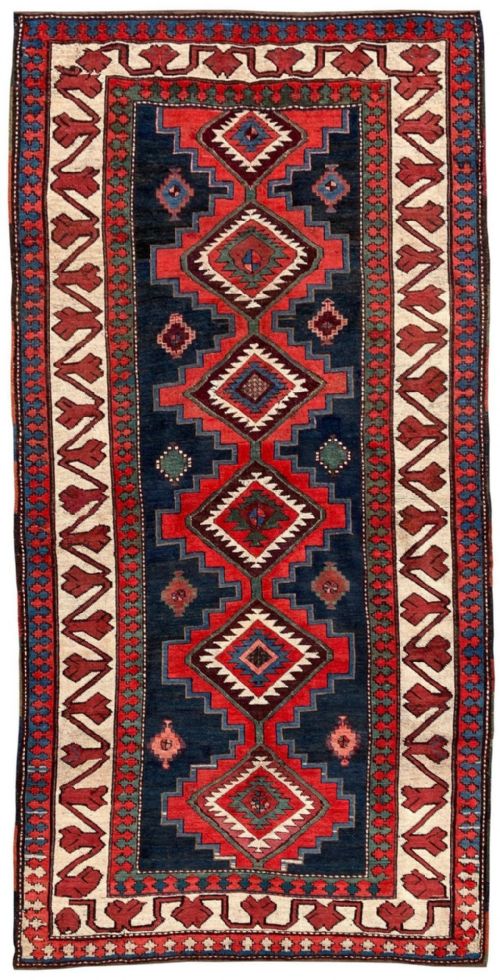
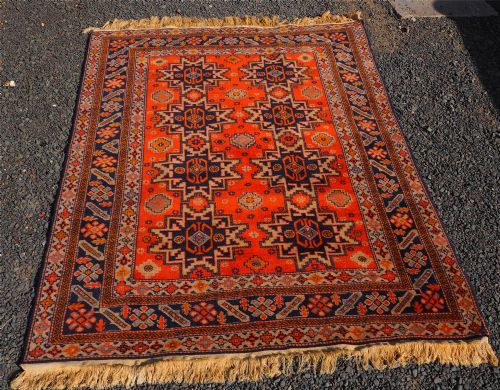
The specimens encountered here include specific tribal and regional types such as Caucasian, Baluch, Kurdish, Heriz, and Hamadan runners. They combine utilitarian length with geometric or medallion designs that reflect the heritage of the weavers who produced them.
How They Were Made
These textiles rely predominantly on natural wool, hand-spun wool, and cotton foundations, occasionally incorporating camel hair within the pile or foundation. Weavers knotted these materials by hand on upright looms, using traditional techniques passed down through generations.
Dyes derived from natural sources provide the palette for these runners, creating deep indigo blues, madder reds, and olive greens that mature gracefully over decades of light and wear.
Listings feature runners spanning eight distinct decades from the mid-nineteenth century through the 1930s, utilising wool, cotton, and camel hair.
What Varies in Quality
The fineness of the knot density and the precision of the geometric layout distinguish an exceptional runner from a simpler village weaving. A tighter weave allows intricate motifs and lattice designs to hold their shape sharply along the narrow length of the carpet.
The integrity of the wool and the depth of the natural dyes dictate the character of the surface. Runners retain greater visual richness when the wool retains its natural lanolin and the dyes display subtle tonal variations rather than flat uniformity.
The Tribal Oriental Runner Glossary
- Runner
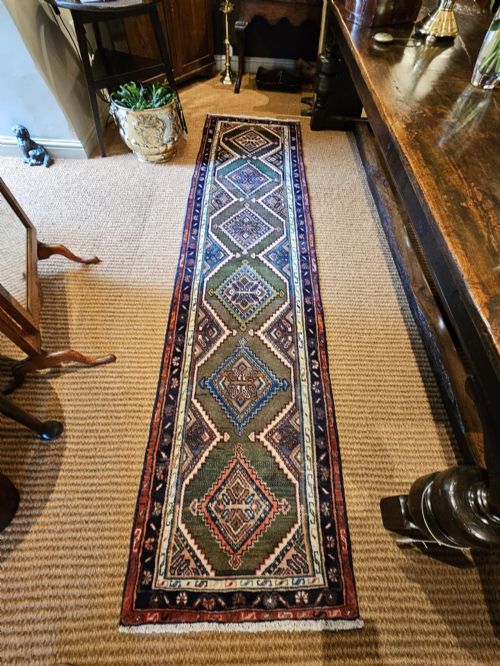
- A long, narrow carpet format traditionally utilised for hallways, corridors, and bedside placement. Its proportions require careful handling of border designs to maintain visual balance along the stretched axis.
- Mihrab
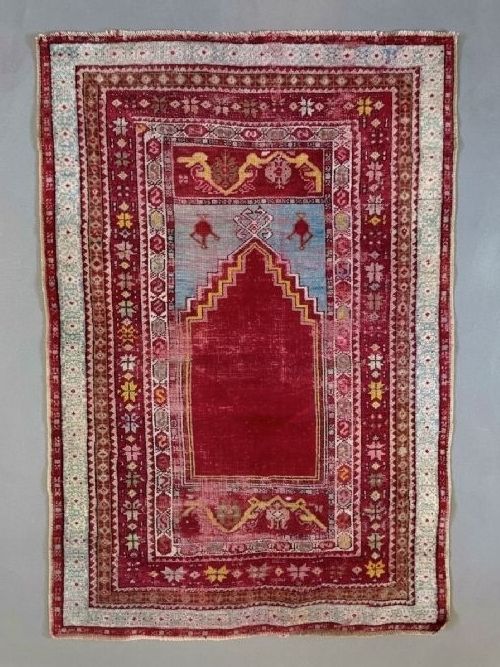
- A niche design element found on prayer rugs, representing the direction of Mecca. It directs the eye toward the spiritual focal point of the textile.
- Gul
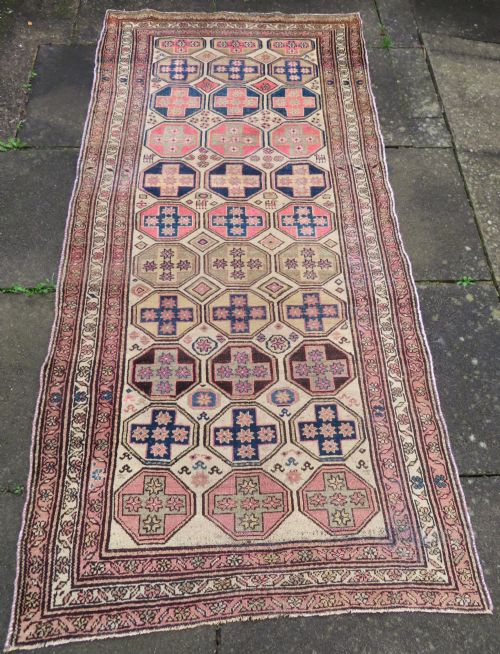
- A medallion or repeating octagonal motif often associated with Turkmen and Baluch tribal weaving. Each clan utilised distinct variations of these primary emblems.
- Kelleh
- A large format carpet, longer than a standard rug but broader than a runner. It serves substantial reception rooms and central spaces.
- Kazak
- A style of geometric rug originating from the Caucasus region. These pieces are celebrated for their bold primary colours and rectilinear medallion structures.
Tribal Oriental Runner: Frequently Asked Questions
Where should I place a tribal oriental runner?
These narrow formats suit hallways, entryways, and corridors where length matters more than width. They anchor transitional spaces while protecting wooden or tiled flooring.
Ensure the dimensions leave a consistent margin of bare floor around the edges to frame the pattern properly.
How do I care for an old wool runner?
Regular gentle vacuuming without a rotating brush roll keeps dust from settling deep into the wool pile. Rotate the piece periodically to distribute foot traffic evenly across the length.
Professional cleaning tailored to antique textiles preserves the natural lanolin and dye stability.
What is the difference between a village rug and a tribal runner?
Tribal pieces generally reflect the nomadic heritage of decentralised groups using memory-based geometric designs. Village rugs often stem from settled communities with slightly more structured regional traditions.
Both categories share hand-knotted construction and natural materials rather than industrial manufacturing methods.
How can I tell the origin of these runners?
Region identification relies on palette choices, border structures, and specific motif vocabularies such as lattice patterns or medallion types. Caucasian pieces favour stark geometry, while Persian village pieces often incorporate softer floral or hooked elements.
Comparing knot direction and edge finishes provides further clues to the specific weaving group.