




Tribal Medallion Rug
When choosing a tribal medallion rug, you select a hand-woven piece rooted in Persian, Caucasian, and Anatolian traditions.
Tribal Medallion Rug
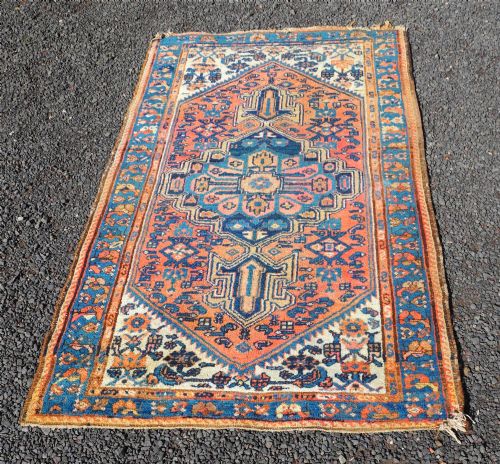
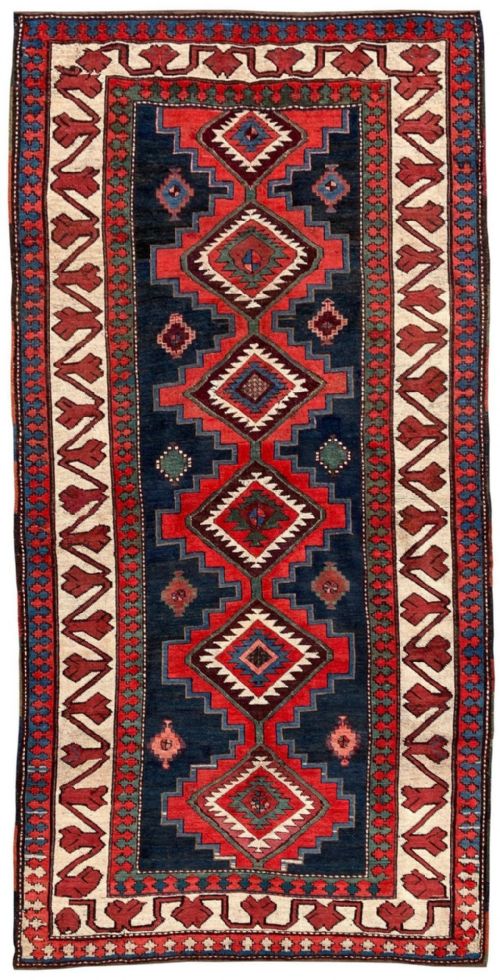
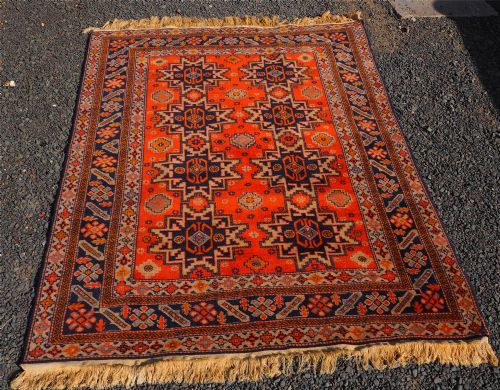
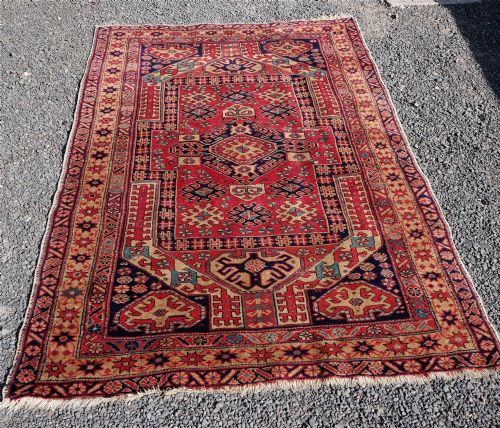
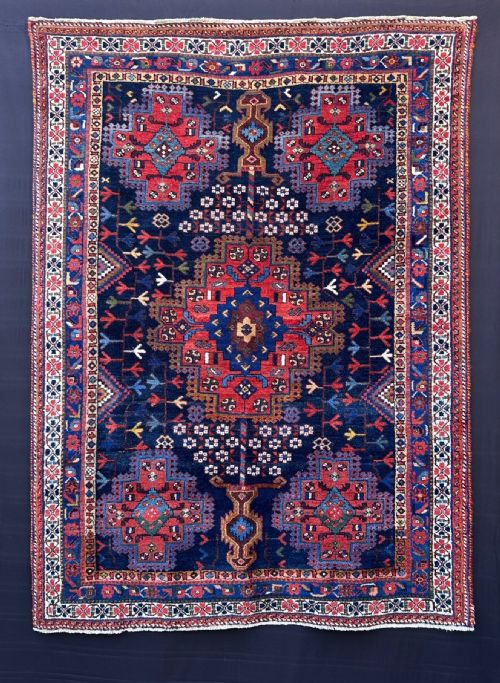
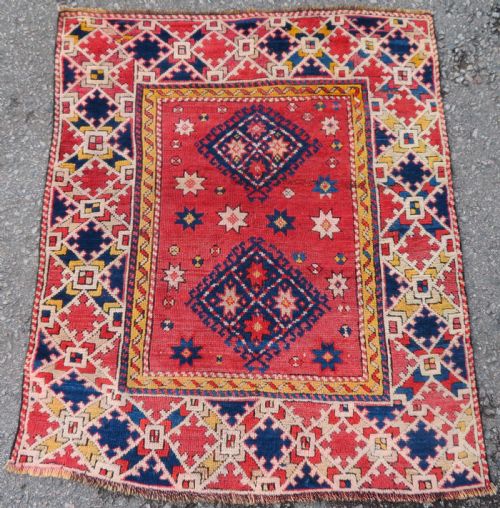
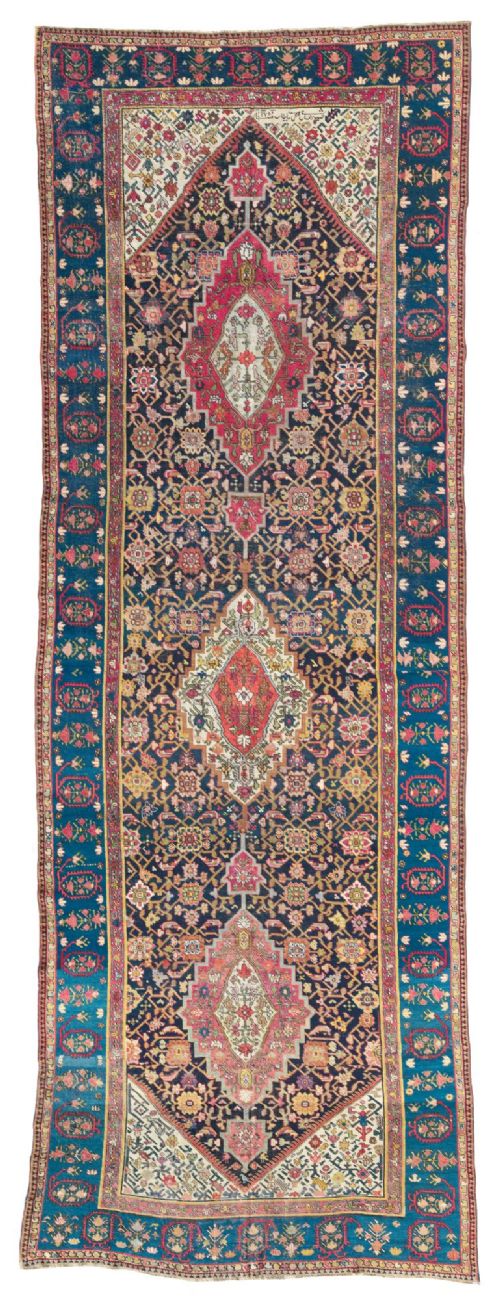
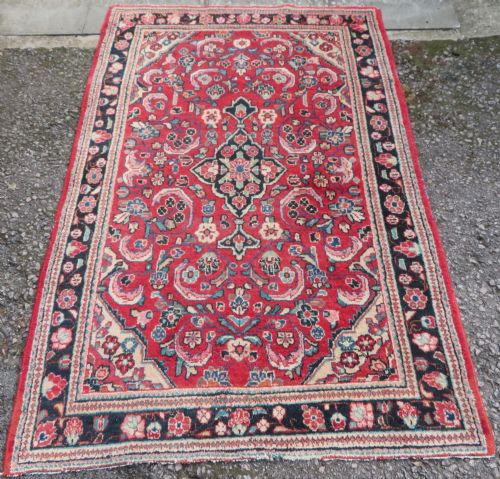
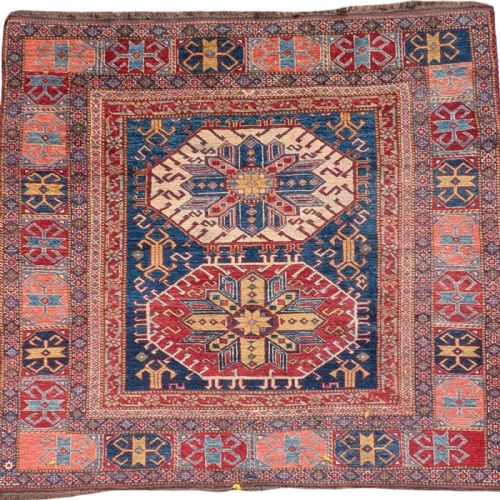
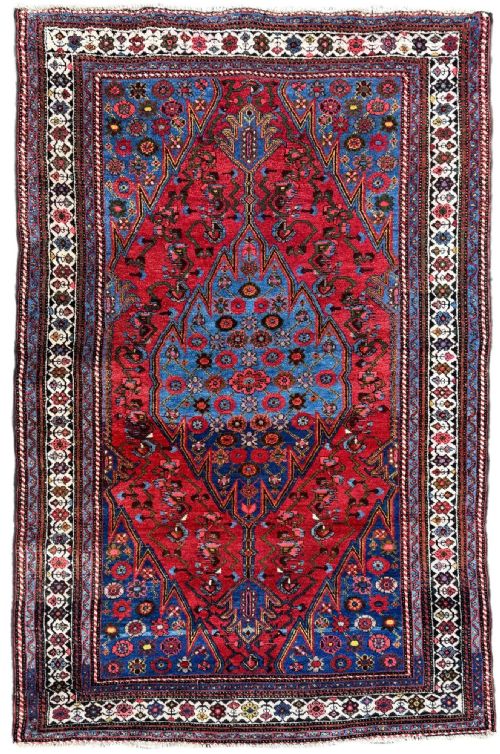
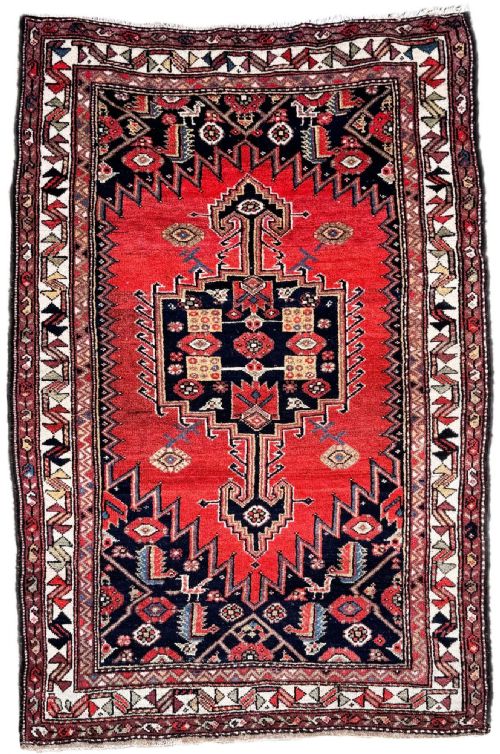
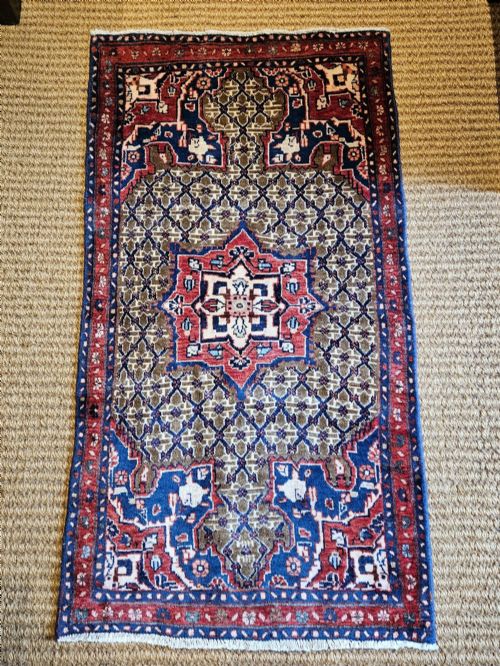
A tribal medallion rug brings together geometric central motifs and village weaving traditions from the nineteenth and early twentieth centuries. Pieces spanning periods from eighteen-eighty to nineteen-forty appear frequently, originating from regions such as Persia, the Caucasus, and Anatolia. Common formats range from compact hearth-sized mats and square room carpets to long runner rugs and bagfaces.
Makers include nomadic and village weavers from Khamseh, Bakhtiar, Afshar, Kazak, and Hamadan groups. These works emphasise structural durability and symbolic medallion layouts, often utilising wool or camel wool piles on cotton foundations. Buyers encounter both single medallion designs and complex linked multi-medallion arrangements.
How They Were Made
Weavers constructed these carpets by hand-knotting wool onto sturdy warp and weft foundations of wool or cotton. Natural dyes provided the deep indigos, reds, and soft secondary tones that settle into mellow hues over decades.
Nomadic workshops utilised upright or horizontal ground looms, resulting in slight irregularities in width and length that evidence hand production. Dense knotting secured the pile against heavy daily use in village dwellings and tents.
Tribal Medallion Rug Retail Price Guide 2026
Typical asking prices for tribal medallion rug among the pieces listed under this phrase on Sellingantiques today, from the lower quarter to the upper quarter. They describe what is for sale here now, not the wider market.
The inventory records pieces dated from eighteen-fifty through nineteen-forty, utilising wool, cotton, and camel wool across Persian, Caucasian, and Anatolian styles.
What Varies in Quality
Knot density and structural tightness dictate the longevity and definition of the central medallion design. Finer knotting allows intricate geometric curves and sharper angles to emerge clearly against the field.
The purity and preparation of the wool determine the handle, resilience, and depth of the pile. Superior examples feature lustrous, lanolin-rich wool that accepts natural dye variations evenly across the surface.
The Tribal Medallion Rug Glossary
- Medallion
- The central ornamental motif dominating the field of the rug. It anchors the geometric composition.
- Warp
- The vertical foundation threads stretched tightly on the loom before knotting begins. Weft threads cross horizontally to bind the structure.
- Pile
- The surface layer of looped or cut wool fibres standing upright from the foundation. It forms the tactile image of the carpet.
- Kilim
- A flat-woven carpet or rug produced without a raised pile. These pieces rely on interlocking weft techniques.
- Kelleh
- A large format rectangular carpet proportioned longer than it is wide. Such pieces traditionally lined the sides of a main room.
Tribal Medallion Rug: Frequently Asked Questions
Where were these rugs made?
Production centred in nomadic and village communities across Persia, the Caucasus, and Anatolia. Specific tribal confederations such as the Khamseh, Qashqai, and Bakhtiar developed distinct regional wool-working traditions.
Weavers in these areas passed down specific medallion layouts and geometric border patterns through generations, establishing recognisable local styles.
How do I clean a wool rug?
Regular gentle vacuuming without a rotating brush roll prevents dust accumulation within the wool pile. Professional specialist cleaning remains necessary for deeper maintenance to protect natural dyes.
Avoiding excessive moisture and direct sunlight preserves the structural integrity and softens the colours over time.
What is a camel wool field?
A camel wool field incorporates un-dyed or lightly processed camel hair into the background of the carpet. This natural fibre yields a characteristic warm, golden-brown tone.
Such fields provide a durable, soft surface that develops a rich patina with age and wear.
How do I identify a runner?
Runners feature an elongated rectangular format designed specifically for hallways, corridors, or narrow passageways. Their dimensions prioritize length over width while maintaining balanced central medallion patterns.
These formats share the same hand-knotted wool construction and tribal motifs found in larger square carpets.