

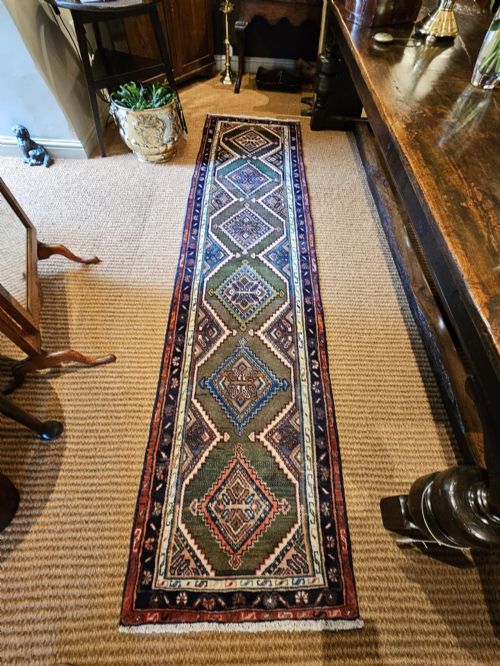

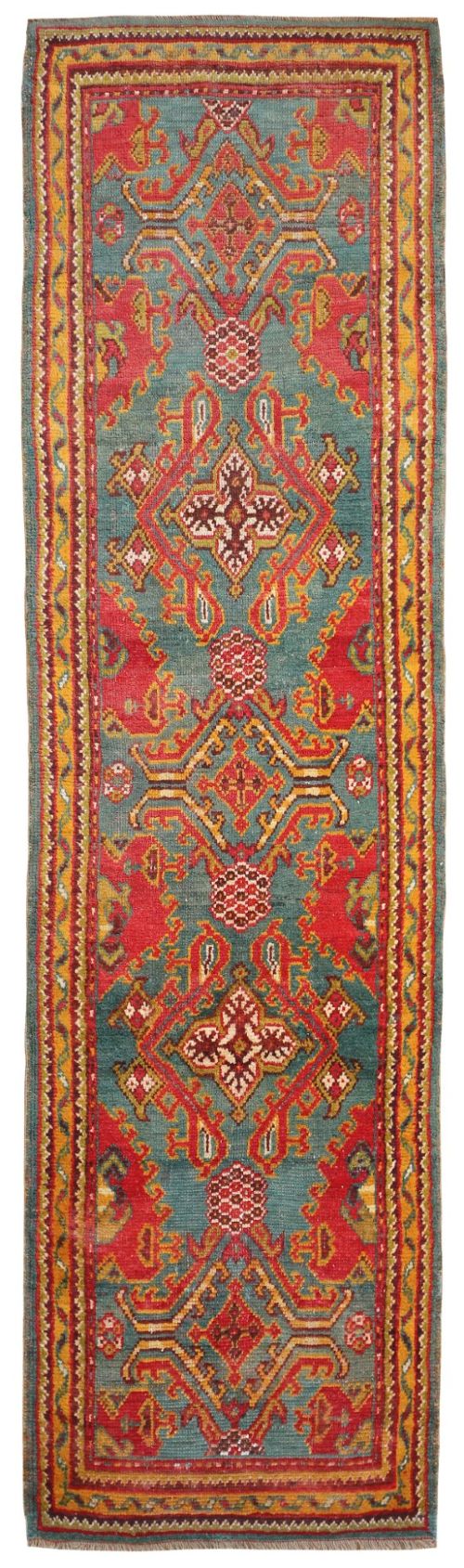

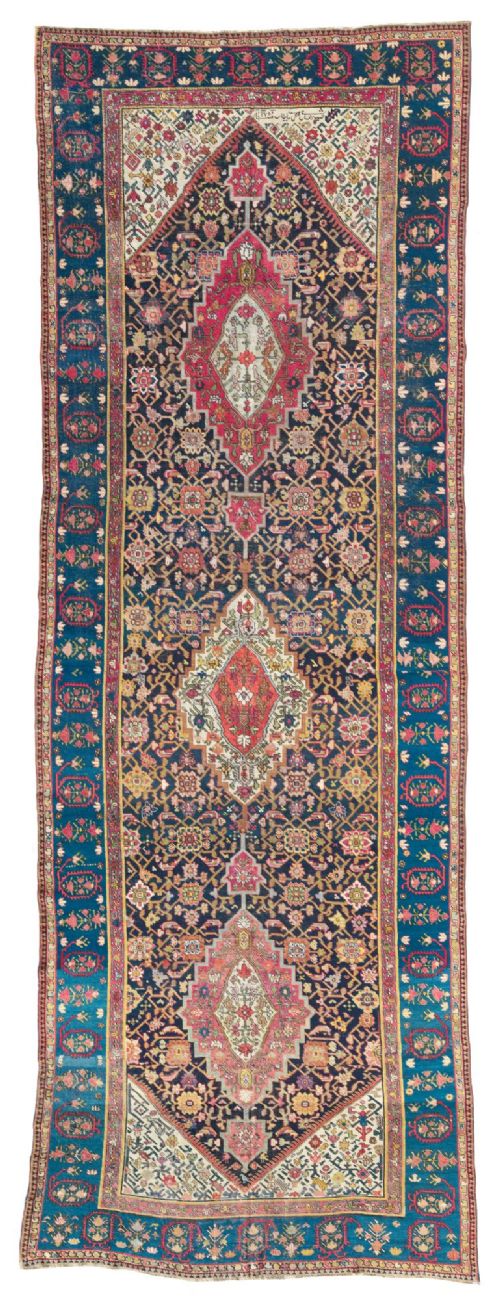
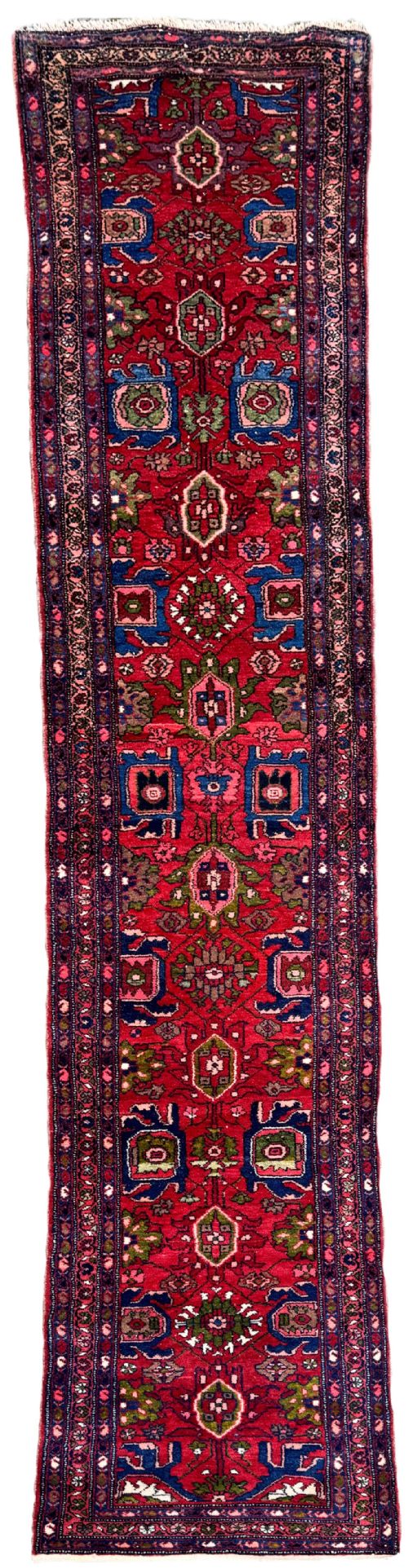


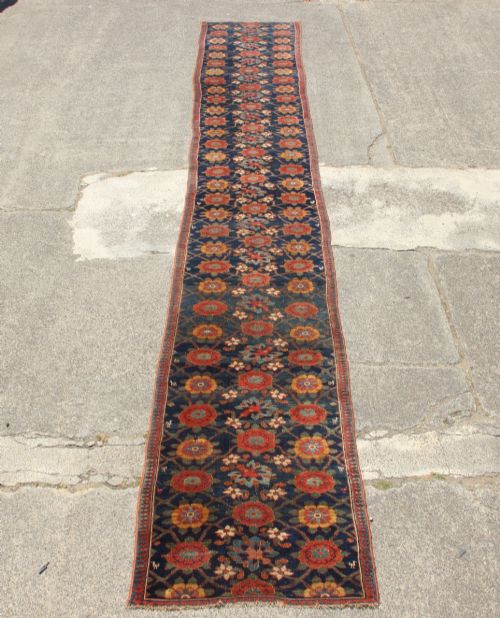
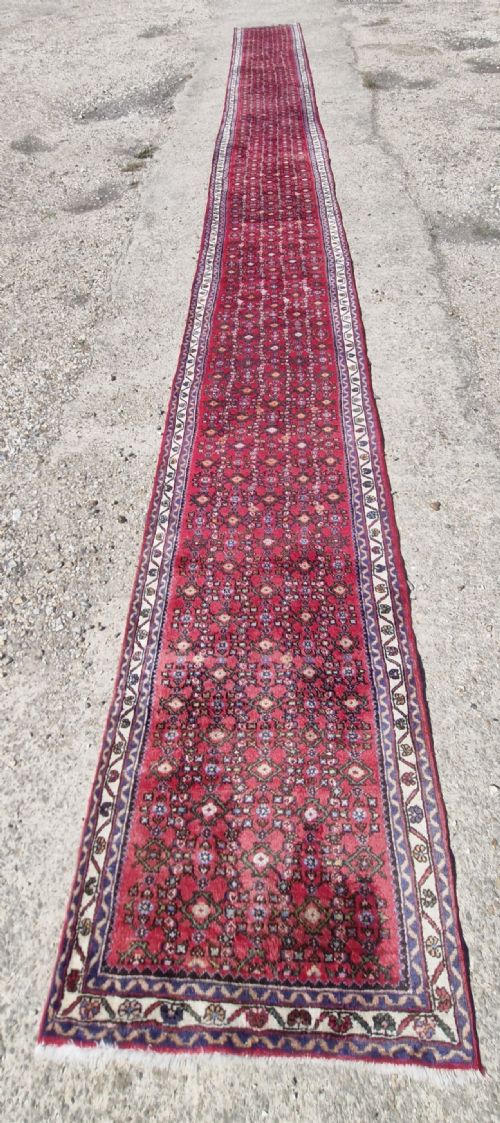

Tribal Corridor Carpet
A tribal corridor carpet brings warmth and geometry to long hallways, utilising traditional hand-spun wool and regional weaves.
Tribal Corridor Carpet
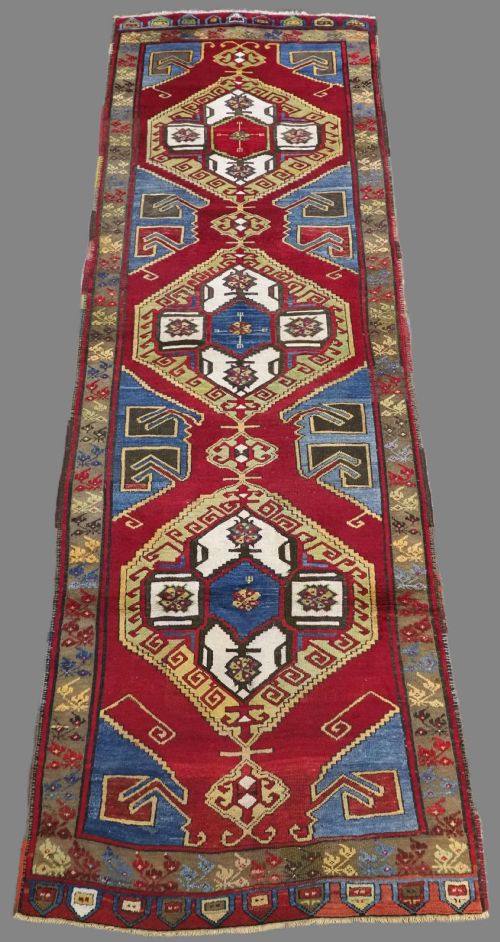
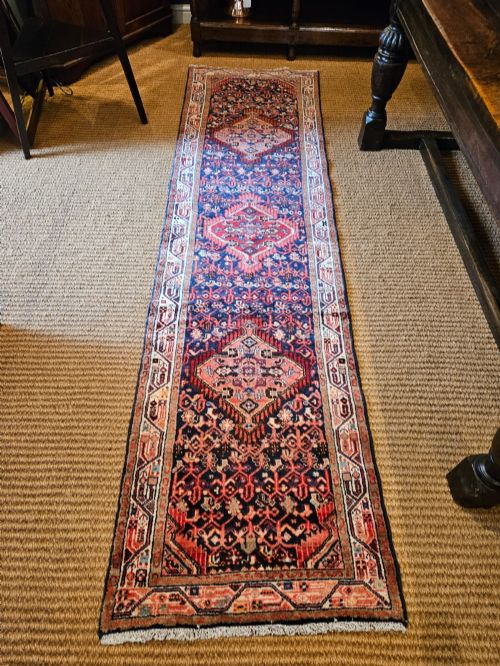
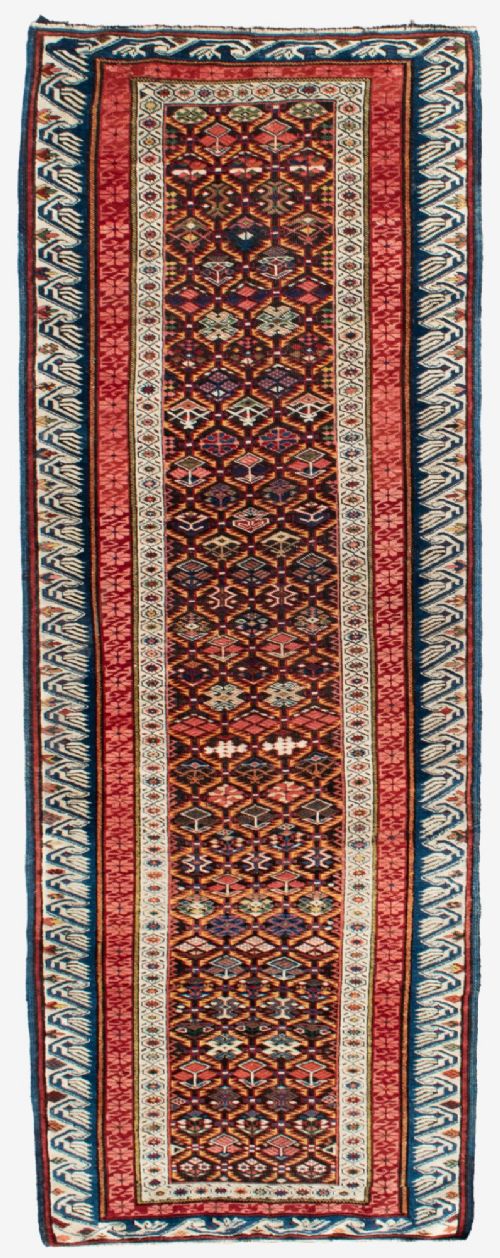
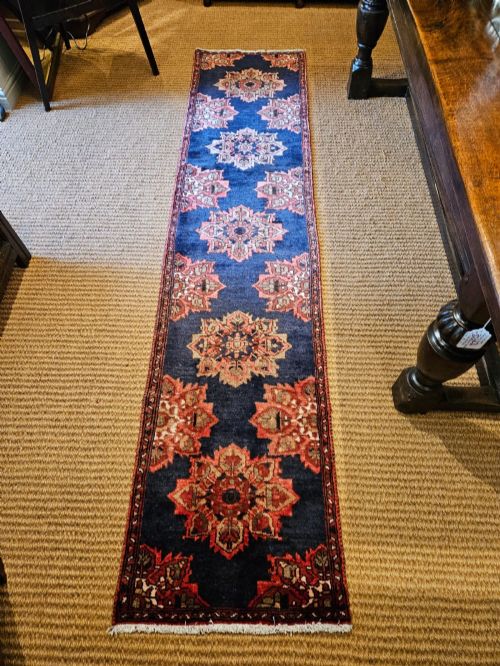
A tribal corridor carpet is an elongated floor covering designed for hallways, landings, and narrow spaces, drawing upon regional weaving traditions. When searching for a tribal corridor carpet, buyers encounter pieces originating from Persian, Caucasian, Anatolian, and Kurdish workshops dating from the nineteenth and early twentieth centuries. These runners range from compact lengths to expansive proportions extending over thirty feet.
The assortment includes named regional types such as Heriz, Hamadan, Kurdish, Kazak, and Shirvan runners. These examples display distinct geometric layouts, tribal motifs, and distinctive narrow formats suited to domestic circulation spaces. Formats vary from narrow Moroccan and Ferahan runners to broad hallway carpets.
How they were made
These carpets rely on wool, hand-spun wool, and cotton foundations to build durable pile surfaces capable of withstanding heavy foot traffic. Weavers knot the pile by hand onto sturdy warps and wefts, employing traditional village and nomadic techniques passed down through generations.
Natural dye materials provide the palette seen across these examples, yielding rich tones of navy blue, olive green, and earthy shades that age gracefully. The structural integrity depends on tight knotting and secure selvages finished by hand.
Listings span periods from the nineteenth century through the 1960s, featuring wool, cotton, and hand-spun wool materials.
What varies in quality
Quality in a tribal corridor carpet rests upon the fineness of the weave, the clarity of the geometric design, and the integrity of the wool. Tighter knot counts and resilient hand-spun wool separate superior examples from simpler village output.
The harmony and saturation of the natural dyes significantly influence the visual impact of each piece. Well-balanced proportions and steady, straight edges indicate disciplined craftsmanship during production.
The Tribal Corridor Carpet Glossary
- Runner
- A long, narrow carpet format specifically proportioned for corridors, hallways, and staircases. These pieces measure significantly longer than they are wide.
- Pile
- The upright yarn loops or cut ends that form the soft surface of the carpet. This layer absorbs foot traffic and displays the woven design.
- Kelleh
- A large format carpet that is longer than a standard rug but broader than a typical corridor runner. Collectors prize these substantial floor coverings for principal rooms.
- Warp
- The stationary longitudinal threads stretched across the loom before weaving begins. Foundation threads provide the structural framework for the knots.
- Mina Khani
- A repeating floral lattice pattern composed of daisy-like blossoms connected by curved vines. This traditional design appears frequently in Kurdish and Persian weaving.
Tribal Corridor Carpet: Frequently Asked Questions
Where should I place a corridor carpet?
These elongated floor coverings suit narrow domestic spaces such as hallways, landings, and long entryways where linear geometry creates visual interest.
They also function effectively in gallery spaces or alongside large furniture pieces to anchor long rooms.
How do I identify a Kurdish runner?
Kurdish examples typically feature robust wool construction, saturated colour palettes, and distinct geometric motifs originating from village workshops.
Their structure often incorporates sturdy foundations and traditional patterns like the Mina Khani lattice.
What materials make up these carpets?
Construction relies primarily on wool, hand-spun wool, and cotton used for the foundation warps and wefts.
Natural materials ensure both structural durability and the characteristic soft sheen of the aged pile.
How do I date an antique runner?
Dating relies on stylistic markers, structural characteristics, and the nature of the wool and dye materials observed in the piece.
Pieces seen here span the nineteenth and early twentieth centuries, reflecting the distinct weaving periods of their origin.