

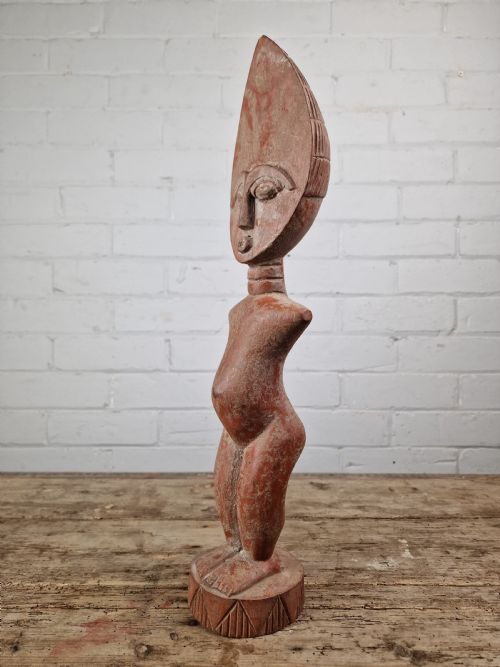


Tribal Art Sculpture
Tribal art sculpture pieces span centuries of global carving traditions, offering buyers authentic ritual objects, portrait busts, and masks shaped by distinct cultural heritage.
Tribal Art Sculpture
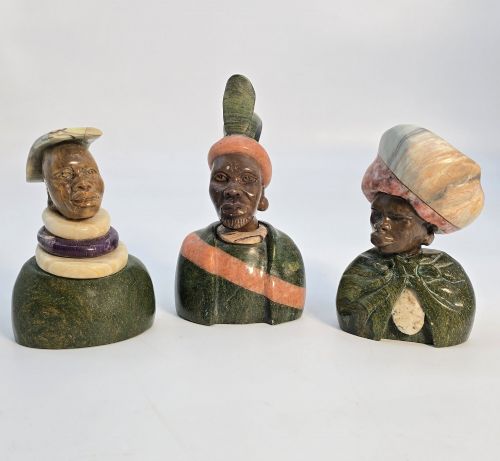
When you search for tribal art sculpture, you encounter a diverse range of objects originating from African, Asian, American, and Oceanian cultures. The selection spans utilitarian items transformed by artistry, ceremonial headdresses, and dedicated figurative sculptures.
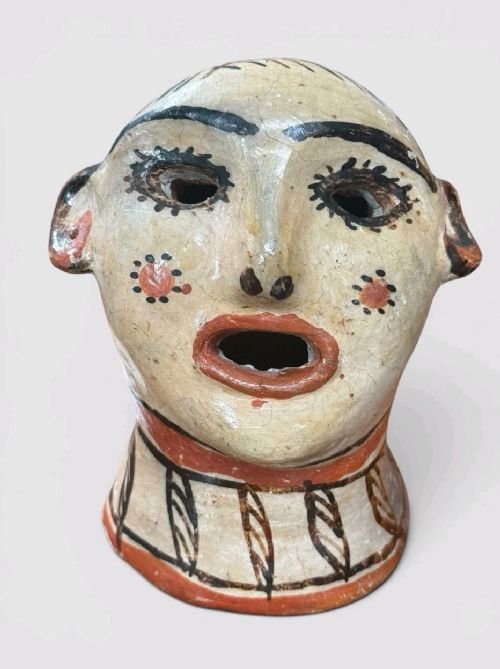
African pieces dominate the selection, encompassing Yoruba figures, Fang reliquary guardian heads, and regional masks from the Ivory Coast and Congo. Alongside these, you find Asian ritual items such as Nepalese wooden masks, Indian terracotta pieces, and Indonesian dancers.
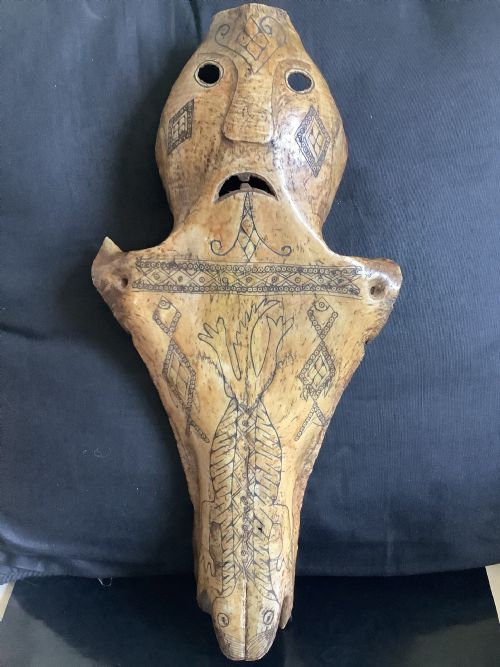
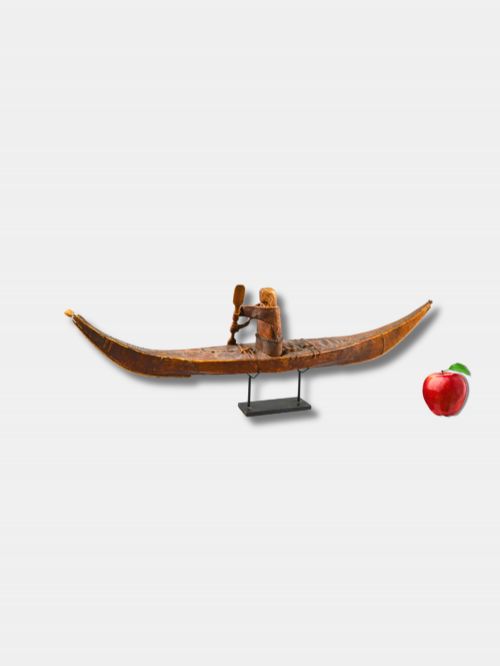
The material forms range from large hardwood statues and bronze equestrian groups to delicate bone carvings and tanned seal skin models. Dating primarily from the nineteenth and twentieth centuries, these works represent traditional craftsmanship tied to specific communities and ritual functions.
Materials and construction methods
Carvers utilised native hardwoods, bone, and whalebone, shaping figures using traditional hand tools to achieve detailed surface textures. Pigments often enhance the wood surfaces, adding colour and defining ritual markings on masks and statues.
Metalwork relies on bronze casting techniques, producing substantial busts, staffs, and horseman statues with complex patinas. Organic elements such as fibre, ivory, and tanned seal skin integrate into composite pieces, particularly within Inuit and West African works.
Tribal Art Sculpture Retail Price Guide 2026
Typical asking prices for tribal art sculpture among the pieces listed under this phrase on Sellingantiques today, from the lower quarter to the upper quarter. They describe what is for sale here now, not the wider market.
Several items feature practical twists, including a silk spinning wheel and a wooden pipe.
Distinctions in quality and execution
The standard of a tribal art sculpture rests on the precision of the carving and the expressiveness of the form. Master carvers achieved balanced proportions and dynamic facial expressions that separate ritual pieces from tourist items.
Surface preservation and the presence of original pigment or natural wear indicate genuine handling and age. The complexity of the composition, whether a multi-figure group or a finely detailed mask, distinguishes superior examples.
Abegunde of Ede
The Tribal Art Sculpture Glossary
- Byeri
- A reliquary guardian figure associated with the Fang people of Gabon, designed to protect ancestral remains. These sculptures often feature stylised heads atop elongated forms.
- Edan
- A bronze Janus figure linked to the Ogboni society among the Yoruba people of West Africa, typically cast in pairs. They signify authority and judicial power within the community.
- Ibeji
- A carved wooden figure representing a twin in Yoruba culture, created to honour a deceased twin and care for its spirit. Master carvers produced these with distinctive hairstyles and jewellery.
- Tupilak
- A carved shamanic figure from Inuit culture, traditionally made from bone, antler, or whale vertebra. These objects held spiritual significance in hunting and protection rituals.
- Reliquary
- A container or structure designed to hold sacred relics or ancestral remains. In tribal art, guardian figures frequently surmount these containers.
Tribal Art Sculpture: Frequently Asked Questions
What is a tribal art sculpture?
A tribal art sculpture is a carved, cast, or assembled object produced by indigenous communities for ritual, ceremonial, or utilitarian purposes. These works range from West African ancestor figures to Himalayan ritual masks and Inuit bone carvings.
Most items seen on this page date from the nineteenth and twentieth centuries, reflecting traditional cultural practices from regions including Africa, Asia, and the Arctic.
How were these sculptures used?
Many of these pieces served active roles in religious ceremonies, ancestral veneration, or community governance. Masks were worn during dances and rituals, while figures guarded reliquaries or honoured twins.
Other objects functioned as status symbols, ceremonial currency, or decorative items within their communities of origin before entering the wider collecting sphere.
How do I care for wooden tribal art?
Wooden sculptures and masks require stable environmental conditions away from direct sunlight and extreme humidity fluctuations. Maintaining consistent indoor temperatures prevents the wood from drying out or cracking over time.
Dust the surface gently with a soft, dry brush and avoid applying oils or cleaning agents unless advised by a specialist conservator.