





African Tribal Wall Art
African tribal wall art encompasses carved masks, woven panels and ritual sculptures that bring striking form and rich heritage to a room.
African Tribal Wall Art
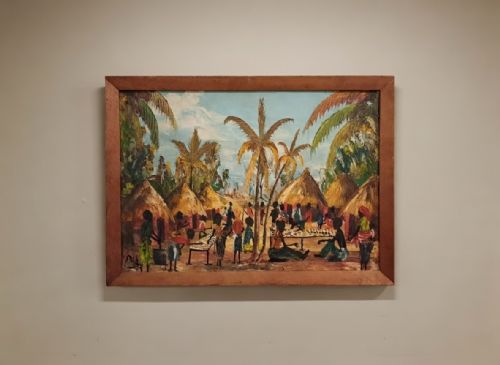
African tribal wall art includes carved wooden masks, marriage panels, painted trade paddles, and woven textiles originating from various regions across the continent. When searching for African tribal wall art, buyers encounter pieces ranging from early nineteenth-century ceremonial objects to mid-twentieth-century canvases and tapestries.
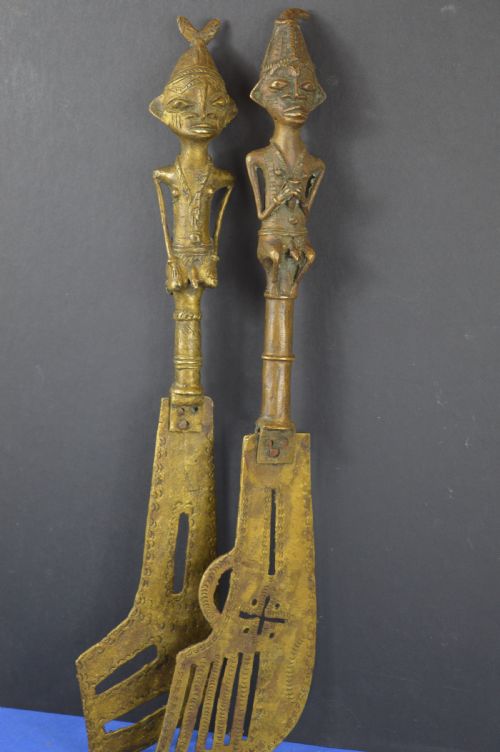
Traditional shields, Yoruba bronze staffs, and painted canoe paddles also appear under this heading, offering varied geometric and figurative designs. Each object reflects specific cultural practices and traditions, translated into tangible decorative forms suitable for display.
How they were made
Makers shaped these pieces primarily from carved wood, often applying natural pigments, kaolin pigment, and glass embellishments to the surface of masks and panels. Artisans also worked in brass and bronze, particularly for ritual staffs and figures, utilising traditional casting methods.
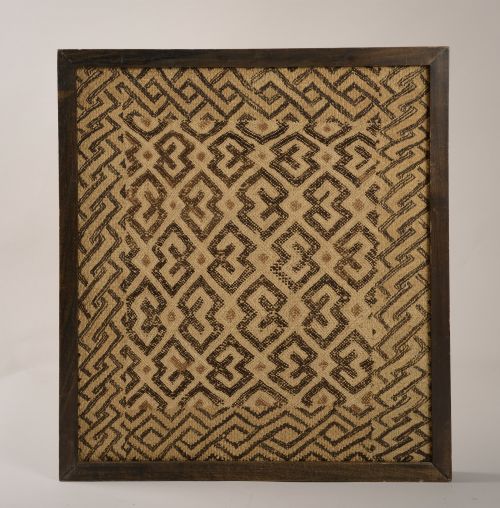
Textiles rely on vegetable fibres and raffia, woven into complex geometric patterns seen in Kuba tapestries and cloth. Trade paint and specific mineral colours further define the surfaces of items like Douala canoe paddles and carved panels.
African Tribal Wall Art Retail Price Guide 2026
Typical asking prices for african tribal wall art among the pieces listed under this phrase on Sellingantiques today, from the lower quarter to the upper quarter. They describe what is for sale here now, not the wider market.
Geographic origins represented on this page include the Ivory Coast, Gabon, the Democratic Republic of Congo, and West Africa broadly.
What varies in quality
Quality rests in the crispness of the hand-carved detail, the preservation of original pigments such as kaolin, and the integrity of natural fibre weaves. Early nineteenth-century pieces and Edwardian examples demonstrate distinct sculptural depth compared to later works.
Condition plays a central part, particularly the survival of delicate raffia, applied pigment, and aged patination on wood surfaces. Items showing clear ritual wear and authentic regional iconography command greater interest among collectors.
The African Tribal Wall Art Glossary
- Kaolin pigment
- A fine white clay used traditionally for ritual body and object decoration. It frequently survives in the recessed grooves of masks and carved panels.
- Raffia
- A fibre derived from palm leaves, utilised extensively in central African textiles and ceremonial dress. Woven examples form significant wall tapestries.
- Reliquary guardian
- A carved wooden figure or abstract form placed to watch over ancestral remains. Mahongwe examples display characteristic metal wire over wood construction.
- Tribal mask
- A carved wooden face covering worn during ritual dances and ceremonies. These objects embody specific spirits and social roles within the community.
- Ceremonial staff
- An elaborately carved or cast wooden and metal rod denoting status and authority. Yoruba examples often incorporate cast brass or bronze figures.
African Tribal Wall Art: Frequently Asked Questions
How do I hang heavy wooden tribal art?
Heavy wooden masks and panels require robust wall fixings anchored directly into wall studs or solid masonry. Steel brackets or concealed wire systems distributed evenly across the weight-bearing points ensure secure placement.
Avoid relying on simple picture wire attached to delicate decorative elements. Consulting a professional framer provides bespoke mounting solutions for irregular sculptural shapes.
What is the best way to light carved masks?
Angled spotlighting from above or the side reveals the deep relief carving, grain, and pigment textures of wooden sculptures. Position light sources to cast intentional shadows that accentuate the three-dimensional form.
Keep pieces away from direct, harsh sunlight and intense halogen heat to prevent the wood from drying out and the pigments from fading.
How do I care for raffia textiles?
Raffia and plant fibre tapestries benefit from gentle surface dusting using a soft brush or low-suction vacuum through a protective mesh screen. Keep these textiles out of humid environments to prevent mould growth and fibre degradation.
Framing under conservation glass protects fragile woven surfaces from airborne dust and physical handling while maintaining visibility.
Can I mix different regional tribal pieces?
Combining works from various regions, such as Ivory Coast masks and Congolese textiles, creates a layered interior display that highlights diverse carving traditions. Grouping items by material or colour tone unifies disparate styles within a single room.
Allow sufficient negative space around each sculptural piece so the distinct silhouette of every mask or panel remains clear.