



Antique African Sculpture
Antique african sculpture brings together carved wood, cast bronze, and ceremonial objects made across the continent during the nineteenth and early twentieth centuries.
Antique African Sculpture
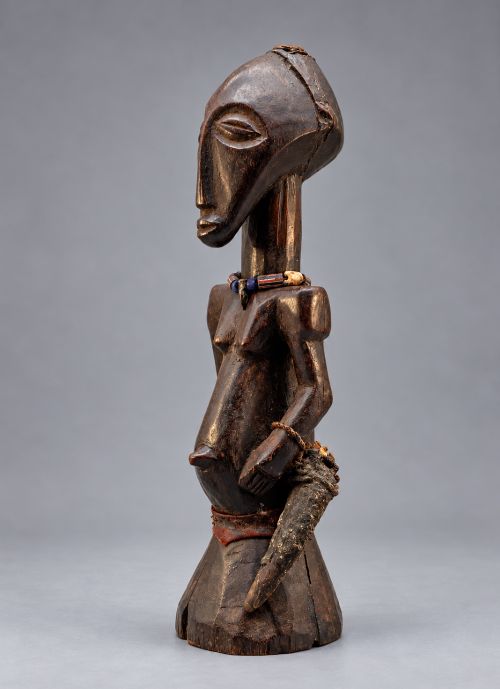
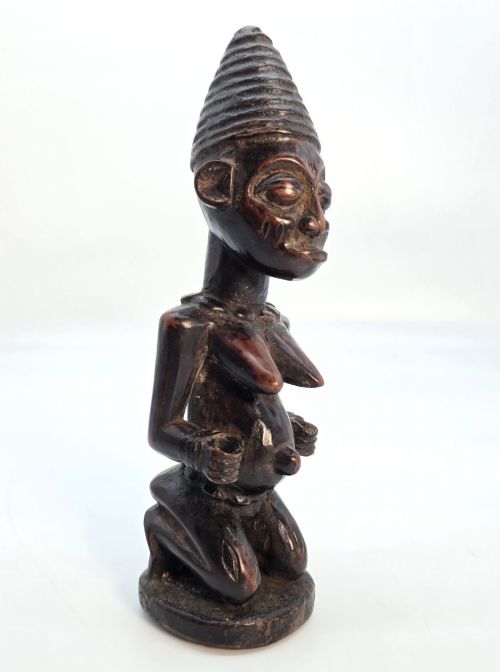
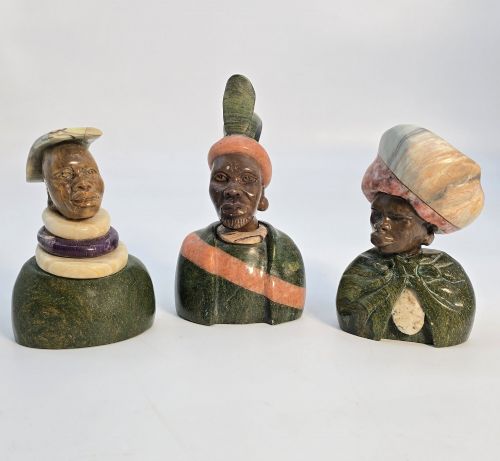
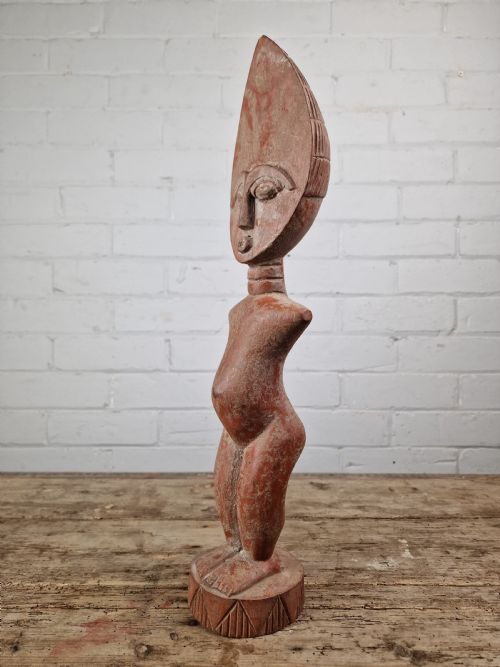
When you search for antique african sculpture, you encounter a diverse range of physical objects including tribal masks, fertility figures, and cast metal statues from the nineteenth and early twentieth centuries. These pieces originate from distinct cultural groups such as the Yoruba, Ashanti, and Luba, reflecting traditional practices and artistic heritages.
Buyers frequently find figurative representations of warriors, kings, and maternity figures, alongside zoomorphic carvings and Janus-faced sculptures. Each object carries the specific aesthetic conventions of its region of origin, from Gabon and the Ivory Coast to Nigeria and Ghana.
Materials and methods of construction
Makers utilised dense native hardwoods and carved them using traditional hand tools to create figures, masks, and functional items like headrests and combs. Many wooden sculptures incorporate additional elements of bone, fibre, and iron to accentuate details or construct composite pieces.
Bronze and brass works demonstrate advanced casting techniques, particularly the lost-wax method employed for figures, busts, and ceremonial staffs. These metal objects occasionally retain traces of gilding or surface treatments applied by the smiths.
Antique African Sculpture Retail Price Guide 2026
Typical asking prices for african sculpture among the pieces listed under this phrase on Sellingantiques today, from the lower quarter to the upper quarter. They describe what is for sale here now, not the wider market.
The listings on this site encompass periods from the 1880s through the 1930s, featuring materials such as hardwood, bronze, bone, and iron.
Distinctions in quality and execution
The survival of original patination, coupled with the integrity of materials like wood and bronze, separates well-preserved examples from those with extensive degradation or later alterations. Attribution to specific cultural groups or documented carvers further influences the standing of a piece.
Abegunde of Ede
The Antique African Sculpture Glossary
- Janus figure
- A sculpture featuring two faces looking in opposite directions. This form appears on ritual objects and bronze Edan staffs.
- Lost-wax casting
- A metalworking process where a molten metal is poured into a mould that has been created by melting away a wax model. This technique produced West African bronze sculptures and statues.
- Ibeji
- A wooden figure carved to honour a twin who has died among the Yoruba people. These sculptures often feature detailed coiffures and ritual adornments.
- Reliquary guardian
- A carved figure placed above a container holding ancestral relics. Mahongwe figures from Gabon utilise this traditional form.
- Tribal mask
- A carved wooden face covering utilised in ceremonial dances and rituals. Examples include helmet masks and warthog representations from the Ivory Coast.
Antique African Sculpture: Frequently Asked Questions
How do I identify a genuine antique African sculpture?
Examine the materials, tool marks, and surface patination for consistency with nineteenth and early twentieth-century production methods. Genuine pieces show appropriate wear and construction techniques relative to their attributed region.
Compare the stylistic conventions with documented examples from specific cultural groups such as the Yoruba or Ashanti. Consulting provenance records helps establish authenticity and historical context.
What materials were commonly used in these sculptures?
Wood and hardwood form the primary substance for figures, masks, and domestic objects. Artisans also utilised bronze and brass for cast statues, busts, and ceremonial staffs.
Secondary materials include bone, ivory, iron, and fibre, which were frequently incorporated into composite items or used for functional details like axes and pipes.
How were tribal masks and figures used?
Tribal masks served functional roles in ceremonies, dances, and rituals associated with agriculture, initiation, and ancestral veneration. They were worn or displayed to invoke spiritual forces.
Figurines and statues functioned as fertility objects, memorials for twins, or guardians for ancestral relics. Bronze staffs and figures often signified status and authority among leaders.
How should I care for wooden and bronze sculptures?
Keep wooden objects away from direct sunlight and sudden humidity fluctuations to prevent cracking or warping of the material. Dust them gently with a soft, dry cloth without applying modern polishes.
Bronze and brass pieces require stable environmental conditions to preserve their patination. Handle metal items with clean hands or gloves to avoid transferring oils to the surface.