




Carved Wood Pipe
These carved wood pipe examples bring together tobacco history and miniature sculpture, offering tactile connection to past smoking traditions.
Carved Wood Pipe
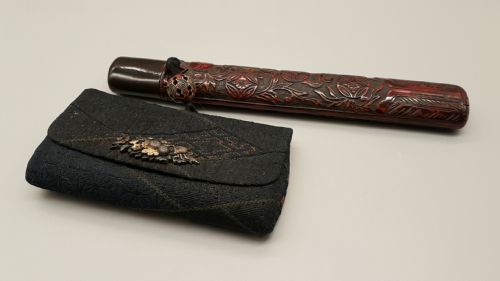
A carved wood pipe serves as both a functional smoking implement and a sculptural art object originating across various global traditions. Buyers seeking a carved wood pipe encounter diverse forms ranging from European briar creations to Japanese wooden pipecases.
The pieces appearing on this page span the nineteenth century through the early twentieth century, encompassing utilitarian smoking accessories and decorative tobacco containers. German, French, British, and African origins contribute distinct regional motifs and carving techniques to the selection.
Makers shaped these items using traditional bench-working methods, producing everything from trench art propaganda pieces to detailed Black Forest animal figures. Collectors find both dedicated smoking tools and complete smoking ensembles featuring associated pouches and holders.
Materials and construction methods
Craftsmen utilised seasoned timbers including briar wood, boxwood, walnut, linden wood, and oak for durability and responsiveness to hand-carving. Supplementary elements such as brass, bone, horn, and glass frequently appear as mounts, eyes, or fitted stems.
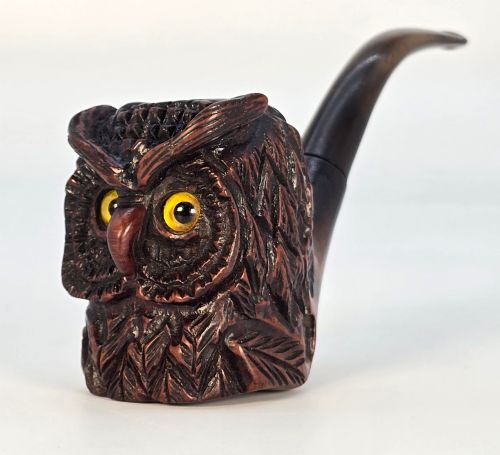
Makers applied hand-chiselling, gouging, and incising techniques to render intricate surface details like animal fur, facial expressions, and foliate scrolls. Assembly involved joining carved wooden halves, fitting metal ferrules, and integrating natural materials to complete each functional object.
Carved Wood Pipe Retail Price Guide 2026
Typical asking prices for carved wood pipe among the pieces listed under this phrase on Sellingantiques today, from the lower quarter to the upper quarter. They describe what is for sale here now, not the wider market.
One particularly watchful nineteenth-century German bear carved from linden wood keeps a permanent eye on your tobacco supply.
Distinctions in quality
The definition and depth of the carving separate standard workshop output from exceptional artisan pieces. Sharply executed details in figural expressions and well-preserved surface patinas indicate superior craftsmanship.
The choice of raw material and the harmony between functional design and sculptural form dictate the standing of an individual piece. Retaining original associated elements like silk pouches or horn stems enhances the integrity of the surviving ensemble.
Butz Choquin·GBD
The Carved Wood Pipe Glossary
- Briar wood
- A dense, heat-resistant burl wood harvested from the root of the white heath tree, prized for pipe-making. It provides durability and distinct grain patterns across nineteenth-century and later pieces.
- Kiseruzutsu
- A rigid Japanese carrying case designed to hold a traditional slim metal pipe alongside tobacco. These wooden cases often feature intricate carvings of figures or mythical subjects.
- Black Forest folk art
- Carved wooden objects produced in the Swiss and German mountain regions during the nineteenth century, typically depicting realistic animals and rustic figures. Linden wood is the primary medium for these sculptural items.
- Ojime
- A small decorative bead used on traditional Japanese cord-suspended pouches and pipecases to secure the opening. They are carved from materials like wood, bone, and ivory.
Carved Wood Pipe: Frequently Asked Questions
What is a carved wood pipe?
A carved wood pipe is a smoking implement featuring hand-cut decorative motifs, figural elements, or regional styling produced by historical artisans.
These pieces combine functional chambers and stems with sculptural designs ranging from animal forms to propaganda imagery.
How do you date a carved wood pipe?
Dating relies on stylistic markers, material choices, and documented manufacturing periods associated with specific workshops or regional folk art traditions.
Examining the wear patterns, metal mounts, and carving techniques helps place an item within nineteenth or early twentieth-century timelines.
How should I clean a carved wood pipe?
Maintenance requires gentle dusting with a soft brush to preserve the recessed details of the carved surfaces without disturbing the patina.
Harsh chemical cleaners and excessive moisture should be avoided to protect aged wood, horn, and bone elements.