



Tribal Anatolian Wool Rug
A tribal anatolian wool rug brings village history, geometry and warmth directly onto the floor.
Tribal Anatolian Wool Rug
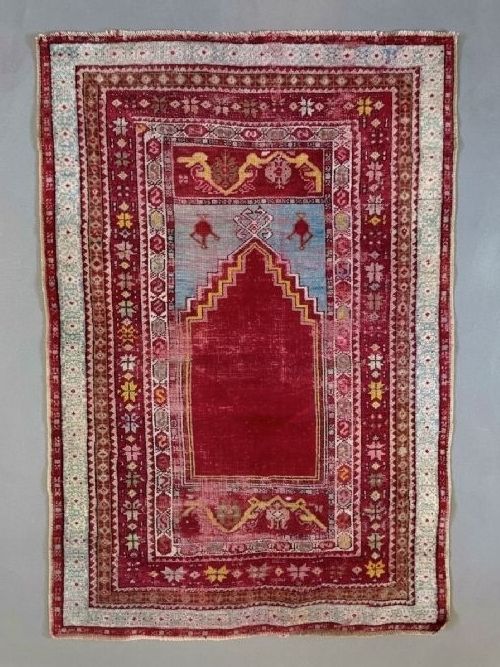
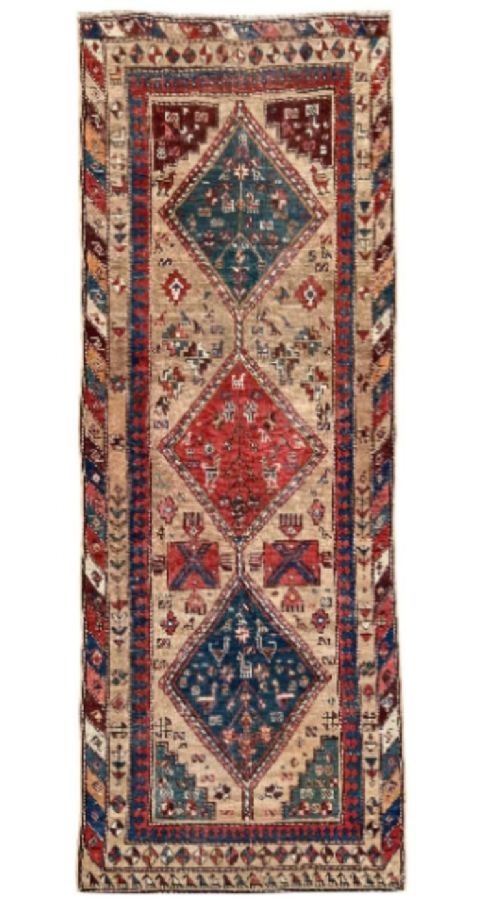
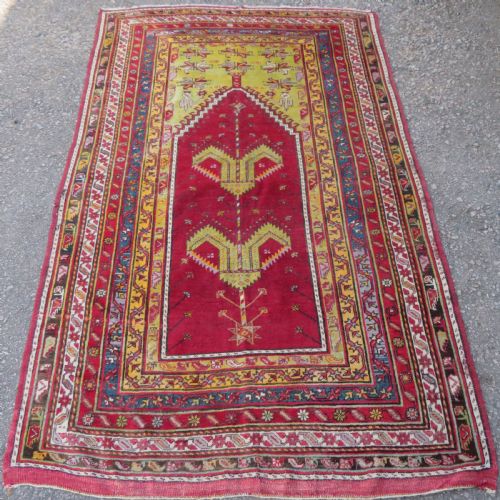
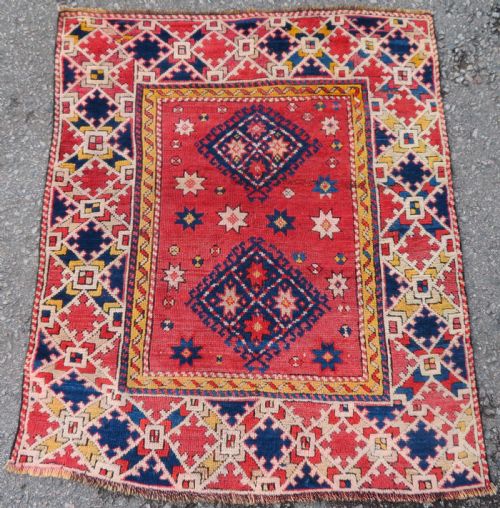
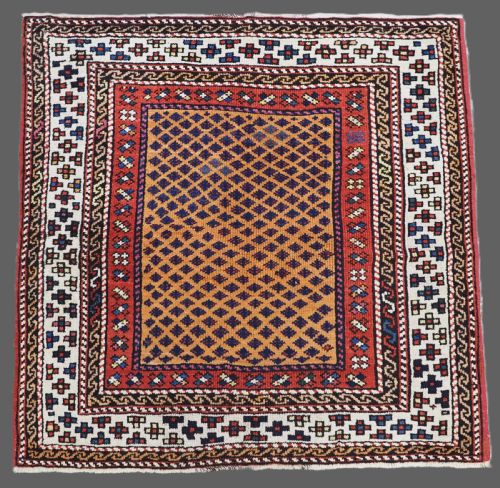
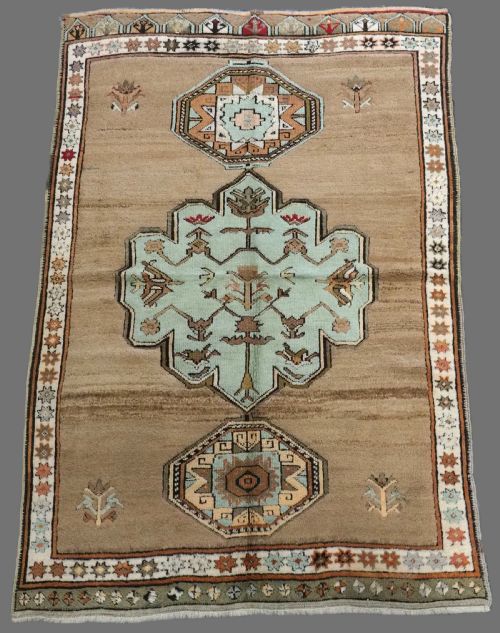
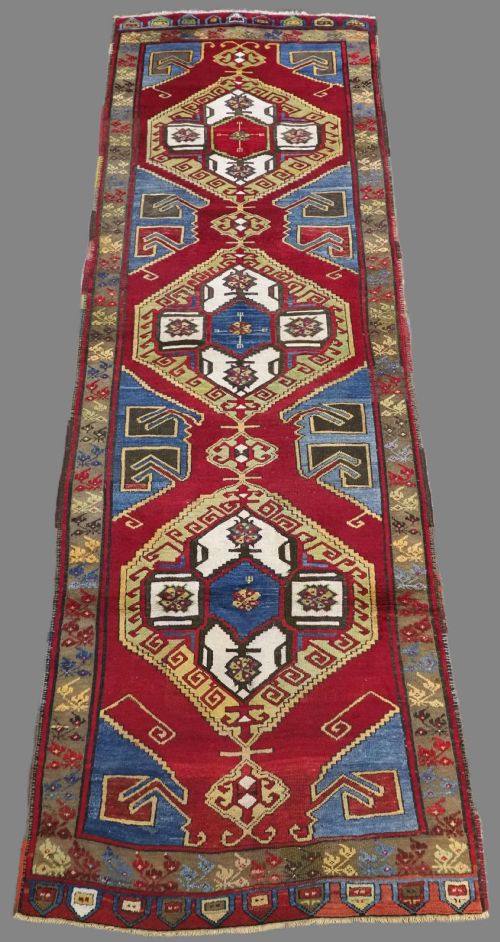
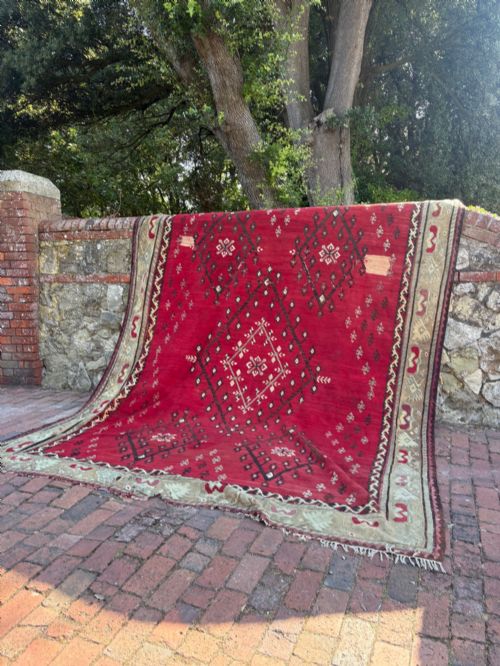
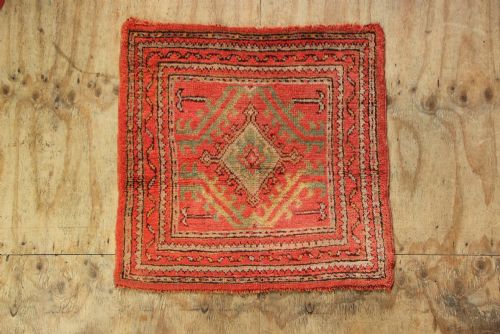
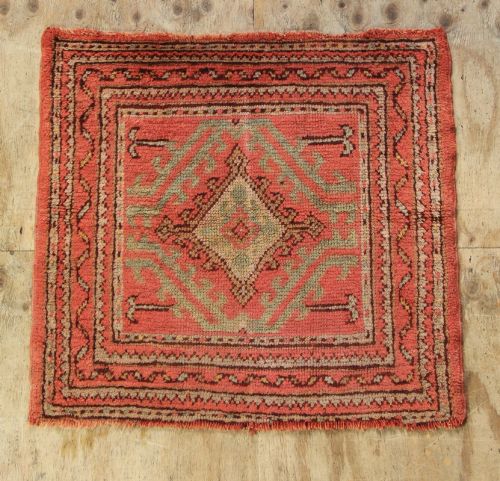
When you search for a tribal anatolian wool rug, you encounter hand-knotted and flatwoven pieces originating from Turkish villages and weaving centres, spanning the nineteenth and early twentieth centuries. These textile works range from small mats and square formats to prayer rugs, long runners and large flatweave kilims.
The regional variety encompasses specific styles such as Bergama, Konya, Kirsehir, Oushak, Milas, Yahyali and Ladik, each displaying distinct design traditions. Alongside floor-coverings, the selection includes cushion covers and yastics created from traditional village weavings.
Most examples date from the 1800s up to the 1930s, representing generations of domestic production where weavers utilised local motifs and traditional looms. The visual language relies on geometric medallions, prayer mihrabs and lattice patterns passed down through families.
Materials and construction
These textiles rely principally on wool, cotton and hand-spun wool, occasionally incorporating camel wool within the field to provide a natural, undyed softness. The foundation warps and wefts typically use wool or cotton, supporting dense hand-knotted piles or flatwoven kilim structures.
Weavers employed natural dyes to colour the hand-spun wool yarns, achieving rich tones that mellow gracefully over decades of use. The construction methods reflect nomadic and village traditions, resulting in sturdy structures designed for daily domestic endurance.
Several vintage cushion covers began life as hardworking floor carpets before finding retirement as soft furnishings.
Assessing quality
The standard of a piece depends heavily on the fineness of the knotting, the integrity of the wool and the depth of the palette. Tighter foundations and superior hand-spun materials hold their structure better over time.
Design clarity and the preservation of original borders and edges distinguish finer examples from standard village production. The harmony of the dye colours and the vitality of the tribal motifs dictate the desirability of each piece.
Bergama·Konya·Kirsehir·Oushak·Ladik
The Tribal Anatolian Wool Rug Glossary
- Kilim
- A flatwoven textile produced without a pile, created by tightly interweaving warp and weft threads to form geometric patterns.
- Prayer Rug
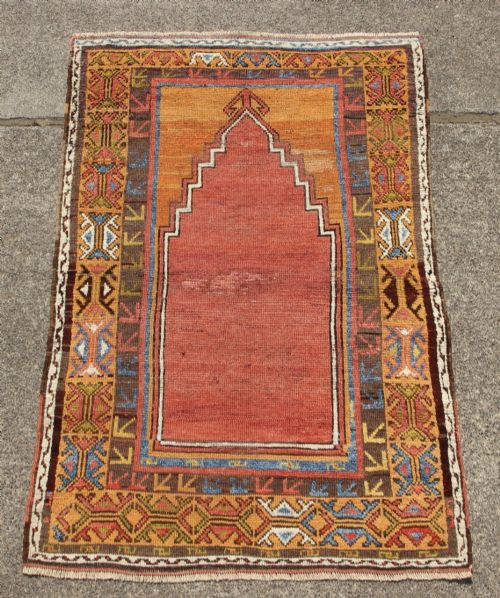
- A textile featuring a distinct mihrab arch design at one end, traditionally used for individual prayer.
- Yastic
- A small Turkish cushion or pillow face, often woven on the same structure as larger pile rugs.
- Mihrab
- The arched niche depicted on prayer rugs that indicates the direction of prayer.
- Warp
- The vertical foundation threads stretched tightly on the loom before weaving begins.
Tribal Anatolian Wool Rug: Frequently Asked Questions
How are tribal rugs cleaned?
Gentle surface cleaning and professional hand-washing preserve the natural wool fibres and traditional dyes. Harsh chemicals and modern detergents damage the historical structure.
Regular light vacuuming without a rotating brush helps remove embedded dust while protecting the delicate hand-knotted pile.
Can I use these rugs in high traffic areas?
Sturdy wool construction allows many pieces to withstand moderate daily movement in hallways and living spaces. Placing a suitable underlay underneath helps prevent slipping and reduces friction against the floor.
Fragile flatweaves and older prayer rugs benefit from placement in lower traffic zones to preserve their historical textile integrity.
How do I identify a prayer rug?
Prayer rugs feature a prominent pointed arch motif, known as a mihrab, at one end of the field. This design traditionally oriented the user toward Mecca during daily devotions.
The compositional layout focuses attention inward toward the niche, separating these pieces from standard runner and area formats.
What does camel wool indicate?
The presence of camel wool in the field provides an undyed, naturally soft background tone that feels distinct from sheep wool. Weavers utilised this fibre for its natural warmth and durable texture.
Such examples often display softer, neutral colour palettes derived from the unbleached animal fleece.