
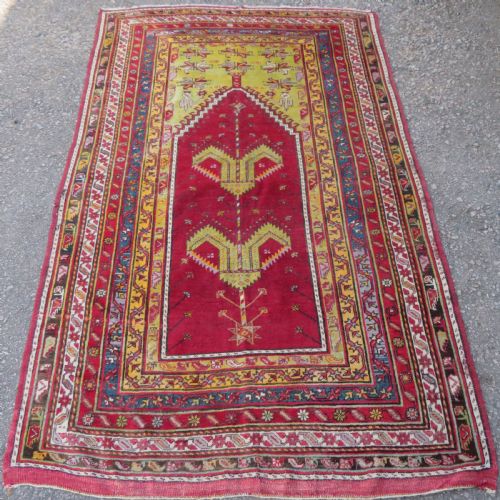
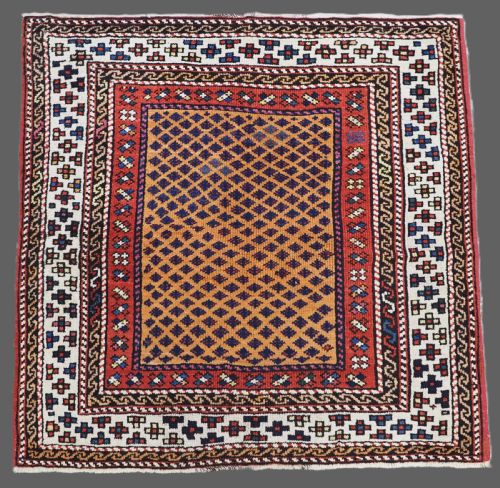


Yellow Wool Anatolian Carpet
These yellow wool anatolian carpet pieces are historic woven textiles from Turkey that bring warmth and genuine regional character to any room.
Yellow Wool Anatolian Carpet
A yellow wool anatolian carpet represents traditional Turkish weaving traditions spanning from the nineteenth century through the early twentieth century. You will encounter various regional forms including prayer rugs, large carpets, and smaller square or yatak formats originating from centres such as Ushak, Kirsehir, Bergama, Ghiordes, Kula, Konya, and Milas. These textiles reflect distinct Ottoman and tribal design influences passed down through generations of weavers.
The pieces listed on this page demonstrate the enduring appeal of Central and Western Anatolian floor coverings. They range from intimate bedside formats to grand room-sized carpets measuring over four metres. Each rug utilises traditional wool construction to achieve the characteristic pile and handle associated with authentic regional work.
Materials and construction
The construction of these carpets relies upon wool pile knotted onto sturdy foundations, frequently utilising cotton for structural elements. Weavers employed natural materials to build resilient floor coverings designed for daily use.
The combination of hand-spun wool and traditional knotting techniques gives these rugs their distinctive tactile quality. Dyes derived from natural sources interact with the wool fibres over decades to create rich, varied surface tones.
Some nineteenth-century weavers left small intentional colour changes in the wool border where the dye batch ran out.
Distinguishing quality
The distinction between standard examples and finer pieces lies in the precision of the weave and the complexity of the design execution. Superior pieces demonstrate careful balance in their compositional geometry and greater finesse in the handling of traditional motifs.
Age and regional origin heavily influence the character of each textile. Pieces displaying uncommon colour grounds, such as scarce green or soft faded yellows alongside traditional wool yarns, often exhibit a distinct artistic maturity.
The Yellow Wool Anatolian Carpet Glossary
- Prayer rug
- A small rug featuring a mihrab or niche design historically used for daily Islamic prayers. These pieces often direct the eye toward a central focal point.
- Yatak
- A thick, shaggy pile rug traditionally used as a sleeping mat or bed cover in Anatolian households. They are prized for their heavy wool texture and rustic charm.
- Mihrab
- The arched architectural niche depicted in prayer rugs that symbolises the direction of Mecca. It remains a defining design element in many classical Anatolian pieces.
- Ground
- The main background field of a carpet upon which the primary medallions and secondary motifs are placed. The colour of the ground sets the visual tone for the entire textile.
Yellow Wool Anatolian Carpet: Frequently Asked Questions
Where were these carpets made?
These textiles were woven in various towns and villages across Anatolia, which is modern-day Turkey. Key production centres include Ushak, Kirsehir, Bergama, and Konya.
Each region developed its own distinct palette, wool quality, and geometric or floral vocabulary that distinguishes its rugs from neighbouring districts.
How do I care for an antique wool rug?
Care requires gentle regular vacuuming without a rotating power brush to protect the historic wool pile. Professional cleaning by specialists in antique textiles is essential.
Keeping the rug out of direct, harsh sunlight helps preserve the natural dyes and prevents uneven fading across the wool fibres.
What is an Oushak carpet?
Oushak carpets originate from the historic manufacturing town of Ushak in Western Turkey. They are renowned for their softer colour palettes and larger, more relaxed floral or geometric designs.
These rugs frequently utilise high-grade wool and were exported to European markets for centuries due to their decorative versatility.
How can I tell the age of a rug?
Age is determined by examining the specific wool characteristics, natural dye variations, knot structure, and traditional design motifs. Nineteenth-century examples often show subtle wear patterns and mellowed tones.
Structural details such as the selvages and foundation materials also provide reliable clues regarding the period of production.