



Wool Runner Area Rug
These wool runner area rugs bring enduring warmth and texture to hallways and narrow spaces through centuries of nomadic and village weaving traditions.
Wool Runner Area Rug
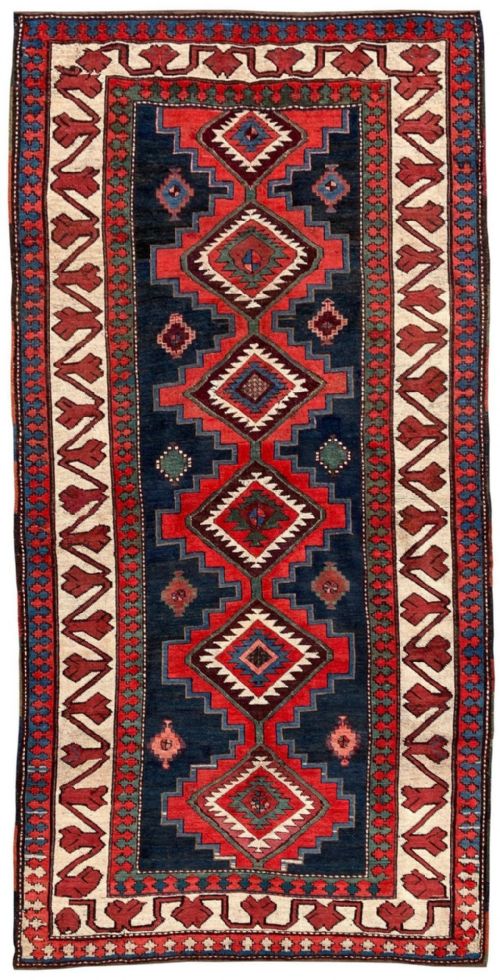
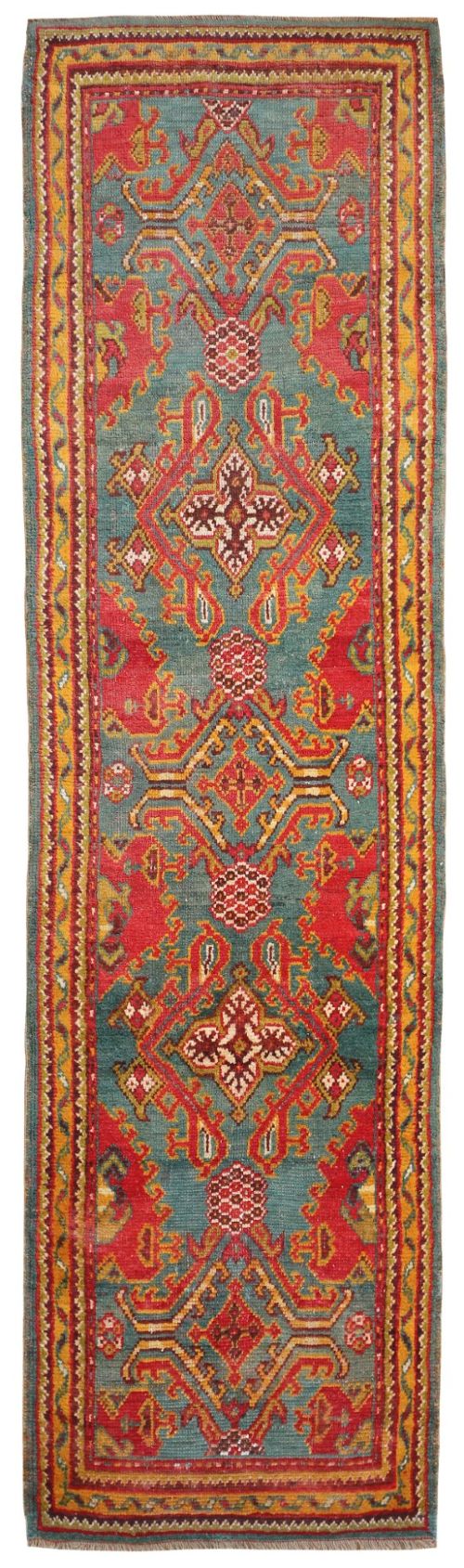
A wool runner area rug serves as a practical floor covering designed specifically for hallways, corridors, and transitional spaces within a home. These elongated formats appear alongside broader village and tribal carpets originating from Persia, the Caucasus, and Central Asia.
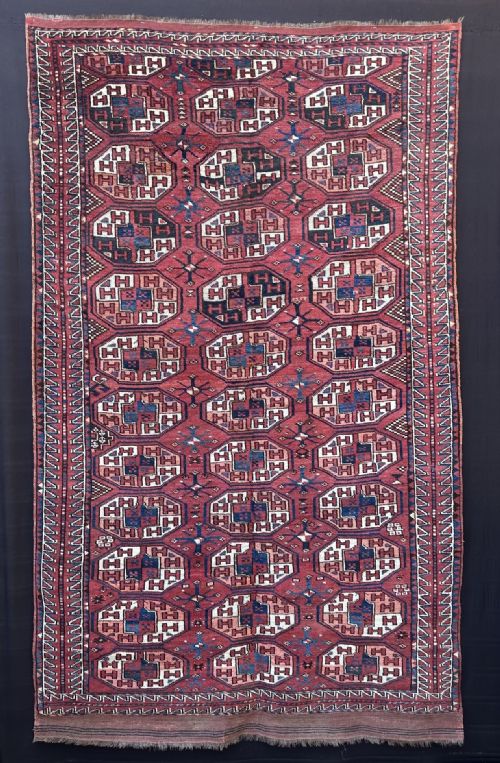
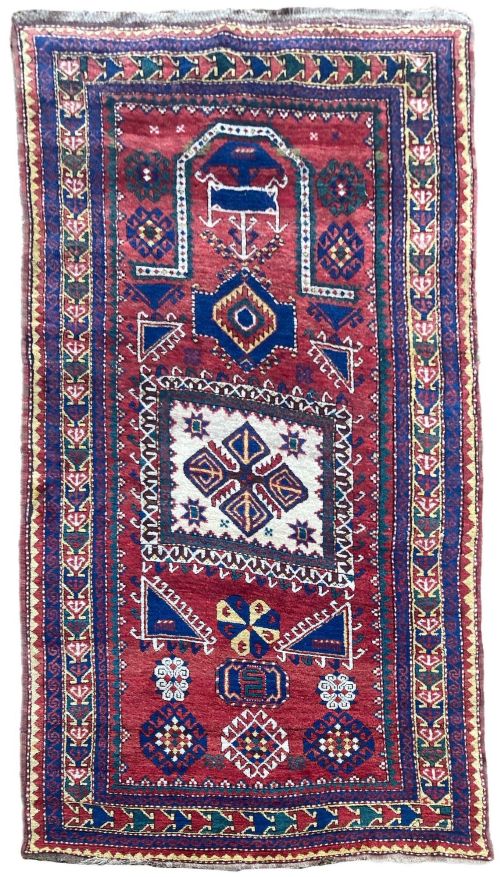
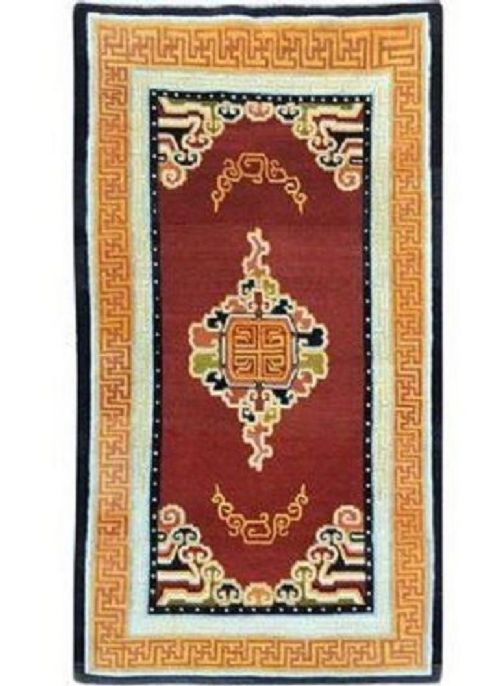
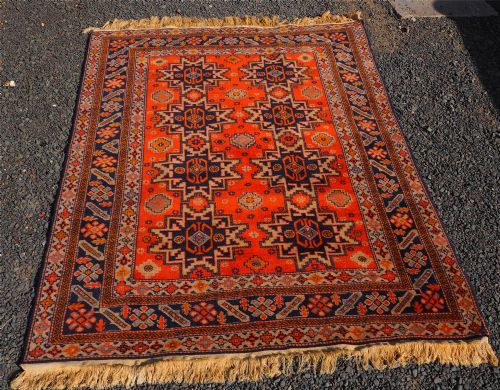
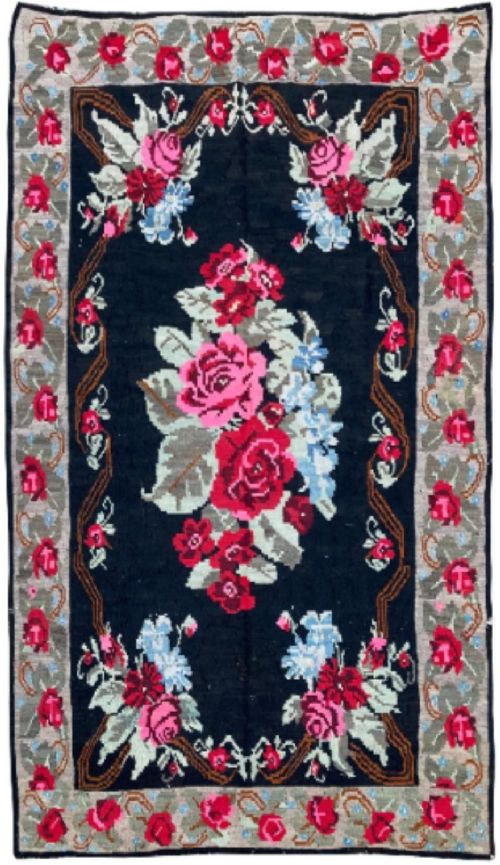
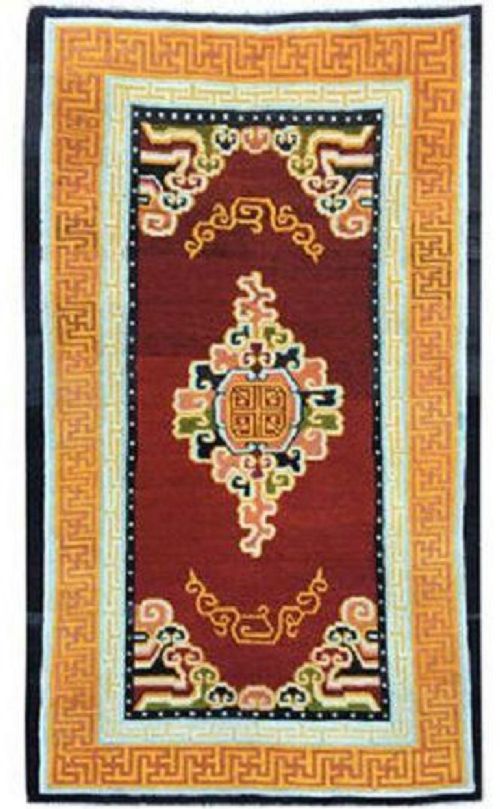
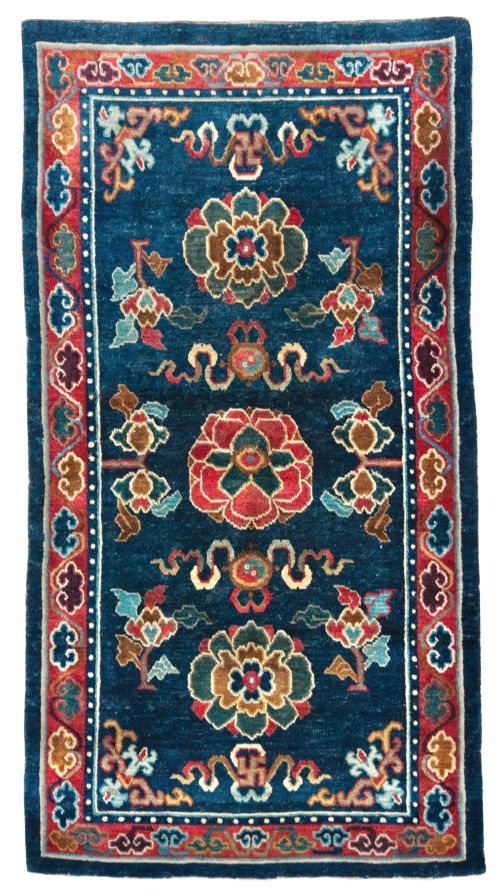
The selection ranges from nineteenth-century pieces to mid-century examples, incorporating traditional Persian, Caucasian tribal, and Tibetan aesthetic styles. Buyers encounter specific regional variations such as Kazak, Baluch, and Ushak formats during the search process.
Makers utilise traditional knotting techniques to produce durable pile carpets intended for heavy foot traffic areas. These textiles function equally well as functional floor coverings or as decorative wall hangings in domestic interiors.
Materials and construction methods
Weavers construct these textiles predominantly using natural wool, hand-spun wool, and camel hair piled onto cotton or wool foundation warps. Natural dyes provide the underlying palette, creating rich, saturated tones that mature gracefully over decades of use.
Nomadic and village workshops employ hand-knotting methods distinct to specific tribal groups, resulting in varied pile densities and structural flexibilities. Tibetan and Caucasian traditions dictate distinct structural rhythms, from heavy, dense weaves to lighter, flat-woven kilim constructions.
Nomadic weavers occasionally embedded accidental asymmetry into repeating geometric borders, believing flawless execution offended protective spirits.
Distinguishing quality in older textiles
Quality rests upon the purity of the wool, the consistency of the hand-spun yarn, and the stability of the natural dye palette. Tighter knot counts and precise geometric execution separate master village pieces from simpler utilitarian productions.
Structural integrity of the selvedges and the condition of the foundation threads dictate longevity in daily use. Even when surface distress occurs through age, a sound foundation preserves the structural merit of the weaving.
The Wool Runner Area Rug Glossary
- Mihrab
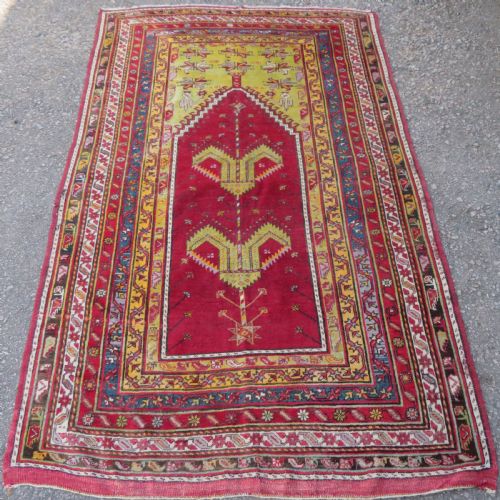
- A niche design element found on prayer rugs, representing the direction of prayer towards Mecca. This motif typically frames the upper section of regional Persian and Caucasian carpets.
- Gul
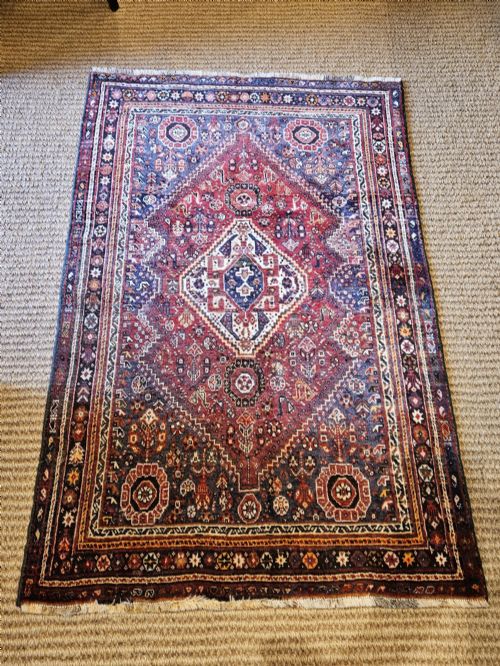
- A medallion or repeating octagonal motif utilised in Turkmen and Baluch tribal weaving. Each pattern identifies specific tribal lineages and regional design vocabularies.
- Kilim
- A flat-woven carpet produced without a pile, created by tightly interweaving warp and weft strands. These textiles offer a lighter alternative to knotted pile rugs.
- Selvedge
- The reinforced outer edge of a rug that prevents the side cords from unravelling. Secure finishing here protects the primary structure from heavy wear.
Wool Runner Area Rug: Frequently Asked Questions
Where should I place a wool runner?
These elongated floor coverings suit narrow corridors, staircases, and long entryways where foot traffic demands a durable textile. Their linear geometry helps define transitional spaces while adding insulation to timber or stone floors.
Protect the fibres from excessive direct sunlight and position an appropriate underlay beneath the textile to prevent slipping and reduce friction against the floorboards.
How do I clean an antique rug?
Regular gentle vacuuming without a rotating power brush removes surface dust trapped deep within the wool pile. Professional specialist cleaning remains essential for addressing deeper soil without damaging natural dyes.
Avoid chemical detergents or excessive moisture, as older wool fibres and natural mordants react poorly to harsh treatments. Address accidental spills immediately by blotting gently with a clean, dry cloth.
How do I identify regional rug styles?
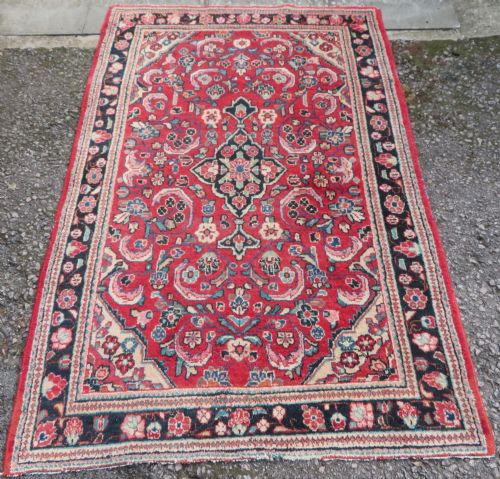
Regional attribution relies on examining specific motif structures, colour palettes, and knotting techniques unique to weaving centres such as Kazak, Bidjar, or Ushak. Geometric designs often indicate Caucasian or nomadic origins, whereas curvilinear patterns point towards established Persian town workshops.
Comparing the border arrangements and secondary ornamentation against documented tribal design archives clarifies the geographic source.
Can these rugs handle heavy daily use?
Traditional wool and camel hair constructions possess natural lanolin oils that resist dirt and withstand continuous foot traffic in domestic settings. The resilient nature of hand-spun pile fibres allows the material to spring back after compression.
Rotating the textile periodically ensures even wear distribution across high-traffic zones, preserving the balance of the pile over many years of domestic enjoyment.