


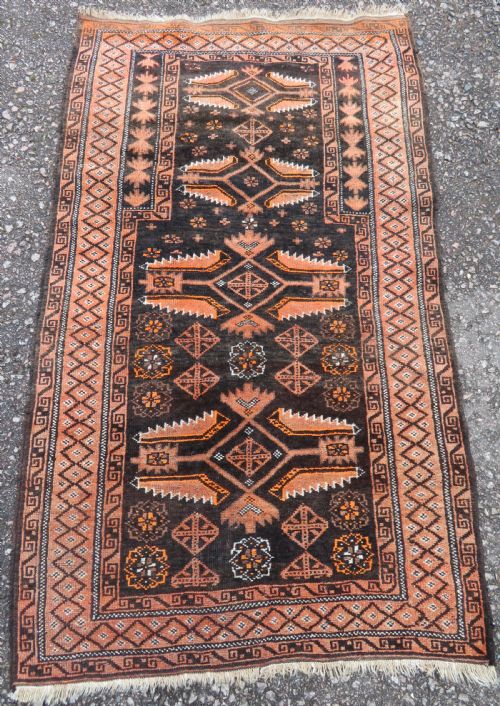
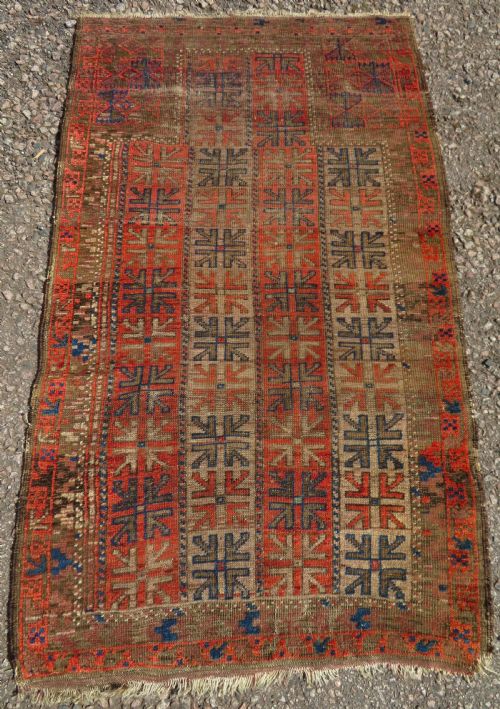

Tribal Afghan Area Rug
When you choose a tribal afghan area rug, you bring home a hand-woven piece of village history defined by rich motifs and enduring wool.
Tribal Afghan Area Rug
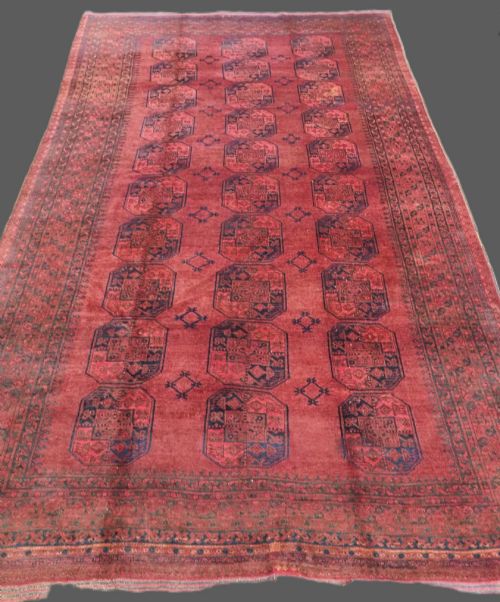
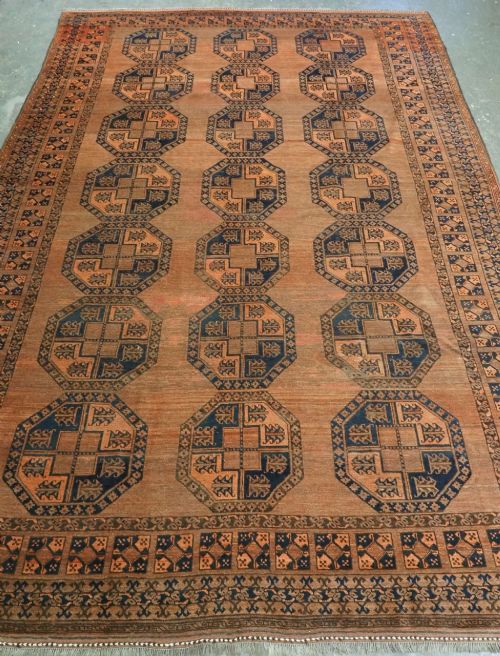
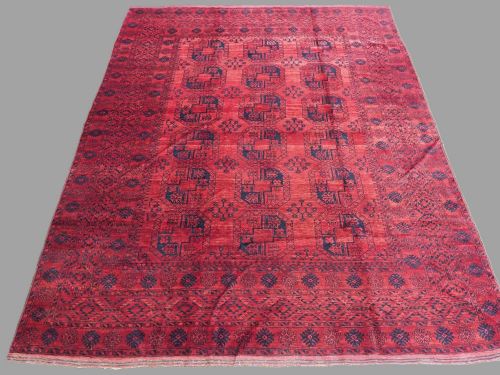
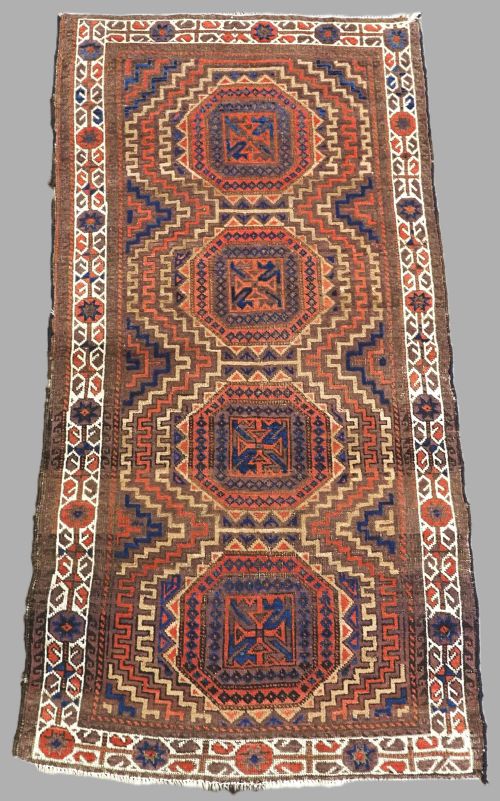
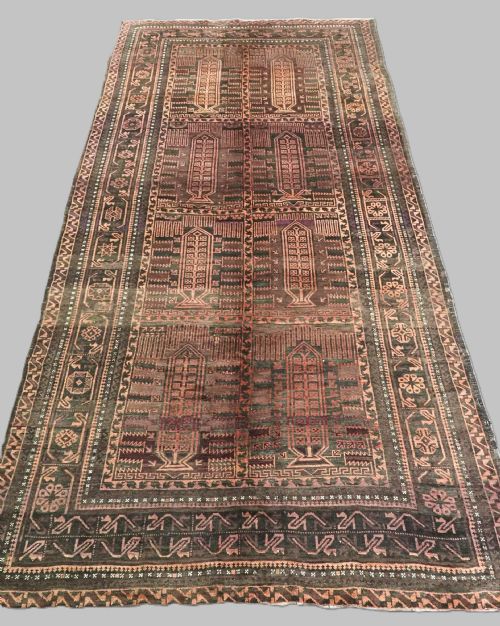
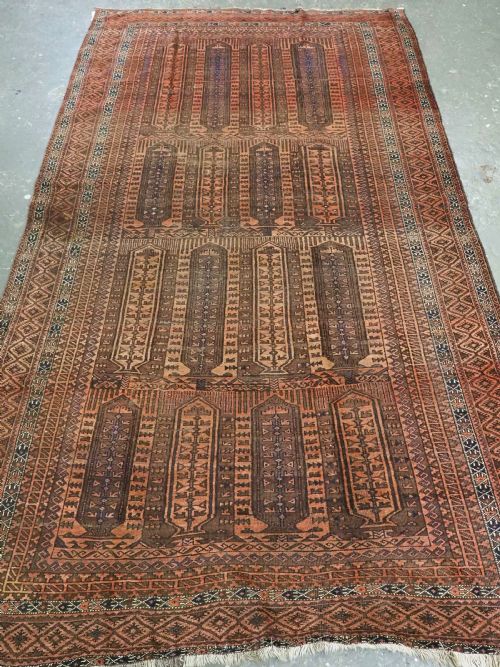
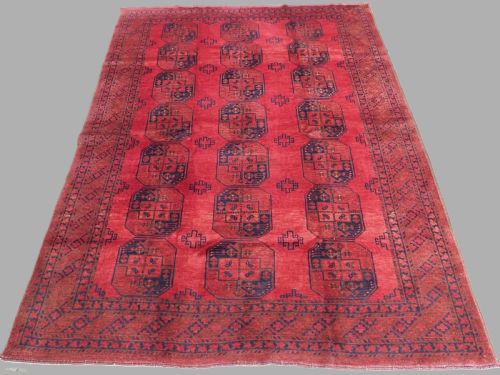
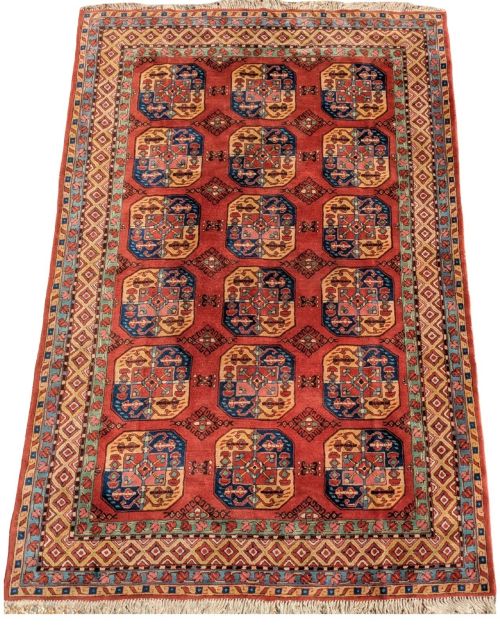
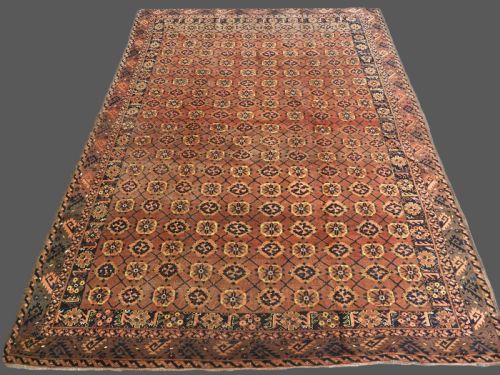
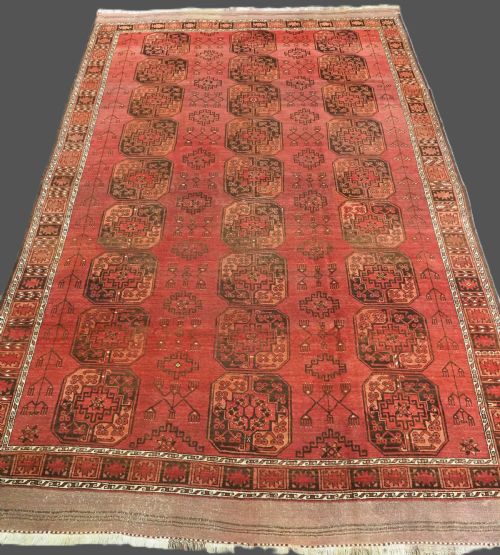
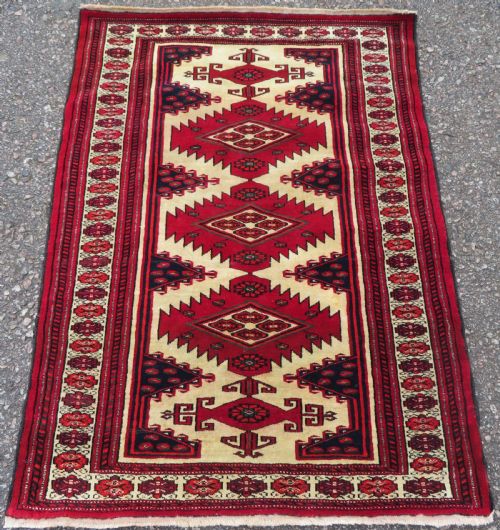
A tribal afghan area rug is a hand-knotted or flat-woven floor covering originating from nomadic and village traditions across Afghanistan and neighbouring border regions. Buyers hunting for this specific phrase typically encounter village and tribal carpets dating from the late nineteenth century up to the 1930s, often bearing traditional weavers' patterns.
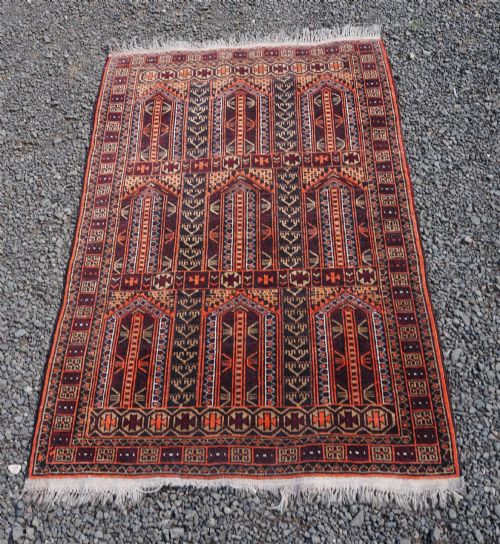
The most common examples on this page are Baluch, Ersari Turkmen, and Kizil Ayak carpets, alongside distinctive prayer rugs featuring mihrabs or mosque designs. These pieces range from compact mats to large room-size carpets, reflecting the diverse domestic and tribal output of the region during the late Victorian and Edwardian eras.
The designs draw heavily on regional heritage, showing geometric guls, animal motifs, and repeating field patterns that identify the specific tribal group who made them. Whether you find a small bedside mat or a substantial country house carpet, each item tells a story of traditional household weaving.
Materials and construction
Makers relied primarily on hand-spun wool for the pile, supplemented by cotton for foundations and occasional use of goat hair or horsehair for durable outer corded edges. This local wool provides a resilient surface that handles daily wear while developing a soft, faded patina over decades of use.
Natural dyes delivered the warm red, soft brown, and old gold colour palettes seen across these village carpets. Natural plant and mineral colourants settled deeply into the wool fibres, ageing gracefully without losing their fundamental character.
Tribal Afghan Area Rug Retail Price Guide 2026
Typical asking prices for tribal afghan area rug among the pieces listed under this phrase on Sellingantiques today, from the lower quarter to the upper quarter. They describe what is for sale here now, not the wider market.
The inventory spans the late nineteenth century through the 1930s, highlighting classic Baluch, Ersari, and Kizil Ayak tribal designs.
Separating the grades
Knot density and structural tightness set finer village carpets apart from heavier, simpler utility weaves. A precise, closely packed foundation ensures the pile stays upright and crisp over generations of foot traffic.
The clarity and balance of the traditional design motifs, from repeating guls to intricate double mihrabs, indicate the weaver's skill and artistic ambition. Superior examples maintain symmetrical proportions and harmonious natural dye variations across the entire field.
The Tribal Afghan Area Rug Glossary
- Gul
- A repeating octagonal or medallion motif commonly found in Turkmen and Afghan tribal weaving. These symbols often denote specific tribal lineages and family groups.
- Mihrab
- A niche design symbolising the direction of prayer, frequently appearing on prayer rugs and mosque-themed carpets. It guides the visual focus of the rug layout.
- Kilim
- A flat-woven carpet or rug made without a pile by tightly interweaving warp and weft strands. These pieces offer a lighter weight and distinct geometric surface patterns.
- Warp
- The vertical threads stretched tightly on the loom that form the structural skeleton of the rug. Fringe ends typically consist of these exposed foundation threads.
- Weft
- The horizontal strands passed through the warp threads to bind the knots in place. Proper weft tension ensures the structural stability of the finished textile.
Tribal Afghan Area Rug: Frequently Asked Questions
How do I clean an antique rug?
Gentle surface brushing and occasional professional specialist cleaning are best for preserving wool pile and natural dyes. Avoid harsh chemical detergents or soaking the vintage foundation.
Regular careful rotation prevents uneven sun fading and balances wear across high-traffic areas in your room.
Can I use these rugs on heated floors?
Natural wool and cotton materials generally tolerate moderate underfloor heating quite well without sustaining structural damage. Breathable natural underlays help maintain proper air circulation beneath the textile.
Keep an eye on humidity levels to prevent the dry heat from making the older wool brittle over time.
What is a prayer rug used for?
Traditional prayer rugs were woven with specific niche designs to be portable mats for daily devotional use. Their compact dimensions made them easy to roll, transport, and lay down wherever needed.
Today, collectors appreciate these smaller formats as decorative wall hangings or striking focal points in hallways and smaller rooms.
How do I identify a Baluch rug?
Baluch carpets typically feature darker palettes, geometric camel designs, and distinctive 'kalam donneh' or pencil box motifs. Their wool often has a glossy handle combined with dark goat hair selvedges.
Examining the weave structure and specific tribal border patterns helps distinguish them from neighbouring Turkmen and Ersari village output.