
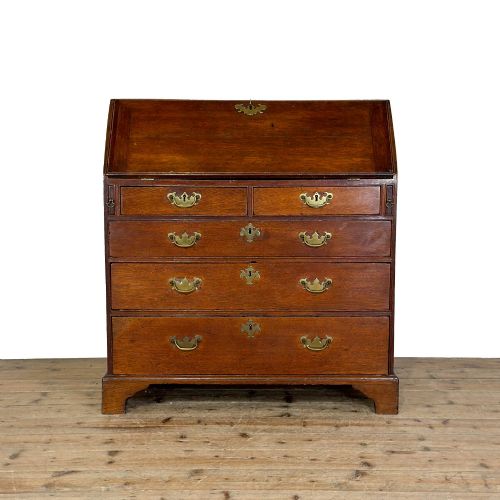
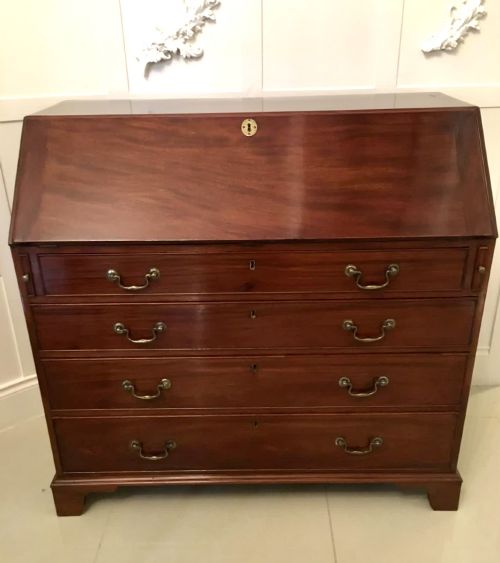
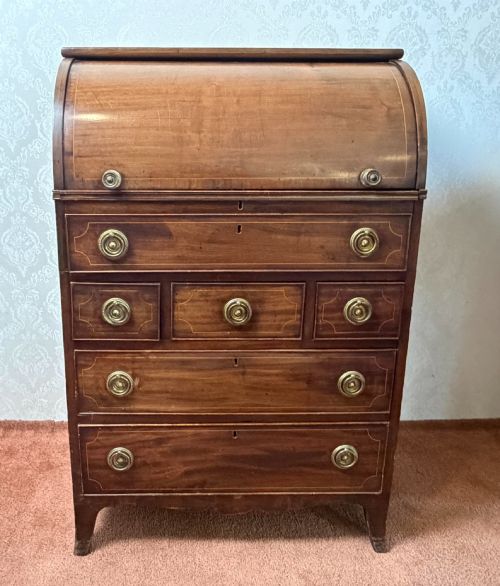
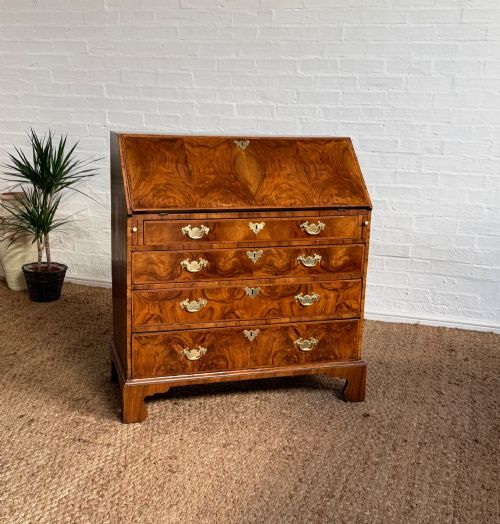
Traditional Writing Desk Cabinet
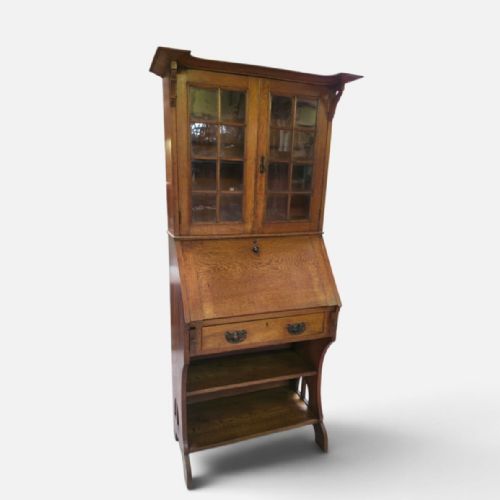
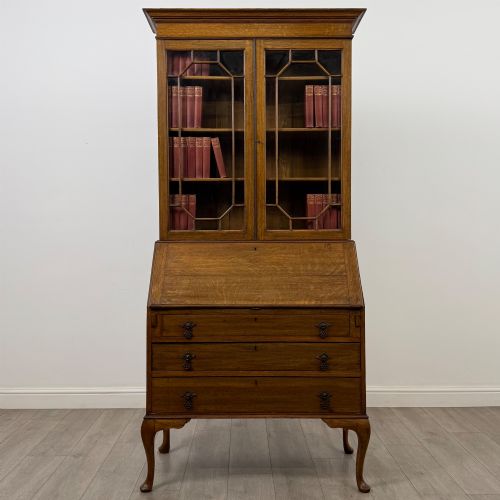
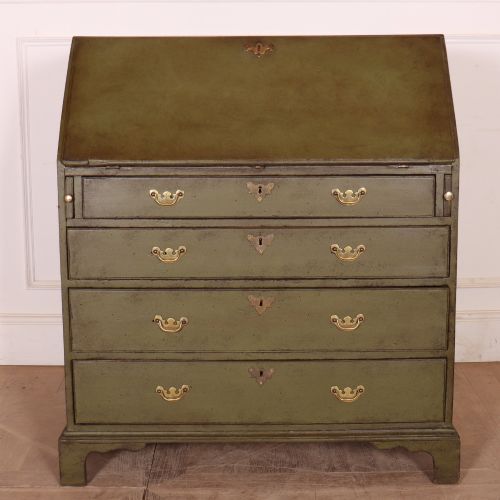
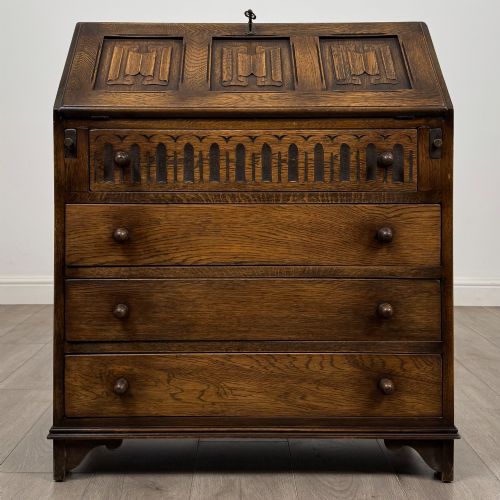
A traditional writing desk cabinet is a fitted timber workstation designed for correspondence and storage, combining a writing surface with drawers or shelving.
Traditional Writing Desk Cabinet
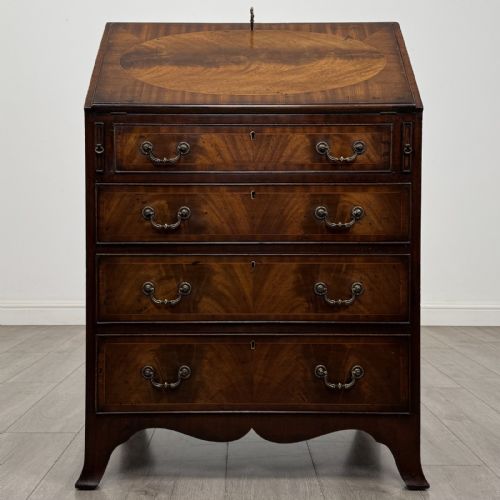
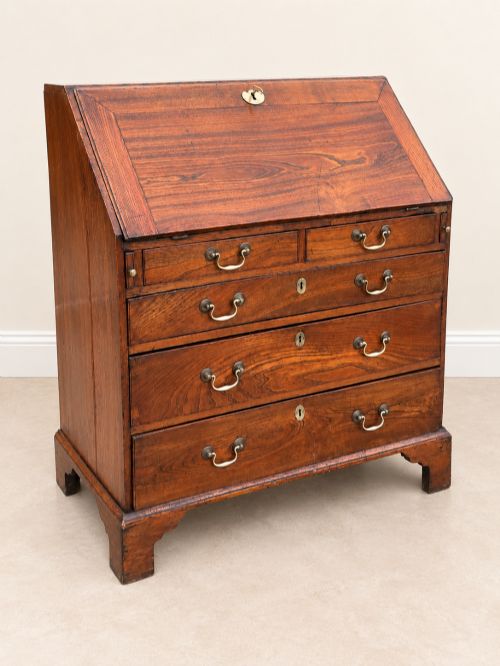
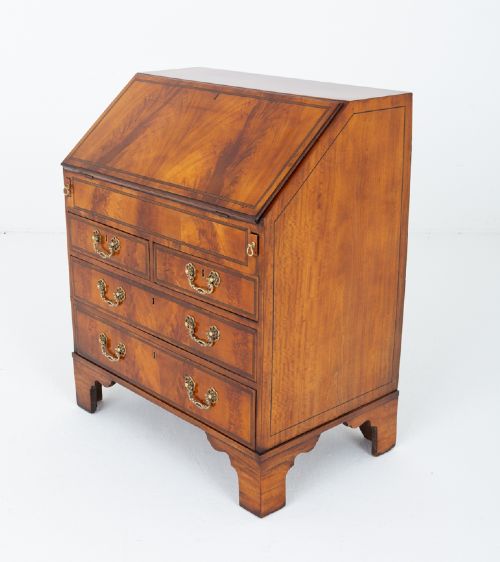
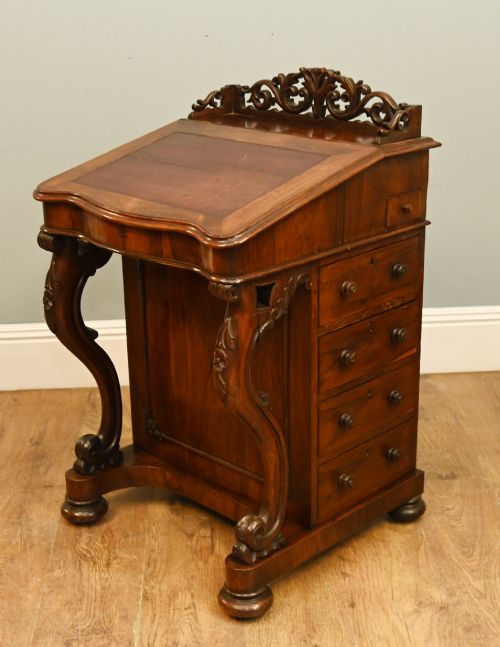
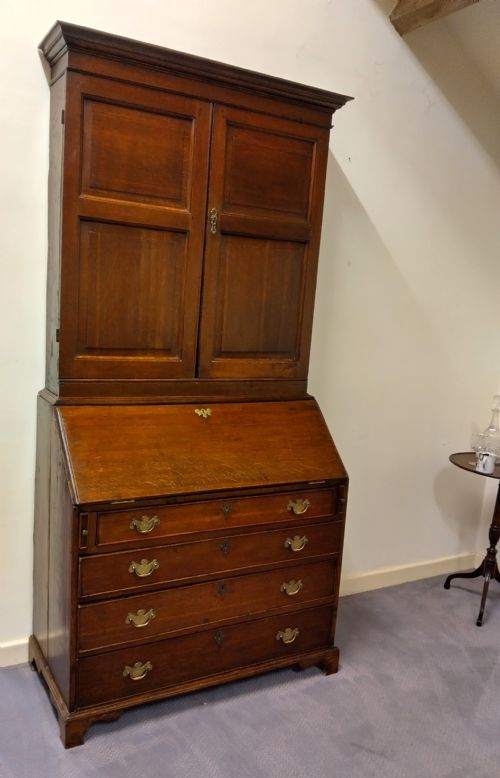
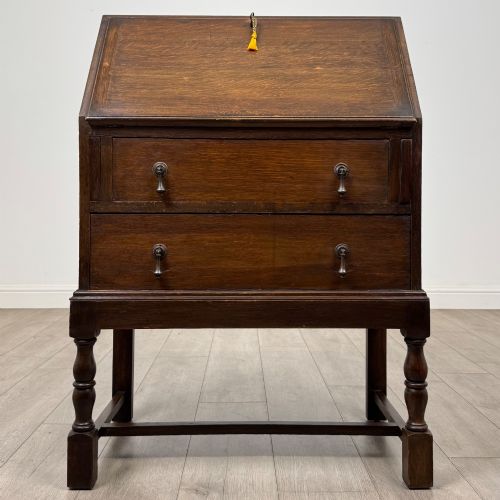
A traditional writing desk cabinet encompasses various forms designed for storage and correspondence, ranging from compact desk boxes and davenports to large bureau bookcases.
The pieces listed here span multiple periods including the 18th century, Georgian era, 19th century, Victorian period, and Edwardian times.
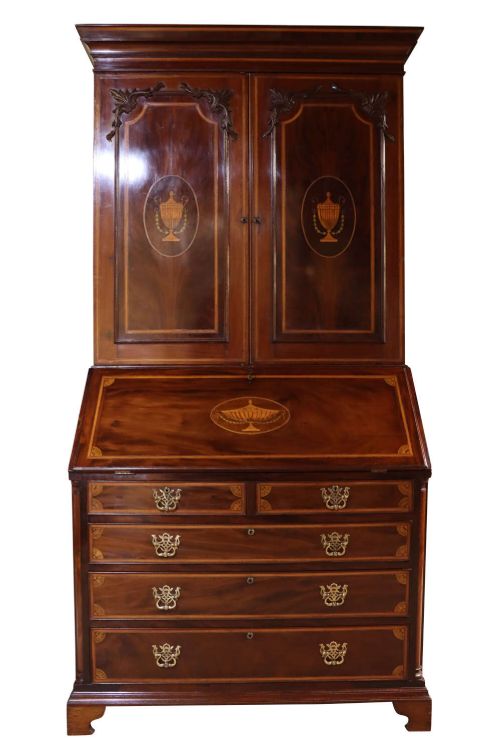
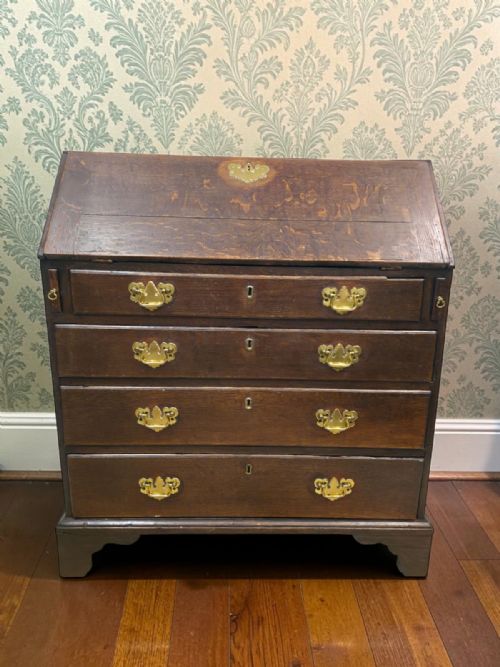
Buyers frequently encounter oak and mahogany examples constructed as bureau bookcases or fall-front bureaux across these stylistic periods.
Materials and construction methods
Cabinet makers utilised solid timbers and veneers such as oak, mahogany, walnut, burr walnut, and rosewood, often enhanced with brass hardware and leather writing surfaces.
Construction techniques include traditional joinery, carved linenfold panels, inlaid decorative motifs, and specialised mechanisms for fall-fronts and tambour shutters.
Listings feature oak, mahogany, walnut, and pine examples across Georgian, Victorian, and Edwardian periods.
Distinctions in construction and design
Quality varies according to the selection of timber, such as figured walnut or burr elm, and the precision of inlaid details and marquetry work.
The refinement of internal pigeonholes, drawer configuration, and the integrity of structural joinery distinguish standard utilitarian items from finer cabinet work.
Gillow & Co·J A Mein Edinburgh
The Traditional Writing Desk Cabinet Glossary
- Bureau
- A desk with a sloping hinged lid that covers a compartment for papers and drawers. They often feature fitted pigeonholes inside.
- Bureau bookcase
- A tall piece combining a bureau desk base with an upper section enclosed by doors for shelving books. These units offer substantial vertical storage.
- Davenport
- A small compact desk featuring a sloping desktop and drawers opening to the side. They emerged during the Regency and Victorian periods.
- Tambour
- A sliding shutter made of narrow vertical strips of wood glued to canvas. It conceals writing compartments on specific desks.
- Secretaire
- A piece of furniture containing a drawer or compartment that pulls down to form a writing surface. They frequently integrate into bookcases or chests.
Traditional Writing Desk Cabinet: Frequently Asked Questions
What is a bureau bookcase?
A bureau bookcase combines a lower writing desk featuring a sloping fall-front with an upper shelving unit enclosed by doors.
These combination pieces provide both working space and enclosed storage for books and documents.
How do I use a Davenport desk?
A Davenport desk provides a compact writing slope on top with a bank of drawers opening to the side.
The interior compartments store writing materials while the top surface supports daily correspondence.
What timbers were used?
Cabinet makers built these pieces using solid timbers and veneers including oak, mahogany, walnut, burr walnut, rosewood, and pine.
Details often incorporated brass handles, leather writing inserts, and decorative wood inlays.
How do I identify a Georgian bureau?
Georgian bureaux typically feature solid oak or mahogany construction with fitted internal drawers and pigeonholes behind a fall-front.
They display the proportion, timber grain, and joinery methods characteristic of 18th and early 19th century cabinet making.