


Traditional Wooden Table Lamp
A traditional wooden table lamp brings warmth and character to a room, offering functional lighting through finely turned timber and classic proportions.
Traditional Wooden Table Lamp
The selection ranges from converted nineteenth-century oak lamp bases and Victorian walnut turned pedestals to twentieth-century limed oak and carved timber designs. Many examples reflect revivalist movements, drawing stylistic cues from Georgian, Edwardian and Jacobean aesthetics.
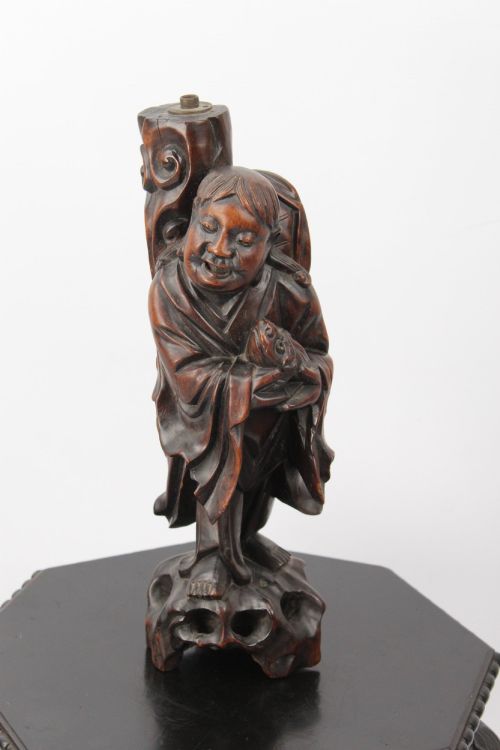
Alongside British craftsmanship, the listings encompass global influences including Anglo-Indian, Kashmiri and Chinese carved forms repurposed for illumination. These objects combine practical utility with distinct period craftsmanship.
How they were made
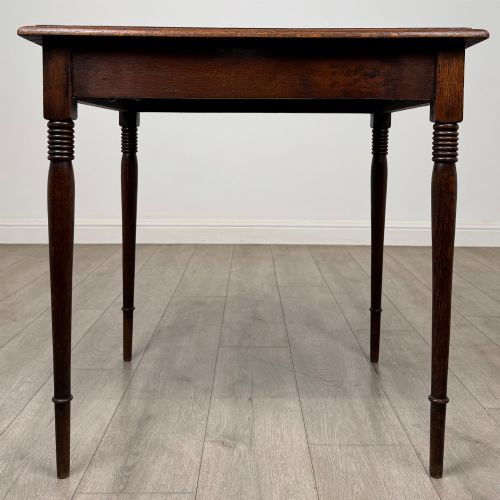
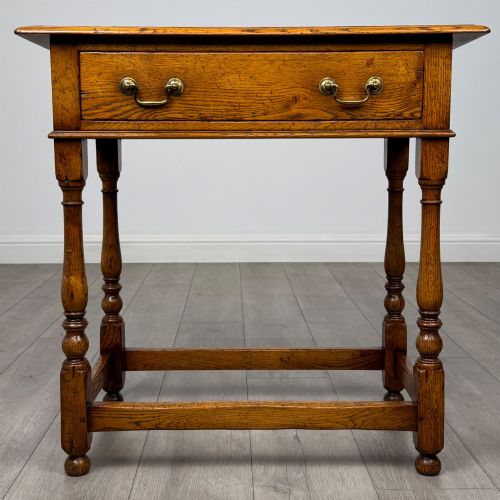
Constructed primarily from solid timbers such as mahogany, oak, walnut, cherry and elm, these pieces rely on traditional joinery and turning techniques. Craftsmen utilised lathes to shape cylindrical stems like barley twists and bobbin legs, while others integrated brass fittings and fabric elements.
Surface treatments vary from polished mahogany and golden oak to limed finishes and gilt highlights on timber. The integration of structural wood with turned details demonstrates the emphasis placed on durability and decorative appeal by period makers.
Even Daoist immortals occasionally moonlight as domestic illumination when carved figures cross paths with inventive electricians.
What varies in quality
Quality rests in the selection of the timber and the crispness of the turned or carved details. Denser hardwoods like mahogany and walnut with rich grain patterns command attention, as do finely executed bobbin legs and Corinthian motifs.
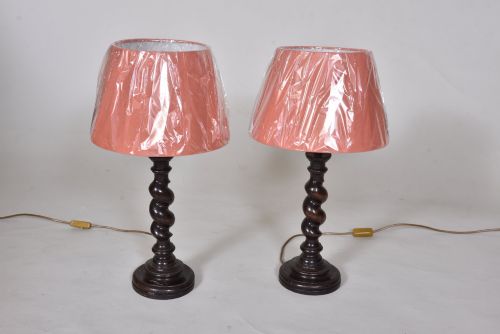
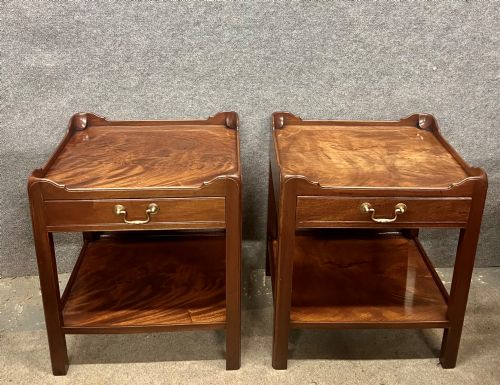
Proportion and structural integrity differentiate everyday pieces from exceptional examples. A well-balanced silhouette and harmonious pairing, particularly in matched sets of lamp bases, elevate the stature of the object.
The Traditional Wooden Table Lamp Glossary
- Bobbin turnings
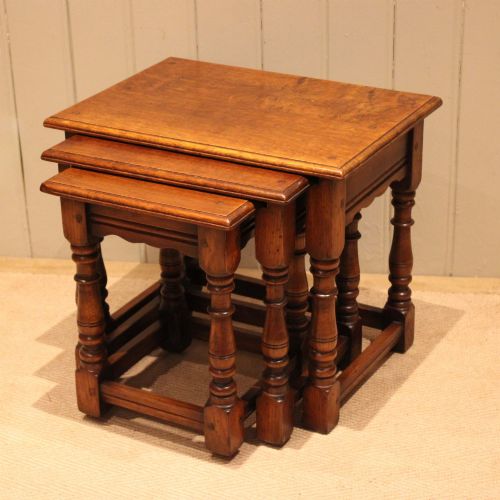
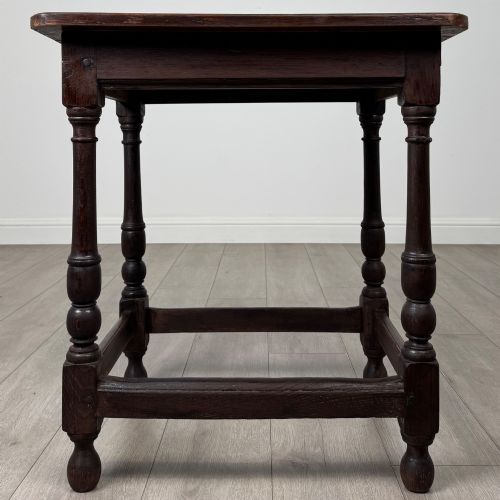
- A form of woodturning characterised by a series of rounded, spool-like shapes carved along the length of a leg or stem. This technique gained popularity during the seventeenth century and saw revivals in the Victorian era.
- Barley twist
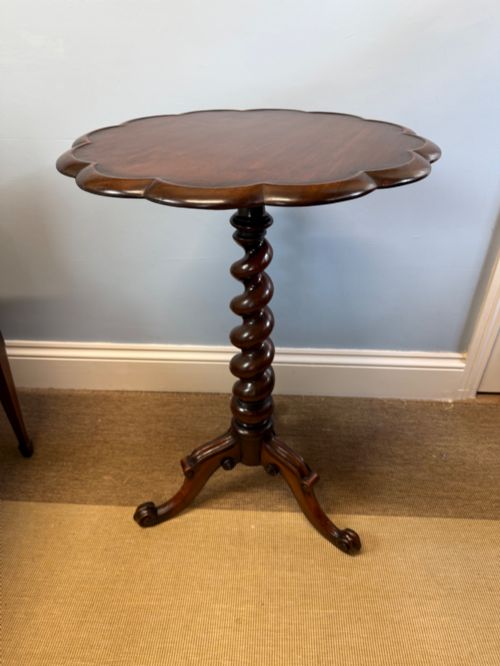
- A helical wooden turning resembling a twisted rope, frequently found on the pedestals and legs of nineteenth-century tables and lamp bases. It adds dynamic movement and depth to the timber.
- Cricket table
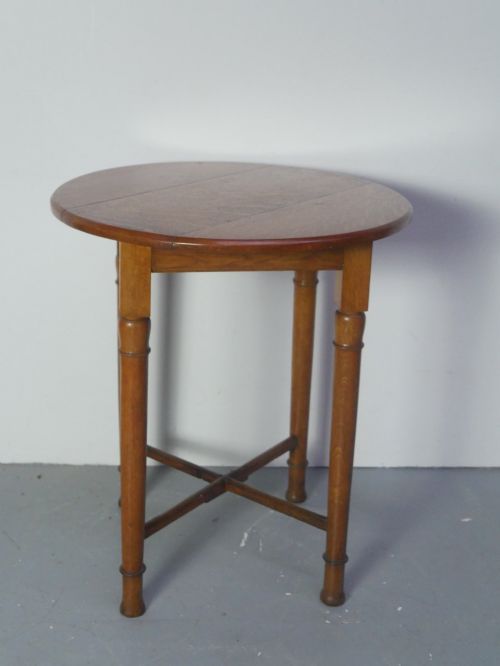
- A small, three-legged occasional table traditionally featuring a round wooden top and pegged legs. This utilitarian form adapts well to compact spaces and displays domestic vernacular charm.
- Occasional table
- A versatile small table designed for flexible placement around a living space. These pieces frequently serve as the structural basis for lamp adaptations.
- Georgian revival
- An architectural and decorative style from the early twentieth century that reinterprets eighteenth-century furniture forms. It emphasises symmetry, classical proportions and mahogany construction.
Traditional Wooden Table Lamp: Frequently Asked Questions
How do I identify the age of a wooden lamp?
Dating relies on examining the timber species, turning styles and construction methods. Nineteenth-century examples often feature dense oak, walnut or mahogany with hand-turned details like bobbin legs or barley twists.
Later pieces from the Edwardian period or the 1920s tend to show lighter oak finishes, such as limed oak, or adopt specific revivalist styles that reflect the tastes of their era.
Are these lamps converted from other objects?
Many traditional wooden table lamps originate from pieces such as candlesticks, pedestals or smaller table bases adapted over time for electrical lighting. This practice preserves quality timber forms while giving them a new functional role in contemporary interiors.
Evidence of prior use can sometimes be seen in altered central shafts or fitted brass hardware integrated during the conversion process.
What woods were commonly used?
Oak and mahogany appear most frequently, valued for their strength, rich colour and prominent grain patterns. Walnut and elm also feature strongly, particularly in Victorian and earlier vernacular pieces.
Exotic and regional timbers such as lignum vitae and cherry add variety, showcasing the diverse material choices available to historical makers.
How do I style a traditional lamp at home?
These lamps integrate easily into both classic and contemporary spaces, anchoring side tables, chests or desks with natural warmth. Pairing them with neutral fabric shades allows the turned wooden bases and grain patterns to remain the focal point.
Matching pairs work well on larger console tables or sideboards to create symmetry and balanced illumination within a room.