


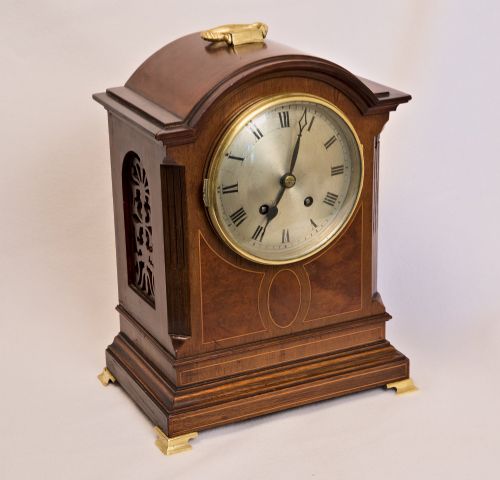


Traditional Wooden Shelf Clock
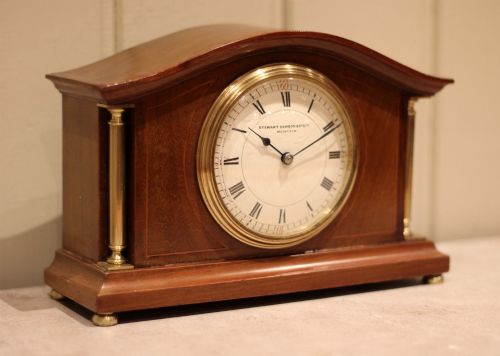
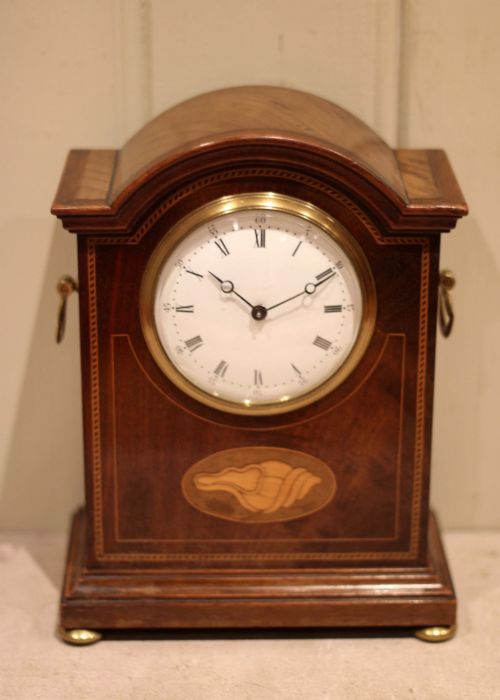
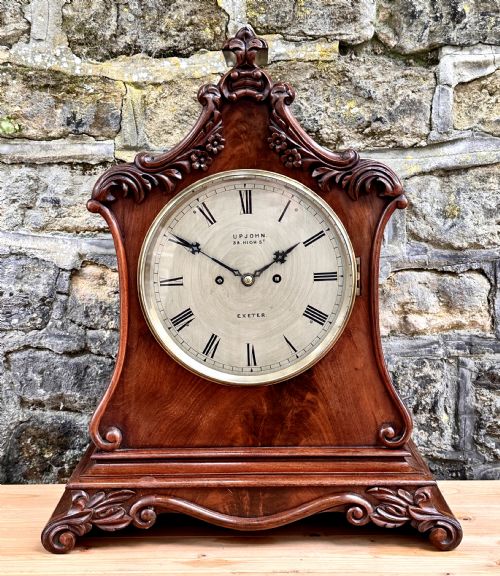
A traditional wooden shelf clock sits upon the mantelpiece or bracket, bringing movement and warmth into a room through rich timber and ticking brass.
Traditional Wooden Shelf Clock
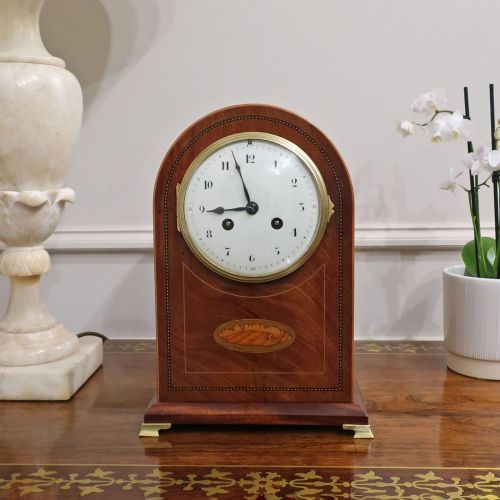
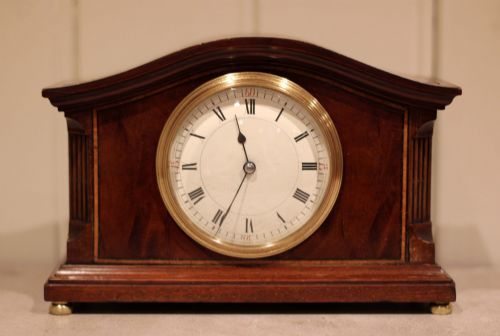
A traditional wooden shelf clock is a timepiece designed to rest securely upon a mantel, bracket, or shelf. When searching for a traditional wooden shelf clock, buyers encounter pieces originating from the nineteenth and twentieth centuries, spanning periods such as Victorian, Edwardian, and the Art Deco era.
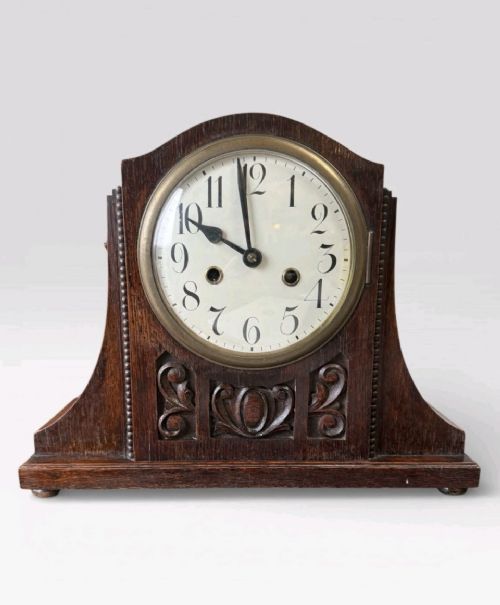
The forms vary from simple timepiece mantel clocks to more elaborate bracket clocks and striking mantel clocks. Materials include mahogany, oak, walnut, and satinwood, frequently paired with brass and glass components.
Makers and retailers represented in the listings include H.A.C., Elliott, Connell of London, Piggin Norwich, Jas Whitelaw of Edinburgh, Walker and Hall, and Funnell of Brighton. Regional pieces range from English traditional styles to Black Forest and French designs.
Materials and Construction
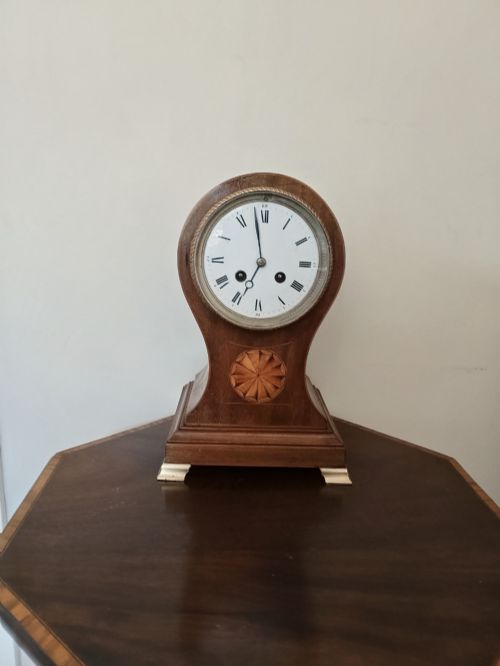
Cases are predominantly constructed from dense hardwoods such as mahogany, oak, walnut, and rosewood, sometimes accented with delicate satinwood inlay or floral motifs like poppies. These timbers are selected for stability and grain pattern, forming architectural shapes including lancet tops and balloon silhouettes.
Internal movements rely on brass mechanisms, often driven by pendulum regulation or fusee movements, and are protected behind glass panels and bezels. Dials feature enamel or metal faces, marking the hours through mechanical timekeeping systems developed by skilled clockmakers.
Distinctions in Quality
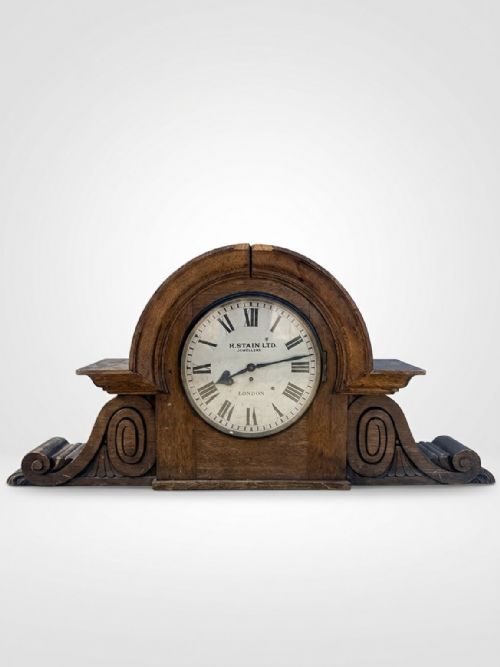
Quality in these timepieces rests upon the precision of the timber selection and the sophistication of the cabinetry. Pieces featuring figured walnut, finely executed satinwood inlay, or substantial carved oak stand apart from simpler iterations.
The reputation of the maker, such as London or provincial retailers and specialised horological firms, elevates a piece significantly. Furthermore, the complexity of the movement - ranging from basic timepieces to striking and Westminster-chime mechanisms - defines the upper tiers of the range.
German H.A.C.·Elliott·Connell of London·Piggin Norwich·Jas Whitelaw of Edinburgh·Walker and Hall·Funnell of Brighton
The Traditional Wooden Shelf Clock Glossary
- Bracket clock
- A portable clock originally designed to sit on a wall bracket to improve its sound and visibility. Modern usage often applies the term to any fine table or mantel clock with a traditional wooden case.
- Fusee
- A conical pulley connected to the mainspring by a cord or chain, designed to equalise the torque of the mainspring as it unwinds. This mechanism ensures more consistent timekeeping throughout the duration of the wind.
- Lancet top
- A clock case design featuring a pointed, arched top reminiscent of Gothic architectural lancet windows. This silhouette became particularly popular during the Edwardian period.
- Westminster chime
- A melodic quarter-hour chime pattern associated with the clock tower at the Palace of Westminster. Clocks featuring this mechanism play progressive portions of the tune on multiple gongs before sounding the hour.
- Timepiece
- A horological term specifically denoting a clock that measures and indicates time without striking bells or gongs. These simpler movements focus purely on the visual and mechanical recording of hours and minutes.
Traditional Wooden Shelf Clock: Frequently Asked Questions
Where should I place a shelf clock?
These clocks are designed to rest securely on a flat surface such as a mantelpiece, sideboard, or dedicated wall bracket. Ensure the location is level so the pendulum swings evenly and the movement maintains accurate time.
Keep the clock away from direct heat sources and damp environments to protect the wooden case and delicate internal brass components from warping or corrosion.
What is the difference between a timepiece and a striking clock?
A timepiece simply indicates the hours and minutes without producing any sound. It contains a straightforward movement focused entirely on accurate timekeeping.
A striking clock includes an additional mechanism that sounds the hours, and sometimes the quarters, using gongs, bells, or chimes like the Westminster melody.
How do I identify an Edwardian wooden clock?
Edwardian clocks, produced in the opening decade of the twentieth century, frequently utilise solid or inlaid mahogany and walnut cases. Their styling often reflects refined traditional aesthetics with subtle satinwood stringing or decorative inlay.
They appear in various forms, including lancet tops and balloon shapes, often housing reliable mechanical movements driven by pendulums.
What does a fusee movement mean?
A fusee movement incorporates a conical pulley that moderates the power delivered from the mainspring to the gear train. As the mainspring loses tension, the chain moves to a wider part of the cone to maintain even power.
This traditional mechanism represents a higher standard of horological craftsmanship, ensuring the clock runs with consistent accuracy throughout its winding cycle.