


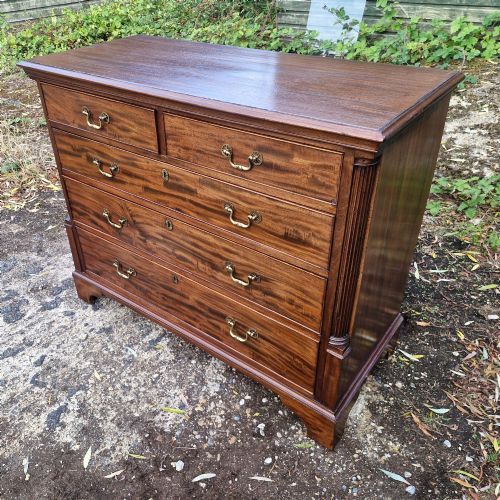
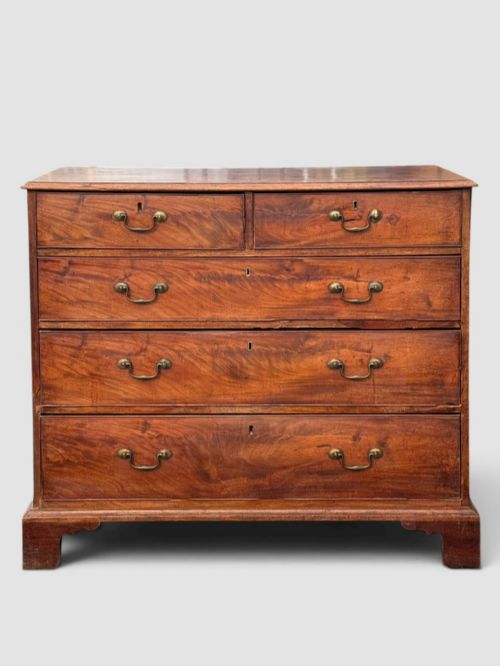
Traditional Wooden Dresser
A traditional wooden dresser provides substantial storage and display, bringing character and practical function to domestic spaces through enduring materials.
Traditional Wooden Dresser
A traditional wooden dresser encompasses various forms such as kitchen dresser bases, potboard dressers, sideboards, and chests of drawers from different periods. Buyers searching for a traditional wooden dresser frequently encounter pieces ranging from early Georgian golden oak examples to Victorian pine storage furniture.
The selections span distinct historical eras including the 18th century, the Regency period, the Victorian era, and the Edwardian period. Formats vary from tall five-height chests of drawers to low serpentine fronts and Welsh pine kitchen bases with original patina.
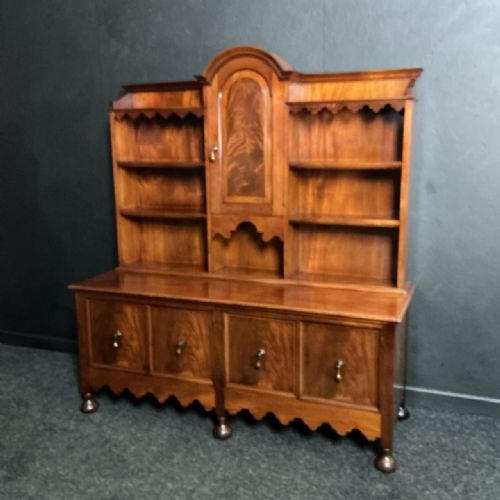
Makers and regional workshops produced these items to serve specific household storage needs, utilising timber frames that survive in varying states of preservation. Many pieces combine display shelving or plate racks with robust lower cabinetry.
Materials and construction methods
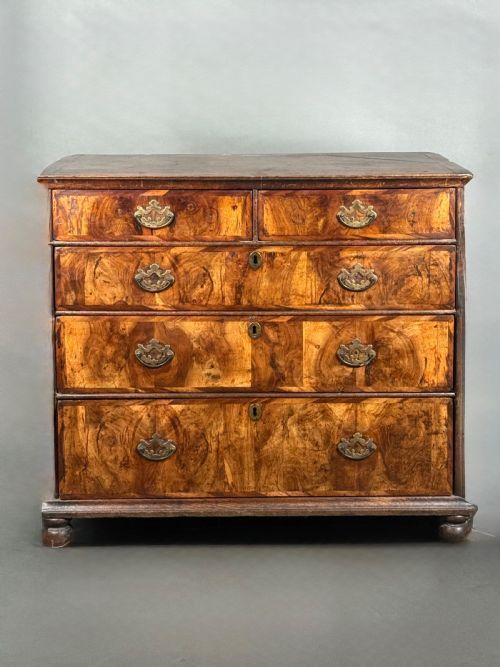
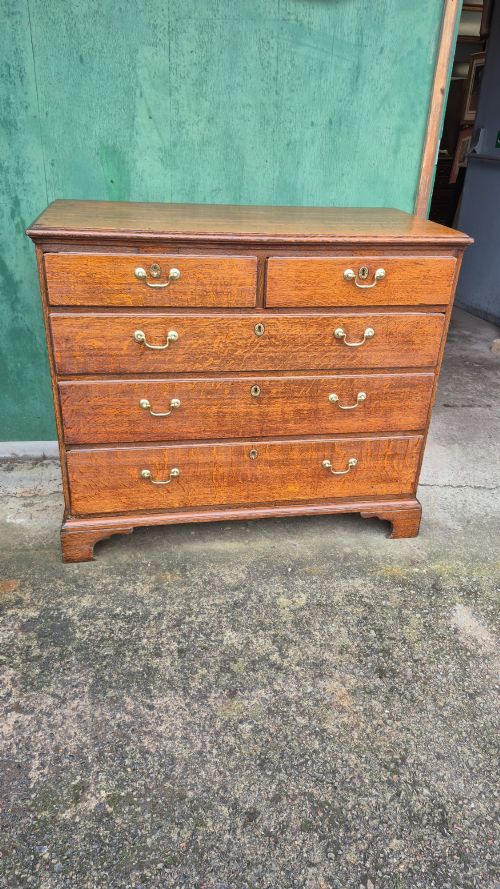
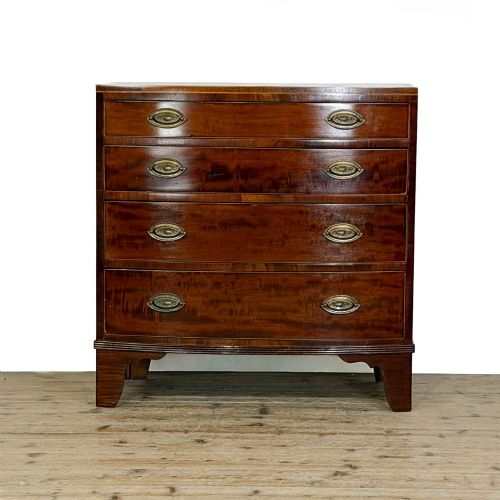
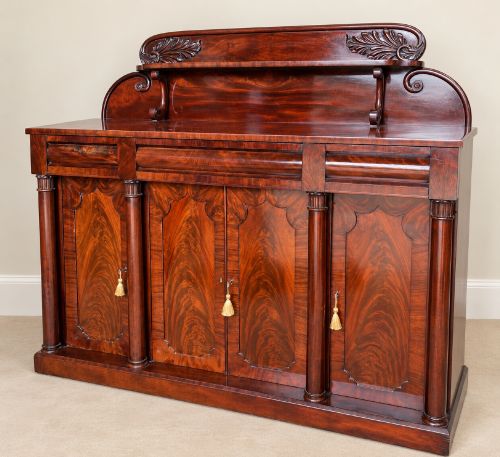
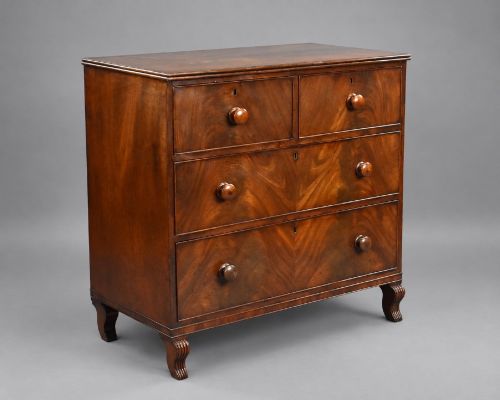
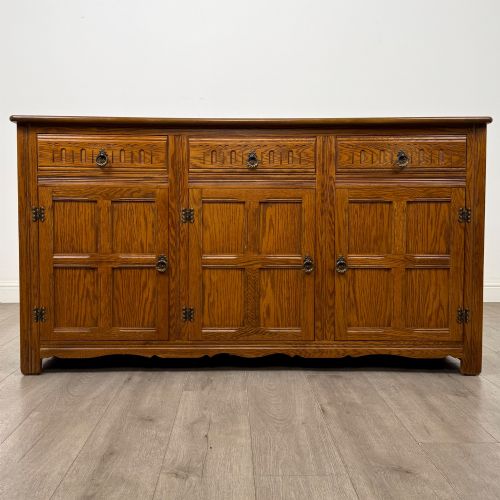
Cabinetmakers utilised hardwoods such as mahogany, oak, walnut, and yew alongside softer timbers like pine to construct these storage items. Flame mahogany veneer provided decorative surfaces on refined chests, whilst solid oak and scrubbed pine served utility furniture.
Hardware details typically included brass handles and drawer pulls mounted securely to timber drawer fronts. Construction techniques incorporated traditional joinery methods suited to the respective period, ensuring structural stability across decades of domestic use.
Current listings feature pieces constructed from mahogany, oak, pine, walnut, and yew wood across Georgian, Victorian, and Edwardian eras.
Evaluating quality and finish
The grade of timber and the preservation of original surfaces distinguish finer examples from standard utility pieces. Figured walnut, flame mahogany, and golden oak display distinct grain patterns that elevate the visual presence of the furniture.
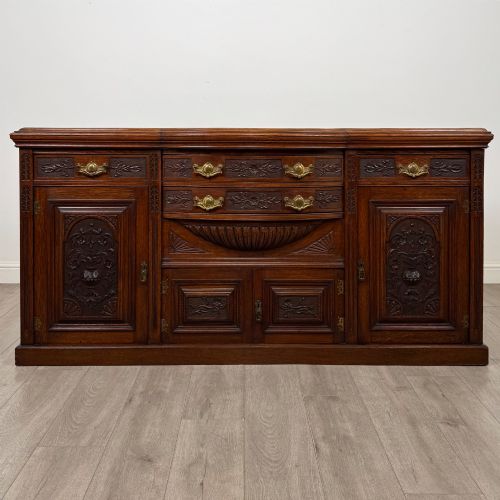
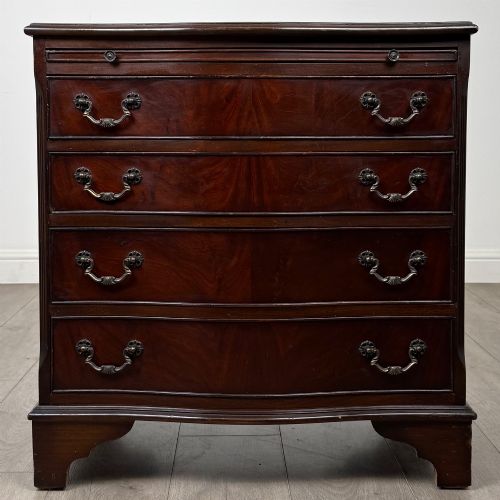
The retention of original patina, such as waxed finishes on pine or polished surfaces on Georgian mahogany, determines the integrity of the piece. Subtle details like carved ornamentation or serpentine drawer fronts indicate higher levels of craftsmanship.
Jas Shoolbred
The Traditional Wooden Dresser Glossary
- Potboard dresser
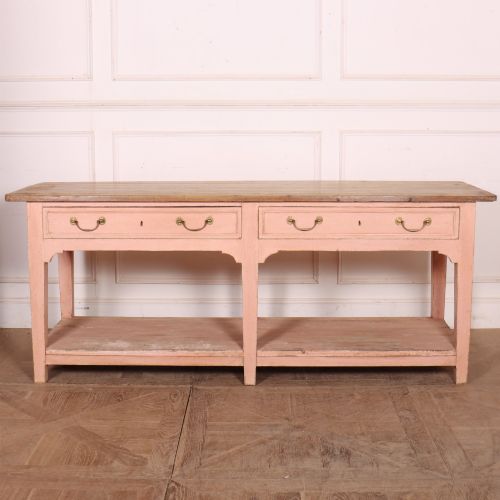
- A traditional kitchen base featuring an open lower shelf for storing pots and earthenware. These rustic items often originate from farmhouse settings.
- Flame mahogany veneer
- A thin slice of mahogany timber exhibiting a fiery, undulating grain pattern applied to the outer surfaces of premium case furniture. It creates a highly decorative visual effect.
- Bow front
- A convex, curved front profile found on certain chests of drawers and sideboards. This style became particularly popular during the Georgian and Victorian periods.
- Serpentine front
- A furniture front characterised by a concave central section flanked by two convex ends, or the reverse. This undulating shape requires advanced woodworking skill.
- Linenfold
- A style of carved wood panelling resembling folded cloth, frequently seen on oak furniture from the revival periods. It adds architectural texture to cabinet doors and drawer fronts.
Traditional Wooden Dresser: Frequently Asked Questions
What is a traditional wooden dresser?
A traditional wooden dresser is a piece of furniture designed for storage and display, encompassing kitchen bases, sideboards, and chests of drawers.
These items were constructed from timbers like oak, mahogany, and pine across eras spanning the Georgian, Victorian, and Edwardian periods.
How do I identify a Victorian pine chest?
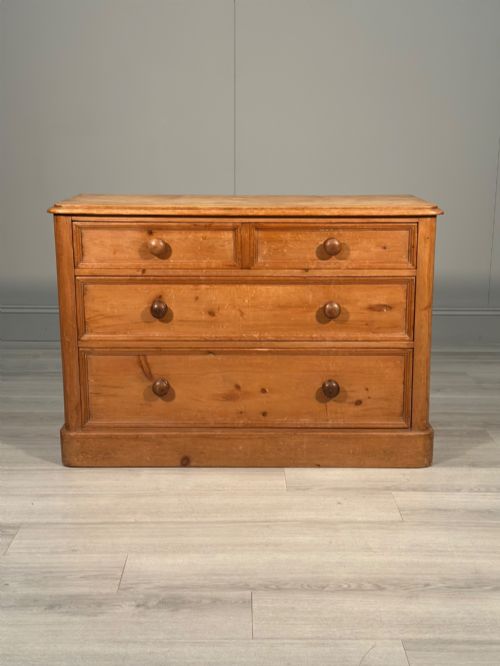
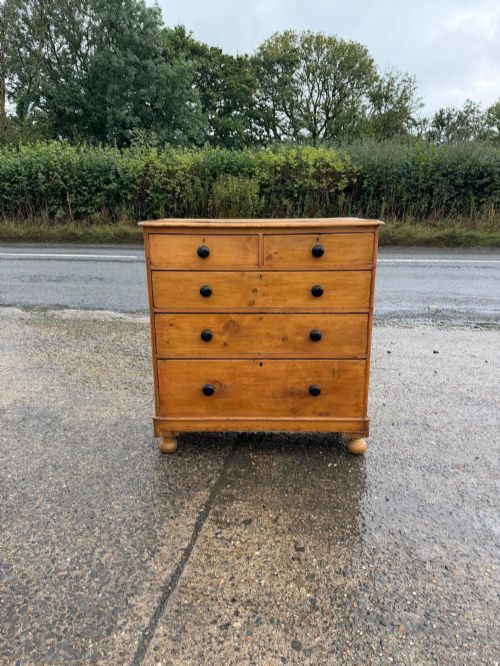
Victorian pine chests typically feature straightforward rectilinear construction, sometimes with scrubbed surfaces or waxed finishes.
Key indicators include drawer configurations such as two small drawers over three large ones, often fitted with wooden bun handles or brass hardware.
What is a potboard dresser base?
A potboard dresser base is a heavy timber sideboard originating from farmhouse kitchens, featuring an open shelf near the floor.
This lower platform was designed specifically for storing heavy cooking pots and domestic utensils within easy reach of the hearth.
How should I care for antique wood furniture?
Maintain antique wooden surfaces by keeping them away from direct sunlight and sudden temperature fluctuations to prevent timber splitting.
Apply occasional appropriate wax polish to nourish the grain and preserve the historic patina without using harsh chemical cleaners.