
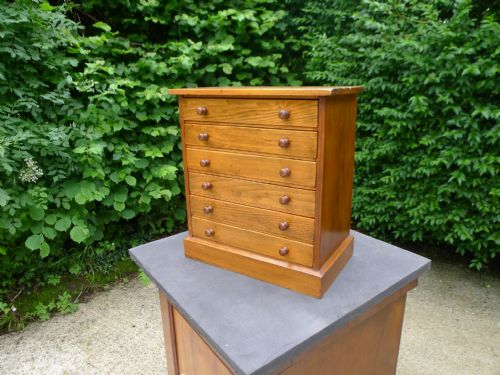


Satin Walnut Chest
A satin walnut chest brings pale, figured timber to the bedroom, offering generous storage with a distinctively luminous grain.
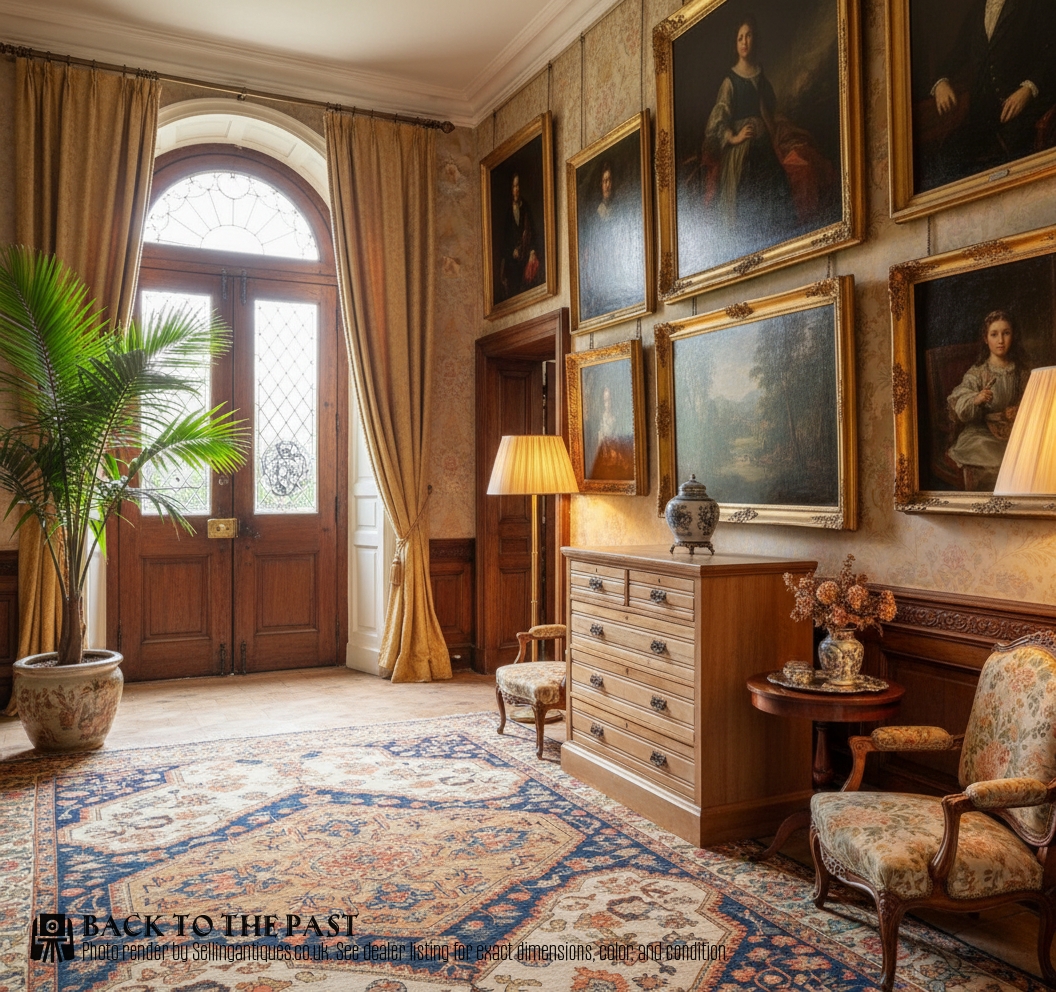
Satin Walnut Chest
A satin walnut chest is a storage piece constructed primarily from the lustrous, fine-grained heartwood of the American sweet gum tree, which gained popularity in British cabinet making during the late nineteenth and early twentieth centuries. When searching for a satin walnut chest, buyers encounter numerous forms spanning standard drawer configurations, bedside cabinets, and dressing chests.
The pieces appearing on this page date predominantly from the Victorian and Edwardian eras, alongside items from around nineteen hundred to nineteen twenty. Alongside traditional chests of drawers, the selection includes collector cabinets, wardrobes, and dressing tables that utilise the same pale timber.
Victorian examples often display heavier proportions and darker tones, while Edwardian pieces tend towards lighter finishes and simpler lines. Some items incorporate companion timbers such as maple, satin birch, or brass hardware, reflecting the decorative preferences of their respective decades.
How they were made
Cabinet makers constructed these pieces using solid satin walnut or applied veneers over secondary timbers, often pairing the lustrous main wood with contrasting materials like maple and satin birch for interior drawer linings or decorative banding. Metal elements such as brass handles, key escutcheons, and hinges provided functional detail.
Joinery techniques relied on traditional dovetailed drawer construction and mortise and tenon frames, ensuring structural durability across multi-drawer chests and large wardrobes. Surfaces were typically finished with French polish or clear varnishes to protect the wood while accentuating its natural figure.
Several items on this page double as sentry box combination wardrobes, proving that Victorians loved multitasking furniture just as much as we do.
What varies in quality
Quality in these pieces rests heavily on the depth and activity of the wood grain, with more desirable items showing rich figuring across large, uninterrupted drawer fronts rather than plain or heavily stained surfaces. The crispness of the original mouldings and the retention of matching brass or glass hardware also separate standard utility items from finer workshop output.
Construction standards differ between mass-produced factory pieces and those bearing identifiable maker stamps, where tighter joinery, secondary timber selection, and thoughtful proportioning elevate the piece. The integrity of the polish and the smooth action of the drawers indicate the level of care taken during original manufacture.
Heals·H Goodall·James Shoolbred
The Satin Walnut Chest Glossary
- Satin walnut
- The timber of the American sweet gum tree, known for its warm, pale brown colour and distinctive shimmering grain pattern. It became a popular alternative to more expensive hardwoods in late nineteenth century furniture.
- Edwardian
- The period of British furniture design spanning the reign of King Edward VII, roughly from nineteen hundred to nineteen ten. Pieces from this era generally exhibit lighter proportions and simpler decorative schemes than their Victorian predecessors.
- Victorian
- The era encompassing the reign of Queen Victoria, running through the nineteenth century until nineteen hundred. Furniture from this period spans robust revival styles through to the early influences of the Arts and Crafts movement.
- Dressing chest
- A chest of drawers fitted with an attached mirror and often small jewellery drawers on top. These pieces combine bedroom storage with a surface for grooming.
- Collector cabinet
- A specialised small-drawer cabinet designed for organising specimens, coins, or small objects. These items typically feature multiple shallow drawers enclosed by a door or held within a compact case.
Satin Walnut Chest: Frequently Asked Questions
How do I date a satin walnut chest?
Dating these pieces involves looking at construction methods, handle styles, and overall proportions. Victorian examples often feature deeper drawers, darker finishes, and heavy brass or cast iron hardware.
Edwardian pieces tend to show lighter construction, simpler bracket feet, and occasionally inlaid banding or simpler wooden knobs. Comparing the secondary timbers inside the drawer boxes also helps narrow down the manufacturing decade.
Are these chests made of solid wood?
Many of these chests utilise solid satin walnut for the primary exterior surfaces and drawer fronts, while secondary woods like pine or oak were commonly used for internal drawer linings and carcass backs.
Some later pieces incorporated veneers applied to stable base boards to display particularly striking grain patterns without warping. Examining the drawer edges reveals whether solid timber or veneered construction was employed.
How do I care for satin walnut furniture?
Maintaining satin walnut requires simple dusting with a soft, dry cloth and avoiding direct exposure to strong sunlight or sudden changes in room temperature. Natural wax applied sparingly helps preserve the polished finish.
Keeping the timber away from direct heat sources prevents the wood from drying out and minimises movement in solid panels and joints over time.