
Antique Vanity Chest
An antique vanity chest is a functional piece for personal grooming that brings timber warmth and historic utility into a modern bedroom.

Antique Vanity Chest
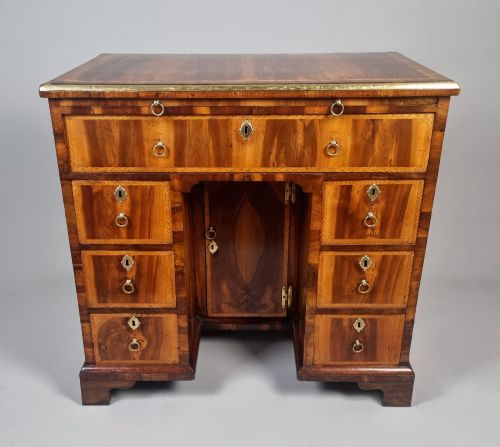
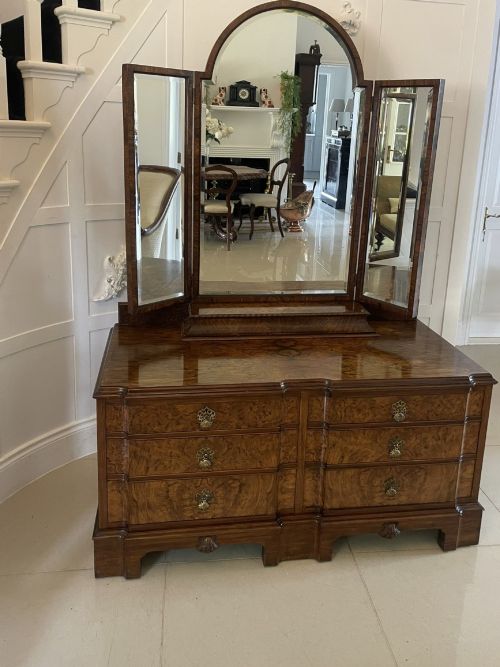
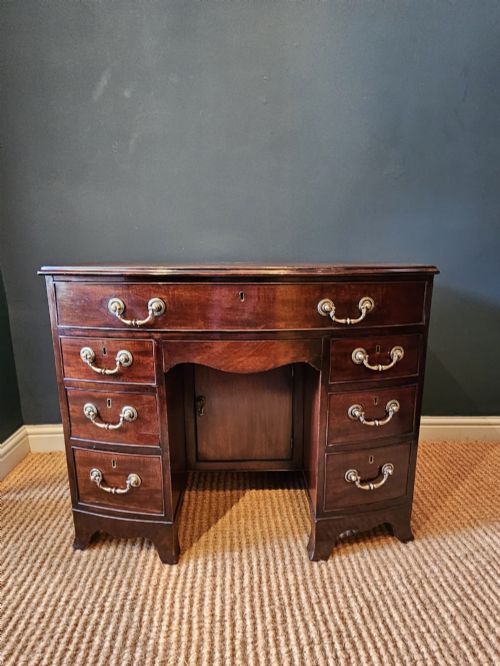
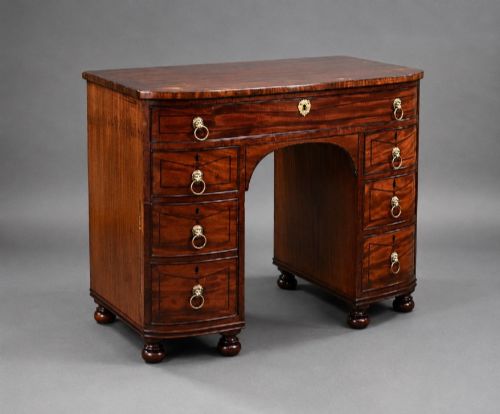
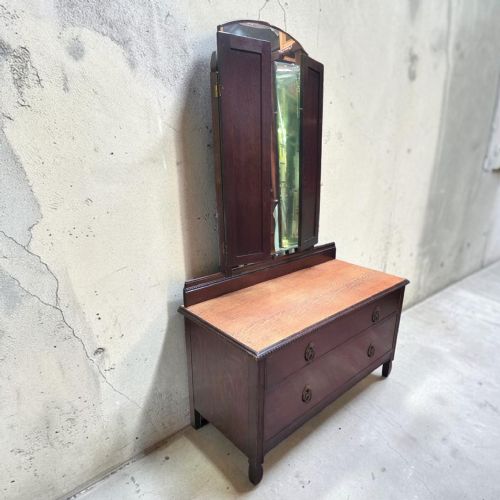
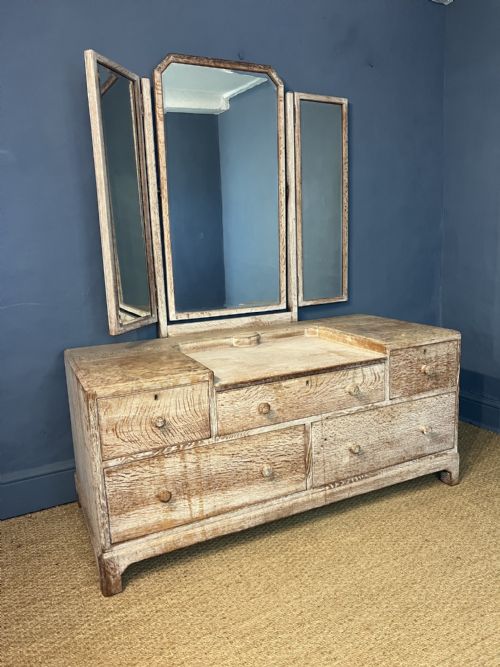
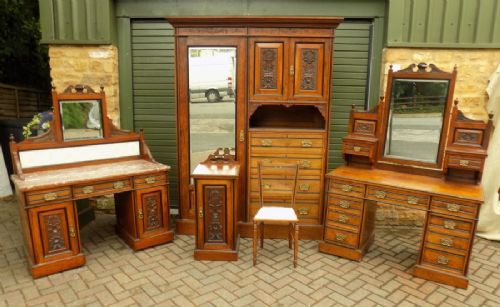
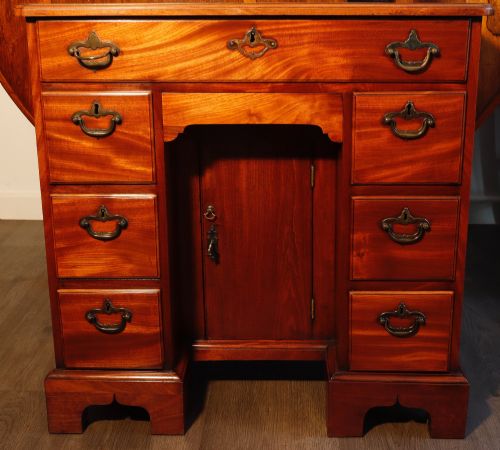
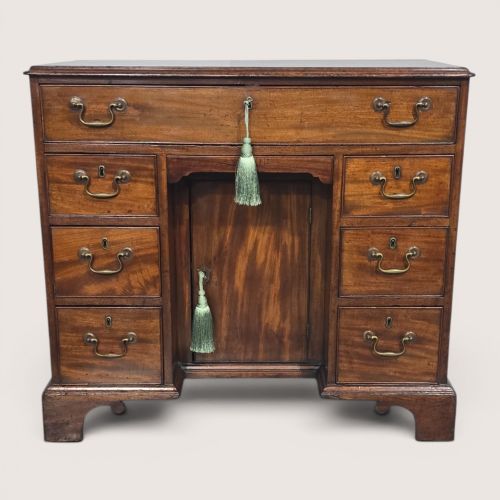
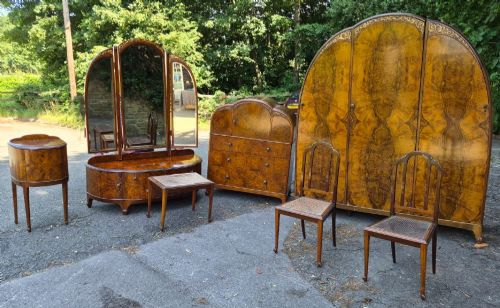
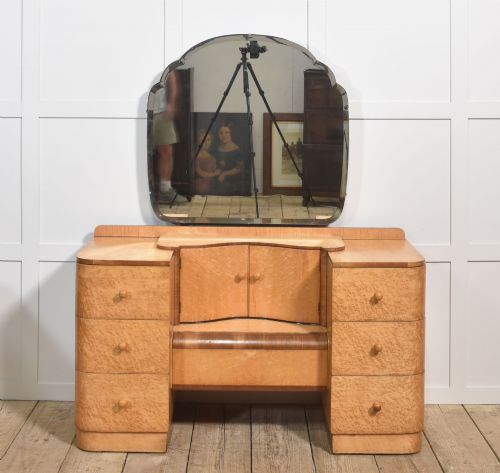
An antique vanity chest combines the storage of a set of drawers with the surface space and mirror of a dressing table. The term encompasses everything from compact Georgian gentlemens dressing chests to substantial Edwardian and Art Deco dressing tables.
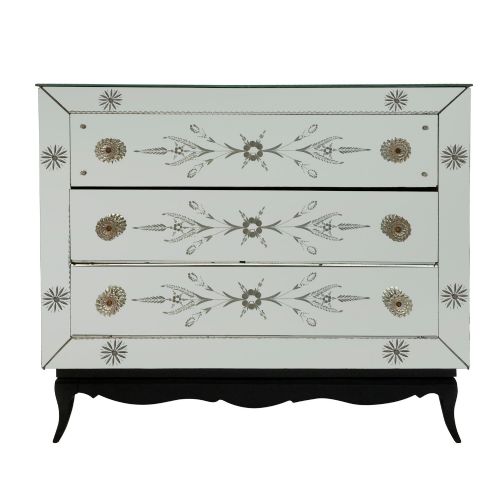
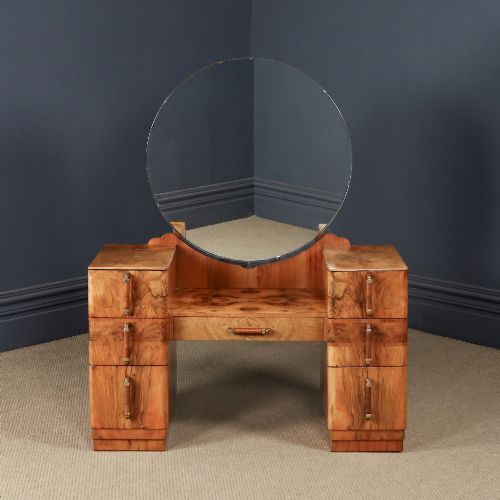
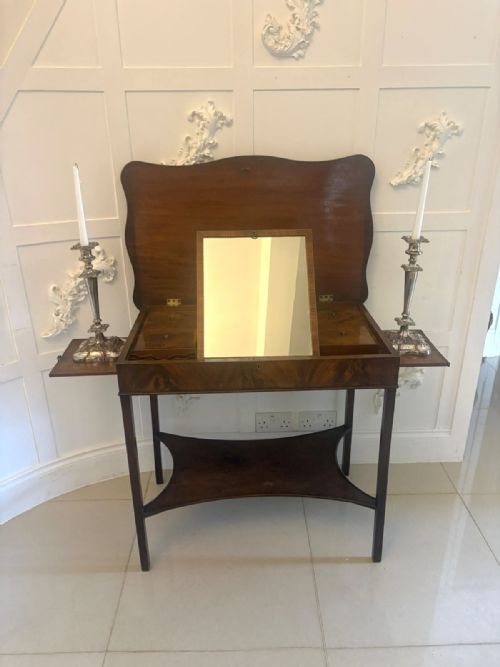
Most examples you encounter on this page date from the Georgian period through to the 1930s, constructed in mahogany, oak, or burr walnut. These pieces frequently incorporate integrated or adjustable mirrors, alongside dedicated small drawers for jewels and toiletries.
While some listings take the form of washstands with marble tops or specialised scent caskets, the core of the selection remains dedicated dressing chests and vanity tables designed for domestic chambers.
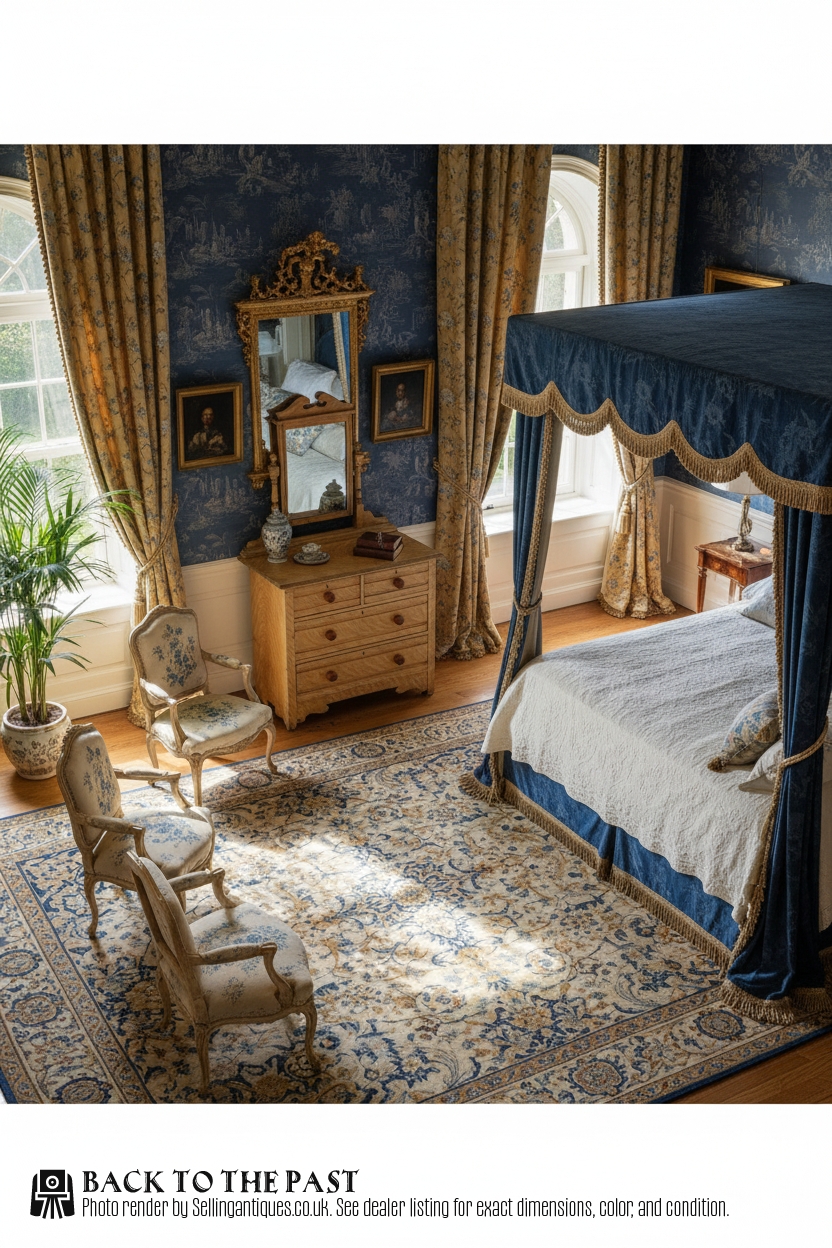
Materials and construction methods
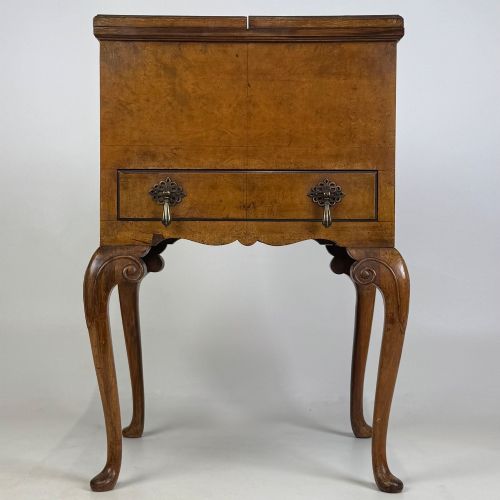
Cabinet makers relied heavily on rich timbers such as mahogany, oak, and figured burr walnut, often selecting veneers to create striking symmetrical patterns across drawer fronts. Secondary woods like pine appear in carcases and drawer linings.
Hardware played both a functional and decorative role, utilising brass for handles, escutcheons, and hinges, occasionally complemented by ormolu mounts or gilt bronze frames on smaller boxes.
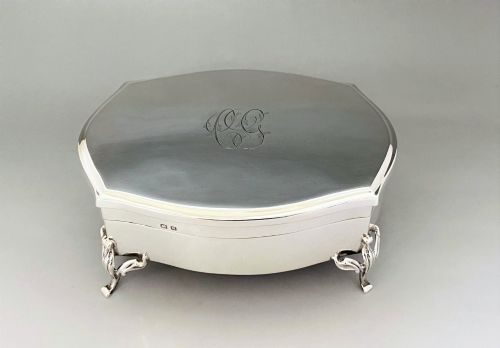
Glass forms an essential component across the selection, appearing as heavy mirror plates within adjustable frames, marble slabs on French washstands, and bevelled panes in crystal jewellery boxes.
Antique Vanity Chest Retail Price Guide 2026
Typical asking prices for vanity chest among the pieces listed under this phrase on Sellingantiques today, from the lower quarter to the upper quarter. They describe what is for sale here now, not the wider market.
Materials recorded across the archive include mahogany, oak, walnut, burr walnut, brass, glass, mirror glass, and marble.
Judging the quality of a vanity chest
Quality rests significantly on the selection of timber and the precision of the cabinet work, particularly how veneers are matched across drawer fronts and surfaces. Finer pieces demonstrate careful attention to concealed areas, such as oak drawer linings and original backboards.
The integrity of the hardware and mirrors separates ordinary examples from superior ones. Retaining original brasses, functioning locks with keys, and clear mercury or early silvered mirror glass elevate a piece considerably.
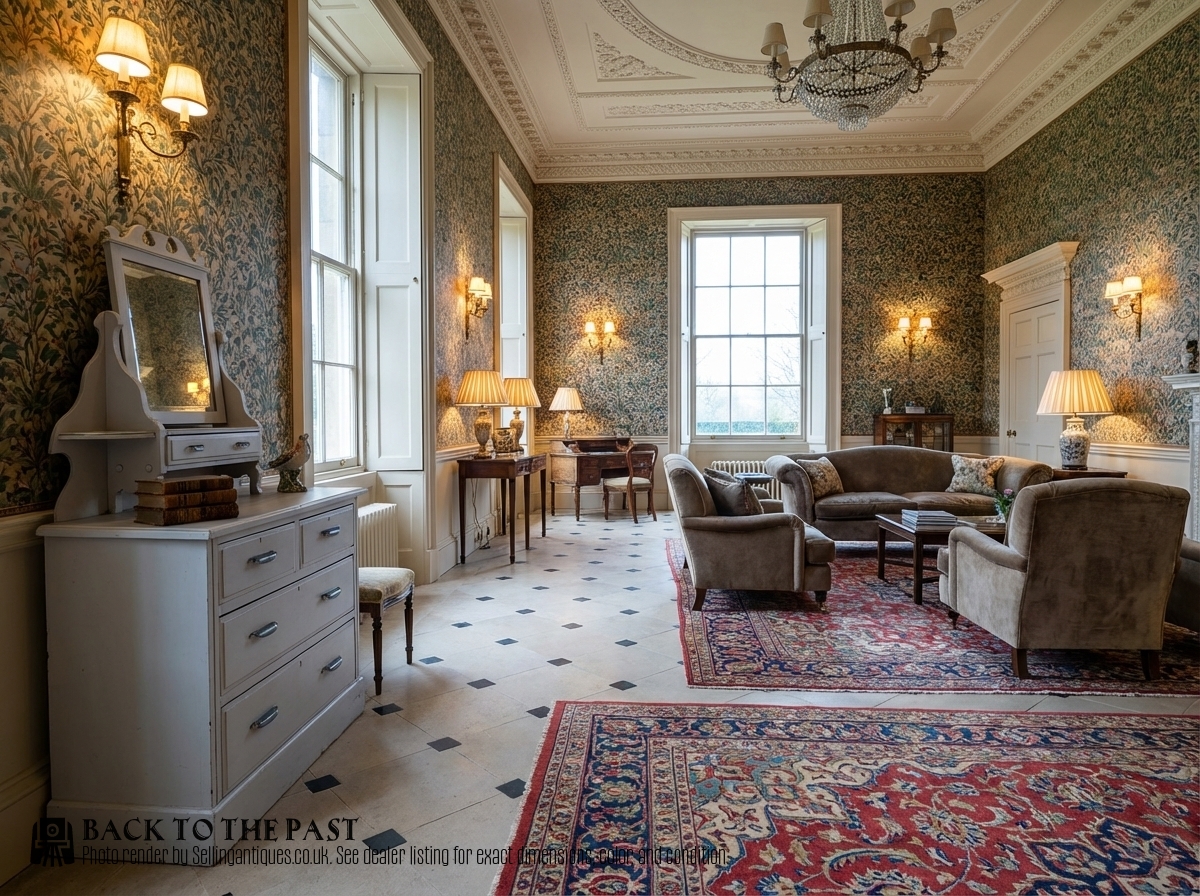
Heal and Sons·Frank Taylor and Co·George Walton·Ray and Miles·L. Dujat
The Antique Vanity Chest Glossary
- Burr walnut
- A timber harvested from the wart-like growths on walnut trees, prized for its swirling, highly figured grain patterns. Cabinet makers typically used it as a veneer on high-status furniture.
- Gentlemans dressing chest
- A specialised Georgian or Regency form of cabinetwork fitted with internal compartments, small drawers, and often a sliding mirror or baize-lined writing surface. It served the morning grooming routine of a gentleman.
- Duchess dressing table
- A large Victorian dressing table featuring a large central mirror flanked by smaller swing mirrors and multiple small tier drawers above a kneehole base.
- Washstand
- A piece of bedroom furniture designed to hold a basin and jug, frequently topped with marble and occasionally fitted with a mirror and splashback.
- Secretaire
- A cabinet or chest incorporating a pull-out drawer with a fitted writing desk interior, often found integrated into dressing furniture of the Georgian era.
Antique Vanity Chest: Frequently Asked Questions
What is an antique vanity chest?
An antique vanity chest is a piece of bedroom furniture designed for personal grooming, combining drawer storage with a dressing surface and mirror. The category spans Georgian gentlemens chests, Victorian walnut dressing tables, and oak pieces from the Arts and Crafts era.
These items were essential to historic bedchambers for storing cosmetics, jewels, and accessories while providing a dedicated space for dressing and washing.
How do I date a vanity chest?
Dating relies on observing the timber species, construction techniques, hardware style, and the form of the attached mirror. Georgian pieces often display straight-grained mahogany and hand-cut dovetails, while Edwardian and 1930s versions show limed oak, maple, or geometric burr walnut veneers.
The presence of original maker stamps, labels, or period-specific brass handles also assists in establishing a reliable chronology.
How do I incorporate one into a modern bedroom?
A vanity chest functions well as a dressing table, a standalone chest of drawers, or an atmospheric writing desk depending on its internal fittings. Placing it against a bedroom wall allows the mirror and surface to serve daily routines while adding historic character to the room.
Smaller tabletop versions and jewellery boxes sit comfortably on top of modern sideboards or dressing chests to provide secure storage for trinkets.
What is the difference between a dressing table and a vanity chest?
While the terms often overlap in trade, a dressing table traditionally emphasises a kneehole space for sitting, whereas a vanity chest places greater emphasis on drawer storage integrated into a compact case form. Both types frequently share mirror superstructures and small trinket drawers.
Earlier examples from the eighteenth century tended toward multi-functional tables with folding mirrors, while later Victorian and Edwardian pieces evolved into more substantial suites.