
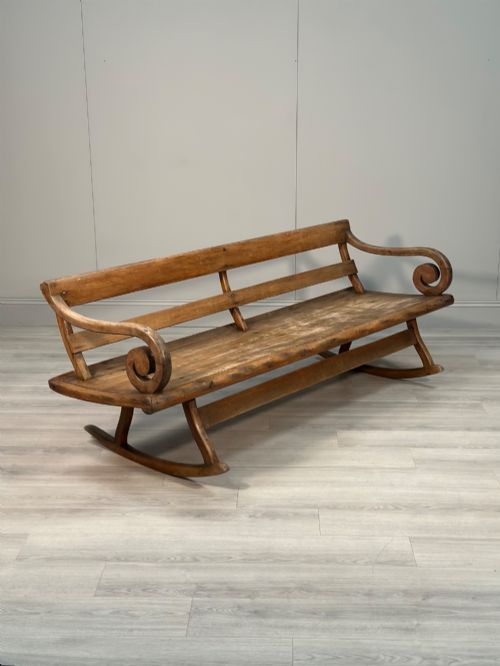
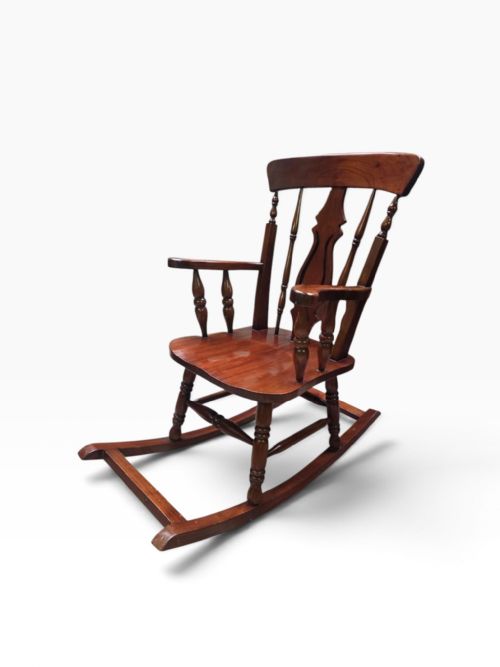
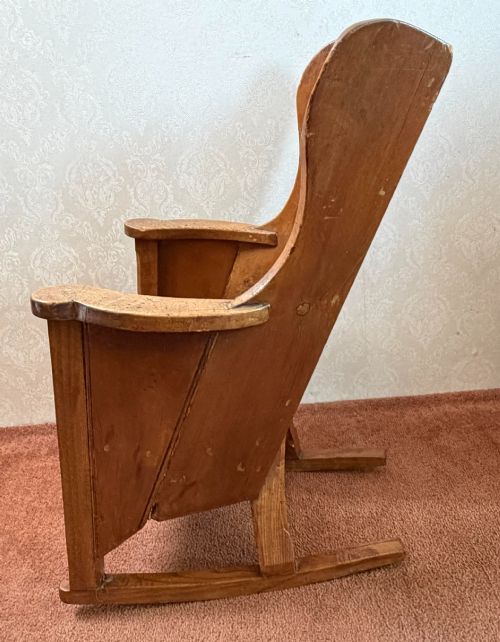
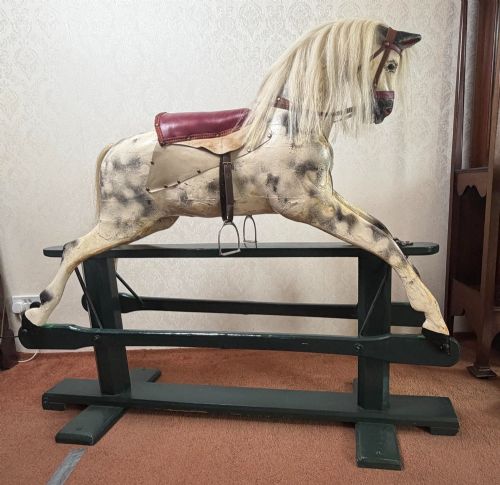

Traditional Wood Rocker
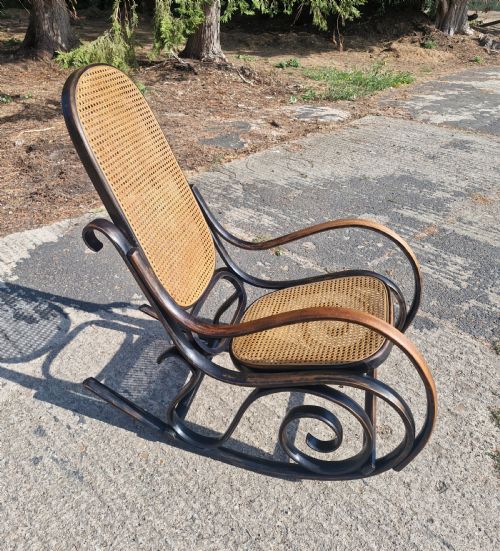
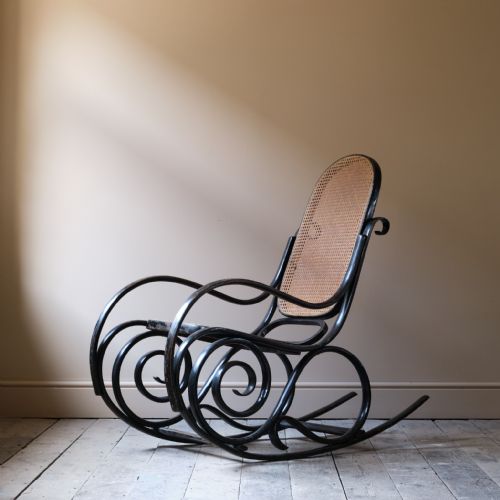
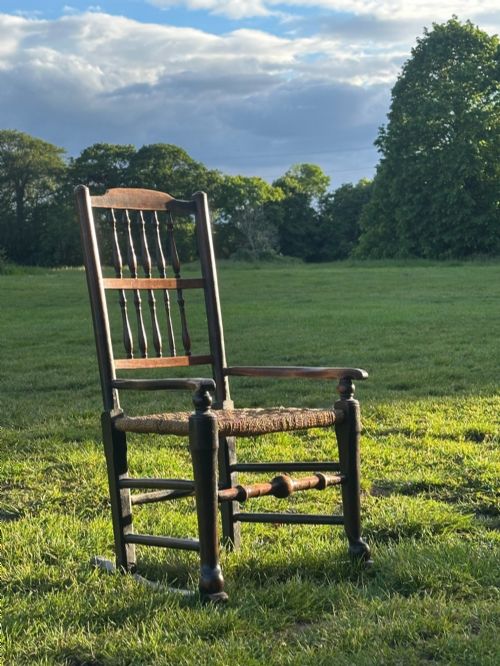
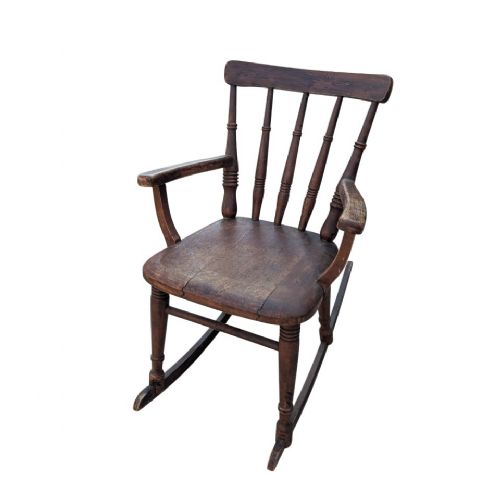
These traditional wood rocker pieces offer a wonderful blend of history and comfort for any interior.
Traditional Wood Rocker
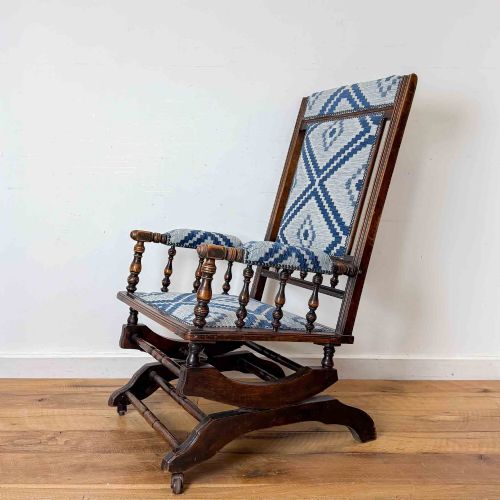
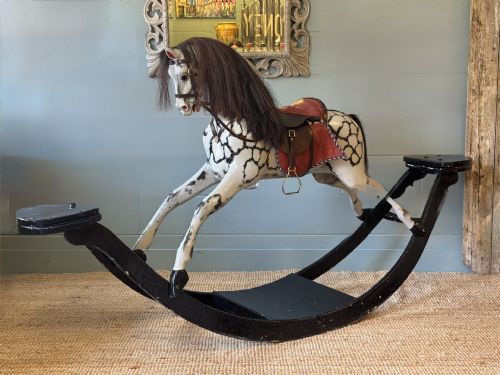
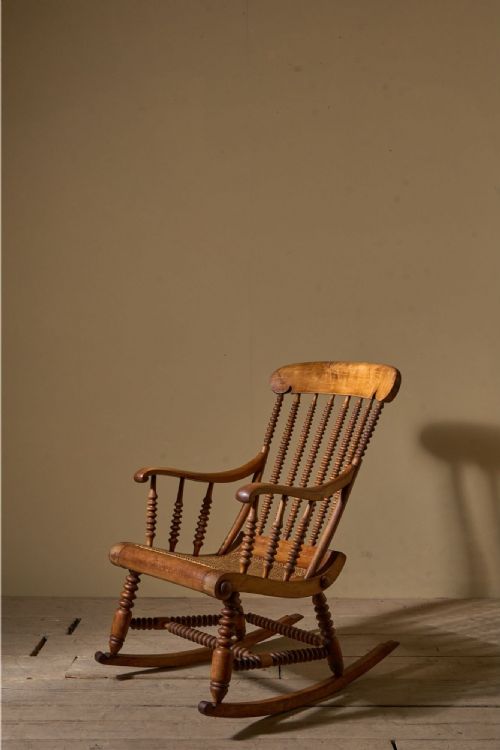
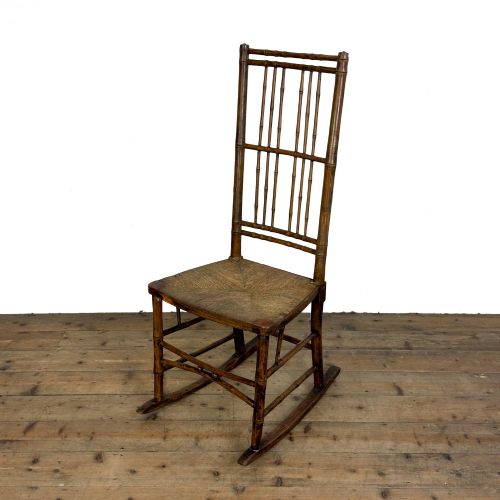
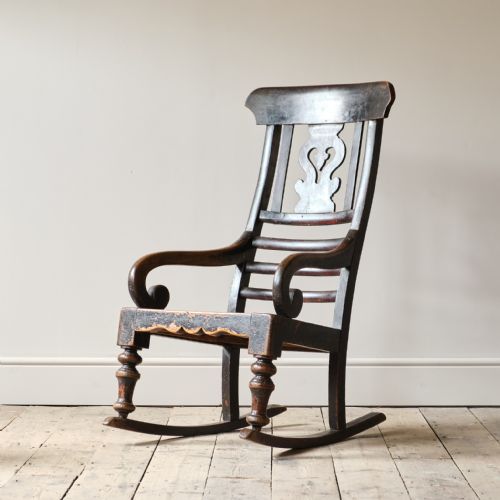
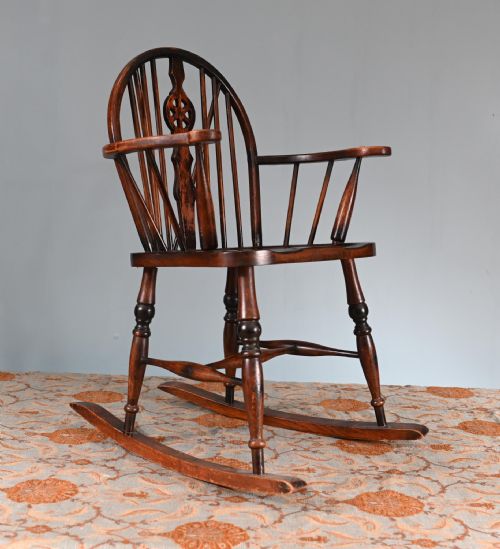
Buyers are most likely to encounter nineteenth-century beech and elm rocking chairs, often featuring spindle backs, wheelbacks, or ladder backs. Child-sized versions and rocking horses in original paint also appear frequently across these listings.
How they were made
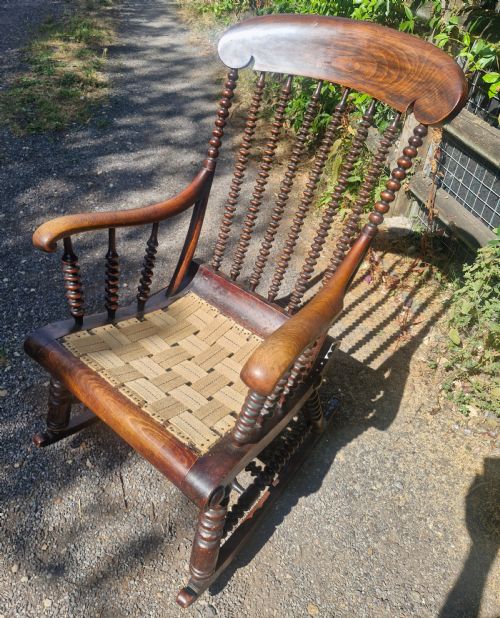
Craftsmen utilised native timbers such as beech, oak, elm, fruitwood, and ash, often shaping solid woods for seats and steam-bending components for bentwood or American-style frames. Bobbin turning and spindle work required precise lathe skills to form the structural uprights and decorative stretchers.
Seating areas incorporate woven cane, rush, sea grass, leather, or solid wood squabs fixed into the wooden framework. Paint finishes, including original painted surfaces, protected the timber while adding distinctive character to country pieces.
Listings feature woods including beech, oak, elm, pine, and fruitwood across the eighteenth, nineteenth, and early twentieth centuries.
What varies in quality
The sophistication of the timber selection and the integrity of the joinery set finer examples apart from simpler utilitarian items. Regional variations, such as Thames Valley or Lancashire and Cheshire origins, often indicate superior craftsmanship and distinct local traditions.
Original surface treatments, such as untouched early paint or patinated fruitwood, elevate the standing of a piece compared to later stripped or altered surfaces. The fluidity of steam-bent elements in bentwood models also distinguishes higher grade production.
G & J Lines of London·Thonet
The Traditional Wood Rocker Glossary
- Bentwood
- Wood softened by steam and bent into curved structural shapes. This technique defines many late nineteenth and early twentieth-century armchairs.
- Bobbin turned
- Timber turned on a lathe to resemble a series of rounded wooden beads or bobbins. It provides decorative texture on chair frames and uprights.
- Ladder back
- A chair back constructed with horizontal arched slats resembling the rungs of a ladder. This traditional vernacular style frequently appears in oak and ash.
- Vernacular
- Objects designed by regional craftsmen for everyday use rather than following strict academic architectural styles. These pieces rely on local materials and practical construction methods.
Traditional Wood Rocker: Frequently Asked Questions
How were rocking chairs used historically?
Historically, rocking chairs served as domestic seating in nurseries, bedrooms, and fireside parlours for resting or soothing children.
Larger armchairs provided comfort in country houses, while smaller variations were specifically scaled for infants and young children.
How do I identify a nineteenth-century rocker?
Nineteenth-century rockers typically display characteristic construction methods like bobbin turning, spindle backs, and the use of native timbers such as beech and elm.
Details like original paint finishes and regional framing styles help distinguish these Victorian pieces from later twentieth-century reproductions.
Can I use a vintage rocker daily?
Many vintage and antique wooden rockers remain sturdy enough for regular daily seating when placed on level flooring.
It is sensible to check the stability of the joints and the rocker base before continuous everyday use in a modern home.