


Traditional Wingback Seat
A traditional wingback seat offers deep comfort and draught protection, making it a timeless fireside companion for any room.
Traditional Wingback Seat
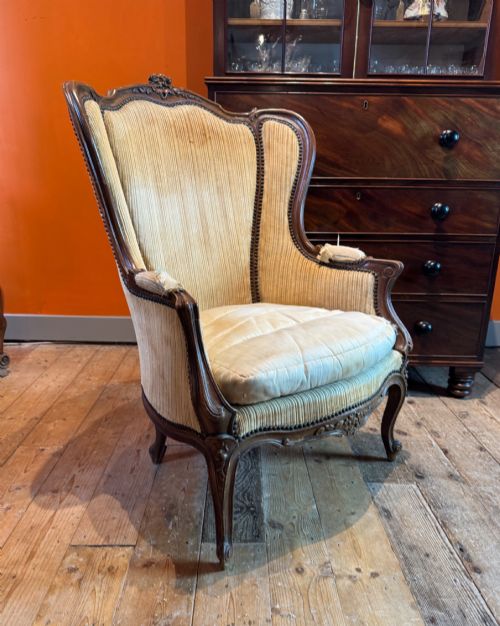
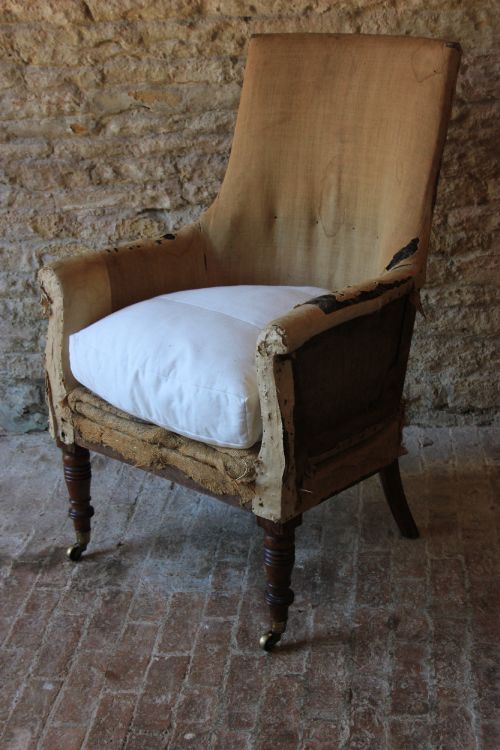
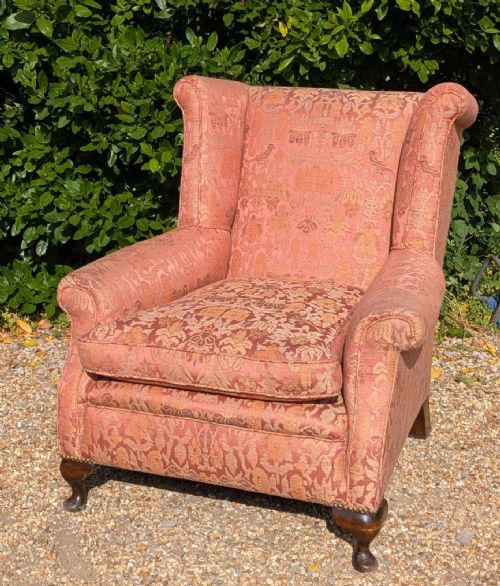
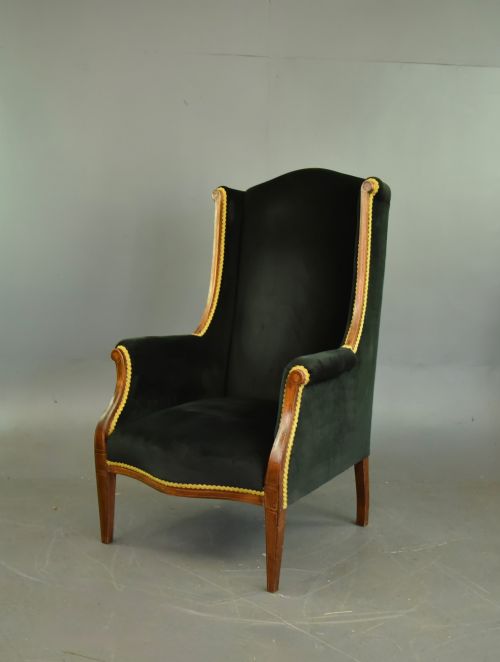
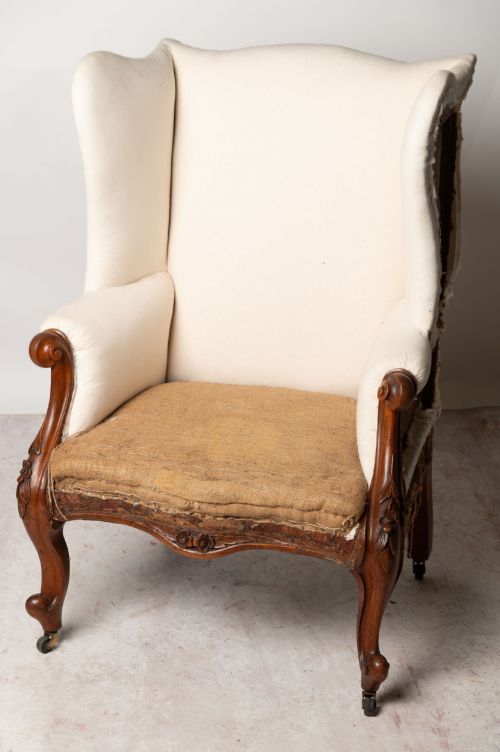
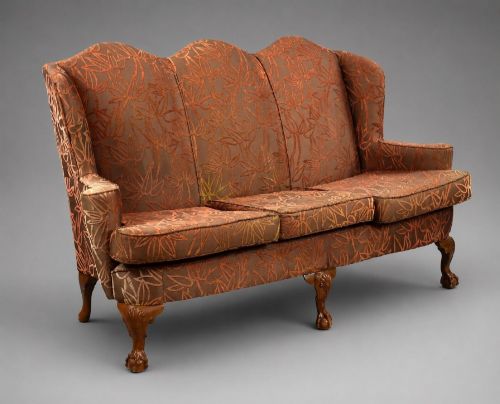
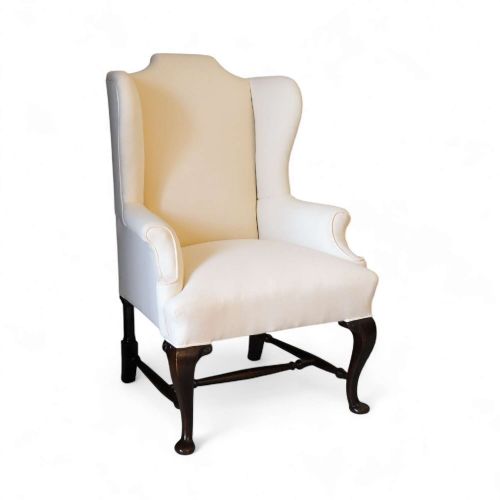
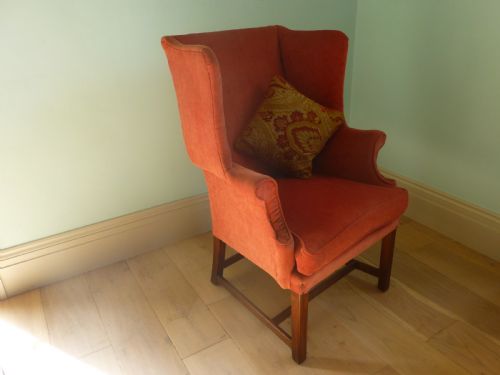
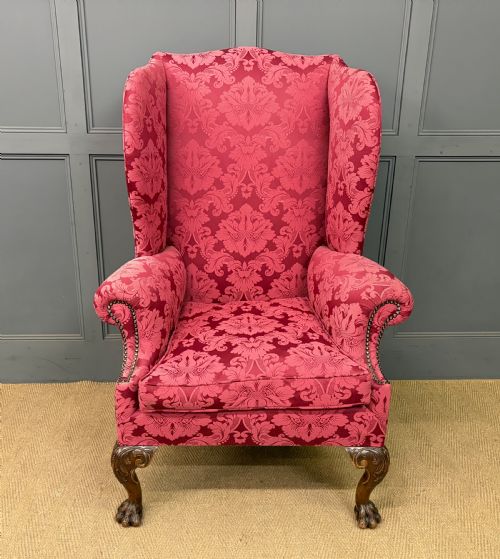
A traditional wingback seat combines high upholstered sides with a deep seat, designed originally to shield the occupant from drafts. You will encounter forms spanning the Georgian, Victorian, and Edwardian eras, alongside later revivals.
The pieces on this page appear in various timber frameworks including mahogany and walnut, paired with coverings of velvet, leather, and woven textiles. They range from modest fireside chairs to generous library armchairs and matching settees.
How traditional wingback seats were made
Frames rely upon sturdy timbers such as mahogany and walnut, sometimes enhanced with brass detailing or subtle inlay work. Wood and timber form the underlying structural skeleton that supports the heavier upholstered elements.
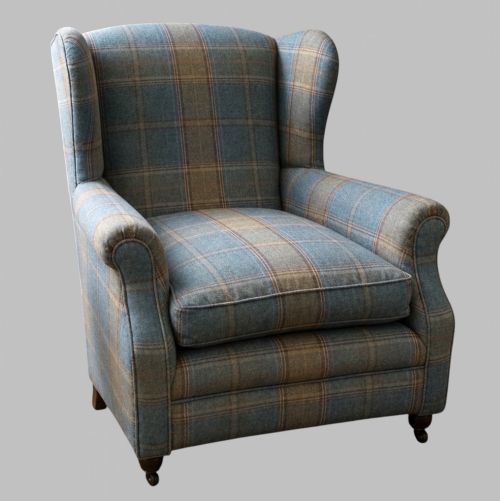
Upholstery techniques utilise traditional fabric and textile coverings, ranging from plush velvet and chenille twill to supple leather and wool plaid. Internal padding often incorporates feather filling for softness within the seating compartment.
Traditional Wingback Seat Retail Price Guide 2026
Typical asking prices for traditional wingback seat among the pieces listed under this phrase on Sellingantiques today, from the lower quarter to the upper quarter. They describe what is for sale here now, not the wider market.
The listings on this site feature periods ranging from the eighteenth century through to the 1930s, constructed in mahogany, walnut, and brass.
What varies in quality
The distinction between ordinary and superior pieces rests upon the integrity of the timber frame and the balance of the proportions. Finer examples display harmonious lines in the scroll of the arms and the sweep of the wings.
Material selection dictates the tactile experience, where dense hardwoods and heavy textiles like leather or velvet outlast lighter modern substitutes. Craftsmanship shows in the precision of the upholstery work and the weight of the underlying frame.
Whytock & Reid·Sopwith
The Traditional Wingback Seat Glossary
- Wingback
- An armchair featuring protective side panels attached to the arms to deflect drafts. These wings became prominent during the Georgian period.
- Bergere
- An enclosed upholstered armchair with wooden framing exposed around the sides and back. This French style gained popularity in various nineteenth-century iterations.
- Library chair
- A sturdy seat designed for reading rooms, frequently rendered in mahogany or walnut. They often feature generous proportions for extended sitting.
- Chenille twill
- A textured woven fabric utilising fuzzy pile yarns that provide a tactile surface. It appears frequently as a durable upholstery choice for period chairs.
Traditional Wingback Seat: Frequently Asked Questions
How do I identify a Georgian wingback?
Georgian pieces generally display restrained cabriole legs or straight mahogany supports, coupled with classic proportions designed for eighteenth-century drawing rooms.
Later revivals from the twentieth century often imitate these stylistic cues while utilising twentieth-century construction methods.
Are these chairs comfortable for daily use?
These seats were engineered for long hours by the hearth, offering substantial back support and deep cushioning.
Many examples feature feather filling or sturdy coil springing that accommodates modern lounging habits comfortably.
What materials are used for upholstery?
Original and replacement coverings span a wide spectrum including leather, velvet, cotton fabric, and wool plaid.
Underneath these textiles, sturdy timber frames of walnut and mahogany provide the structural foundation.
How do I care for leather wingbacks?
Leather upholstery requires occasional conditioning to maintain suppleness and prevent the hide from drying out over time.
Keep such pieces away from direct heat sources to preserve the integrity of both the leather and the underlying wooden frame.