
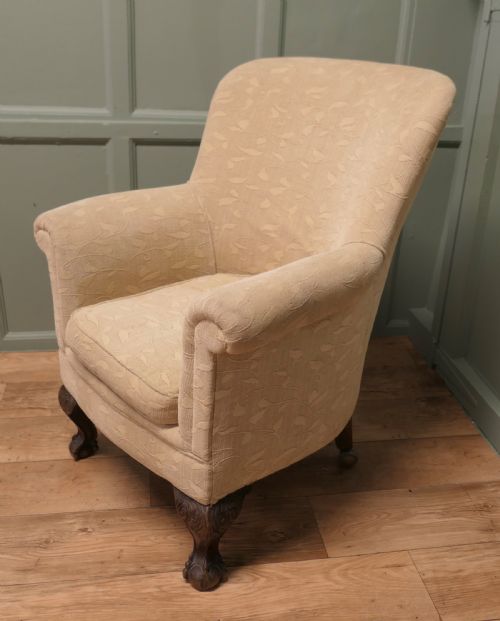
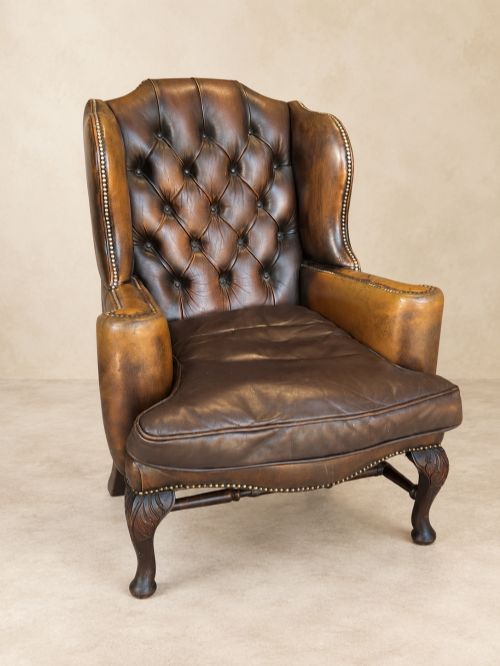
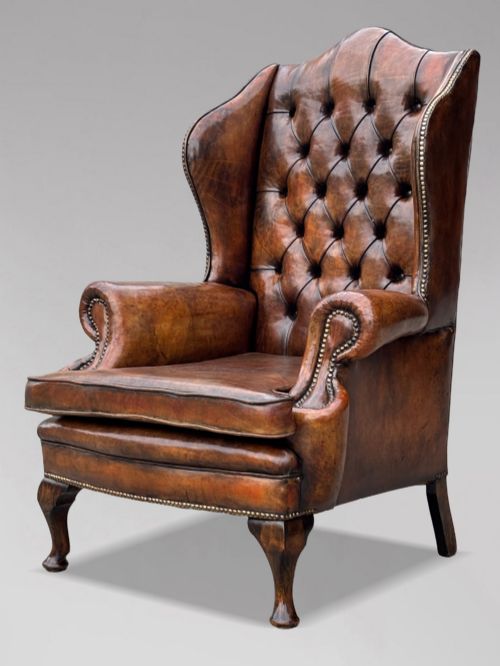
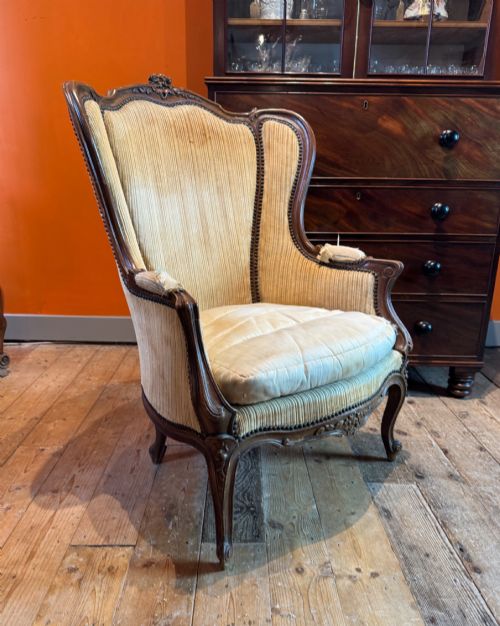
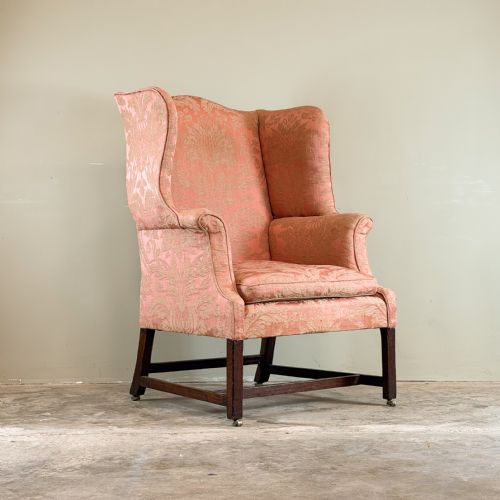
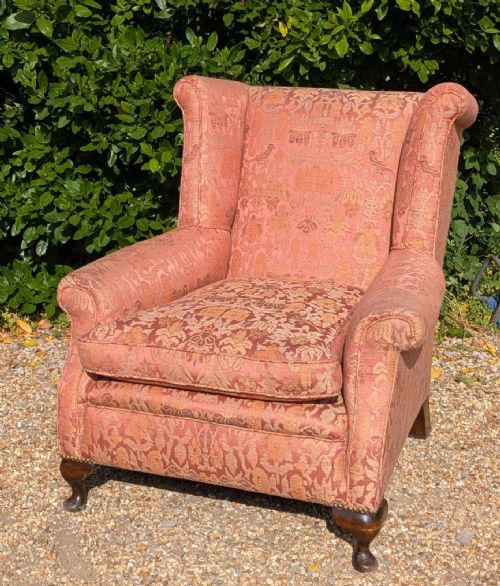
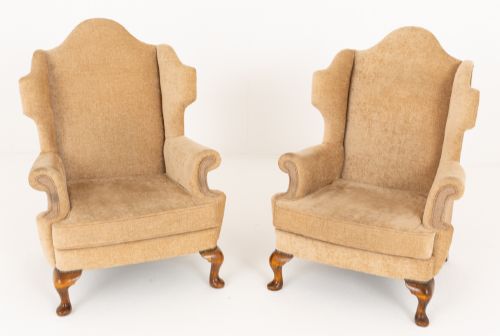
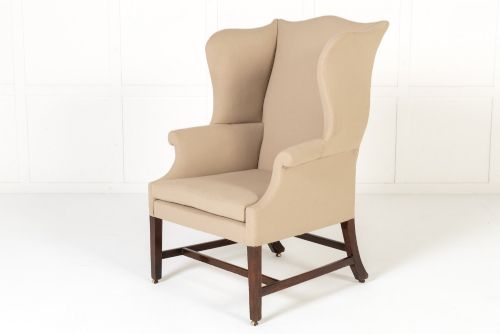
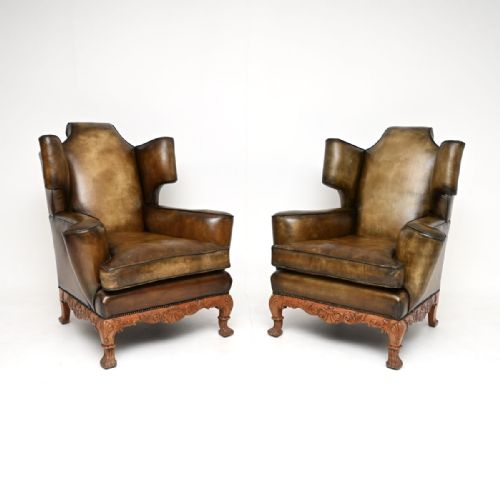
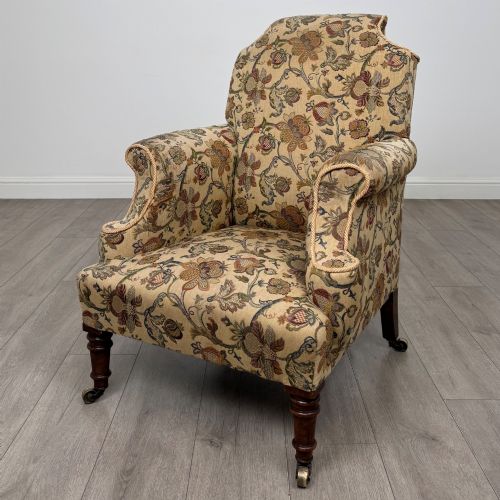
Traditional Wingback Armchair
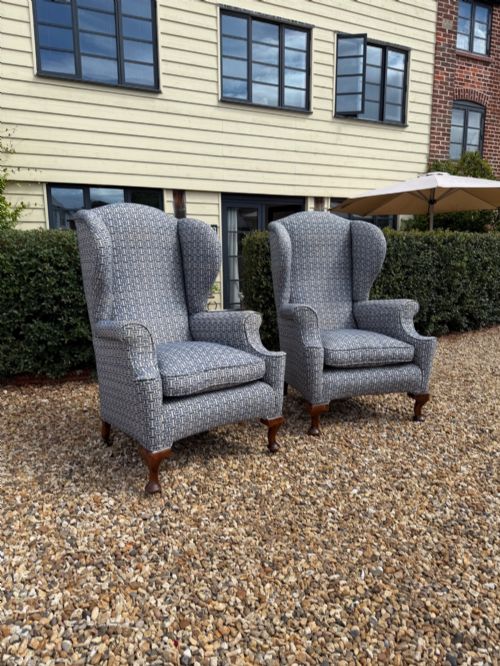
A traditional wingback armchair offers deep comfort and draught-excluding wings, making it a timeless fireside seat for any home.
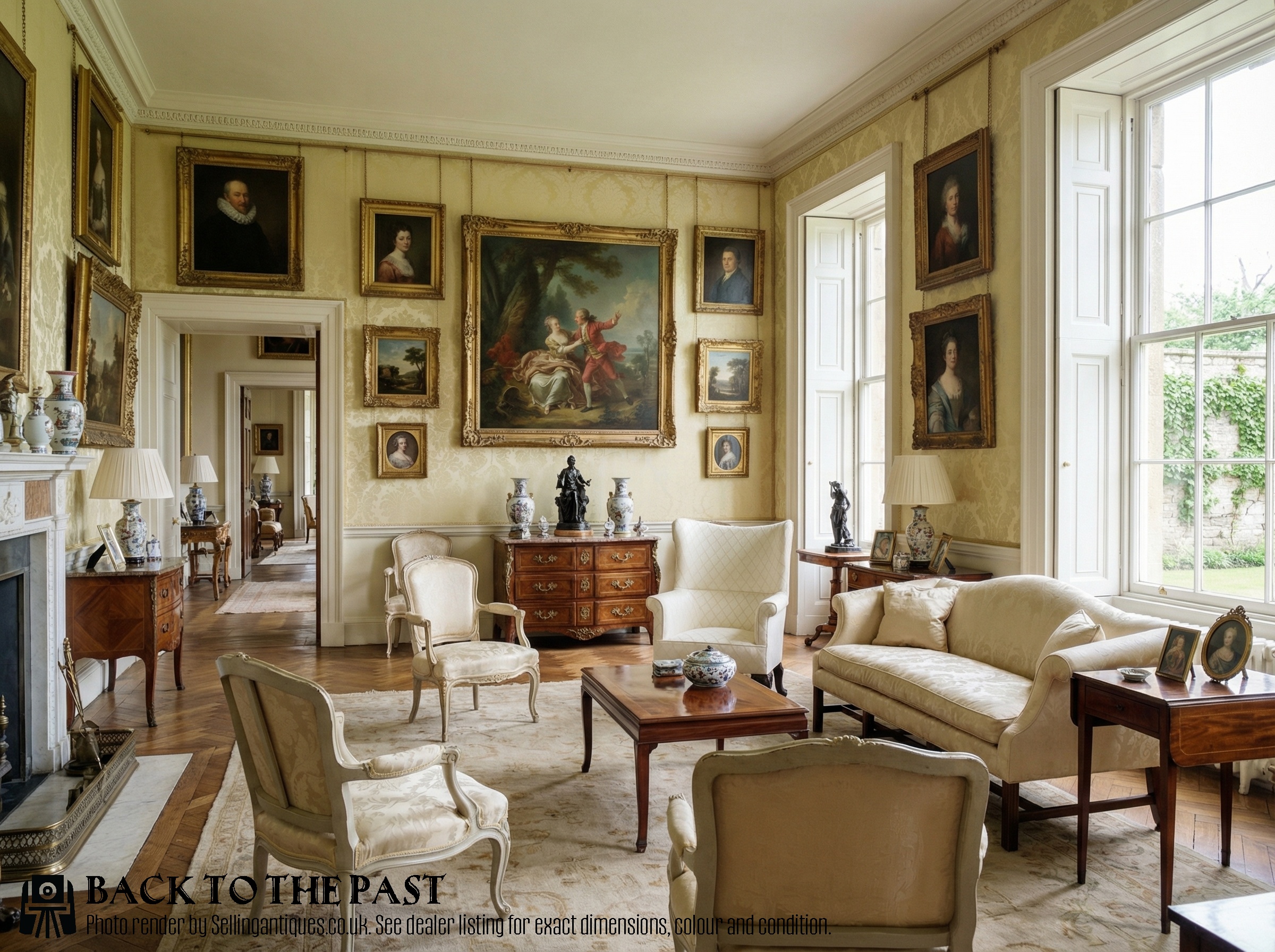
How they were made
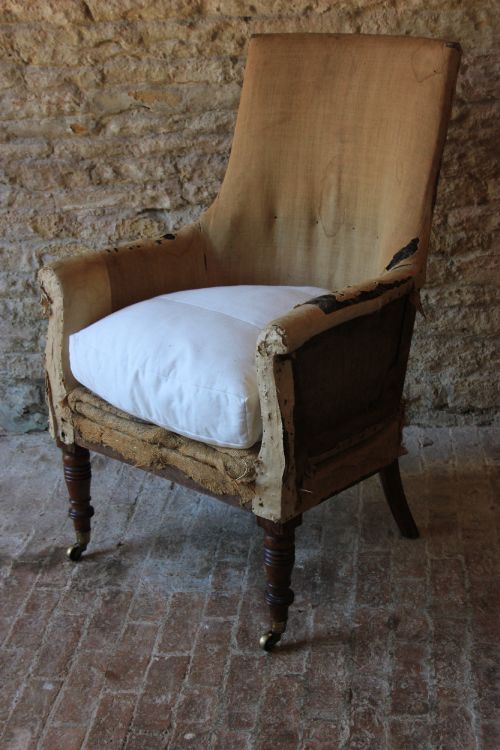
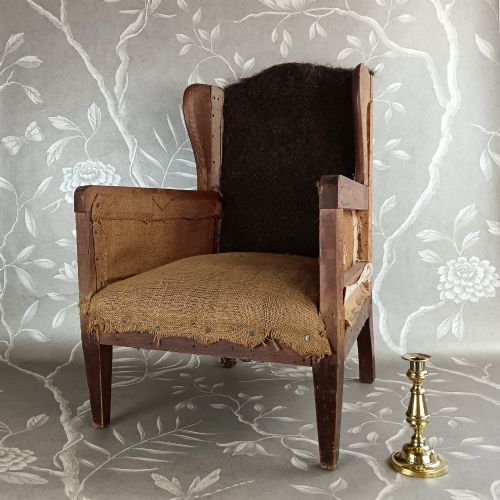
Traditional frames rely on sturdy timber construction, predominantly utilising mahogany, walnut, oak, and general wood. Joinery techniques from the eighteenth and nineteenth centuries ensure structural longevity across heavy seating forms.
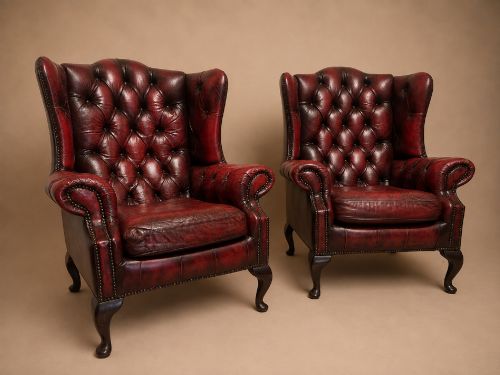
Upholstery materials range from traditional leather and brass nailhead detailing to soft textiles like velvet, fabric, and woollen plaids. Internal stuffing often incorporates feather fillings to provide deep cushioning for the sitter.
What varies in quality
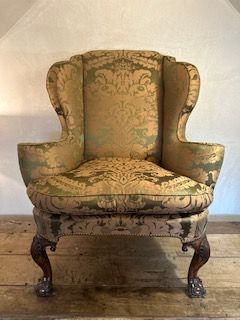
The integrity of the underlying timber frame and the authenticity of the period determine the primary tier of craftsmanship. Early eighteenth-century examples exhibit hand-carved mahogany or walnut details that distinguish them from later twentieth-century revivals.
Upholstery execution and material selection also drive distinction across the range. Hand-tooled leather patination and traditional feather fillings elevate certain pieces above standard fabric-covered variants.
Traditional Wingback Armchair Retail Price Guide 2026
Typical asking prices for traditional wingback armchair among the pieces listed under this phrase on Sellingantiques today, from the lower quarter to the upper quarter. They describe what is for sale here now, not the wider market.
Listings feature traditional wingback armchairs spanning from the 18th century through to the 1930s, incorporating mahogany, walnut, oak, and brass elements.
Howard And Sons·Whytock And Reid
The Traditional Wingback Armchair Glossary
- Wingback
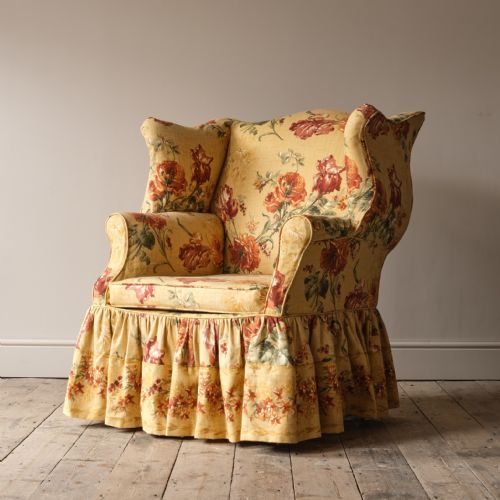
- An armchair featuring projecting side panels attached to the arms and framing the back. This design originally shielded the occupant from fireplace draughts.
- Barrel back
- A seating form where the upholstered back curves continuously into the arms in a semicircular shape. This style creates a snug, enclosed seating position.
- Bergere
- An enclosed upholstered armchair with wooden framing exposed around the sides and back. Originating in France, these pieces often feature cane work or padded upholstery.
- Button wing
- An upholstery technique where buttons are pulled deep into the leather or fabric back in a grid pattern. This secures the internal stuffing and creates a tufted surface.
Traditional Wingback Armchair: Frequently Asked Questions
How do I identify a Georgian wing chair?
Georgian examples typically display characteristic timber usage such as mahogany or walnut, alongside period-specific leg forms like cabriole or straight stretchers. The proportions tend to be generous and robust, reflecting eighteenth-century domestic seating requirements.
Examination of the frame construction and joinery under the upholstery reveals the age of the piece. Authentic older frames show hand-cut timber work distinct from later twentieth-century reproductions.
What is the purpose of the wings?
The projecting side panels were originally engineered to trap heat from an open hearth and shield the sitter from cold room draughts. They also offered privacy and acoustic dampening in busy historic households.
Over time, this functional attribute evolved into a defining stylistic hallmark of traditional fireside seating. Makers retained the wings for their distinctive silhouette long after central heating reduced the need for draught protection.
Are leather wing chairs antique?
Leather-upholstered examples span multiple eras, including late nineteenth-century Victorian library pieces and 1920s club chairs. The presence of natural ageing and patination often indicates older hide.
Many pieces combine antique frames with later leather upholstery applied during restoration. Buyers should assess both the timber framework and the hide to understand the object's history.
How do I style a wingback in a modern room?
These armchairs function effectively as reading seats in studies or as statement focal points beside contemporary sofas. Their tall silhouettes add vertical balance to rooms with low modern ceilings.
Choosing a contrasting textile like plaid teal or burnt orange chenille helps bridge historic forms with contemporary interior palettes. Pairs work well positioned symmetrically opposite a fireplace or large window.