

Traditional Windsor Seating
Traditional windsor seating brings solid timber country furniture into modern rooms through vernacular forms crafted across the eighteenth, nineteenth and twentieth centuries.
Traditional Windsor Seating
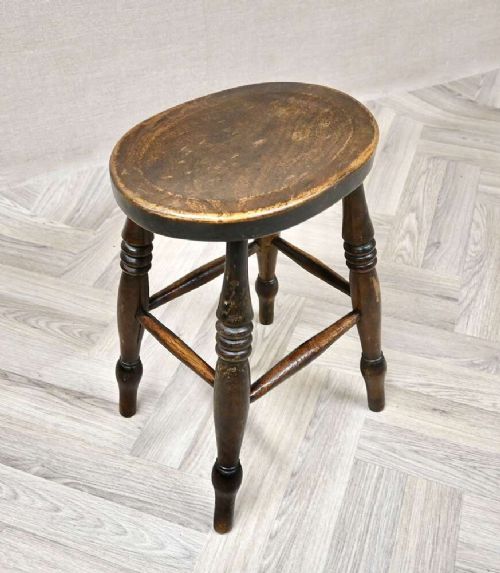
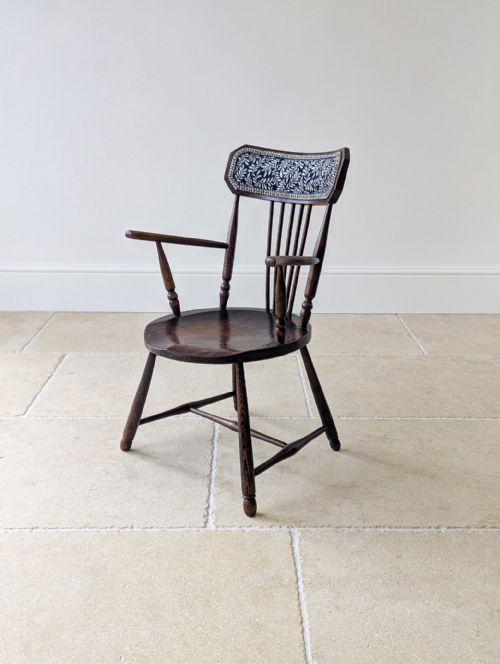
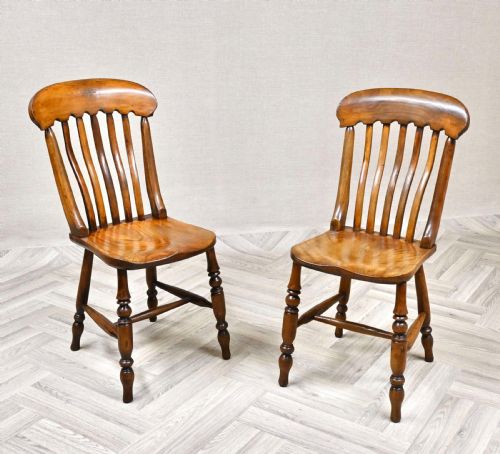
Traditional windsor seating encompasses armchairs, side chairs, dining sets, stools, benches, settles and children's chairs originating from English country traditions. The listings feature examples spanning the Georgian, Victorian and Edwardian periods alongside mid-century utility pieces.
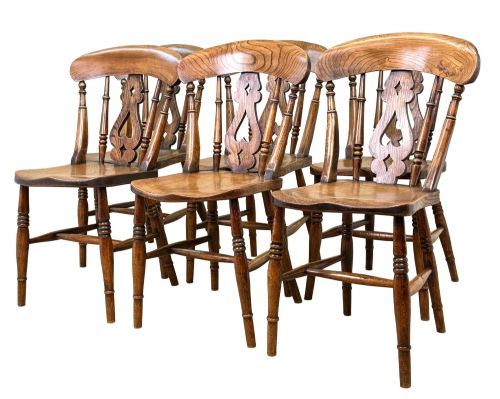
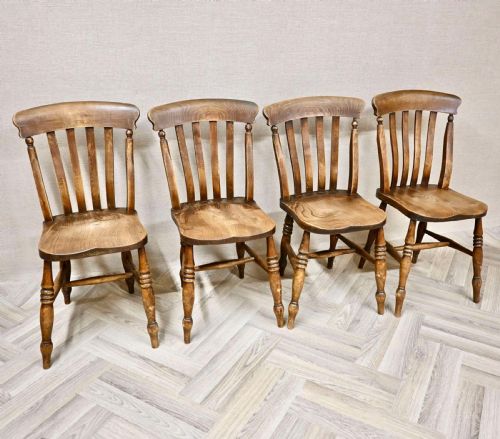
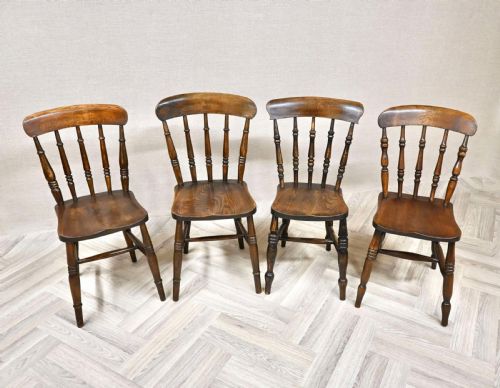
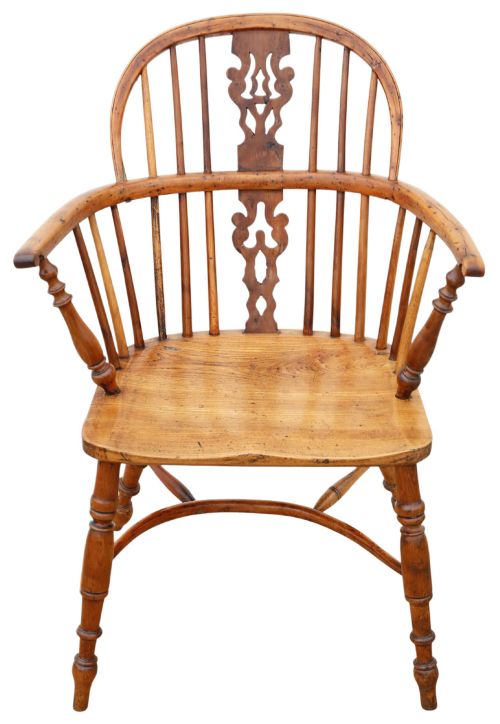
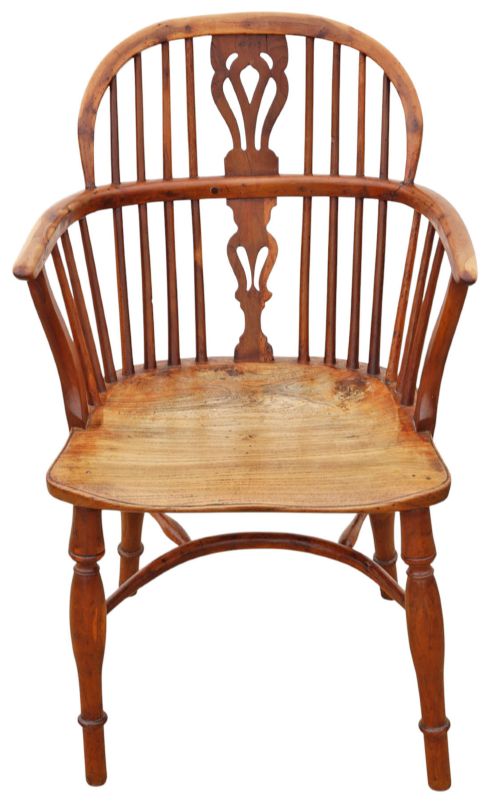
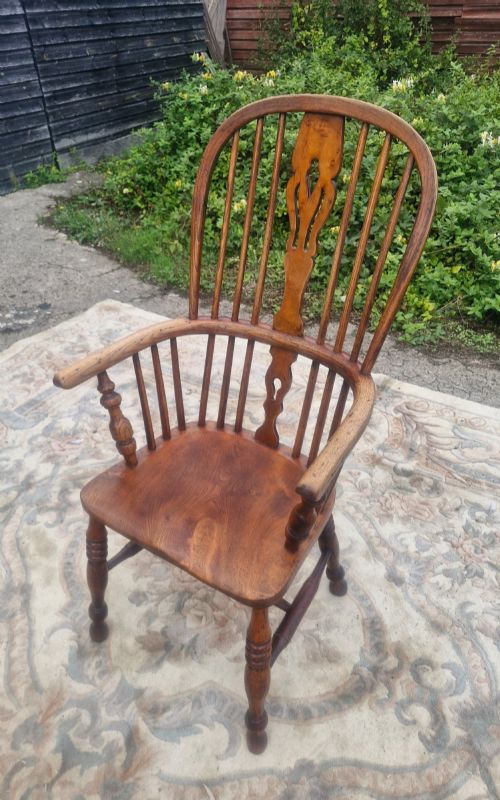
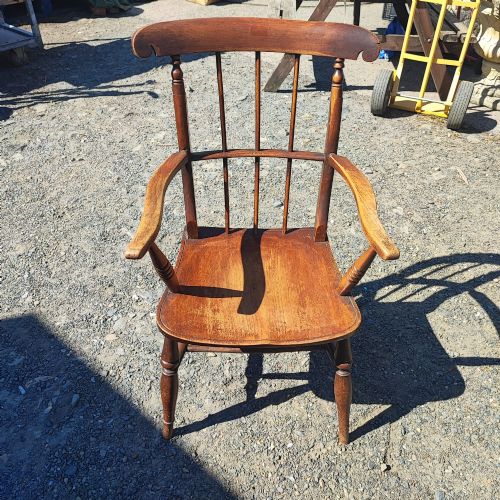
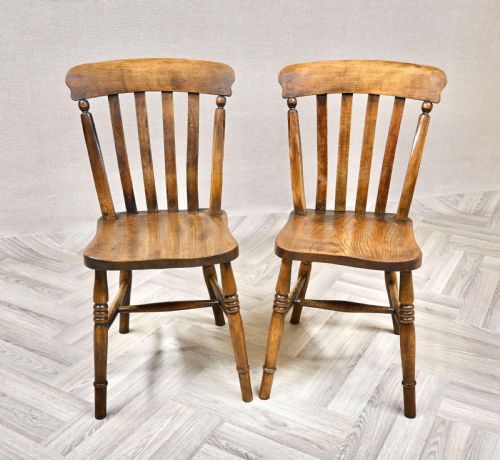
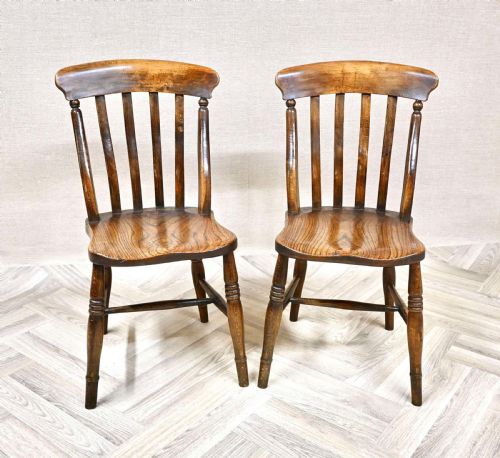
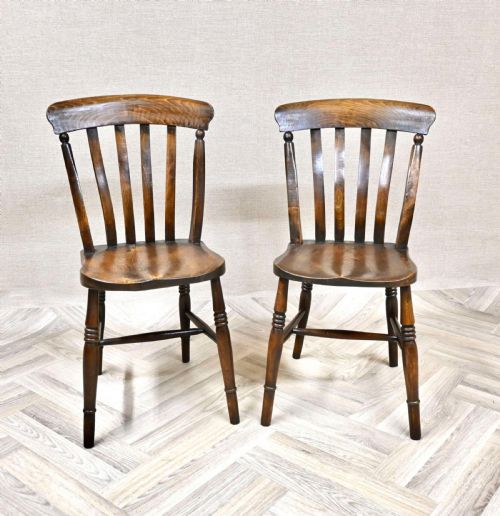
Buyers most frequently encounter nineteenth-century kitchen chairs, hoop backs and stick backs in elm, ash and beech. These pieces range from vernacular farmhouse seating to refined high-back armchairs in yew wood.
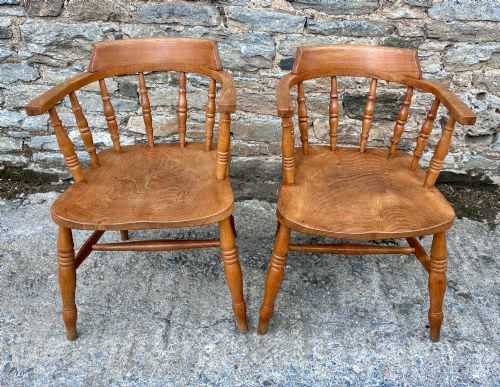
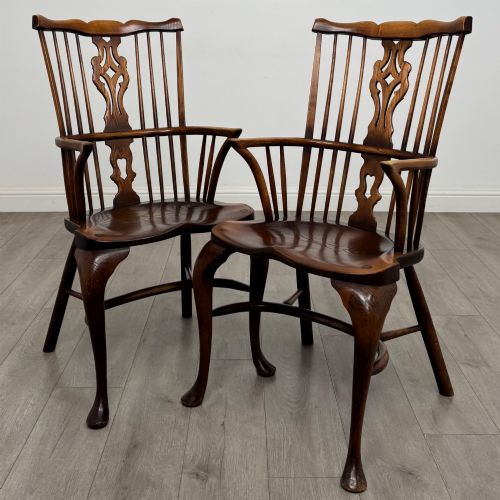
Regional variations appear across the selection, including West Country child's chairs and Welsh high-back armchairs. Forms include wheelbacks, comb backs, laybacks, lathbacks and smokers bows.
Materials and Construction
Construction relies on a combination of native hardwoods chosen for specific structural properties. Elm provides strong, stable seats, whilst ash and beech supply flexible spindles and steam-bent hoops.
Yew wood appears in select eighteenth and nineteenth-century armchairs, prized for its dense grain and warm tone. Joinery utilises the stick-construction method, where legs and back spindles fit directly into a thick solid wood seat.
The inventory records vernacular seating produced across the Georgian, Victorian and Edwardian eras, incorporating elm, ash, beech, oak and yew.
Judging Quality
Quality rests upon the selection of timbers and the harmony of the proportions. Yew and figured elm command greater attention than plain beech or mixed secondary woods.
The crispness of the turning on legs and spindles, the integrity of the saddle-shaped seat and the comfort of the raked back determine the standing of an individual piece.
The Traditional Windsor Seating Glossary
- Comb back
- A Windsor chair back design where vertical spindles rise to a horizontal headpiece resembling a traditional hair comb.
- Hoop back
- A continuous bentwood bow forming the arms and backrest in a single curved arc.
- Smokers bow
- A low-backed armchair with a rounded Captain's rail, commonly found in domestic and commercial settings.
- Wheelback
- A Windsor chair featuring a pierced splat carved in the shape of a spoked wheel.
- Saddle seat
- A solid wooden seat carved into a dished, ergonomic contour for sitting comfort.
Traditional Windsor Seating: Frequently Asked Questions
What is traditional windsor seating?
Traditional windsor seating refers to wooden chairs and benches built with a distinct stick-construction method where components are tenoned directly into a solid sculpted seat.
These pieces originate largely from English vernacular traditions spanning the eighteenth century through to the mid-twentieth century.
How do I identify a Georgian windsor chair?
Georgian examples often feature comb backs or panel backs constructed from ash, elm and yew wood with early vernacular proportions.
They display hand-carved details and deeper patination compared to later Victorian and Edwardian production.
Are these chairs suitable for daily dining?
These robust country chairs were designed for practical domestic use in farmhouses and kitchens, making them durable for everyday dining.
Their solid timber construction and ergonomic saddle seats provide sturdy support for daily seating.
What woods were used to build them?
makers utilised a mix of native British hardwoods chosen for their specific structural and aesthetic properties.
Elm was standard for solid seats, whilst ash and beech provided resilient bentwood hoops and turned legs.