



Solid Wood Kitchen Chairs
Solid wood kitchen chairs bring genuine country character to a room, offering sturdy timber construction shaped by generations of practical use.
Solid Wood Kitchen Chairs
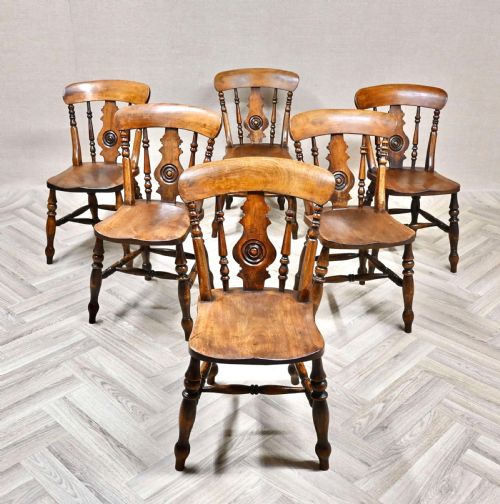
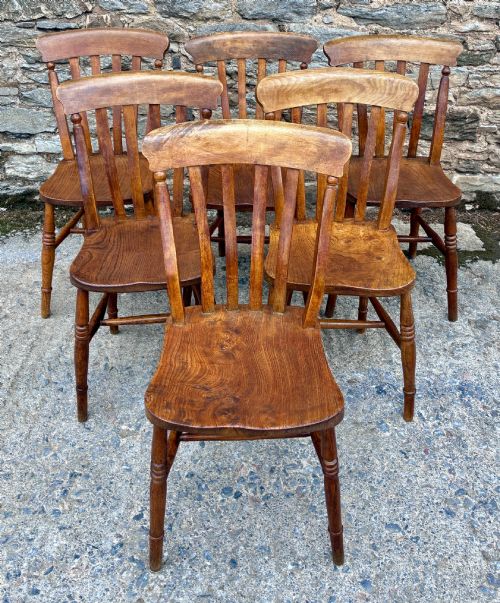
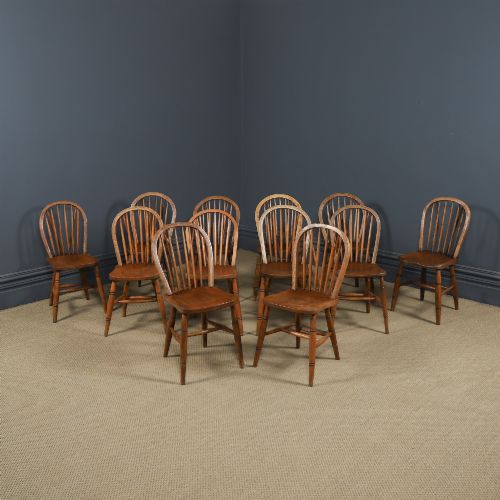
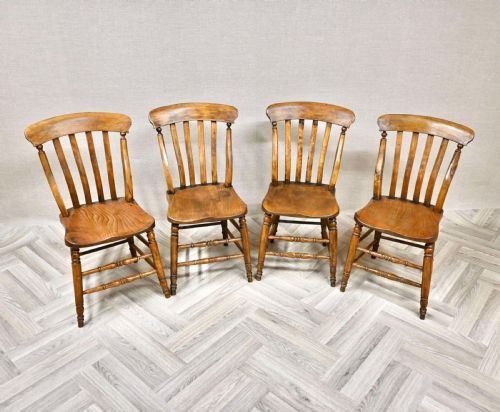
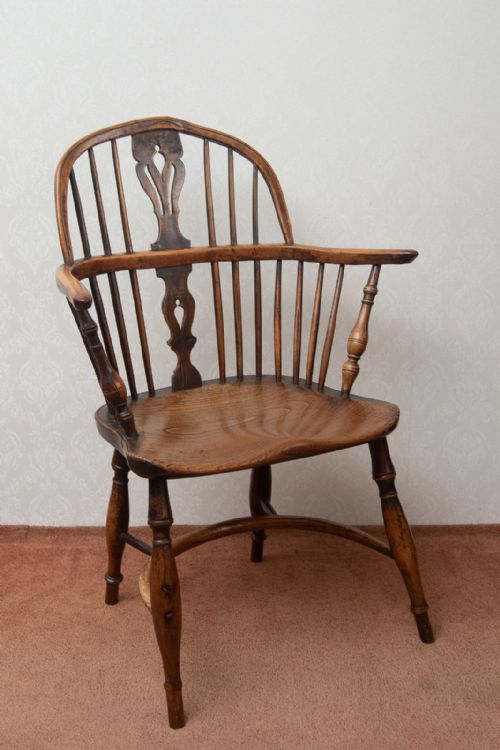
Solid wood kitchen chairs encompass sturdy dining seats, armchairs, and farmhouse designs shaped from timber during the nineteenth and early twentieth centuries. These pieces reflect vernacular English styles, including Windsor hoop and stick backs, lathe backs, and plain wood seats.
How they were made
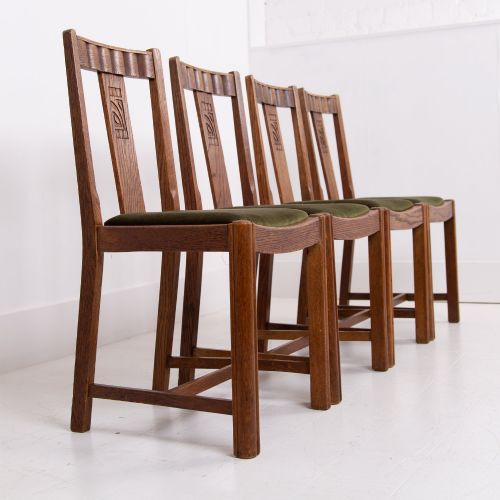
These chairs rely on traditional timber construction utilising solid hardwoods such as elm, ash, beech, and oak. Craftsmen shaped solid wood seats and turned spindles to create durable frames designed for daily domestic service.
Constructive techniques involve steam-bending wood for Windsor hoops and joining parts securely with traditional joinery methods suited to busy farmhouse kitchens.
Some sturdy farmhouse chairs retain faint grease marks from centuries of hearty kitchen suppers.
What varies in quality
Quality rests in the selection of timber and the harmony of matched sets, where uniform grain and consistent patination elevate a group. Individual pieces display finer turning on spindles and more carefully sculpted saddle seats, distinguishing standard utility chairs from superior regional examples.
The integrity of the structural joinery and the preservation of original timber surfaces determine the lasting character of each chair. Examples with well-matched timbers and intact vernacular details command greater appreciation among collectors of country furniture.
The Solid Wood Kitchen Chairs Glossary
- Windsor chair
- A wooden chair built with a solid sculpted seat into which the legs and back sticks are separately inserted. This form provides robust support through its distinctive stick-back construction.
- Lathe back
- A chair design featuring horizontal flat wooden slats fitted into the backrest. These slats are typically shaped on a lathe to offer comfortable lumbar support.
- Vernacular furniture
- Domestic items made by local craftspeople using regional traditions and readily available materials rather than following formal academic design rules. These pieces serve practical everyday needs in rural settings.
- Elm
- A durable hardwood with an interlocked grain that resists splitting, frequently selected for chair seats. Its tough nature makes it ideal for shaped wooden saddles.
Solid Wood Kitchen Chairs: Frequently Asked Questions
How do I care for wooden kitchen chairs?
Clean these wooden chairs using a soft, dry cloth to remove dust and avoid placing them near direct heat sources that can dry out the timber.
Apply natural beeswax periodically to nourish the wood surface and maintain a healthy, protective sheen over the grain.
Are these chairs comfortable for daily dining?
Traditional wooden seats are ergonomically shaped with carved saddles to provide surprising support during long meals.
Adding loose cushions can soften the seat further if desired for extended seating periods around the table.
How can I date an old kitchen chair?
Examine the timber patination, tool marks, and construction methods to understand the era of manufacture.
Comparing the spindle turning styles and wood combinations against known period examples helps narrow down the decade.
Can I mix different styles of kitchen chairs?
Combining various vernacular styles like Windsor and lathe back chairs creates a collected, informal country aesthetic.
Matching similar wood tones, such as elm and ash, helps tie diverse seating arrangements together harmoniously.