





Low Back Bow Chair
A low back bow chair offers sturdy seating with a curved back rail, combining traditional country craftsmanship with comfortable everyday use.
Low Back Bow Chair
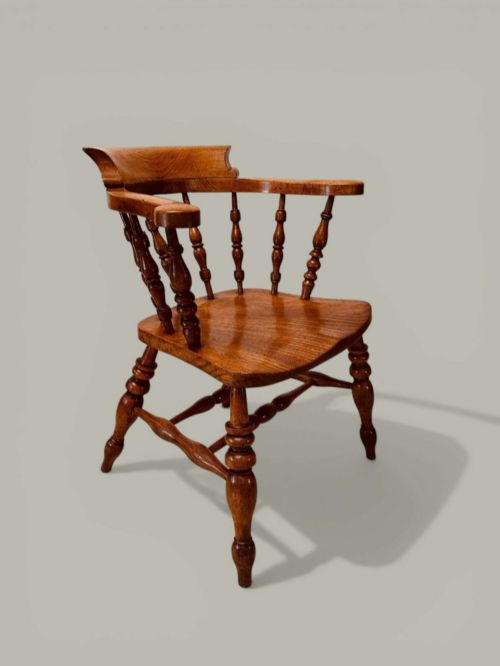
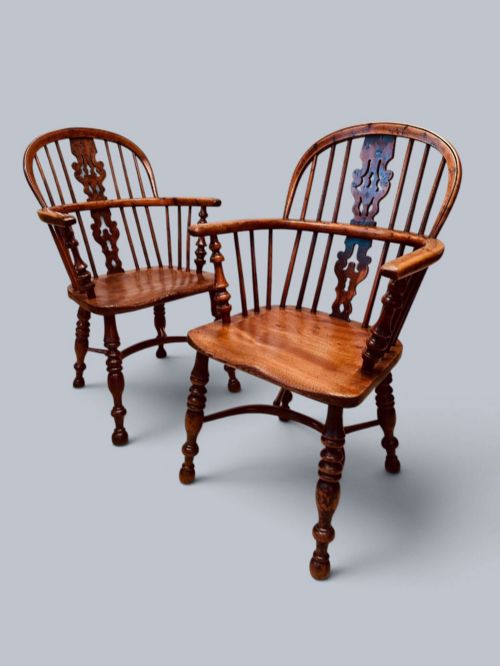
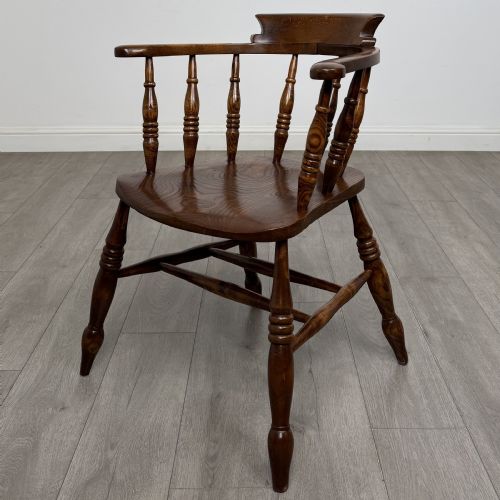
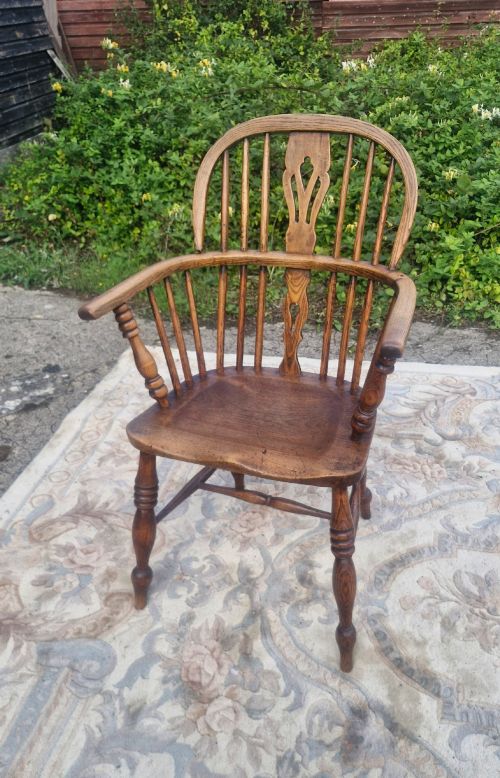
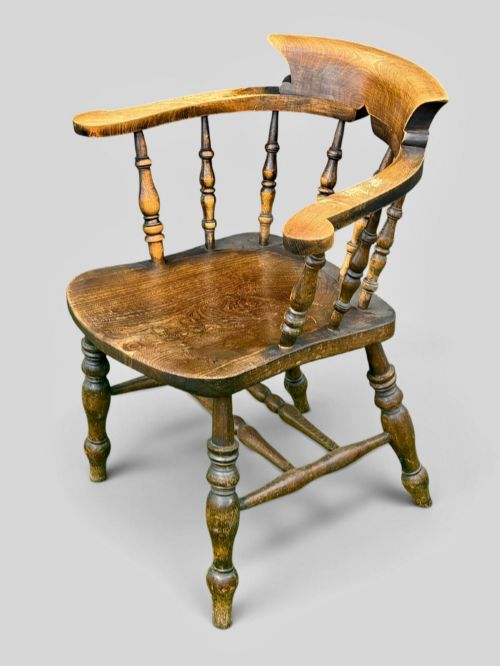
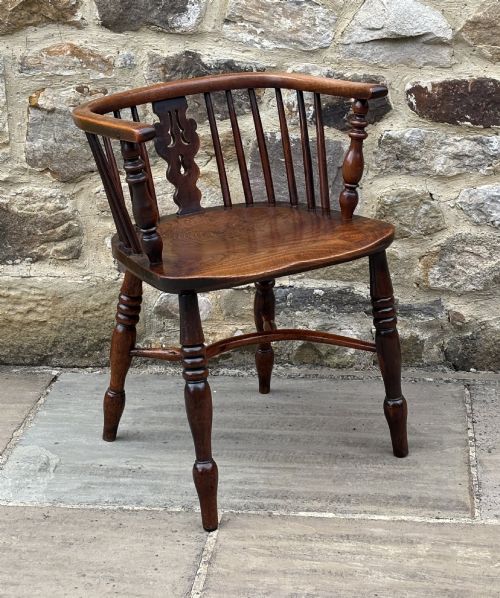
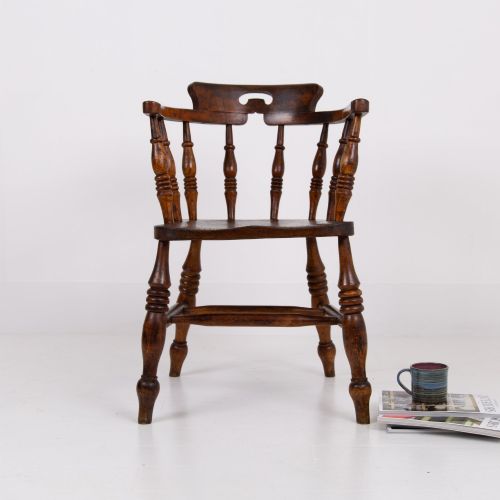
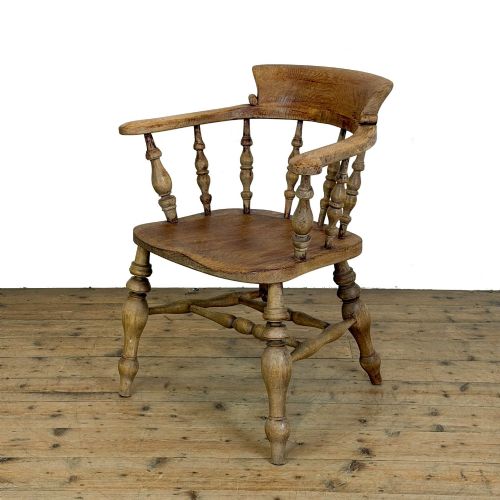
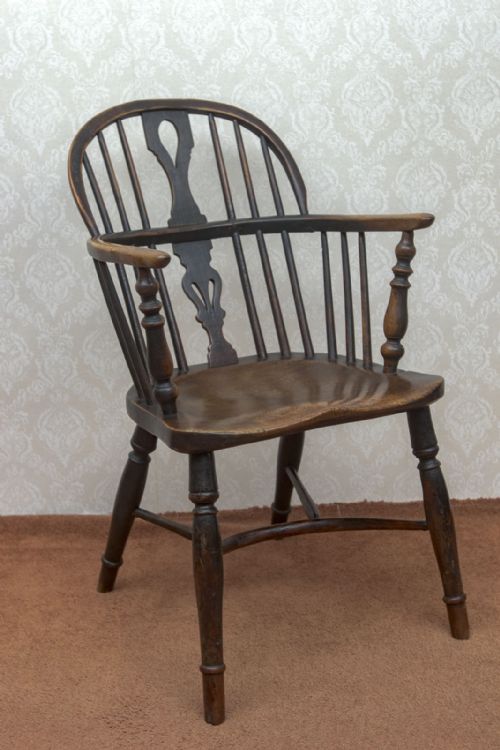
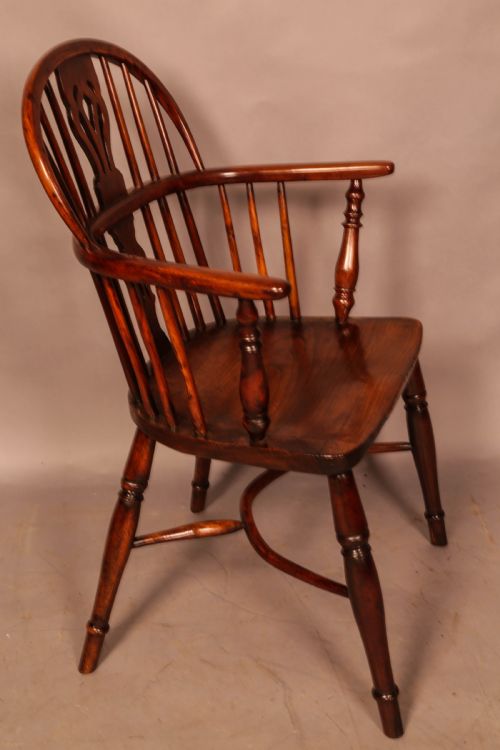
A low back bow chair is a form of Windsor or captain's chair, often described as a smoker's bow, designed with a continuous curved wooden back resting on short spindles above the seat. These pieces appear frequently from the nineteenth century in various regional English country styles.
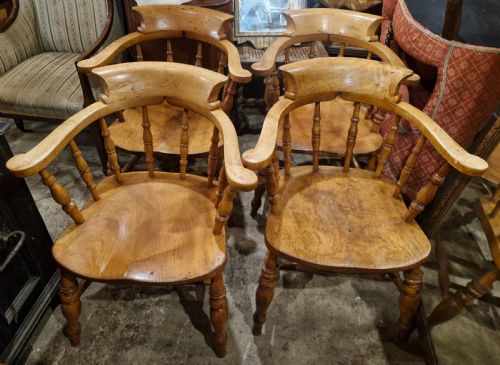
The selection includes single armchairs, matched sets of four, and larger dining sets, reflecting the domestic and tavern use of the period. Most examples combine robust seated comfort with traditional provincial woodworking methods.
Materials and construction
Makers built these chairs using mixed native timbers, commonly pairing elm for solid, figured seats with ash, beech, or oak for turned legs and curved back bows. Yew and rosewood also appear in select provincial pieces.
The construction relies on traditional joined components where spindles and legs fit securely into bored holes within the solid wooden seat, sometimes supplemented by a painted finish.
Low Back Bow Chair Retail Price Guide 2026
Typical asking prices for low back bow chair among the pieces listed under this phrase on Sellingantiques today, from the lower quarter to the upper quarter. They describe what is for sale here now, not the wider market.
Judging quality in provincial seating
Quality rests upon the selection of timber and the depth of the sculpted wooden seat, where thick, well-figured elm displays superior character. The fluidity of the steam-bent bow and the proportion of the turned spindles further distinguish finer examples.
Makers achieved durability through precise joinery and balanced proportions, ensuring the chair frame remains rigid without excessive reinforcement. The integrity of the original wood grain and surface patina defines the standing of each piece.
The Low Back Bow Chair Glossary
- Smoker's bow
- A low-backed wooden armchair with a continuous curved arm rail, popular in nineteenth-century parlours and inns. This form provides sturdy elbow support while remaining compact.
- Windsor chair
- A chair built with a solid wooden seat into which the legs and back spindles are directly inserted. This structural method underpins the strength of these country pieces.
- Elm
- A dense, tough native timber prized for seats because its interlocking grain resists splitting under pressure. Makers relied on this wood for durability.
- Steam bending
- The process of treating timber with moisture and heat to shape wooden rails into continuous curves. This technique creates the characteristic bow of the backrest.
Low Back Bow Chair: Frequently Asked Questions
What is a low back bow chair?
A low back bow chair is a traditional wooden seating form featuring a curved arm rail supported by short spindles above a solid seat. They belong to the broader family of Windsor and captain's chairs.
These pieces date primarily from the nineteenth century and reflect English provincial and country craftsmanship. Their sturdy design made them suitable for everyday use in both homes and establishments.
How were these chairs used?
These chairs served as practical seating around dining tables, in studies, and within public houses as smoking or parlour chairs. Their sturdy construction supported regular daily demands.
The low back design allowed them to fit easily beneath tables or beside hearths while offering comfortable support for the arms and lower back.
How do I date a nineteenth century chair?
Dating relies on observing tool marks, timber selection, turning styles, and assembly methods characteristic of the period. Nineteenth-century examples often display hand-turned spindles and distinct adze marks on the elm seat.
Comparing the wear patterns and timber shrinkage helps confirm the age of the piece. Regional variations in country workshops also provide clues to the approximate decade of manufacture.
Are these chairs comfortable for daily use?
The sculpted wooden seats and supportive curved back rails provide surprisingly comfortable seating for daily dining or desk work. Many people add a loose cushion for extra padding.
Their solid wood construction ensures they remain stable and durable for modern interiors. The compact proportions also allow them to fit well in various room layouts.