



Country Kitchen Desk Chair
A country kitchen desk chair brings honest vernacular craftsmanship and sturdy wooden comfort straight to a working workspace.
Country Kitchen Desk Chair
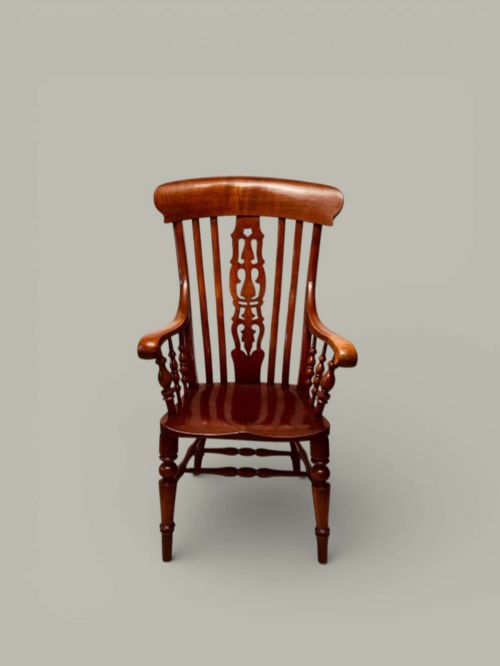
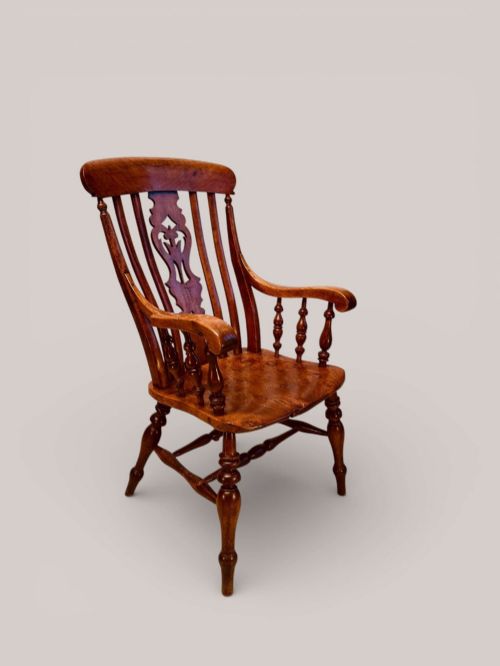
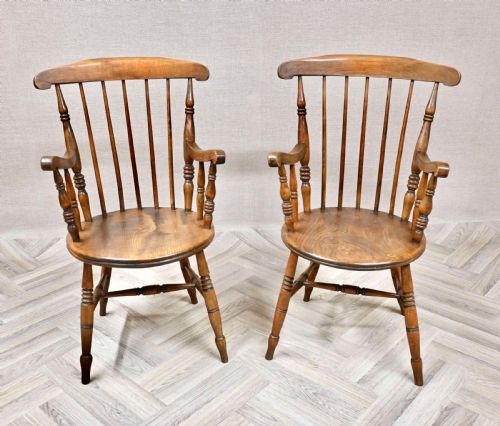
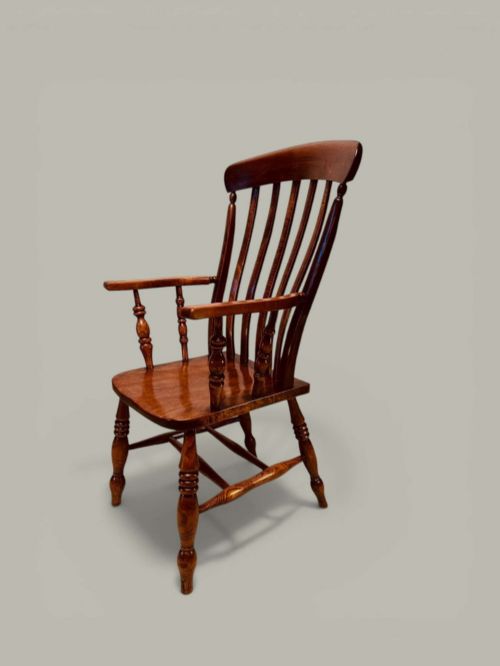
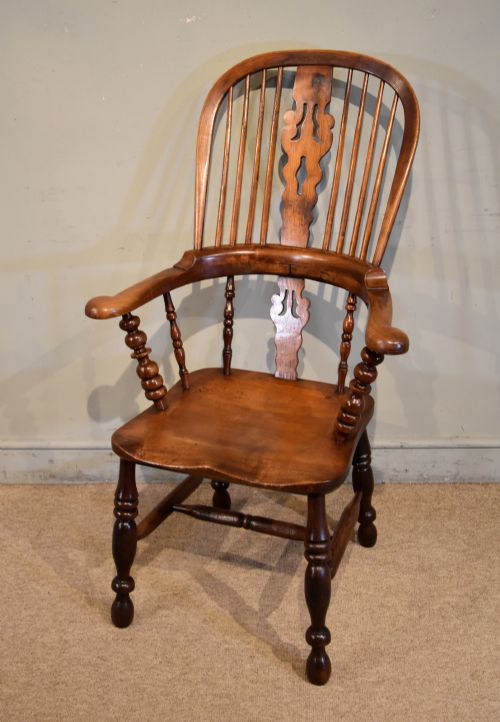
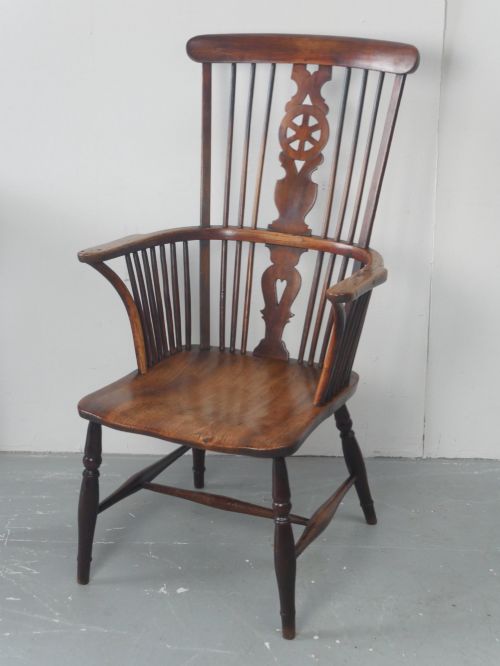
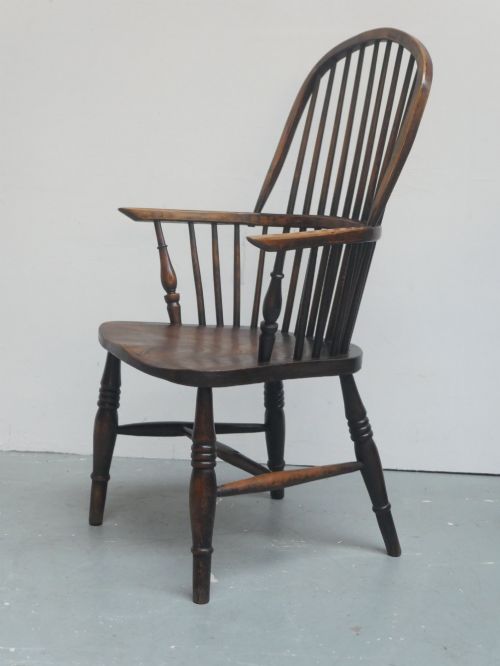
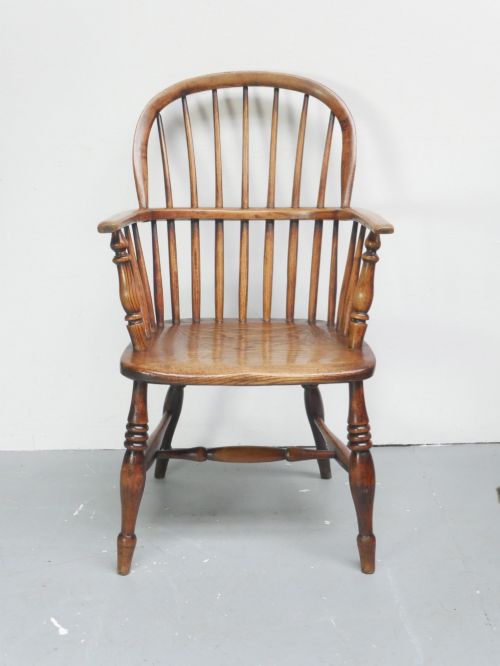
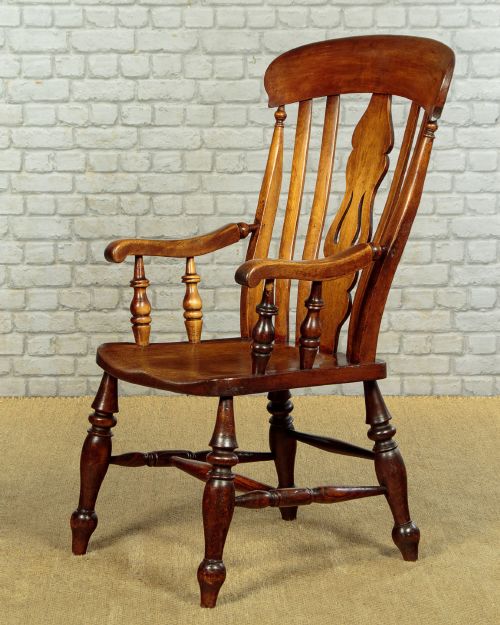
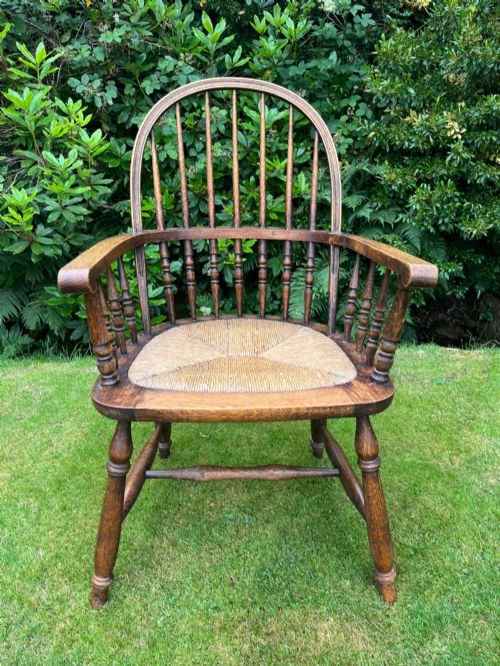
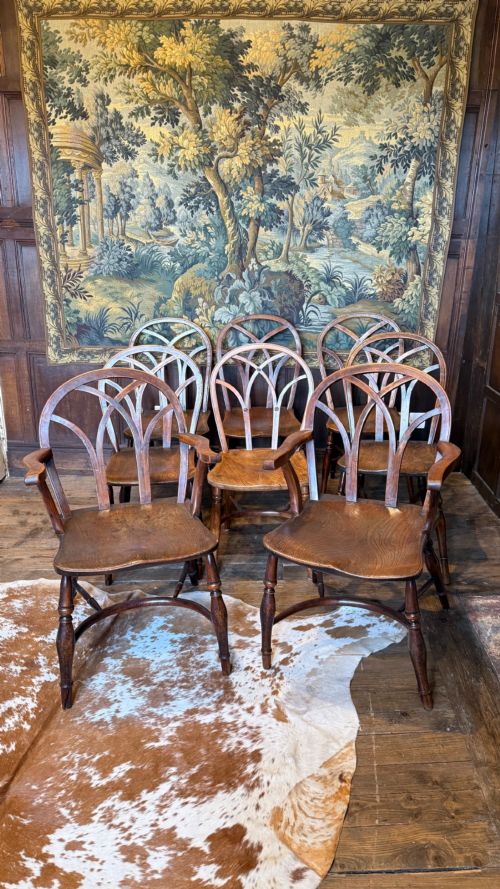
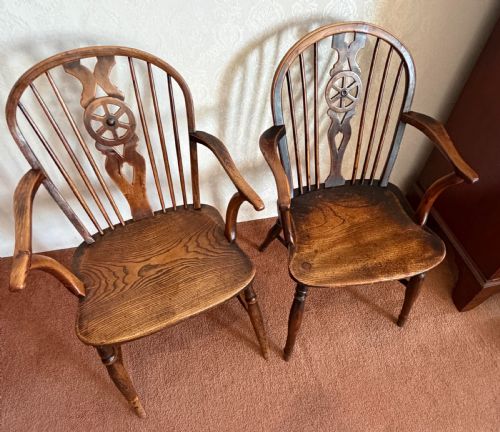
When you search for a country kitchen desk chair, you encounter robust seating built for utility in the nineteenth century. These sturdy wooden pieces typically take the form of Windsor armchairs, carvers, and stick backs designed to endure daily use.
The selection on this page centres on nineteenth-century examples, spanning Victorian periods down to around nineteen twenty. Woods like elm, beech, and ash dominate the forms, reflecting traditional British country styles.
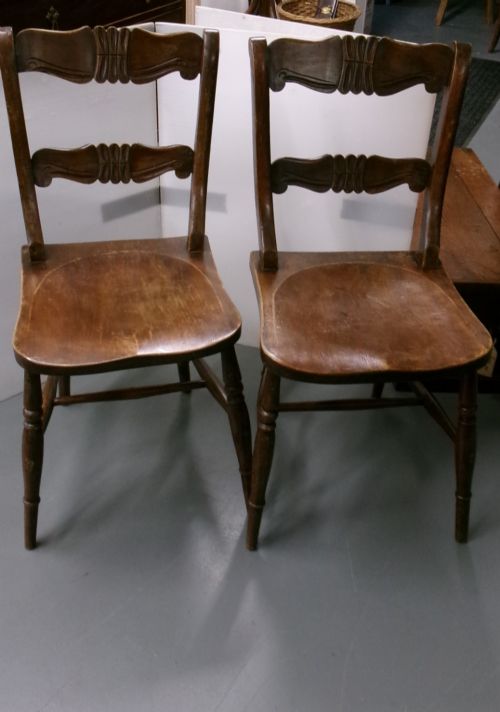
Makers shaped these utilitarian seats with solid wood saddles and spindle backs, creating practical furniture intended for farmhouse kitchens and home workspaces alike.
Materials and Construction Methods
Joiners and bodgers constructed these chairs using mixed woods, pairing resilient elm for scooped seats with flexible ash, beech, or alder for steam-bent bows and spindles. This thoughtful selection of timbers ensured both durability and comfort for long hours of sitting.
Traditional pole lathes and wedged tenon joints secured the components firmly together without metal screws. Many pieces also incorporated rush seating or painted finishes to protect the grain.
Country Kitchen Desk Chair Retail Price Guide 2026
Typical asking prices for country kitchen desk chair among the pieces listed under this phrase on Sellingantiques today, from the lower quarter to the upper quarter. They describe what is for sale here now, not the wider market.
Distinctions in Quality and Make
The quality of a nineteenth-century country seat rests on the thickness of the elm saddle and the grace of the turned spindles. Heavy, deep-seated proportions and well-balanced armbows separate finer artisan work from simpler utility chairs.
Subtle variations in the turning of the legs and the tightness of the wedged joints reveal the care taken by the original maker. Retaining original painted surfaces or rich timber patination elevates a piece above standard workshop output.
The Country Kitchen Desk Chair Glossary
- Windsor chair
- A wooden chair built with a solid sculpted seat into which the legs and back spindles are separately inserted. This construction method provides exceptional stability for daily sitting.
- Carver armchair
- A sturdy wooden seat featuring integrated armrests, often positioned at the head of a table or used for desk work. These pieces offer wider proportions than standard dining chairs.
- Stick back
- A chair design featuring plain, unshaped vertical spindles forming the backrest. It represents a simpler vernacular cousin to the pierced splat or wheelback.
- Penny seat
- A wooden chair seat featuring a circular depression carved into the centre. This shallow dish provides added comfort for the user.
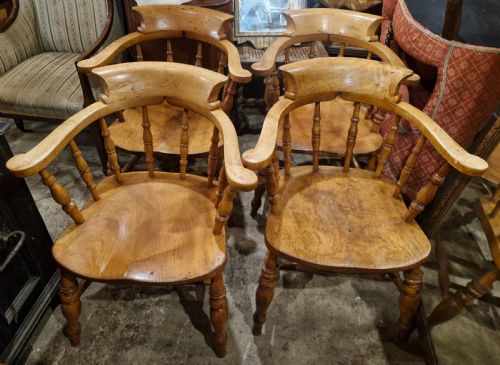
- Smokers bow
- A low-backed Windsor armchair with a continuous curved armrail popular in nineteenth-century domestic settings. It combines compact dimensions with robust support.
- Vernacular furniture
- Domestic objects made by local tradesmen using regional materials and traditional designs rather than high-style academic patterns. These pieces prioritise practical function above all else.
Country Kitchen Desk Chair: Frequently Asked Questions
How do I choose the right desk chair?
Consider the seat height and depth relative to your workspace to ensure comfortable daily sitting. Traditional wooden models offer sturdy support without modern mechanical adjustments.
Look for arm clearances that allow the chair to slide neatly beneath a desk surface. Measuring your knee clearance beforehand prevents awkward positioning.
Are these chairs comfortable for working?
Nineteenth-century country seats feature ergonomically scooped wooden saddles designed for long hours of domestic labour. Adding a simple linen or wool cushion provides extra softness.
The sturdy upright spindle backs encourage good posture during writing or administrative tasks.
How do I date a wooden Windsor chair?
Examine the species of wood, tool marks beneath the seat, and the turning style of the legs. Nineteenth-century examples often combine elm seats with ash or beech spindles.
Hand-augered holes and wedge construction point towards traditional workshop methods rather than twentieth-century mass production.
How do I care for antique kitchen chairs?
Maintain the timber by applying traditional beeswax periodically to nourish the dry wood. Avoid placing wooden chairs near direct heat sources that might cause splitting.
Check the wedged leg joints occasionally to ensure they remain tight and secure.