


Traditional Weight Driven Clock
Traditional weight driven clock mechanisms bring the measured pulse of past centuries into a room through brass, wood and gravity.
Traditional Weight Driven Clock
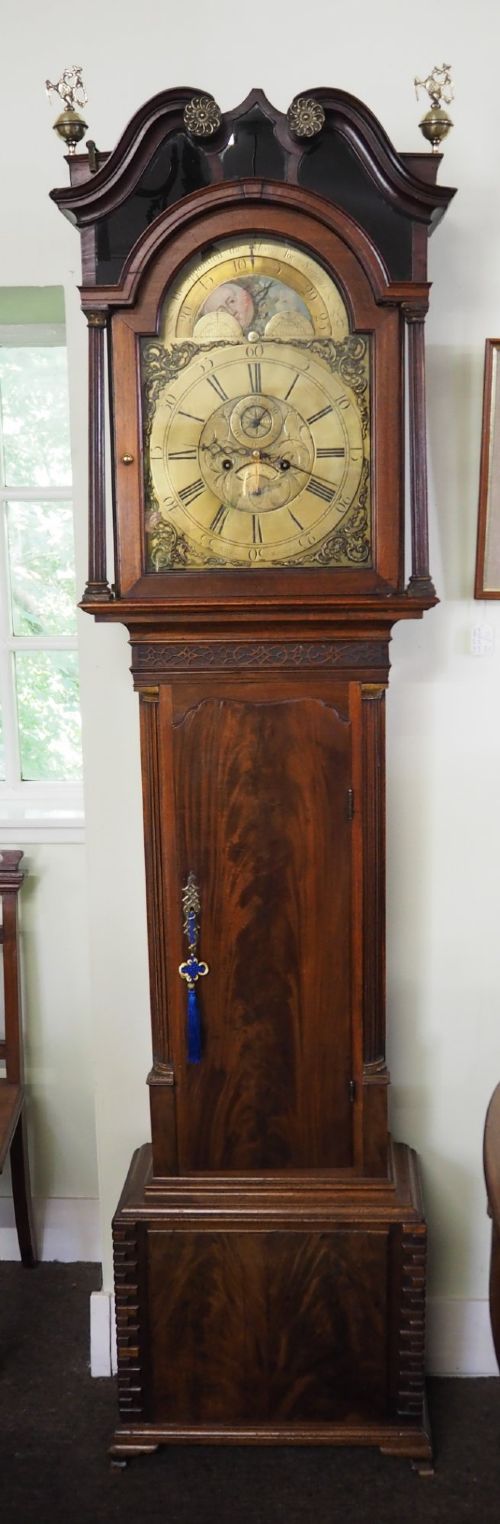
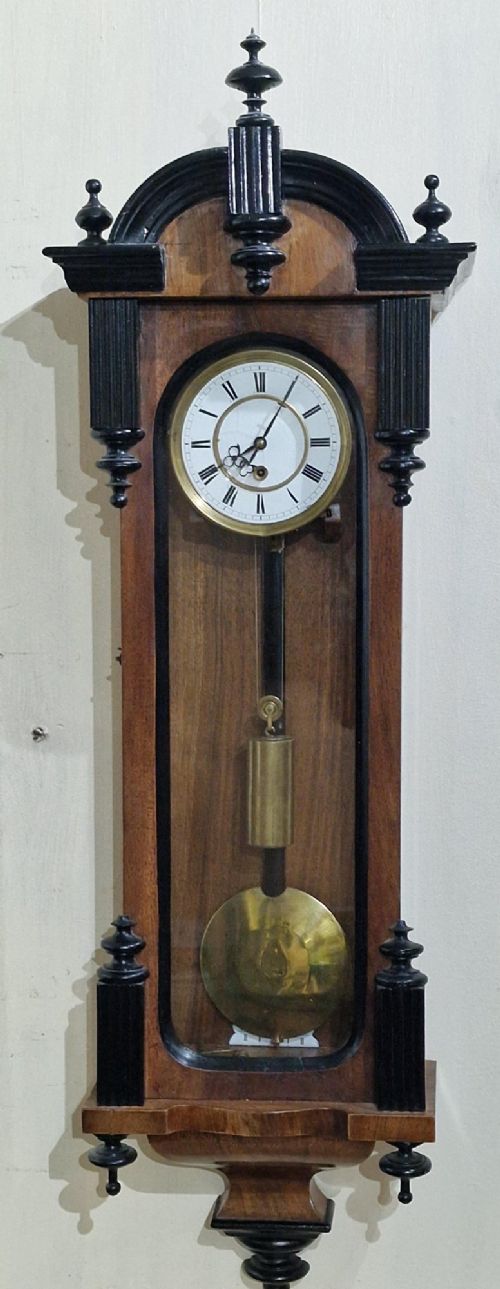
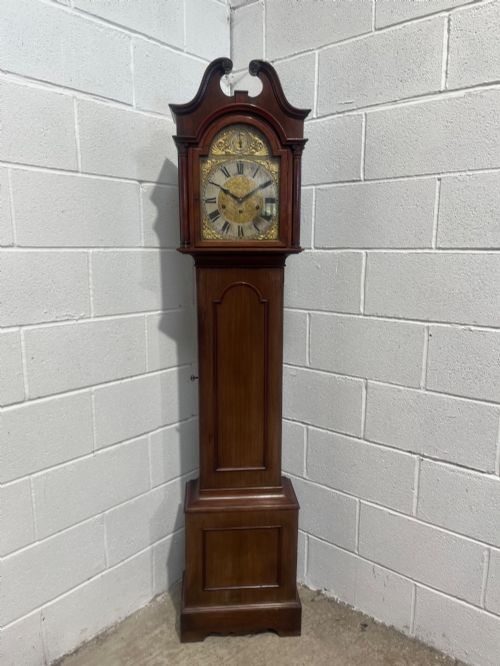
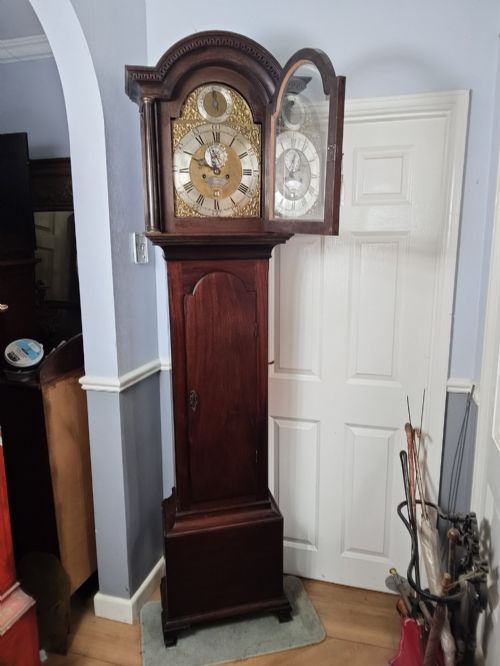
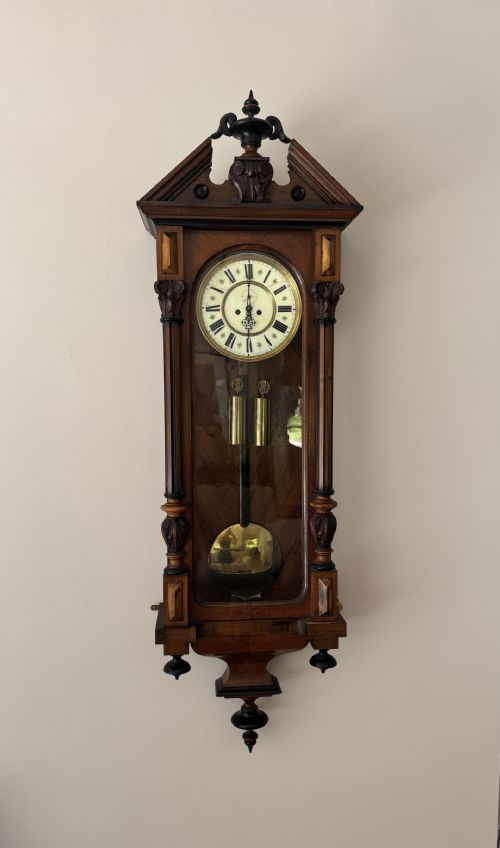
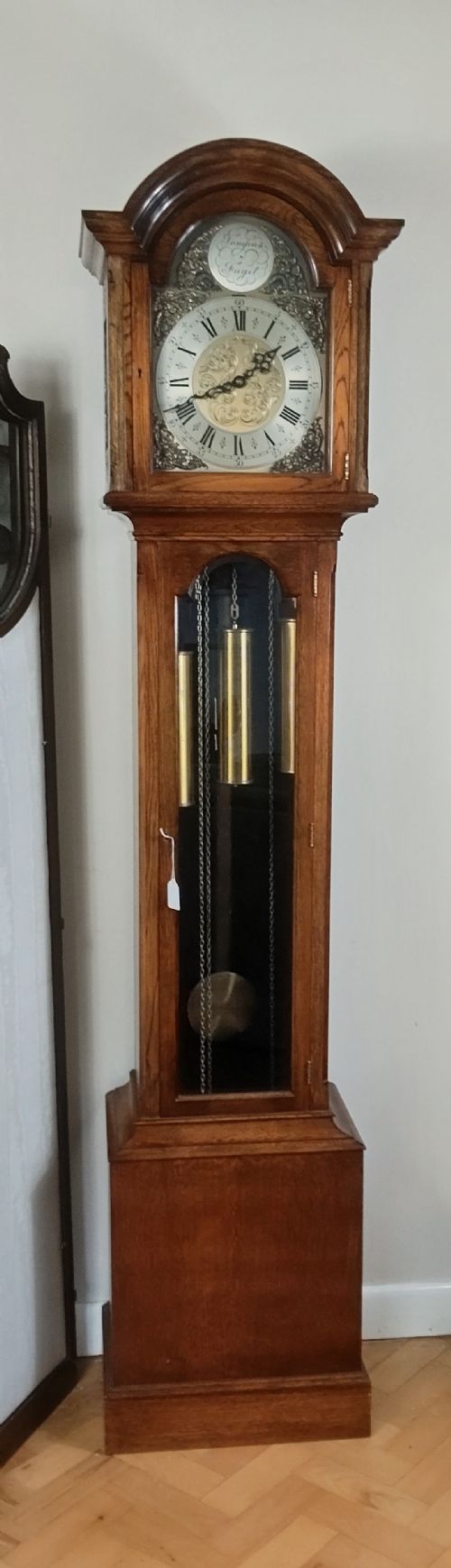
A traditional weight driven clock covers tall case clocks, floor-standing longcase examples, and wall-mounted regulators originating across several centuries. The longcase or grandfather clock dominates the selection, housed in timber cases of oak, mahogany, and walnut. Smaller wall clocks and Vienna regulators also appear frequently, driven by suspended brass weights rather than internal springs.
Makers from Georgian, Victorian, and Edwardian eras constructed these timepieces to mark the hours with striking mechanisms and pendulum control. Regional variations range from English mahogany longcases to Austrian wall regulators and Dutch hooded wall clocks. Buyers encounter both robust provincial pieces and refined urban clocks carrying the maker's signature upon the dial.
The layout spans grand floor models with arched dials down to compact grandmother clocks and miniature chime versions. Wall-hung variants include Biedermeier Vienna regulators and lantern clocks powered by falling weights. Each format relies on precise tension and gravity to maintain steady movement across eight-day or shorter runs.
Materials and Construction
Cabinetmakers built the exterior housings using native and imported hardwoods including oak, mahogany, and walnut, often applying lacquer or fine veneers. Brass components form the moving wheels, plates, and ornamental dials, paired with lead or cast iron weights suspended by cords or chains. Glass panels protect the delicate enamel or brass dial faces while revealing the swinging pendulum inside.
Movements feature brass gear trains driven by weights that descend inside the case, regulated by the steady swing of a pendulum. Dials utilise painted enamel, brass chapter rings, or engraved silvered plates to mark the hours and minutes. Craftsmen housed these intricate mechanical systems within fitted wooden hoods and cases designed to shield the gears from dust and air currents.
Some provincial makers proudly inscribed distant Welsh towns directly onto their brass dials, ensuring their craftsmanship outlived them by centuries.
Evaluating Quality and Craftsmanship
The refinement of the dial and the execution of the timber case determine the standing of an example within its period. High-quality pieces feature finely engraved brass dials, crisp dial painting, and well-proportioned hardwood cabinetry free from clumsy repairs or inappropriate wood substitutions. Secondary woods and simplified movement finishing distinguish more utilitarian provincial work from urban masterpieces.
The sophistication of the movement and its striking train further separate standard production from superior output. Clocks with complex quarter-chiming capabilities, maintaining power during winding, or precision deadbeat escapements reflect advanced horological skill. Original weights, matching pendulums, and untouched maker signatures on the dial elevate the integrity of the piece.
JOHN SPERSHOTT OF TETCHFIELD·Henry Deykin·Wm Stanford·ROB PARRY PWLLHELI·Gillett & Johnston·JJ Elliot·WENHAM & SON OF DEREHAM
The Traditional Weight Driven Clock Glossary
- Longcase clock
- A tall pendulum clock enclosed in a wooden case that stands directly on the floor. These pieces are frequently called grandfather clocks.
- Vienna regulator
- A precision wall-mounted pendulum clock developed in Austria during the nineteenth century. They utilise visible weight drives and refined wooden cases.
- Lantern clock
- An early brass-cased domestic clock designed to hang on a wall or sit on a bracket. They represent some of the earliest weight-driven domestic timepieces.
- Grandmother clock
- A smaller, scaled-down version of the traditional longcase clock. They were produced primarily during the twentieth century.
- Escapement
- The mechanical linkage that translates the swing of the pendulum into controlled rotation of the gear train. It gives the clock its characteristic ticking sound.
Traditional Weight Driven Clock: Frequently Asked Questions
How do I wind a weight driven clock?
Winding involves drawing the suspended weights back to the top of the case using a crank or key inserted into the dial face. Care must be taken not to overwind the mechanism.
Ensuring the weights do not jam against the case interior protects the suspension cords and maintains proper tension across the gear train.
Where should I place a longcase clock?
These clocks require a stable, dry interior wall away from direct sunlight, drafts, and heavy vibrations from footsteps. Placing them on a level surface ensures the pendulum swings evenly.
Securing the tall wooden case to the wall using discreet brackets prevents tipping, particularly in homes with children or pets.
How do I tell an 18th century clock from a Victorian one?
Eighteenth-century examples typically feature square or arched brass dials with cast spandrels set inside simpler oak or early mahogany cases. Movement plates and hand styles reflect earlier hand-tooling techniques.
Victorian pieces often display larger proportions, elaborate carved walnut or mahogany cabinetry, and painted enamel dials with more varied chiming options.
What is the difference between an 8 day and a 30 hour movement?
An eight-day movement requires winding approximately once a week, utilising longer drops or a compound pulley system within the case. These mechanisms were generally more costly to produce.
Thirty-hour movements need winding daily and typically feature simpler gear trains without secondary striking or chiming gear trains.