
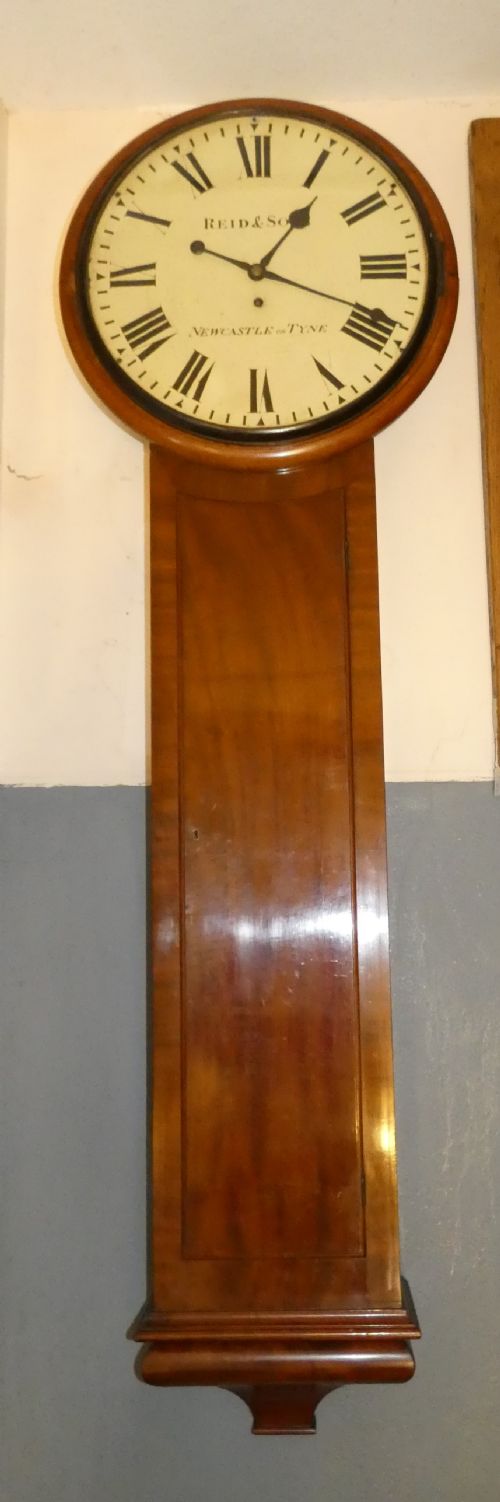


Regulator Longcase Clock
When you encounter a regulator longcase clock, you are looking at an instrument built for supreme timekeeping accuracy.
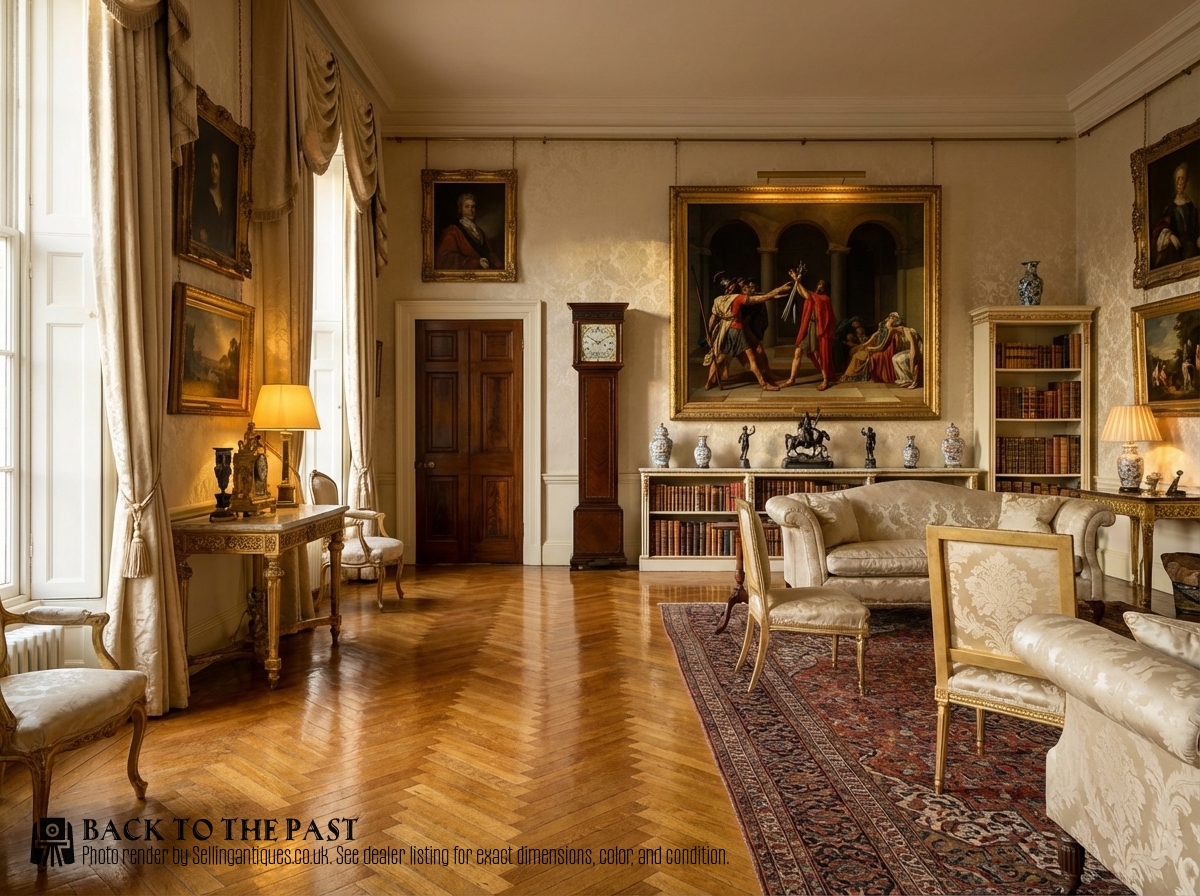
Regulator Longcase Clock
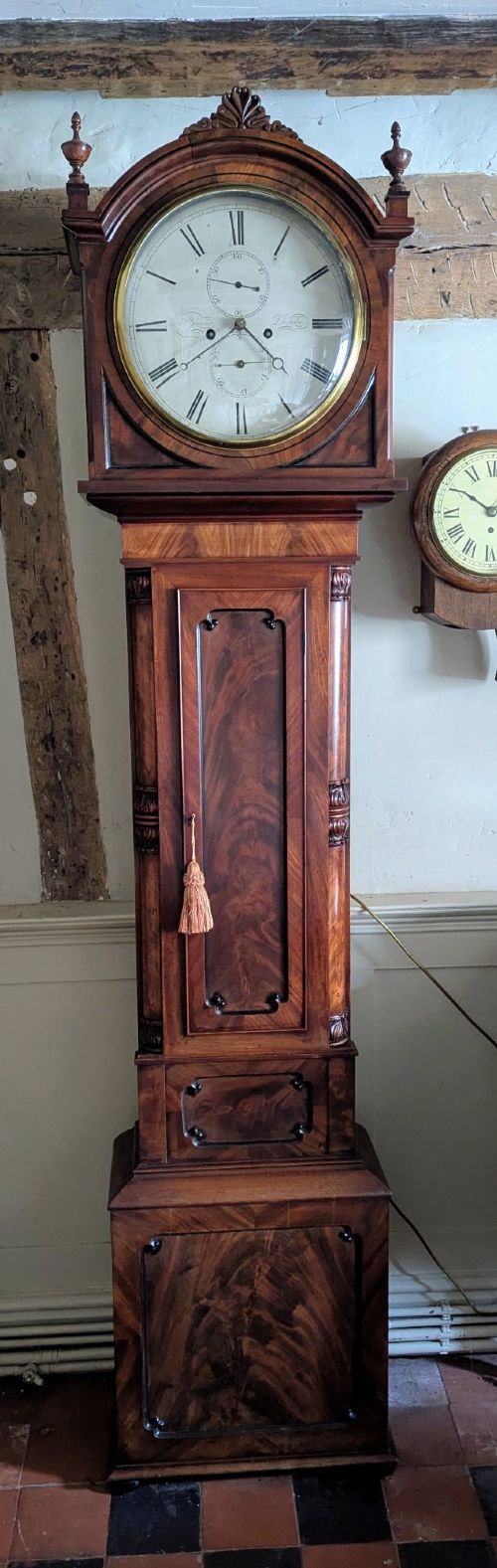
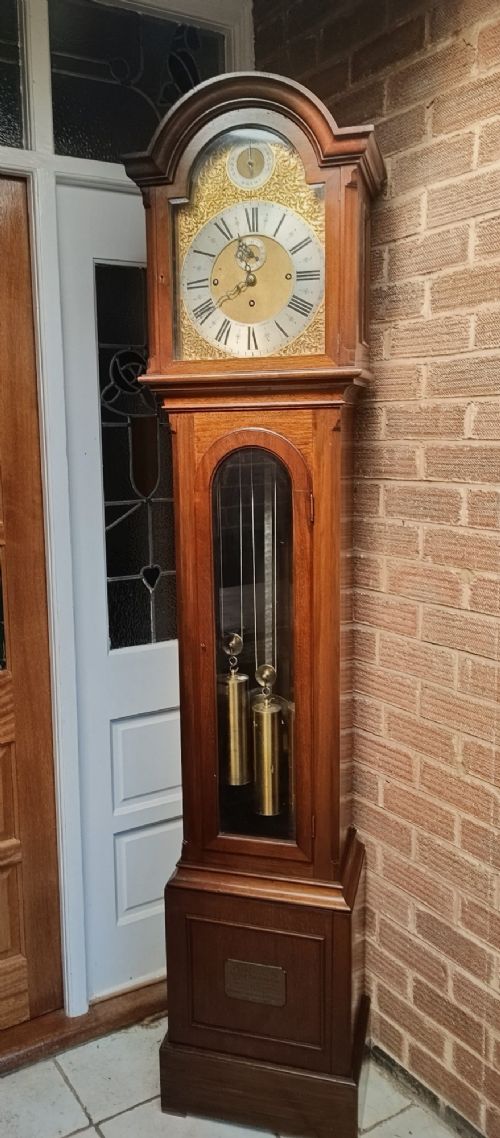
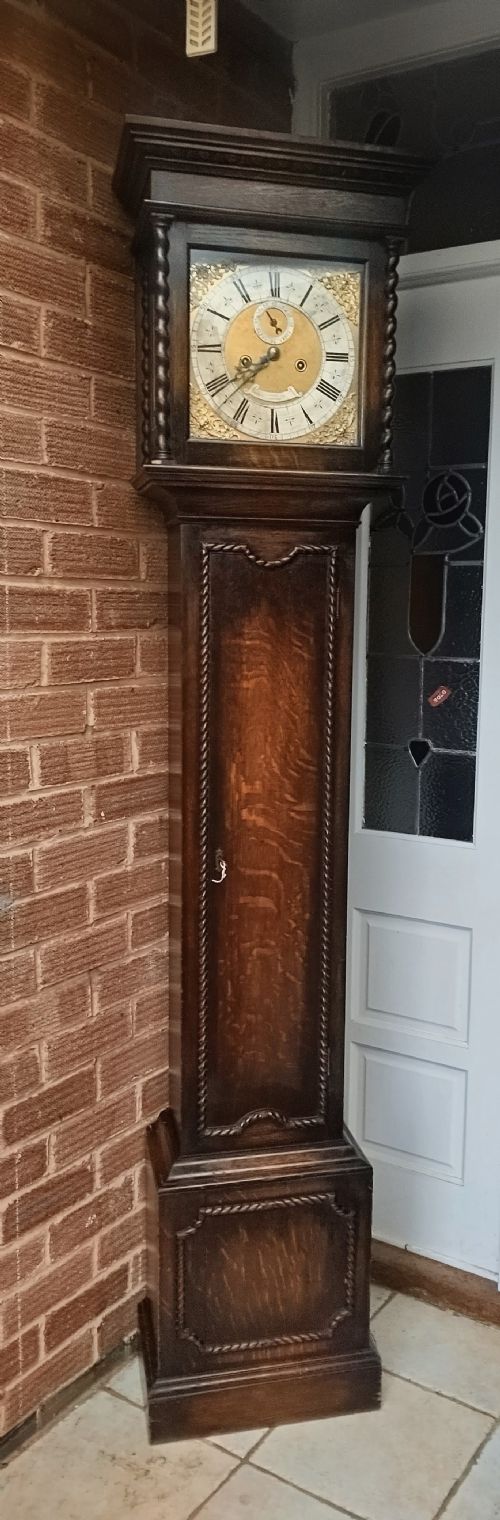
A regulator longcase clock represents the pinnacle of domestic horology, designed specifically to maintain precise time rather than merely mark the passing hours. The examples gathered here span from the strict utility of the Georgian period through the elaborate styling of the Victorian and Edwardian eras, reflecting both English provincial workshops and continental centres.
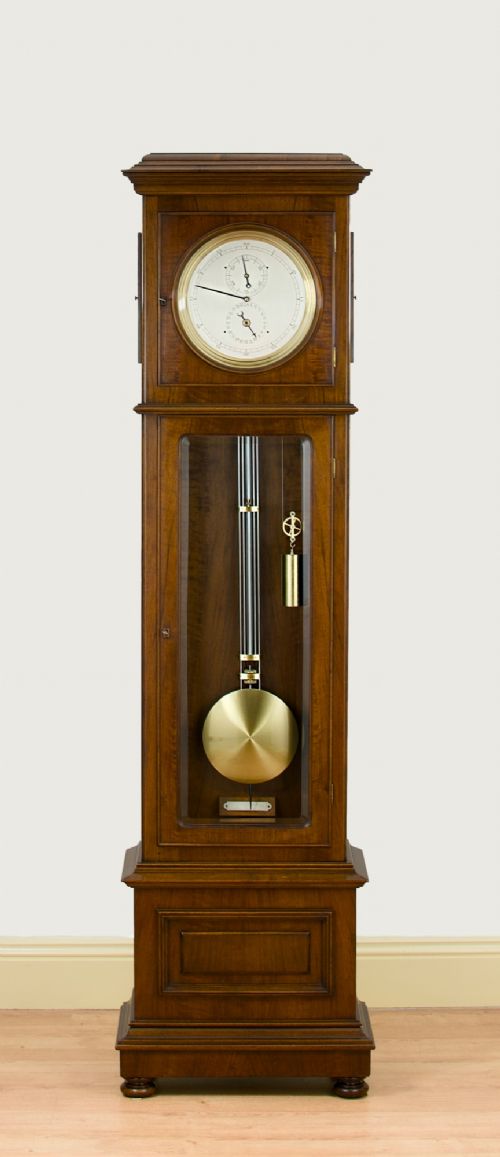
The most common form you will meet on this page is housed in a tall wooden case with a glazed door, allowing an unobstructed view of the pendulum and weights. These pieces range from modest domestic timekeepers to complex musical or chiming movements by notable regional and London makers.
How They Were Made
Cases were predominantly constructed from dense timbers such as mahogany and oak, occasionally enriched with kingwood veneer or ormolu mounts to suit prevailing tastes from Regency to French Rococo styles. Timber selection was vital to minimise movement from humidity, ensuring the internal mechanism remained stable.
Inside, movements relied on brass plates and wheels paired with silvered metal dials and enamel details. Precision engineering demanded meticulous tooth-cutting on gears and the integration of specialised escapements to govern the descent of the heavy weights.
Listings feature eighteenth-century origins up to nineteen-thirty, spanning mahogany, oak, and kingwood across English and French styles.
What Varies in Quality
The distinction between a standard timekeeper and an exceptional piece rests in the sophistication of the movement and the integrity of the escapement. Finer examples incorporate heavy brass framing, jewelled pallets, and maintaining power to keep the clock running while being wound.
Cabinetwork also dictates worth, separating mass-produced housings from those featuring hand-selected mahogany grain, fine brass stringing, and heavy bevelled glass door panels. The harmony between the precision of the mechanics and the proportions of the wooden enclosure defines the higher tier of these instruments.
Elliott·Lenzkirch·Gillett and Johnston·James Wood·William Chisholm·Pearce and Sons·Aitchison of Glasgow·Hampston Prince and Cattles·Frederick Rowe·Richard Rowell·Barr of Glasgow·John Addison·Galbraith Of London·Recordon Of London·James Muirhead·Mudge and Dutton·Thomas Best·Simon Levin·Skelton·Mclaren Of Edinburgh·Lakin of Tamworth·James Macfarlane·Saunders of London·Hedge of Colchester·Brysons of Edinburgh
The Regulator Longcase Clock Glossary
- Deadbeat escapement
- An escapement design that eliminates recoil in the pendulum, ensuring maximum timekeeping accuracy. It is a defining feature found in true regulators.
- Maintaining power
- A mechanism that supplies temporary drive to the gear train during winding so the clock does not lose time. This device is typical of high-grade movements.
- Silvered metal
- A brass dial surface treated with a silver compound to create a matte, reflective finish for engraved numerals. It provides high legibility under varying light conditions.
- Ormolu
- Gilded bronze used for decorative mounts and accents, frequently seen on French-influenced cases. The technique involves applying a mercury and gold amalgam to shaped bronze.
Regulator Longcase Clock: Frequently Asked Questions
What makes a regulator different from a normal grandfather clock?
A regulator is built specifically for exceptional precision rather than casual timekeeping. These movements typically incorporate deadbeat escapements and heavy pendulums designed to reduce friction and error.
The cases also reflect this accuracy focus, usually featuring full-length glass doors to allow easy observation of the pendulum swing and weight drop without opening the main housing.
How do I wind a longcase regulator?
Winding involves using a specialised crank key to pull up the suspended weights via a cord or cable system. You must take care not to overwind the barrel or chain, stopping as soon as the weight reaches its upper limit.
Most quality examples feature maintaining power to keep the mechanism running during this process so the time does not need resetting afterwards.
Where should I place a longcase clock in my home?
These tall instruments require a stable, vibration-free interior wall away from direct sunlight, central heating vents, and damp exterior stone. Constant temperature and humidity prevent the wood case from warping and the metal components from corroding.
Securing the upper trunk directly to the wall ensures the pendulum swings with absolute uniformity without interference from floor vibrations.
How do I distinguish a Regency regulator from a Victorian one?
Regency pieces often display clean architectural lines, flame mahogany veneers, and restrained brass inlay reflecting neoclassical tastes. They prioritize mechanical honesty and strict legibility on the silvered dial.
Victorian and Edwardian versions frequently introduce heavier proportions, arched hoods, or revival decorative motifs like Jacobean carvings and French-style ormolu mounts, reflecting changing domestic fashions.