


Traditional Walnut Chairs
Traditional walnut chairs bring centuries of cabinet-making skill into daily use, offering robust timber frames and rich grain patterns that anchor a room.
Traditional Walnut Chairs
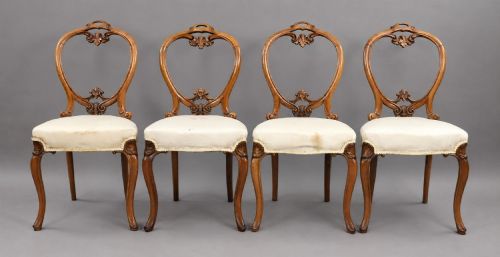
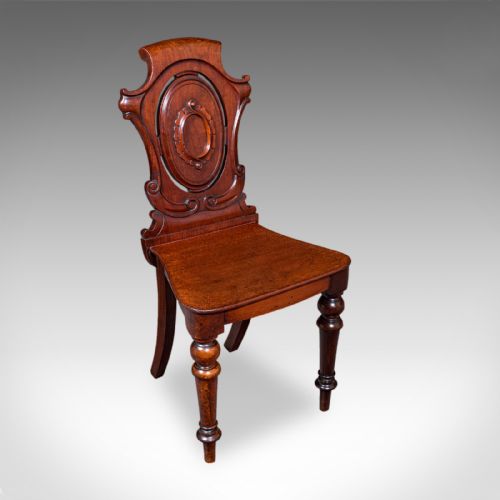
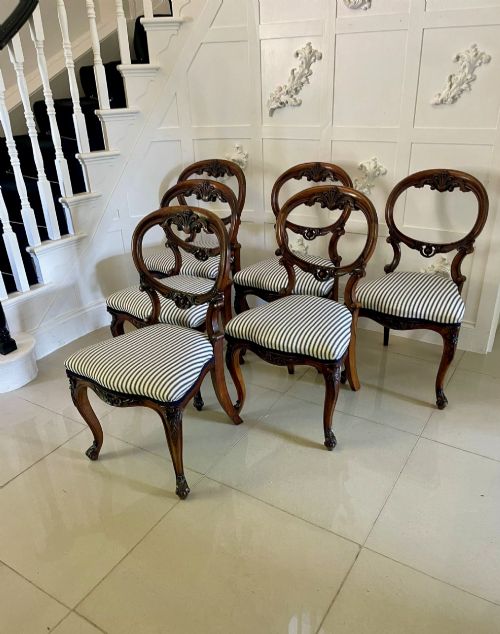
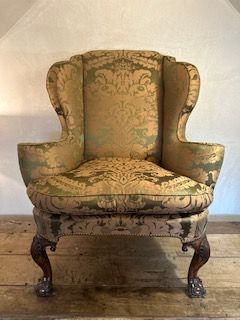
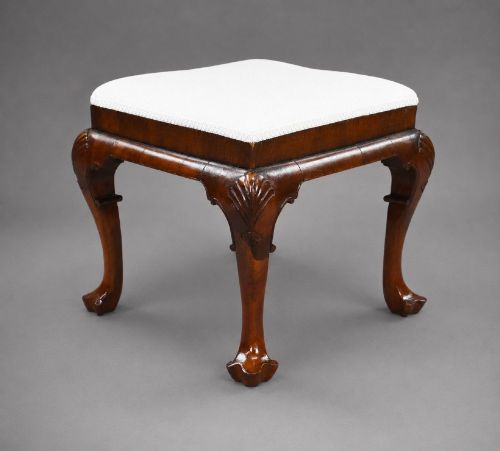
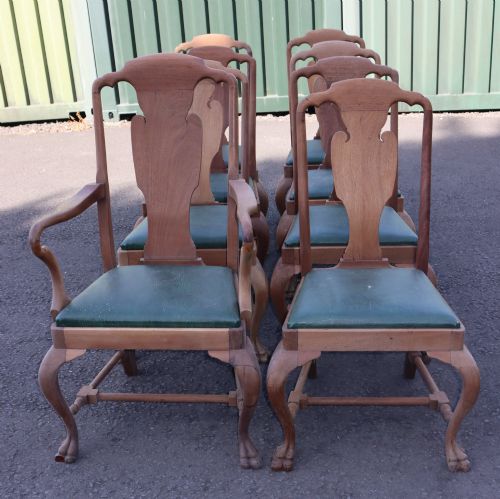
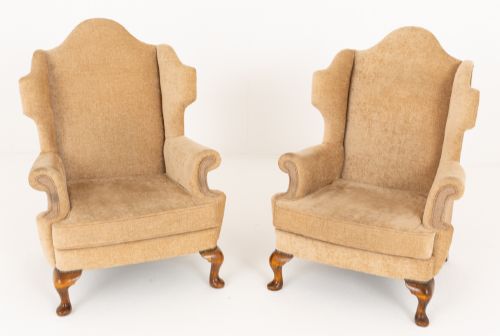
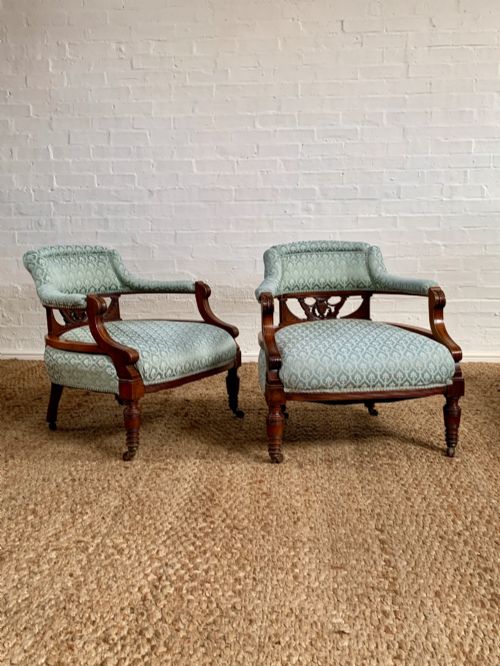
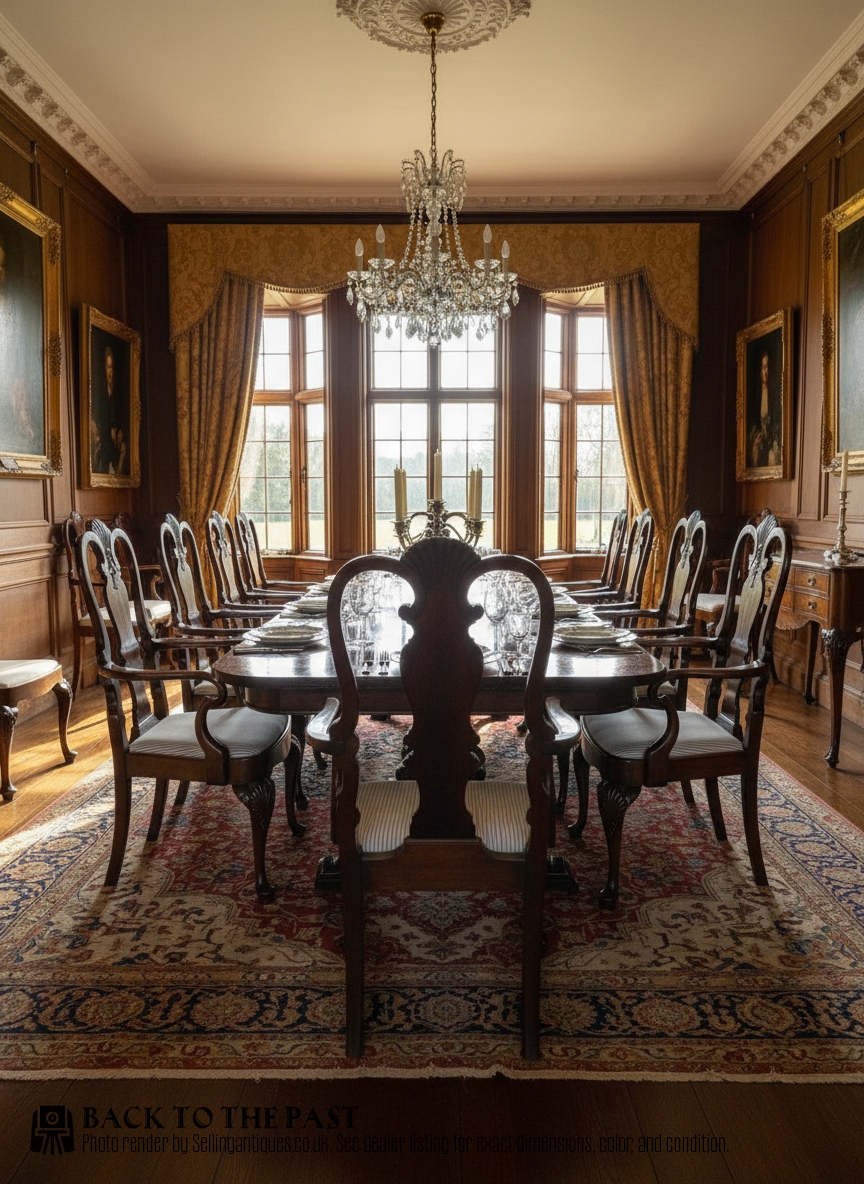
Traditional walnut chairs encompass a broad spectrum of seating, from single dining chairs to large sets and comfortable armchairs. These pieces draw on design vocabulary from the eighteenth century onwards, with Queen Anne styles and Victorian balloon backs appearing frequently.
Buyers encountering this selection will find formats ranging from low-backed desk chairs and library armchairs to matched sets intended for formal dining rooms. The underlying timber provides a dark, lustrous medium that adapts readily to various historic revival movements.
How traditional walnut chairs were made
Makers utilised solid walnut and burr walnut veneers over secondary timbers, shaping the frames through careful joinery and hand carving. Structural integrity relied on mortise and tenon joints, whilst decorative flourishes like parcel-gilding or carved cabriole legs required steady handwork.
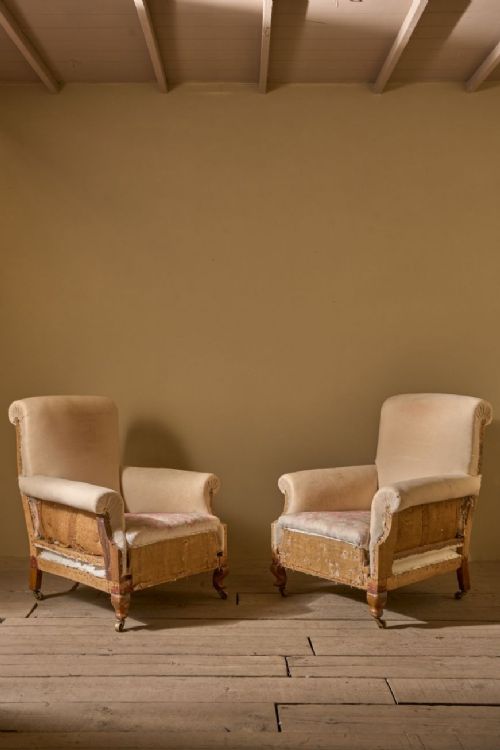
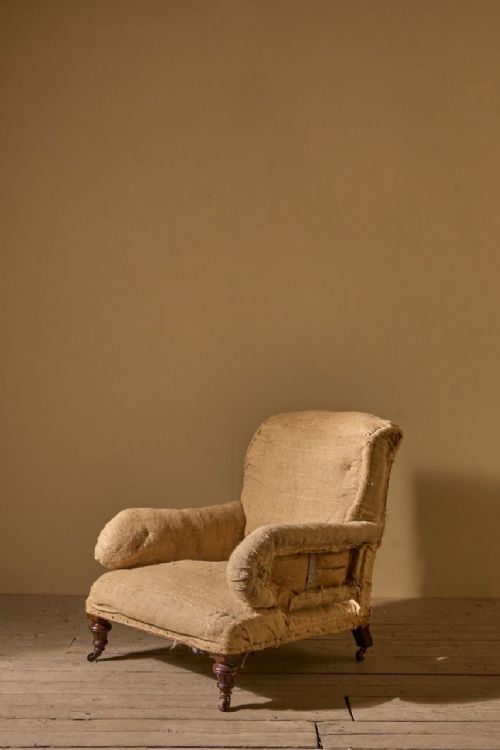
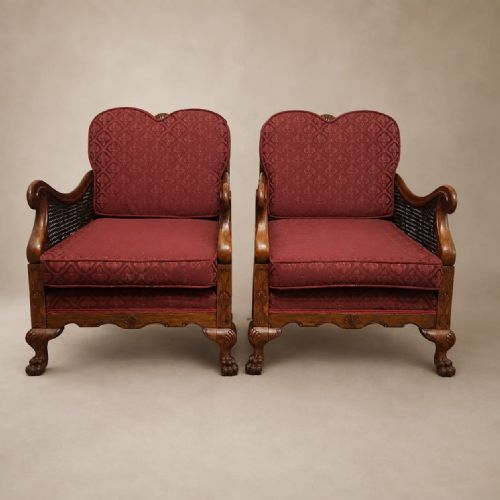
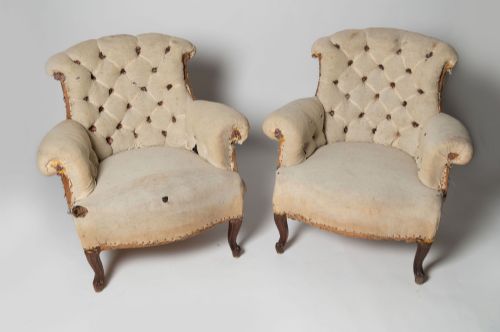
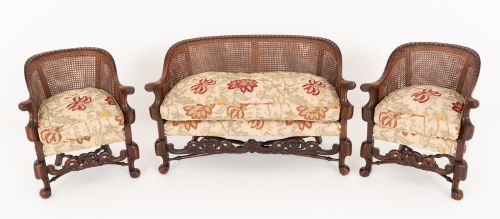
Upholstery techniques matched the period of construction, employing traditional materials such as hessian, webbing, and horsehair beneath top coverings of leather, velvet, calico, or heavy textile. Split cane panels also feature in specific bergere designs, woven tightly into the wooden framework.
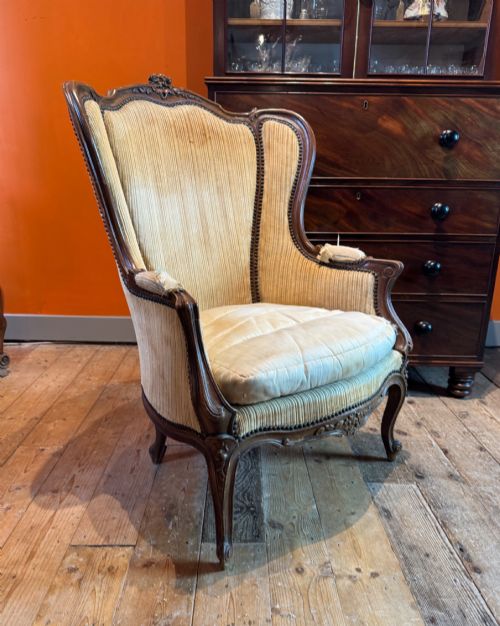
The inventory records walnut chairs spanning from the eighteenth century through the Edwardian era, encompassing Victorian dining sets and French styles.
What varies in quality
The standard of a piece depends heavily on the crispness of the timber carving and the selection of the walnut grain itself. Higher tier examples demonstrate deep, well-figured burr patterns and fluid lines that reveal the maker's mastery over the dense wood.
Integrity of the underlying frame construction and the preservation of original upholstery support systems dictate longevity. Pieces that retain their original joinery without excessive drying or structural movement stand apart from later replacements or heavily restored counterparts.
Charles Tozer·SF Cullen·Howard and Sons·Shoolbred·Daniel Marot
The Traditional Walnut Chairs Glossary
- Walnut
- A dense, durable hardwood prized for its rich dark brown colour and varied grain patterns. It served as a primary material for high-end furniture across multiple centuries.
- Bergere
- An enclosed upholstered armchair featuring wooden framing and cane or upholstered sides. This form offers deep seating comfort.
- Cabriole leg
- A furniture leg that curves out and then narrows inward, typically ending in a pad or claw foot. It draws inspiration from animal limbs and defines many Queen Anne designs.
- Burr walnut
- Wood taken from a tree growth or knot, yielding highly figured and swirling patterns. It is used as a decorative veneer on prominent surfaces.
- Balloon back
- A rounded, oval-shaped chair back resembling a blown balloon. This silhouette is particularly common in nineteenth-century dining seating.
Traditional Walnut Chairs: Frequently Asked Questions
How do I identify a Queen Anne style walnut chair?
Queen Anne style walnut chairs typically feature curved cabriole legs, pad feet, and smooth, vase-shaped splats down the centre of the backrest. The overall silhouette prioritises curved lines over rigid straight edges.
Makers working in this manner often avoided excessive carving, letting the warm grain of the walnut timber provide the primary visual interest.
What is a bergere armchair?
A bergere is a closed-arm upholstered armchair with wooden framing, often incorporating cane work along the sides and back. These seats provide a substantial, enclosed shape suited for reading or relaxation.
They appear in various historic revivals and frequently include loose seat cushions resting over a supportive webbing base.
Are these chairs suitable for daily dining?
Many of these pieces are designed specifically as dining chairs, offering sturdy frames and supportive upright backs. Sets range from small groups of four up to larger dining suites.
When assessing them for daily use, consider the seat height and the durability of the current textile or leather covering.
How do I care for antique walnut furniture?
Maintain walnut chairs by keeping them away from direct sunlight and sudden temperature changes, which can dry out the timber and cause splitting. Dust them regularly with a soft, dry cloth to protect the polished surface.
Avoid commercial silicone sprays and consult a professional restorer if the frame requires structural attention.