


Antique Style Seating
These pieces of antique style seating span centuries of domestic craft, offering robust timber frames and period upholstery for daily use.
Antique Style Seating
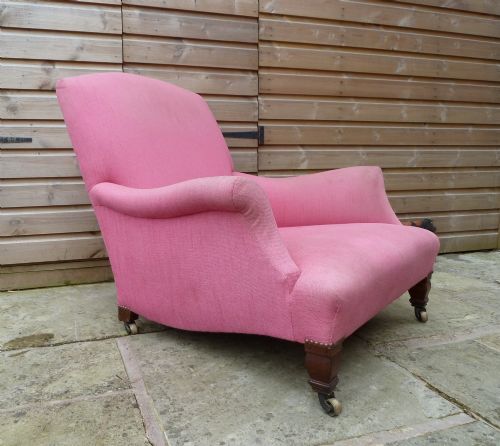
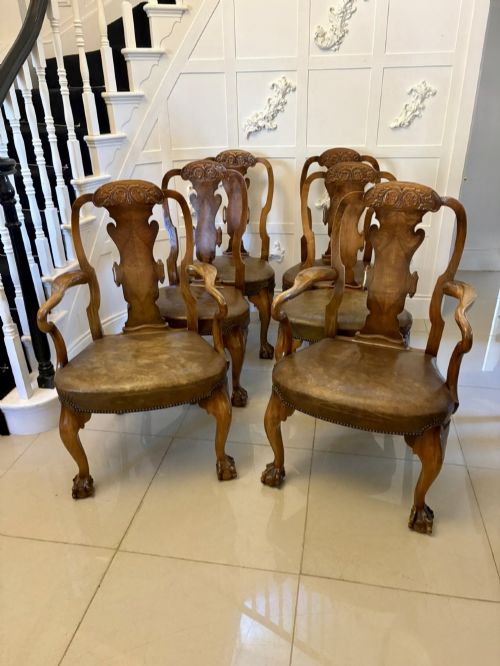
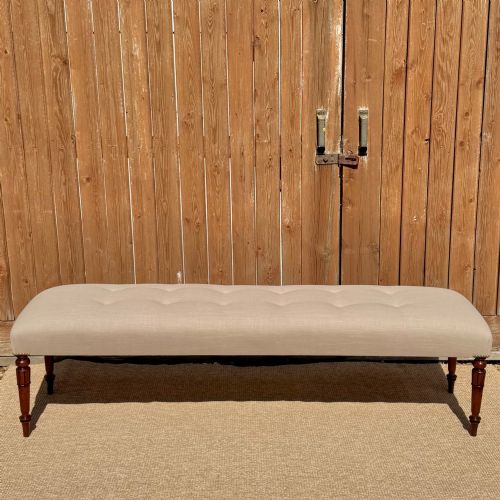
When you examine antique style seating, you find functional domestic furniture designed for dining, repose, and occasional use across sitting rooms and halls. The selection includes dining chairs, armchairs, benches, and stools originating from the eighteenth, nineteenth, and early twentieth centuries.
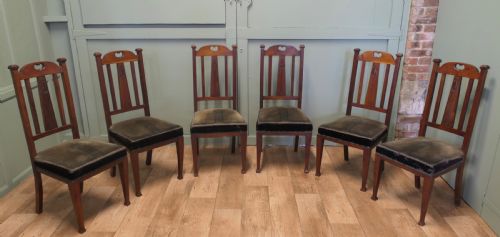
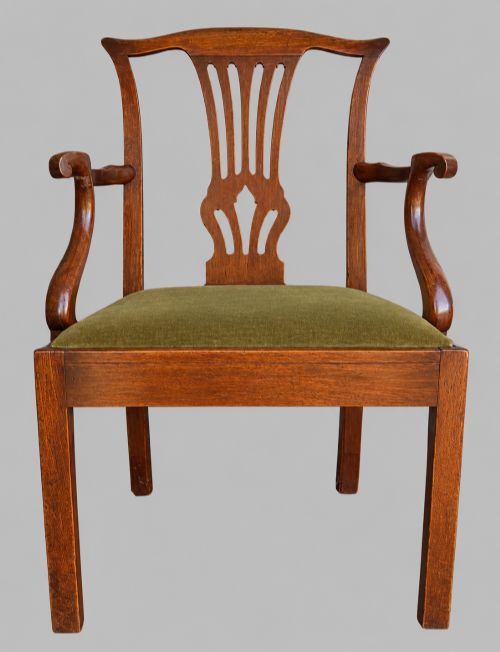
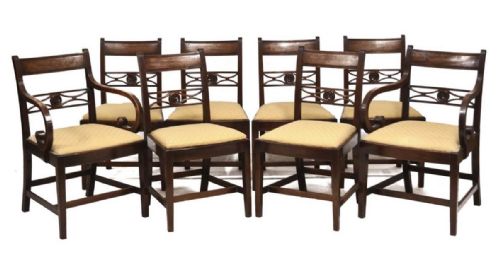
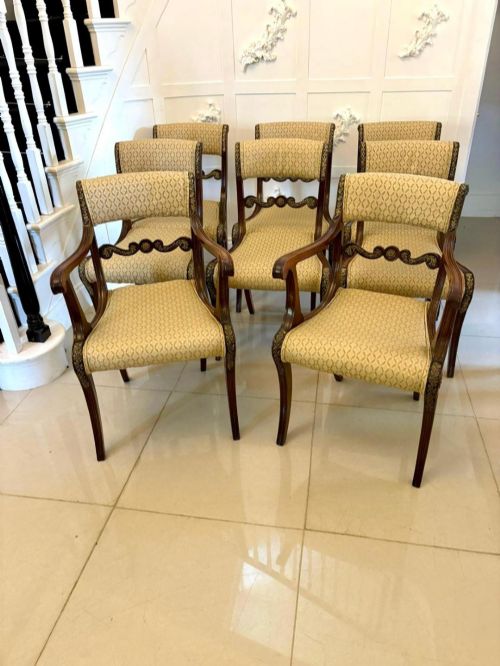
The most common forms on this page are dining chairs in sets and individual armchairs, reflecting historical revivals from Georgian, Victorian, and Edwardian periods. Pieces range from straightforward country elm chairs to formal mahogany seating influenced by Chippendale, Hepplewhite, and Regency designs.
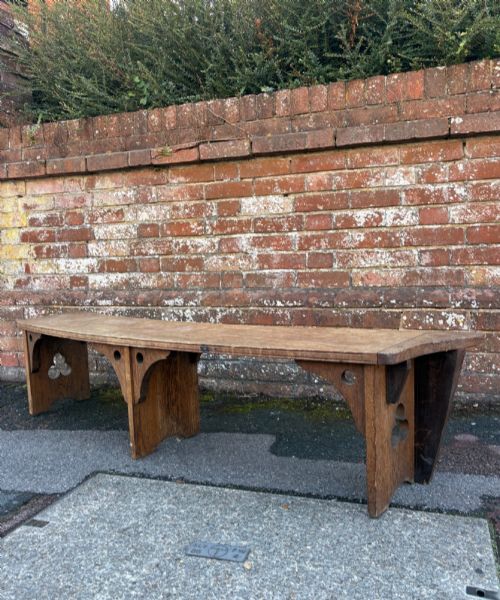
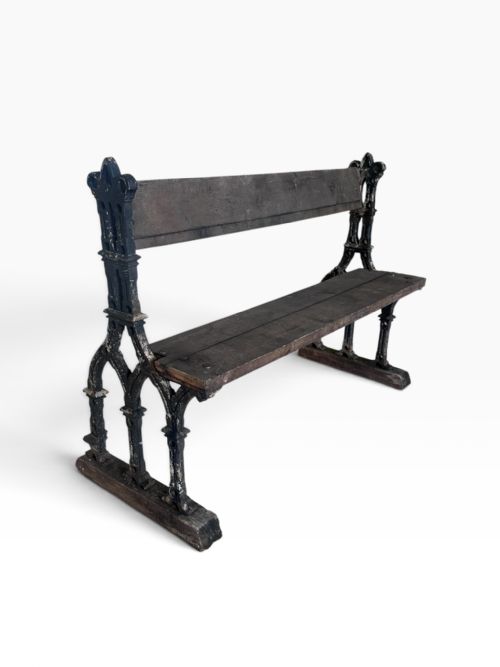
Makers drew on diverse regional traditions, producing everything from rustic oak settles to giltwood salon suites and French-inspired Bergere armchairs. Buyers encounter specific regional variations, including Windsor armchairs in yew and elm alongside Gothic-influenced oak benches with carved supports.
How they were made
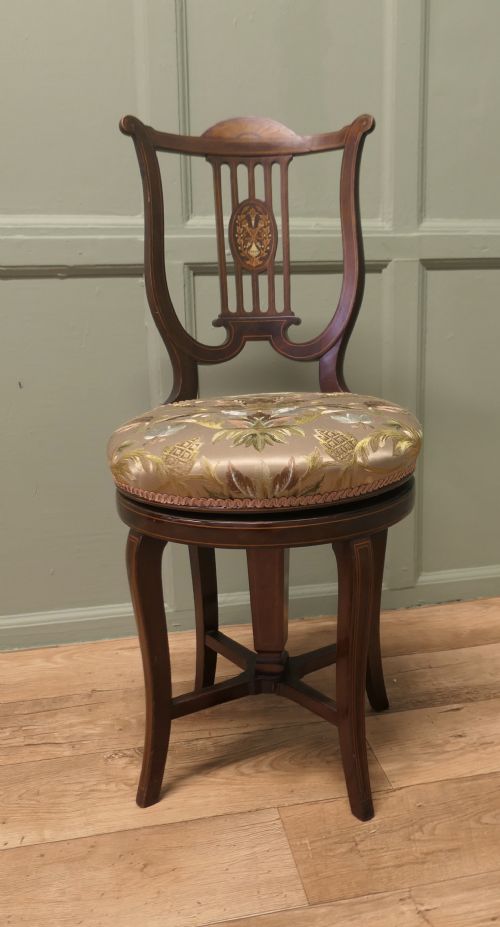
Joiners and cabinetmakers utilised native and imported hardwoods, primarily mahogany, walnut, oak, ash, and elm, relying on mortise and tenon joints to secure frames. Timber selection dictated the structural integrity of chairs and benches, with dense grain supporting intricate hand-carved details like shield backs, lyre motifs, and trefoil supports.
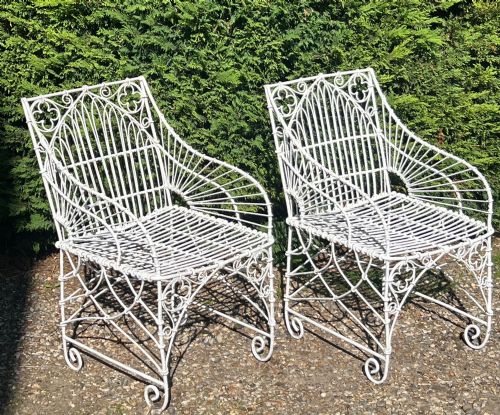
Upholstered items integrate traditional stuffing methods beneath coverings of fabric, velvet, and silk, secured with brass tacks or braid. Metal elements appear in structural braces, cast iron garden frameworks, and revolving mechanisms for music chairs.
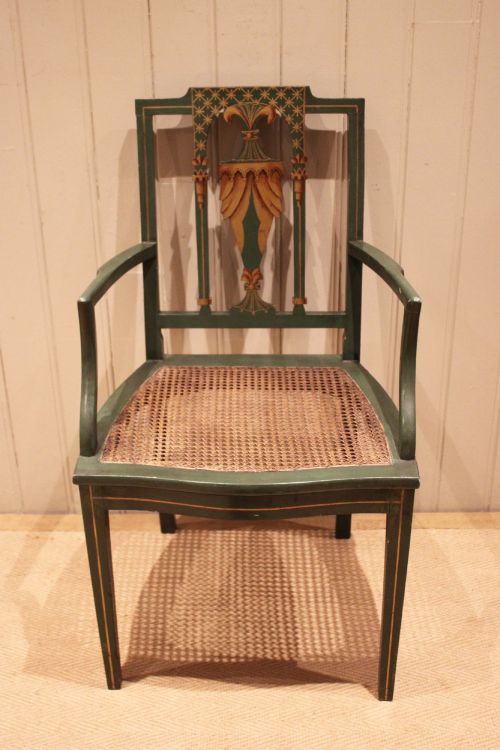
Surface finishes range from polished mahogany and walnut to original paint, giltwood, and rush seating, showing the varied decorative treatments applied across different eras.
Antique Style Seating Retail Price Guide 2026
Typical asking prices for style seating among the pieces listed under this phrase on Sellingantiques today, from the lower quarter to the upper quarter. They describe what is for sale here now, not the wider market.
Listings feature seating constructed across the eighteenth, nineteenth, and twentieth centuries, incorporating oak, mahogany, walnut, and elm.
What varies in quality
The distinction between standard domestic seating and superior pieces lies in the precision of the timber selection and the depth of hand-carving on structural elements. Finer sets display consistent grain matching across multiple chairs and crisp, clean lines on crest rails and cabriole legs.
Originality of components and surface finishes heavily influence the standing of a piece, particularly where joined elements or turned spindles remain undisturbed by later alterations. Superior upholstery work utilises period-appropriate textiles and meticulous stitching that respects the underlying wooden frame.
Proportion and balance separate masterwork seating from utilitarian equivalents, evident in the rake of a chair back and the comfortable distribution of weight in an armchair or settle.
HOWARD AND SONS·Liberty Morris And Co·Charles Tozer·Colefax and Fowler
The Antique Style Seating Glossary
- Carver
- An armchair designed to match a set of single dining chairs, typically positioned at the head of a table.
- Giltwood
- Timber coated with a thin layer of gold leaf or powder, frequently found on formal nineteenth-century salon furniture.
- Bar Back
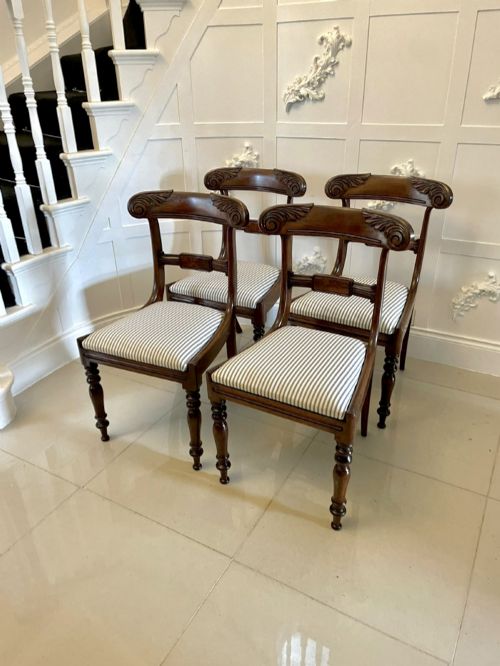
- A chair design featuring a horizontal crossbar across the backrest, often shaped or reeded in the manner of Regency seating.
- Rush Seating
- Woven marsh grass utilised to create durable, flexible seats for country chairs and low armchairs.
- Prie Dieu
- A devotional chair featuring a low seat and a padded shelf for kneeling, originating in the mid-nineteenth century.
Antique Style Seating: Frequently Asked Questions
How do I care for antique wooden chairs?
Maintain timber frames by dusting regularly with a dry cloth and applying occasional quality beeswax to nourish the wood grain. Avoid placing seating near direct heat sources or strong sunlight to prevent the timber from splitting and finishes from fading.
Check joinery periodically for movement, but leave structural repairs to experienced conservators rather than attempting modern adhesive fixes that can damage historical wood.
Are these chairs suitable for daily dining?
Many antique dining chairs remain robust enough for everyday family meals, provided the frame joints are secure and stable. Heavier sets in mahogany, walnut, and oak offer the structural strength required for regular domestic use.
Lighter country chairs in elm and ash also withstand daily wear well, though delicate painted or gilt pieces deserve more careful handling during frequent gatherings.
How can I identify a Georgian style chair?
Georgian style chairs typically feature robust mahogany construction with carved splats, straight or cabriole legs, and understated classical motifs. Look for characteristic silhouettes such as shield backs, pierced ladder backs, or ribbon-carved details associated with eighteenth-century design.
Later nineteenth and twentieth-century revivals often replicate these forms, so examine the underside and internal joinery for signs of period manufacturing techniques.
What is the difference between a carver and a regular chair?
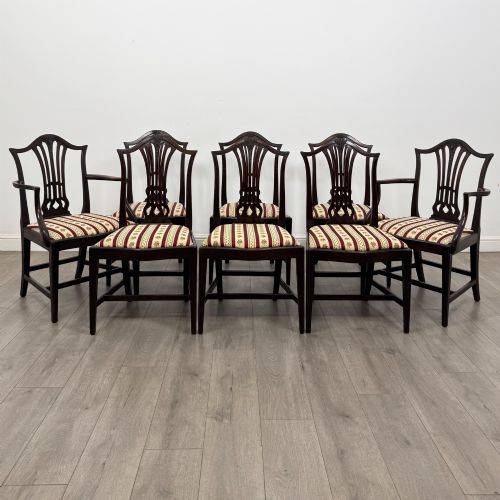
A carver chair includes integrated armrests designed to match the surrounding single dining chairs, allowing the host to sit with additional support. These pieces are traditionally wider and placed at the head and foot of a dining table.
Single chairs lack arms to allow diners to slide closer to the table and to permit sets of chairs to fit neatly beneath the surface when not in use.