

Traditional Walnut Cabinet
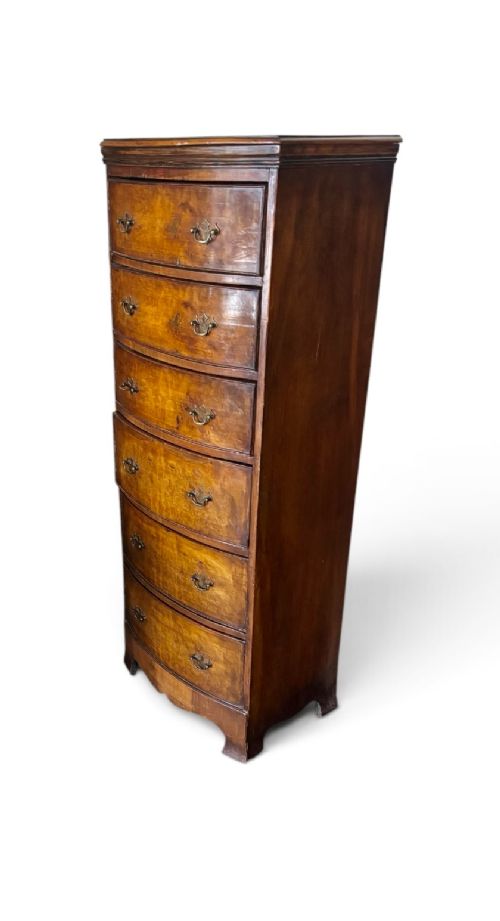
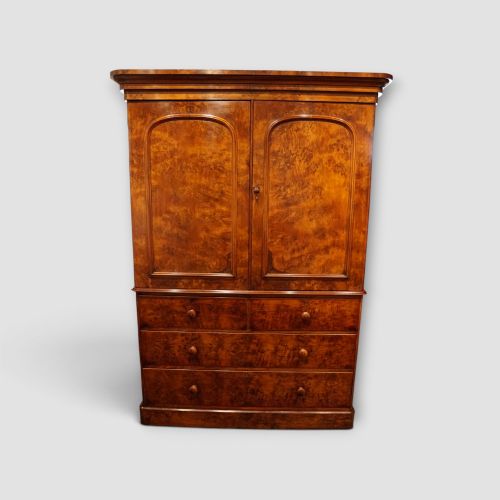
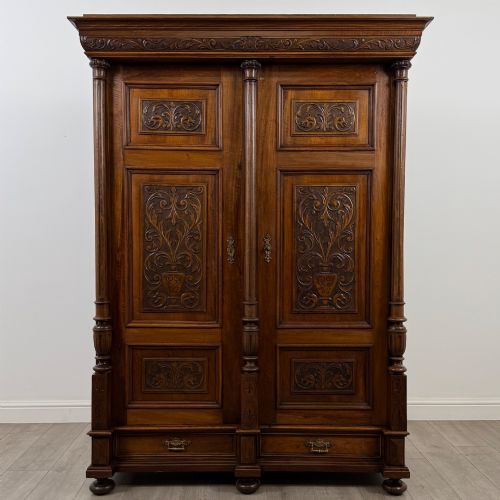
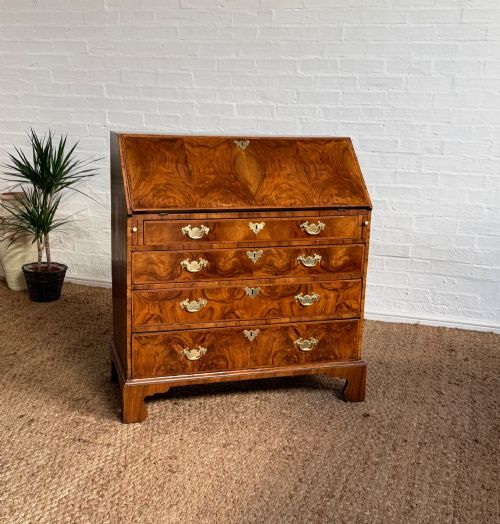
A traditional walnut cabinet brings warmth and fine timber grain into a room, spanning periods from the eighteenth century to the early twentieth.
Traditional Walnut Cabinet
When you search for a traditional walnut cabinet, you encounter a wide selection of storage furniture including bookcases, chests of drawers, display cabinets, and bureaus. The pieces span multiple eras, drawing heavily from eighteenth-century Georgian designs, nineteenth-century Victorian workshops, and early twentieth-century revivals.
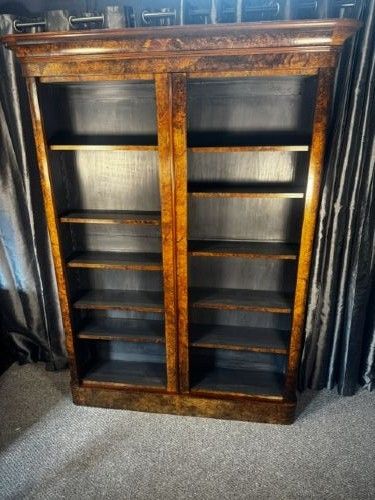
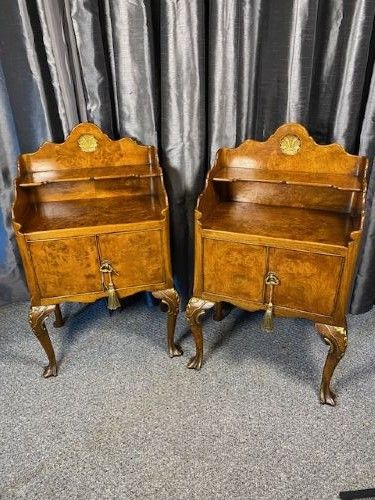
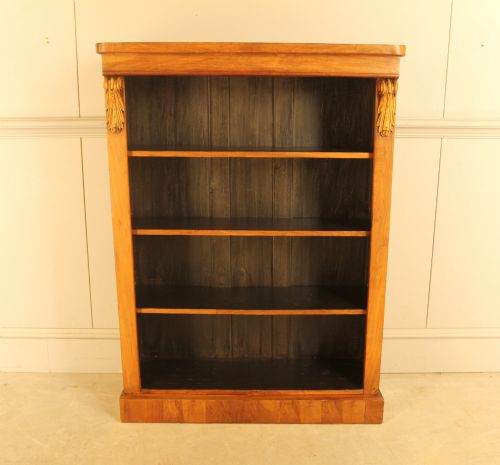
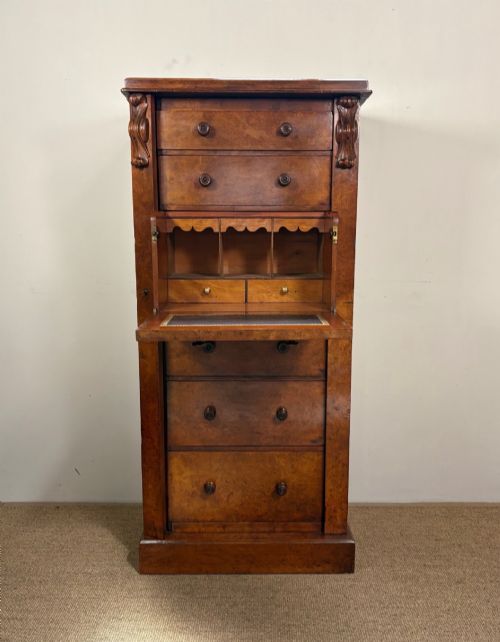
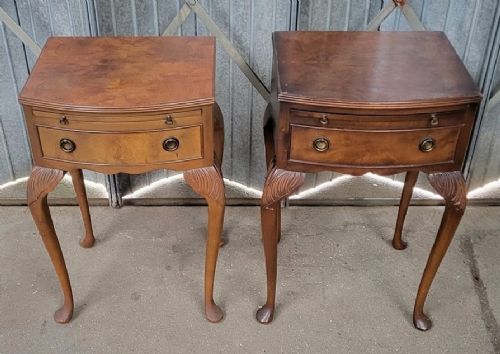
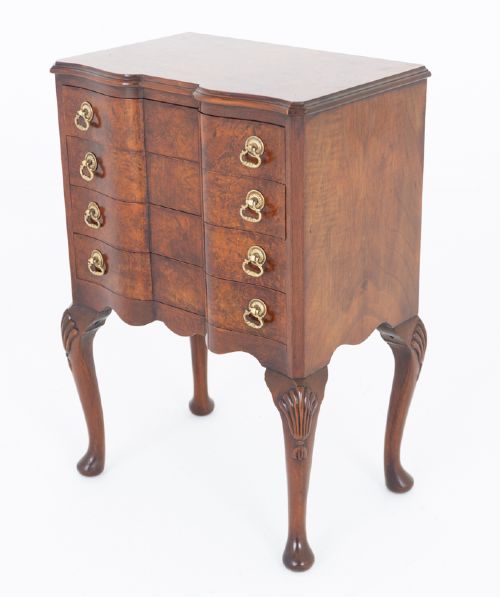
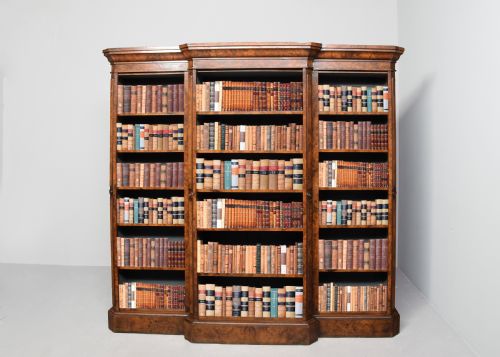
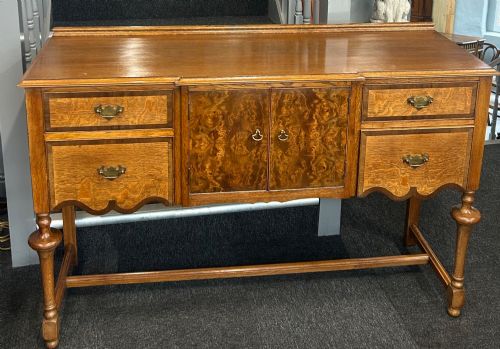
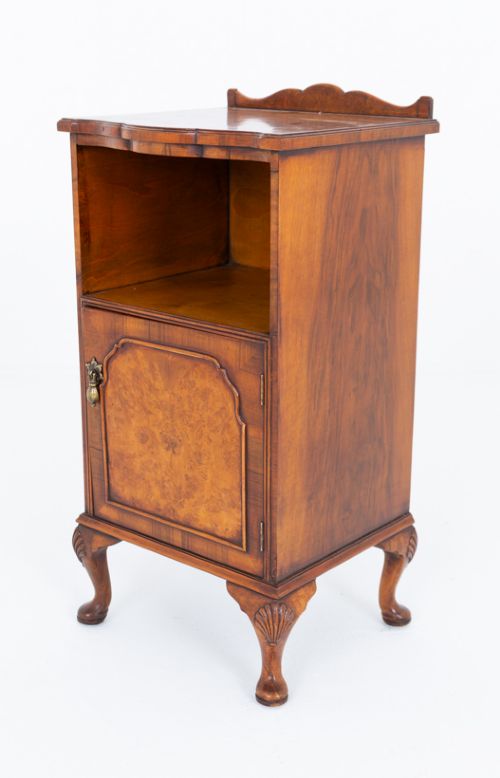
The version you are most likely to meet on this page is the bedside cabinet or the open bookcase from the early twentieth century or the Victorian era. These practical items bring rich timber tones and period proportions into modern rooms without dominating the floor plan.
Makers across these periods utilised distinct regional forms, from English tallboys and linen presses to Dutch marquetry vitrines and French provincial wardrobes. Each form reflects the specific domestic storage needs of its original era, adapted through generations of cabinet-making.
How traditional walnut cabinets were made
Craftsmen built the carcases of these cabinets using solid timbers such as oak, pine, and fruitwood to provide a stable structural foundation. They then applied veneers of figured walnut or burr walnut to the visible exterior surfaces to create striking, decorative grain patterns.
Interiors and functional details frequently incorporate secondary woods alongside brass hardware such as drop handles, escutcheons, and hinges. Selected pieces also integrate specialised elements like red leather writing surfaces or glazed glass doors for display.
Some eighteenth-century Dutch cabinets feature marquetry tulips that refuse to wilt.
What varies in quality
The choice of veneer defines much of the visual impact, distinguishing plain walnut boards from highly figured burr walnut or intricate floral marquetry work. Skilled selection and matching of the timber grain across drawer fronts and panel doors require considerable expertise.
Construction methods and secondary woods reveal the standard of the workshop, from simple dovetail joints in drawer construction to breakfront architectural framing. The survival of original brass fittings and glass panes also influences the integrity of the piece.
Gillow and Co
The Traditional Walnut Cabinet Glossary
- Tallboy
- A tall storage piece comprising a chest of drawers set upon another chest or a stand. Eighteenth-century and Victorian examples maximise vertical storage.
- Marquetry
- The art of applying small pieces of varied veneer to form decorative pictures or floral patterns. Dutch workshops utilised this technique extensively on cabinets and vitrines.
- Bureau
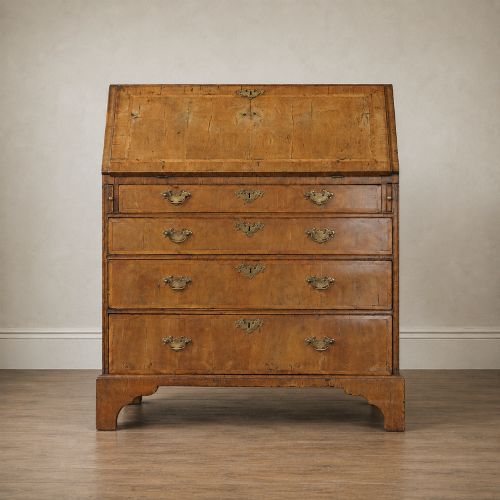
- A sloping desk lid that opens to reveal interior pigeonholes and small drawers. Many examples sit above a chest of drawers or a stand.
- Breakfront
- A cabinet design where the central section projects forward from the flanking wings. This architectural arrangement creates depth and shadow on large bookcases and sideboards.
Traditional Walnut Cabinet: Frequently Asked Questions
How do I date a walnut cabinet?
Dating relies on examining construction techniques, timber choices, and hardware styles across the piece. Secondary woods like oak or pine inside drawers often provide clear clues to the period.
Stylistic markers such as bracket feet, cabriole legs, or Victorian mouldings help narrow the decade of manufacture. Comparing the joinery with documented examples from the same era confirms the age.
What is burr walnut?
Burr walnut comes from a growth excrescence on the walnut tree where hundreds of tiny branch buds started to form. This creates an intense, swirling grain pattern unlike straight-grained timber.
Cabinet-makers prized this material for drawer fronts and cabinet doors because it created striking visual contrast. Veneers were carefully matched to form symmetrical patterns across large surfaces.
How should I care for walnut furniture?
Walnut benefits from stable room temperatures and protection from direct sunlight to prevent the timber from drying out or fading. Regular dusting with a soft, dry cloth maintains the surface sheen without building up residue.
Applying a traditional beeswax polish occasionally nourishes the timber and preserves the patina. Avoid placing hot items or liquids directly onto the polished wood surface.
Where were these cabinets used?
Walnut cabinets served varied functions throughout the home, from displaying books in libraries to storing linen in bedrooms. Bureaus and writing desks provided private spaces for correspondence and household accounts.
Smaller bedside cabinets kept nightly essentials close at hand in principal chambers. Larger breakfront bookcases and sideboards anchored formal reception rooms and dining spaces.