

Carved Door Bookcase
A carved door bookcase brings heavy timber and intricate chisel work together, offering enclosed storage with distinct surface texture for a study or library.
Carved Door Bookcase
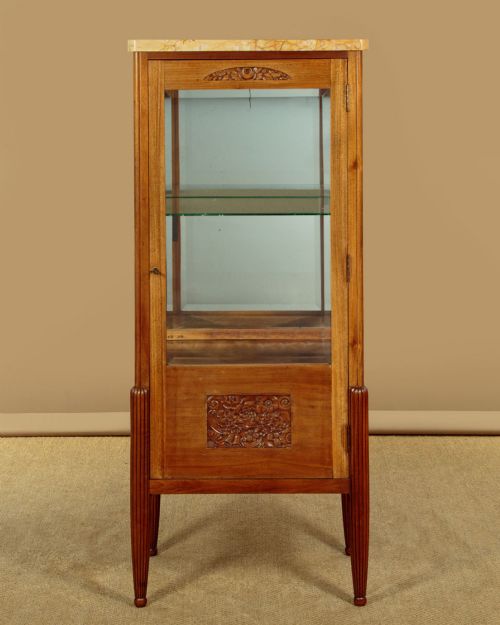
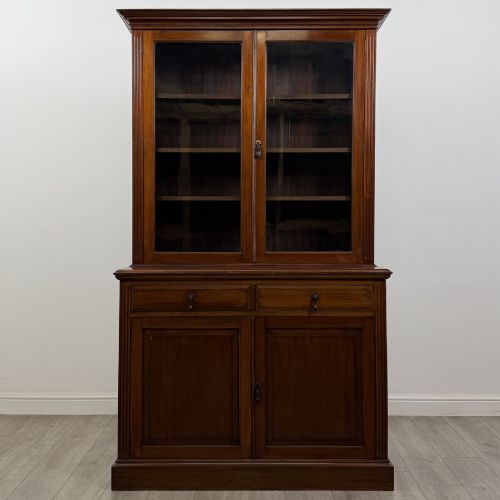
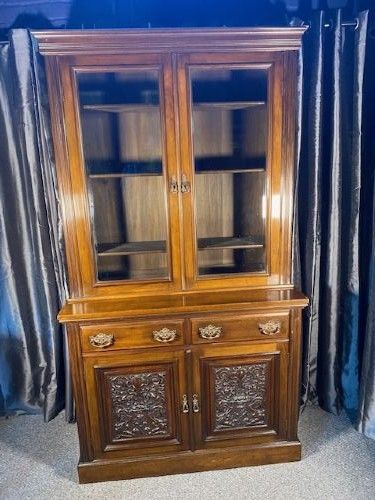
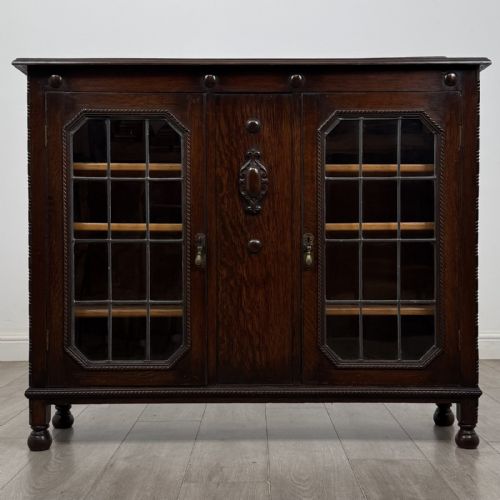
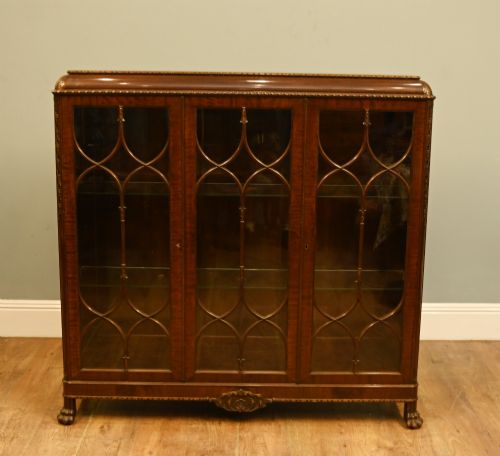
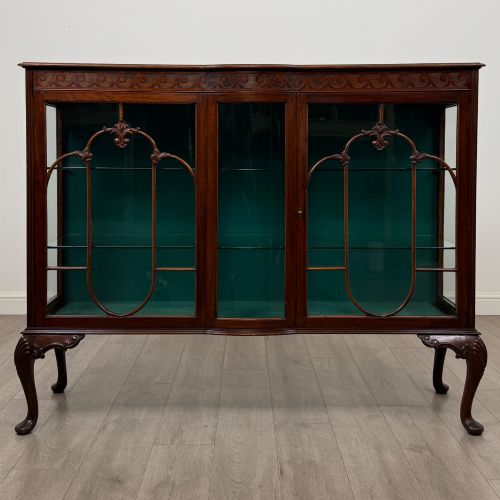
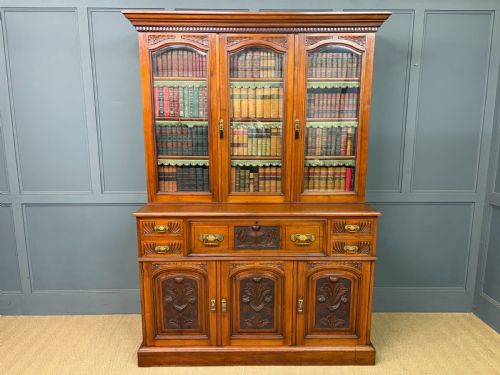
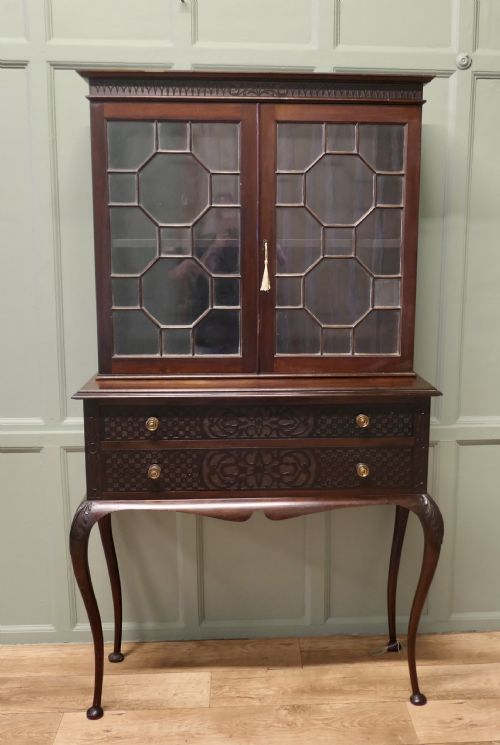
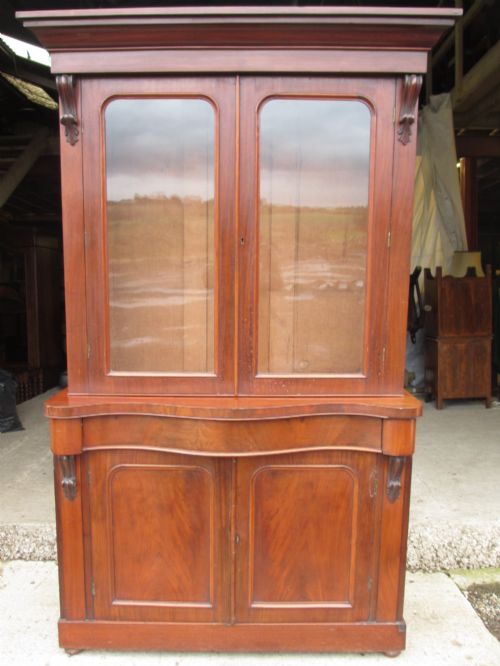
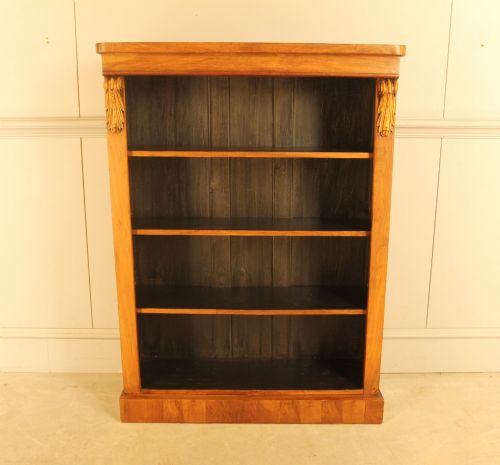
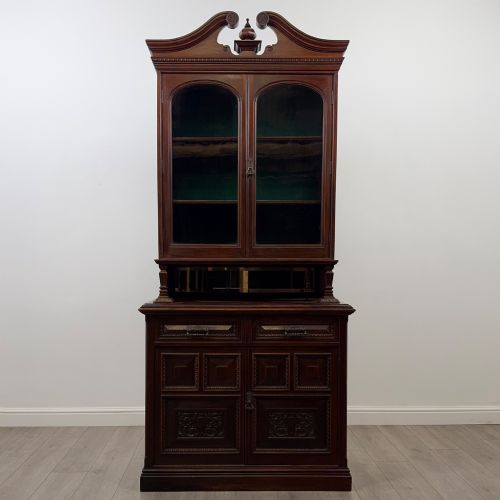
A carved door bookcase combines timber shelving with ornamented lower or upper panels, appearing most frequently in Victorian and Edwardian iterations across this inventory. These pieces range from small oak cupboards with carved panels to large walnut and mahogany library editions featuring glazed upper sections alongside carved wooden lower doors.
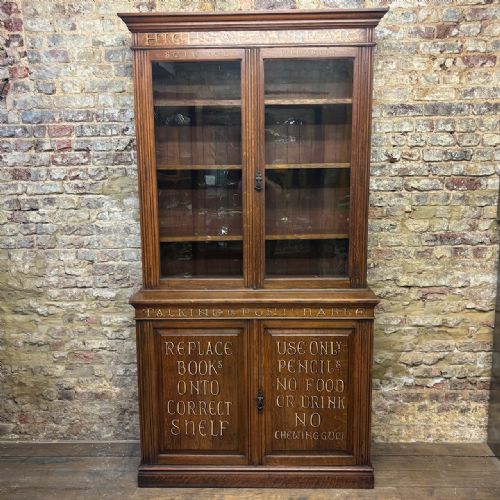
Makers utilised various regional styles, yielding Jacobean revival oak pieces with deep geometric mouldings alongside French provincial painted vitrines and Chippendale revival mahogany cabinets. The proportions span from compact corner cupboards and side cabinets to triple kitchen dressers and extensive school library editions.
Buyers select these forms to house volumes while adding architectural weight to a room through relief carving on the wooden panels. The physical presence relies on the contrast between transparent glass panes and substantial carved timber frames.
Materials and construction methods
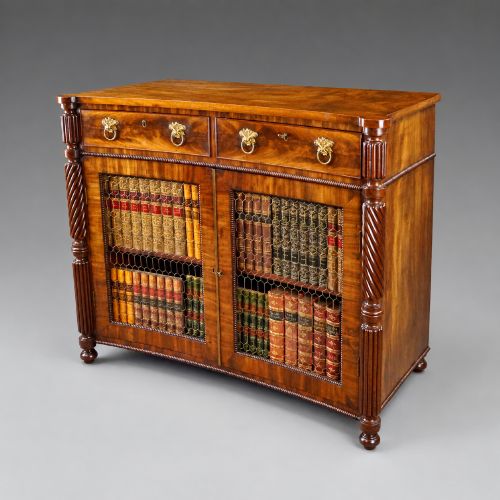
Cabinet makers constructed these pieces primarily using oak, mahogany, and walnut, frequently incorporating burr walnut or pollard oak veneers for decorative grain patterns on prominent surfaces. Brass hardware, lead framing for glass panels, and iron fittings appear alongside the timber framework to secure doors and drawers.
The joinery involves hand-carved wooden panels set into heavy door frames, paired with glazed sections secured by wooden or lead astragals. Surfaces finished in wax or polish highlight the natural figure of the wood, while painted finishes appear on specific French and provincial interpretations.
Carved Door Bookcase Retail Price Guide 2026
Typical asking prices for carved door bookcase among the pieces listed under this phrase on Sellingantiques today, from the lower quarter to the upper quarter. They describe what is for sale here now, not the wider market.
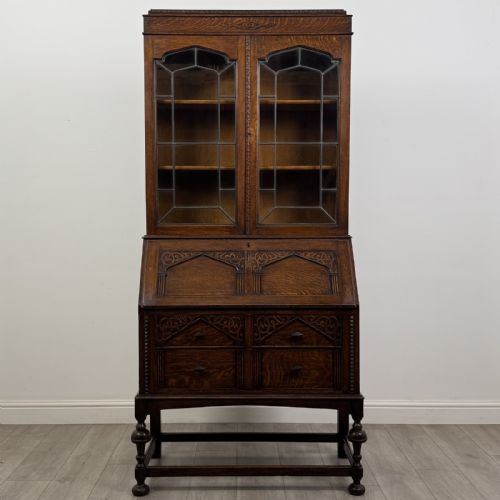
Secretaries pop up when you least expect them, hiding a fold-down writing desk right behind the carved bookcase doors.
Assessing construction and design standards
The calibre of a piece rests upon the crispness of the hand-carved relief work and the selection of timber veneers, where figured walnut or pollard oak elevates the visual depth above plain boards. Superior examples exhibit balanced proportions, tight joinery in the door frames, and original brass or iron hardware that functions without binding.
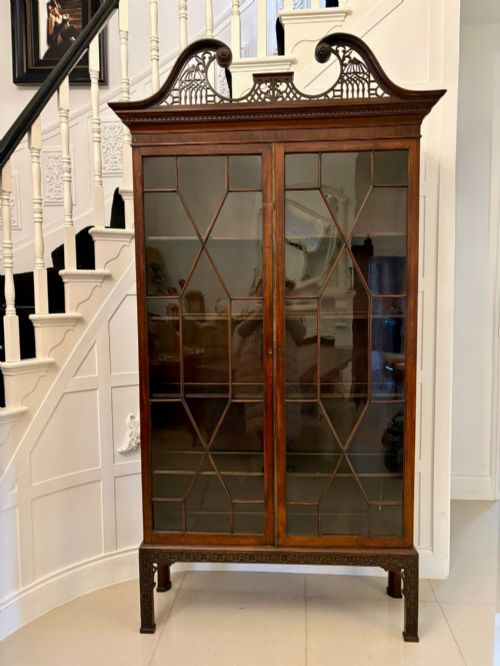
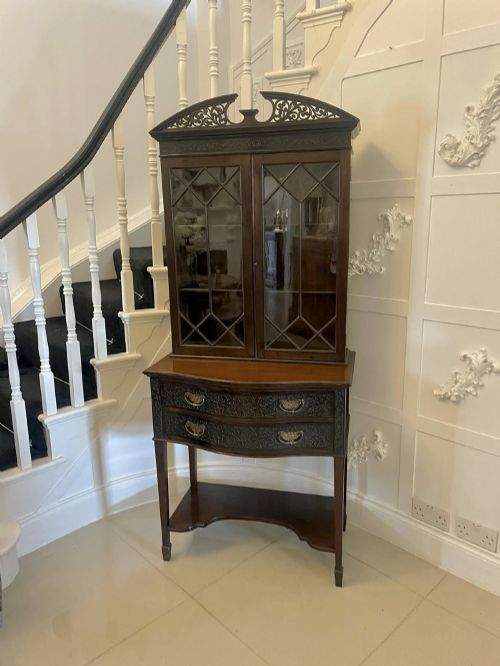
Internal elements such as adjustable shelving, sound glass without excessive distortion, and secondary timbers used for drawer linings dictate the overall standard. Pieces retaining their original pediments, such as swan neck designs, demonstrate higher architectural integrity than modified or assembled items.
James Winter
The Carved Door Bookcase Glossary
- Astragal
- Moulding attached to glass doors or dividing panes of glass. These thin wooden or lead bars hold individual glass panes within the larger door frame.
- Vitrine
- A glass-fronted cabinet or display case. This term often applies to pieces designed to show decorative objects alongside books.
- Pediment
- The crown or triangular architectural ornament surmounting the top of a bookcase. It provides a formal termination to the upper cornice.
- Compactum
- A multi-compartment wardrobe or cabinet providing varied storage options. Examples in the record combine hanging space with shelving and glazed doors.
- Sectional bookcase
- Stacking modular shelving units designed to be placed one upon another. This form allows the library storage capacity to grow vertically.
Carved Door Bookcase: Frequently Asked Questions
What is a carved door bookcase?
A carved door bookcase is a timber storage cabinet featuring wooden lower or upper doors decorated with relief carving, paired with shelving for books. These pieces serve as both functional libraries and focal points in a room.
They combine the utility of enclosed wooden storage with display space, often featuring glass panels above carved wooden panels.
How do I identify Victorian examples?
Victorian examples typically present heavy mahogany or walnut timbers, often with deep carvings, swan neck pediments, or astragal-glazed doors. The construction relies on solid secondary woods and robust joinery typical of nineteenth-century workshops.
Detailing ranges from Gothic revival motifs to straightforward pollard oak library proportions.
Where should I place a large bookcase?
Large library bookcases require stable wall space away from direct heat sources to prevent timber splitting and veneer warping. Placing them in studies, libraries, or spacious reception rooms allows the carved details and glass doors to catch natural light.
Ensure the floor can support the substantial weight of dense hardwoods and heavy book collections.
What is the difference between oak and walnut?
Oak offers a robust, heavily grained surface often associated with Jacobean revival and Edwardian utility pieces, taking wax finishes exceptionally well. Walnut provides a smoother, richer brown tone with intricate figuring, frequently utilised in more formal Victorian and Regency formats.
Both timbers tolerate daily use but require distinct maintenance routines regarding wax and humidity.