


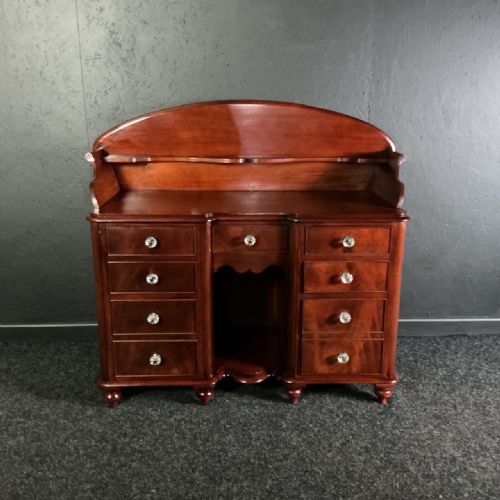


Traditional Vanity Table
A traditional vanity table brings elegance to a dressing room, offering fitted drawers and adjustable mirrors for daily routines.
Traditional Vanity Table
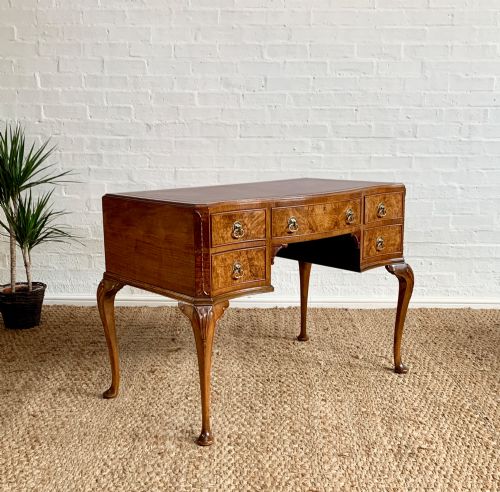
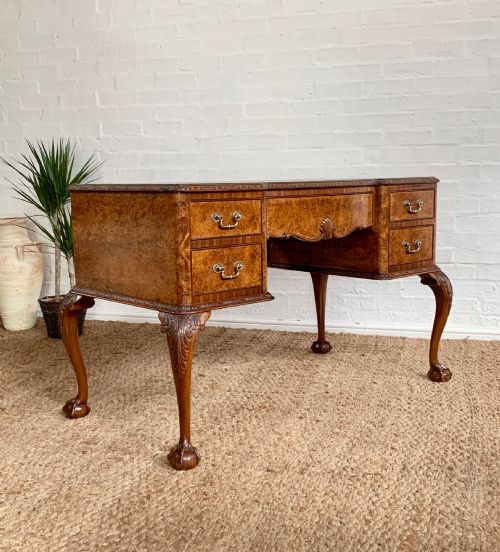
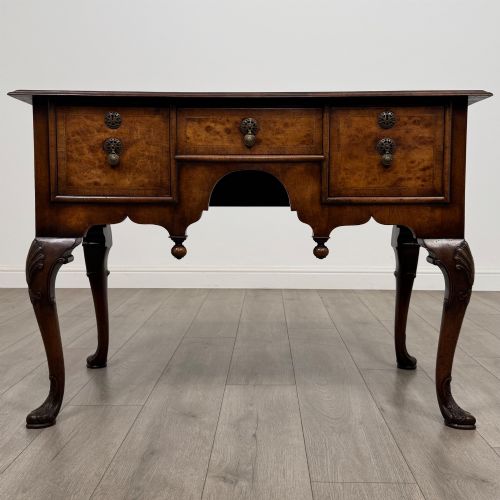
When searching for a traditional vanity table, buyers encounter a diverse selection of period furnishings ranging from eighteenth-century Georgian dressing table mirrors to Edwardian pine chests of drawers and Victorian pedestal dressing tables.
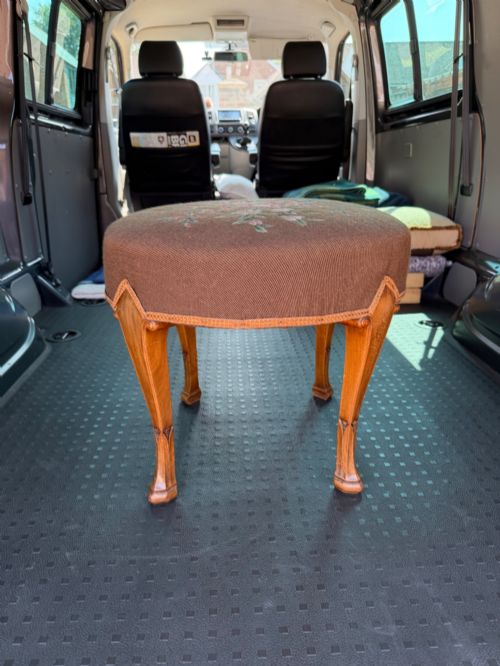
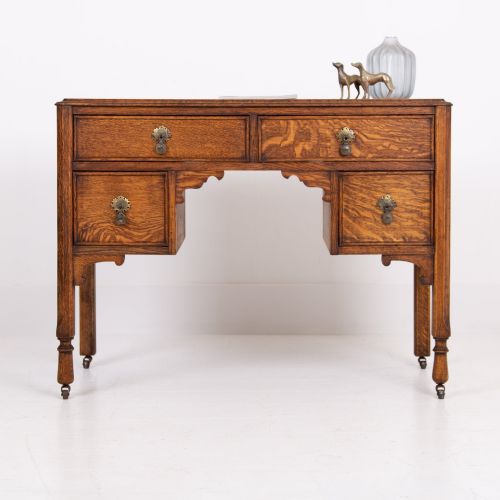
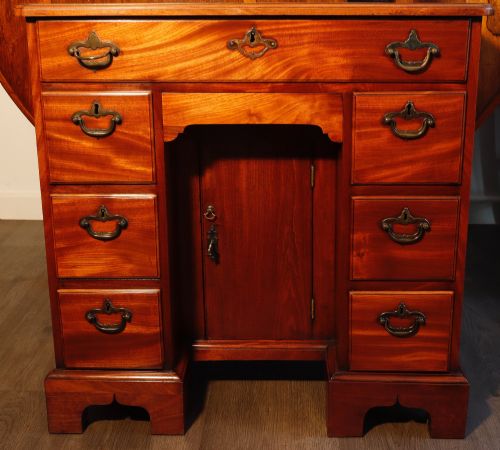
The objects frequently encompass related forms such as writing desks, washstands, kneehole desks, and upholstered stools designed to accompany dressing furniture.
Originating across multiple centuries, these pieces demonstrate the evolution of personal grooming spaces in British and international interiors, spanning plain pine, inlaid hardwood, and figured walnut.
Materials and construction methods
Cabinetmakers utilised dense timbers like mahogany, walnut, and burr walnut, frequently applying figured veneers to principal surfaces while incorporating secondary woods for interior framing.
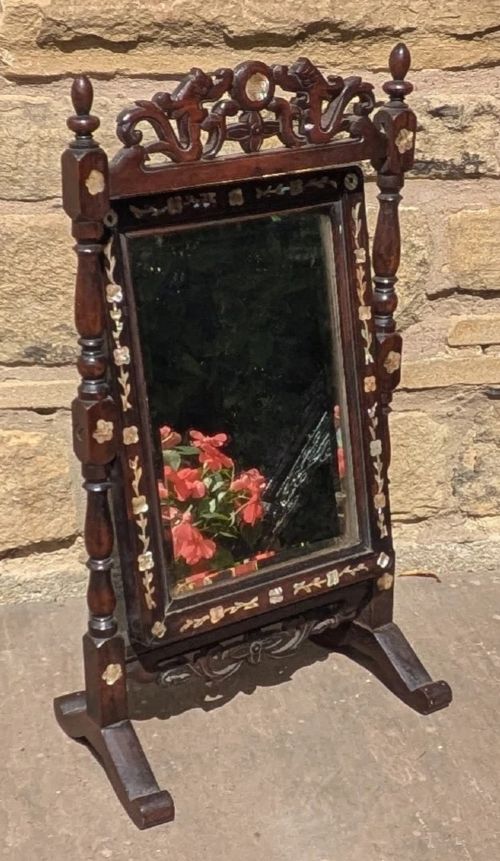
Surface ornamentation relied on brass hardware, inlaid mother-of-pearl, tooled leather writing inserts, and scumble glazing applied to pine to imitate finer grain patterns.
Frames incorporated traditional joinery techniques alongside cabriole legs, serpentine fronts, and pivoting mirror supports.
Listings feature periods from the 18th century through to the 1930s, alongside materials such as mahogany, walnut, brass, and glass.
Distinctions in construction and finish
Quality rests upon the selection of timber, where richly figured burr walnut or flame mahogany veneers demonstrate superior craftsmanship compared to plain surfaces.
Construction integrity distinguishes workshop pieces, visible in the precision of dovetail joints within drawers, the stability of pivoting mirror frames, and the retention of original brass fittings.
Wylie and Lochhead Glasgow
The Traditional Vanity Table Glossary
- Burr walnut
- A prized timber harvested from the burls or growths of walnut trees, yielding intricate, swirling grain patterns. It was frequently used for high-status veneer work on cabinet furniture.
- Cabriole leg
- A furniture leg that curves outward at the knee and tapers inward toward the foot, often ending in a pad or claw shape. This form is common in Queen Anne and Chippendale styles.
- Kneehole desk
- A compact desk or dressing table featuring a central recess for the sitter's legs, flanked by pedestals of small drawers. Georgian examples often include a concealed central drawer.
- Scumble glaze
- A decorative paint technique where a translucent top coat is manipulated with combs or brushes over a paler base. It mimics the appearance of more expensive wood grains on utilitarian pine.
Traditional Vanity Table: Frequently Asked Questions
How do I identify a Georgian dressing mirror?
Georgian dressing mirrors typically feature heavy mahogany frames mounted on vertical uprights above a box base containing small drawers. The glass plate is often bevelled and held within a pivoting frame.
Older examples display fine dovetailing on the internal drawers and hand-cut brass screws or fixing pins, distinguishing them from later Victorian reproductions.
What is the difference between a washstand and a dressing table?
Washstands were built to hold porcelain basins and ewers for morning ablutions, frequently incorporating marble tops or splashbacks to protect surrounding walls from water damage. Dressing tables focused on personal grooming and writing, featuring flat timber or leather-topped surfaces paired with mirrors.
While both belong to nineteenth-century bedroom suites, washstands prioritise moisture-resistant surfaces whereas dressing tables emphasise drawers and writing spaces.
Are vanity tables and kneehole desks the same thing?
Many kneehole desks served dual purposes for writing and grooming, particularly during the eighteenth and nineteenth centuries. Their multi-drawer pedestals provided convenient storage for personal items.
Some pieces were specifically adapted with folding mirror lids or internal compartments, allowing a writing desk to function as a vanity surface.
How do I care for antique walnut furniture?
Walnut furniture benefits from stable indoor environments away from direct sunlight and sudden temperature shifts, which can dry out delicate veneers. Regular dusting with a soft, dry cloth preserves the timber's finish.
Avoid silicone-based polishes and excessive moisture, applying traditional wax sparingly only when the wood appears dry.