



Traditional Upholstered Stool
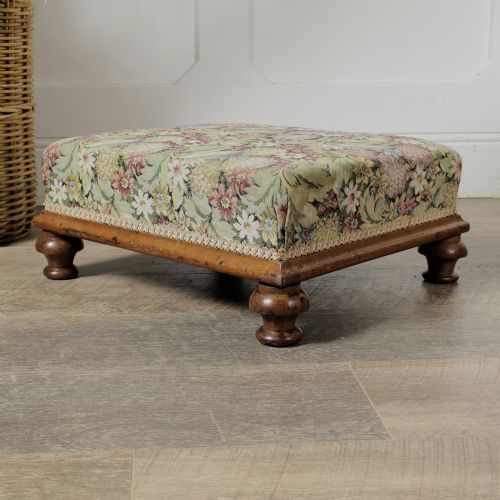
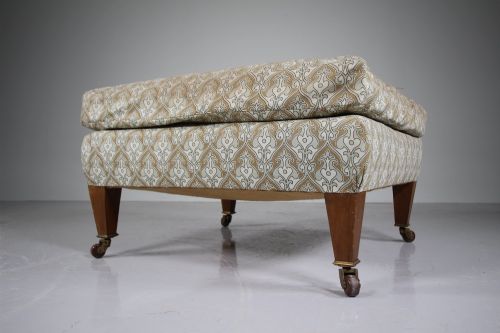
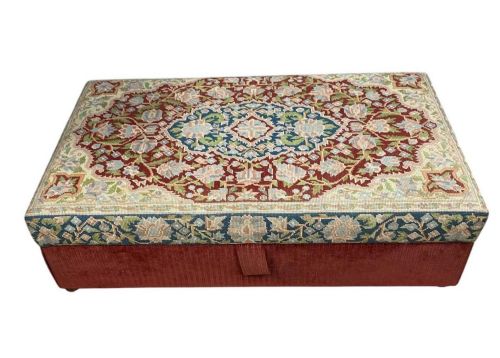
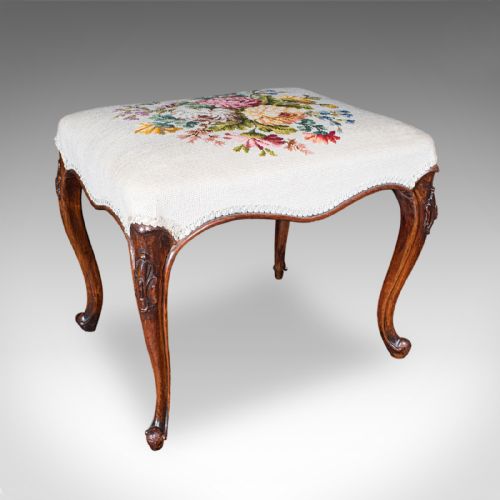
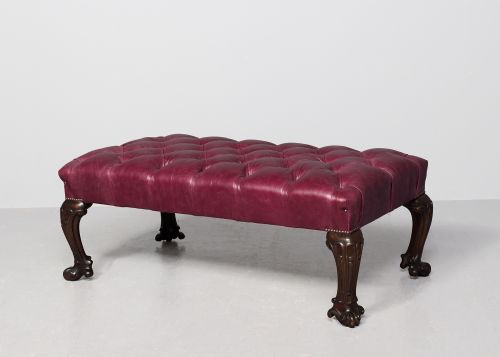
These traditional upholstered stool pieces bring honest period character to a room, offering practical seating and footrests rooted in historical design.

Traditional Upholstered Stool
A traditional upholstered stool is a low seating piece designed for the foot, dressing table, or fireside, grounded in centuries of British domestic life. When you search for a traditional upholstered stool, you encounter forms that span the Victorian era, the nineteenth century, and early twentieth-century revivals.
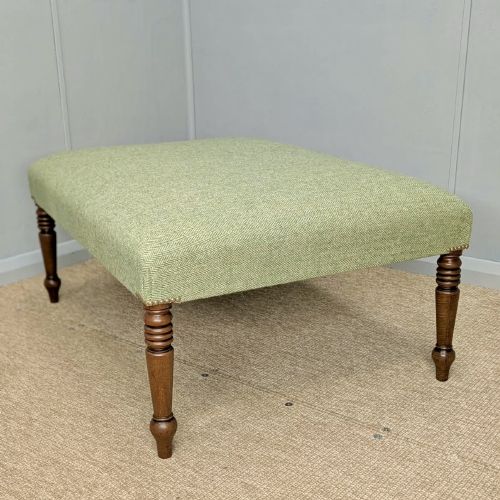
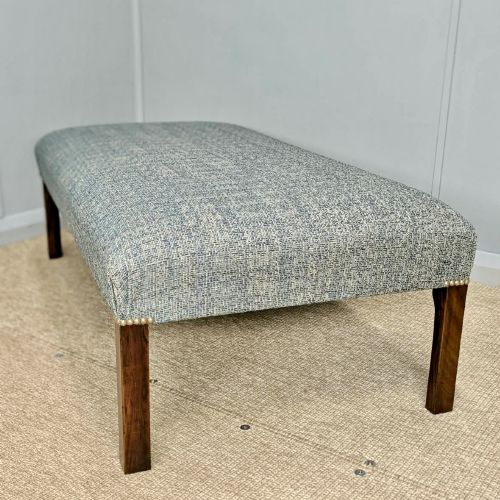
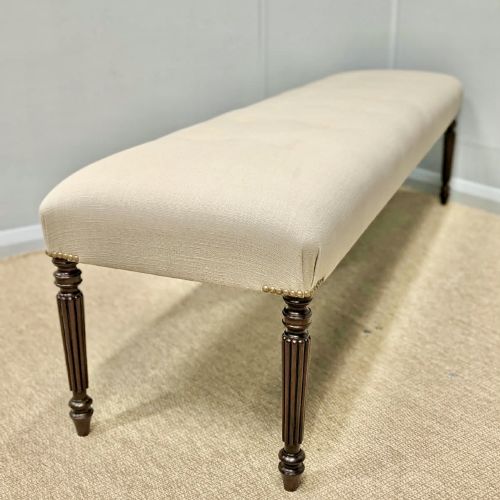
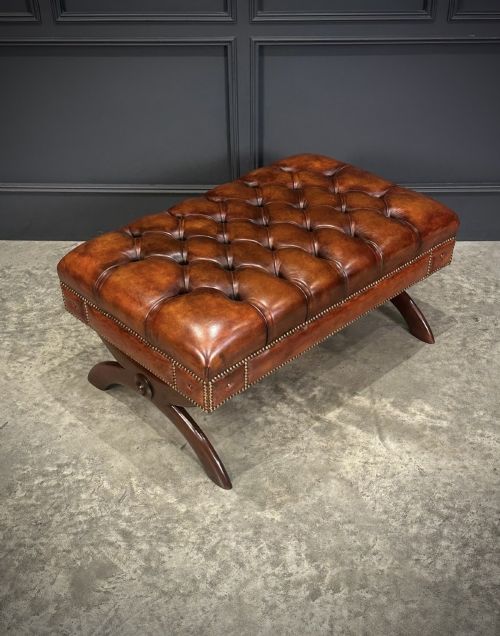
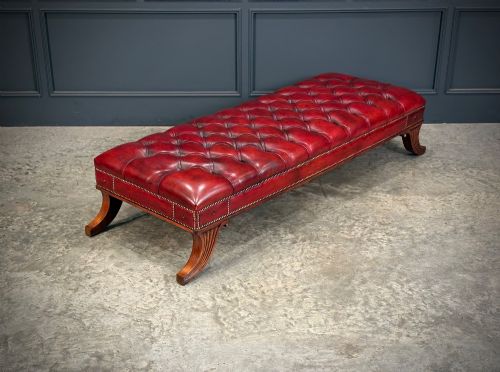
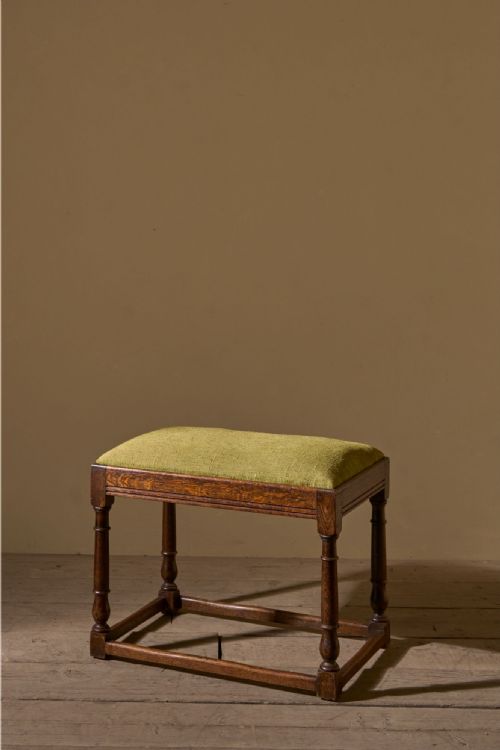
The selections available here range from compact foot stools and dressing table variants to substantial country house ottomans. Mahogany and walnut provide the structural framework, while various traditional fabrics and wool cover the padded surfaces.
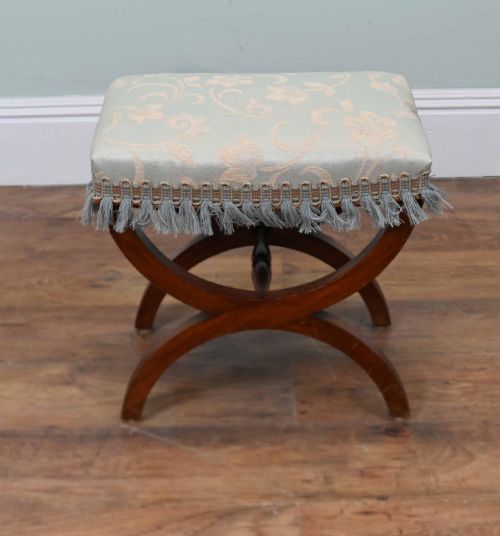
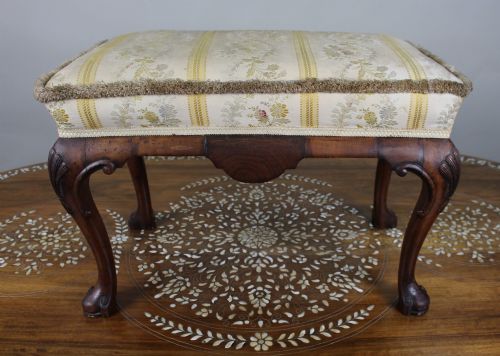
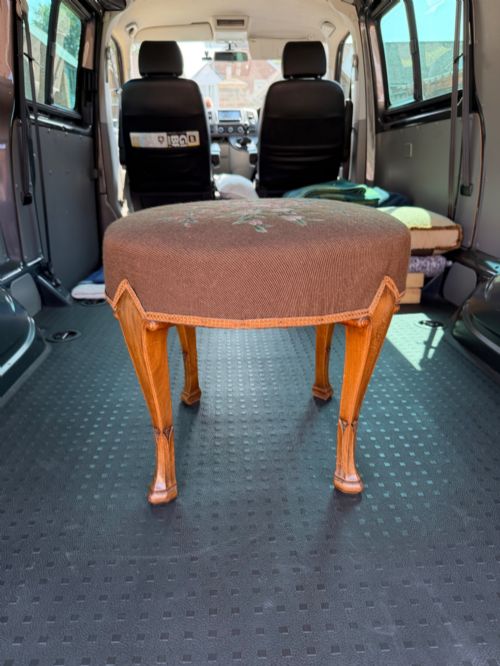
Design influences draw heavily on earlier British furniture traditions, notably the Queen Anne style with its characteristic curves and the Georgian style. Pairs of stools and singular oval or X-frame pieces appear among the listings, showing the variety of forms produced across these periods.
How they were made
Maker construction relies heavily on solid hardwoods like mahogany and walnut, chosen for their strength and grain. Frames are shaped into cabriole legs or X-frames, sometimes incorporating brass fittings.
Upholstery relies on traditional textiles, wool, and specialised upholstery fabrics stretched over padded foundations. Timber frames are joined using period woodworking techniques to ensure stability through decades of use.
Traditional Upholstered Stool Retail Price Guide 2026
Typical asking prices for traditional upholstered stool among the pieces listed under this phrase on Sellingantiques today, from the lower quarter to the upper quarter. They describe what is for sale here now, not the wider market.
Victorian footstools occasionally double as secret nap zones for spoiled household cats.
What varies in quality
Quality rests in the precision of the timber framing and the elegance of the carved elements, such as the sweep of a cabriole leg. Finer examples display thoughtful proportions and genuine period materials rather than hurried assembly.
The integrity of the underlying frame and the quality of the textile covering dictate the overall character. Pieces that retain their original timber patination and sturdy construction stand apart from lesser or later alterations.
The Traditional Upholstered Stool Glossary
- Cabriole leg
- A furniture leg that curves out and then in, resembling the leg of an animal. This form became popular in British furniture during the early eighteenth century and returned in later revival pieces.
- X-frame
- A structural base formed by two crossing members shaped like the letter X. This geometric support provides strength while offering a distinct architectural silhouette.
- Ottoman
- A low, upholstered seat or footstool without arms or a back. Larger examples served functional roles in country house interiors.
- Mahogany
- A durable tropical hardwood imported for British cabinet making. Its rich reddish-brown tone and stable grain made it a preferred choice for fine seating.
Traditional Upholstered Stool: Frequently Asked Questions
Where did people use these stools?
These stools served multiple domestic purposes near dressing tables, beside firesides, or in grand reception rooms. Their modest height made them versatile additions to daily life.
Larger ottomans functioned as central resting pieces in country house settings, accommodating multiple occupants or serving as improvised tables.
How do I care for the upholstery?
Protect antique textiles by keeping them out of direct sunlight to prevent fading of the wool and fabric colours. Gentle brushing removes surface dust without damaging the fibres.
Avoid chemical cleaners on historic fabrics, seeking specialist textile conservation advice if deeper cleaning becomes necessary.
What defines Queen Anne style?
Queen Anne style furniture emerged around the turn of the eighteenth century, prioritising comfort and curved lines over heavy rectilinear carving. Cabriole legs and pad feet are central hallmarks of this aesthetic.
Revival pieces from later periods often adopted these graceful silhouettes to bring historic elegance into Edwardian and Victorian homes.
Are these pieces sturdy enough for daily use?
Solid timber frames built from mahogany and walnut offer robust structural integrity that has survived for generations. Regular checks on joints help maintain their stability.
While historic frames are strong, thoughtful placement prevents unnecessary strain on delicate antique timber and period joinery.