

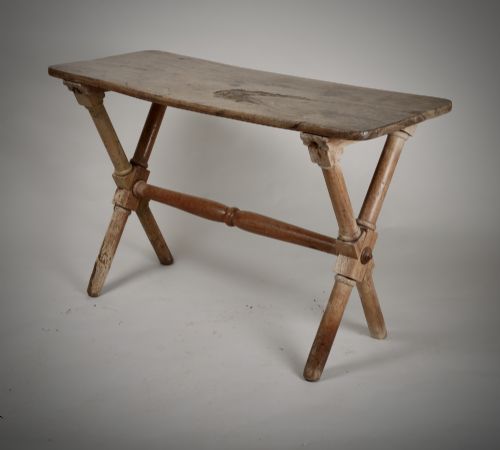
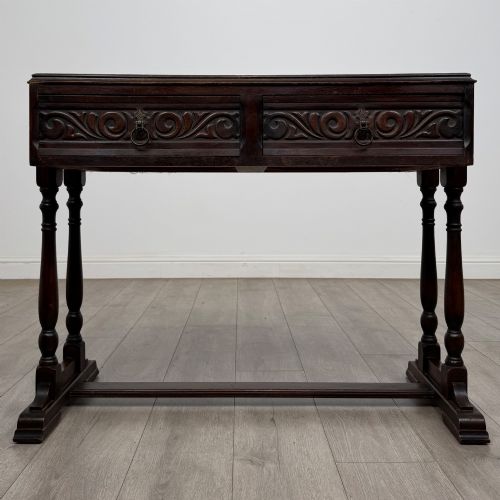


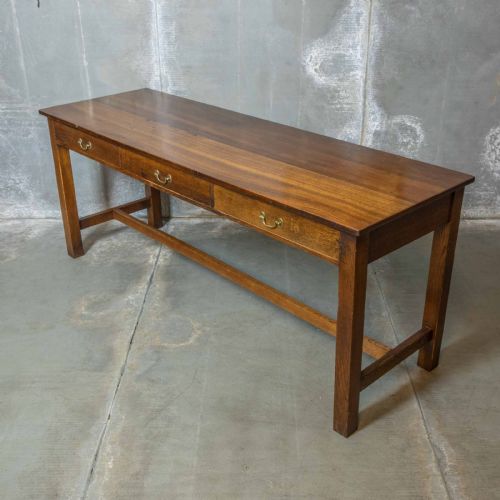


Traditional Trestle Side Table
These traditional trestle side table pieces offer sturdy timber construction and honest vernacular charm, perfect for anchoring a rustic interior.
Traditional Trestle Side Table
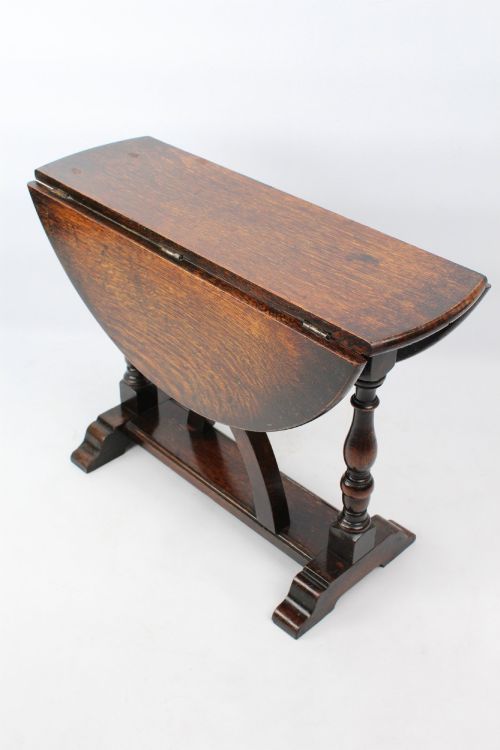
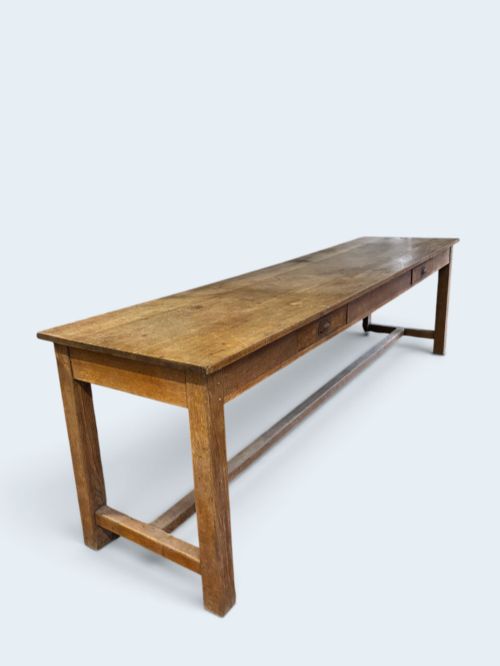
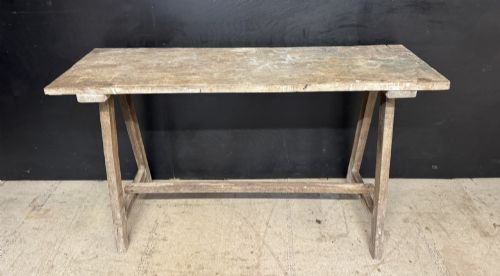
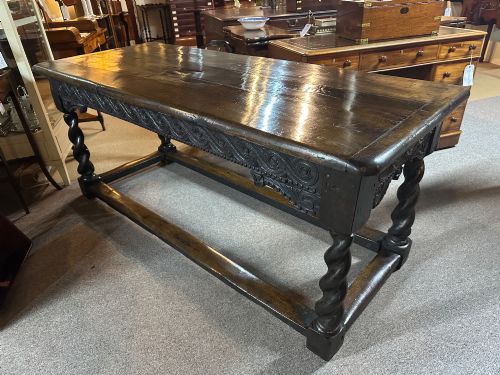
A traditional trestle side table serves as a functional surface rooted in vernacular furniture design, often appearing alongside related forms like tavern tables, refectory tables, and serving tables. Buyers seeking this style encounter pieces that range from English country pine and solid oak to Swedish painted kitchen examples.
The selection spans several periods, drawing heavily from nineteenth-century traditions, Edwardian interpretations, and early twentieth-century decades up to nineteen-thirty. Forms vary from simple trestle boards to gateleg coffee tables, occasional side tables, and compact lamp tables.
Makers and makers' origins lean towards country workshops and regional cabinet-makers rather than grand urban ateliers. The resulting utility piece works equally well in hallways, living rooms, or kitchens.
How they were made
Construction relies primarily on sturdy hardwoods and softwoods such as oak, pine, mahogany, and occasional yewtree or walnut. Carpenters employed solid timber planks joined simply to withstand daily domestic use.
Surface treatments range from clear wax finishes highlighting natural grain to traditional mineral pigments like Swedish falu paint. Iron and brass hardware occasionally provide structural bracing or functional hinges.
Traditional Trestle Side Table Retail Price Guide 2026
Typical asking prices for traditional trestle side table among the pieces listed under this phrase on Sellingantiques today, from the lower quarter to the upper quarter. They describe what is for sale here now, not the wider market.
Listings feature oak, pine, mahogany, and walnut timbers spanning the nineteenth and early twentieth centuries.
What varies in quality
Quality rests on the integrity of the timber selection and the honesty of the construction methods. Heavy solid oak and older pine boards show a superior heft compared to later lighter builds.
Proportion and surface patination dictate desirability, where naturally aged timber surfaces outshine heavily restored or stripped examples.
The Traditional Trestle Side Table Glossary
- Trestle table
- A board resting on vertical supports or trestles, designed for stability and easy dismantling in early dining halls. This form underpins the classic rustic aesthetic.
- Refectory table
- A long dining or serving table historically used in monasteries and large institutions. These pieces feature substantial stretchers and heavy timber framing.
- Gateleg table
- A table with hinged leaves supported by swing-out legs that resemble a gate opening. This clever mechanism allows the surface to expand or fold down compactly.
- Tavern table
- A robust, utilitarian small table traditionally found in public houses and inns. They typically feature heavy turned or square-section legs with sturdy lower stretchers.
- Patina
- The surface sheen and colour acquired by wood and metal through decades of handling, polishing, and exposure to light. Collectors value an undisturbed surface over modern refinishing.
Traditional Trestle Side Table: Frequently Asked Questions
What is a traditional trestle side table?
A traditional trestle side table is a compact utility surface supported by vertical end frames rather than four corner legs. These pieces draw on historical refectory and trestle designs adapted for smaller domestic spaces.
They provide a stable surface for lamps, books, or serving items while maintaining an open, uncluttered profile beneath the top.
Where were these tables used?
Historically, trestle designs belonged to great halls, kitchens, and communal spaces where sturdy furniture needed to withstand heavy daily use. Smaller side and tavern variants found places in parlours, hallways, and dining rooms.
Today, their versatile proportions allow them to sit comfortably in narrow corridors, beside sofas, or as compact writing desks.
How do I care for antique oak and pine?
Antique timber requires simple maintenance to preserve its natural moisture and finish. Regular dusting with a soft dry cloth prevents dirt buildup.
Applying a traditional beeswax periodically nourishes the wood and enhances the historic patination without leaving a synthetic film.
How can I tell the period of a table?
Dating relies on observing tool marks, timber species, hardware, and construction joints. Hand-swn boards, peg construction, and pegged tenons point towards nineteenth-century or earlier country craftsmanship.
Later pieces from the Edwardian era and the nineteen-twenties often employ standardised fixings and machine-cut elements while retaining traditional forms.