


Rustic Oak Tavern Table
These heavy timber tables offer sturdy utility, bringing centuries of practical craftsmanship into modern rooms through a rustic oak tavern table.
Rustic Oak Tavern Table
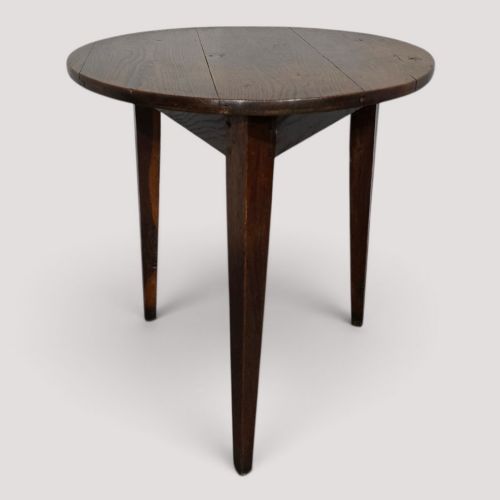
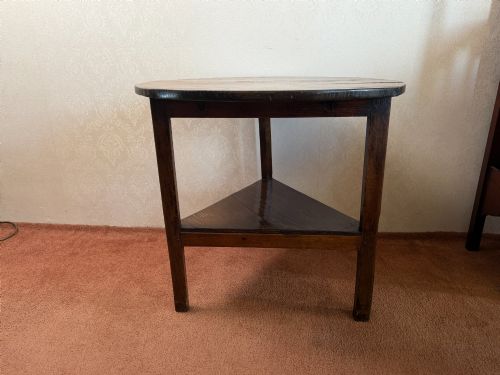
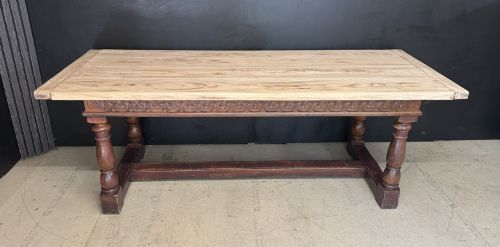
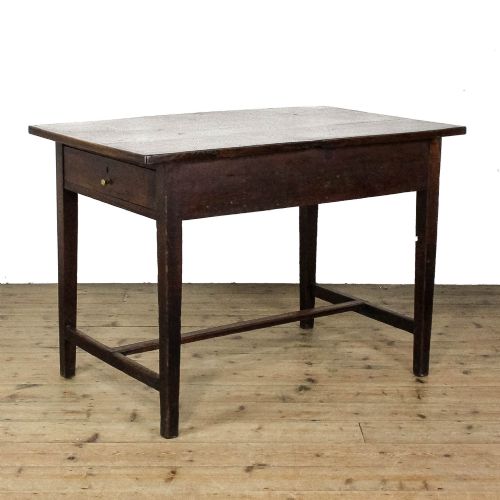
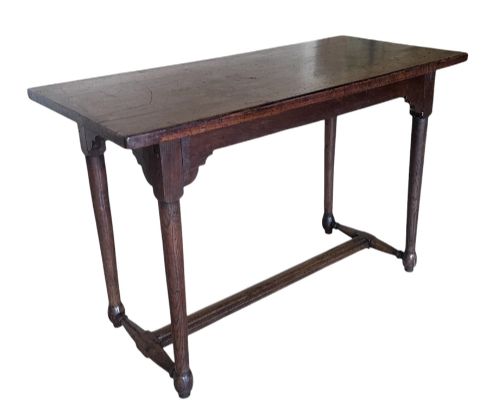
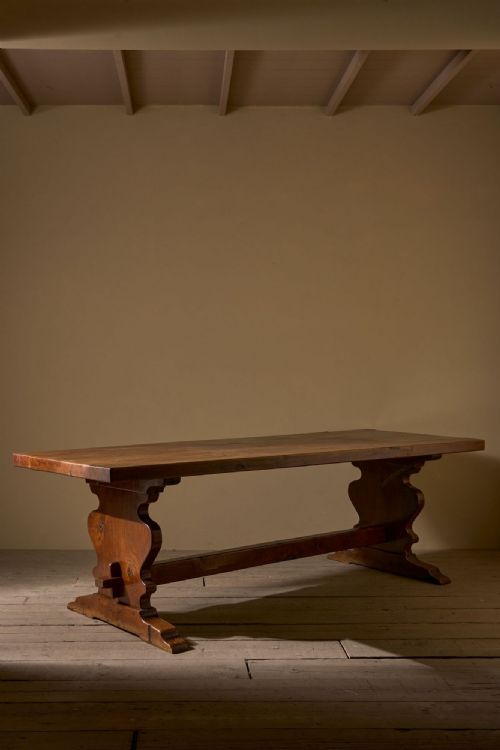
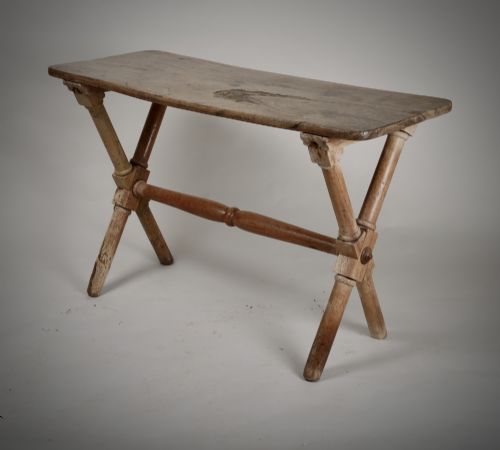
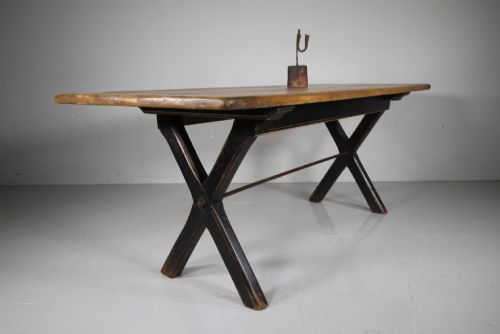
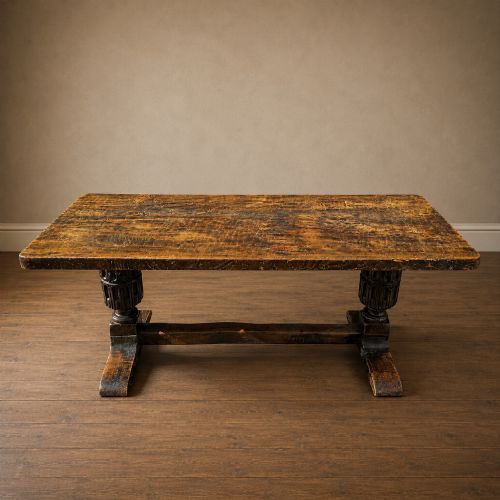
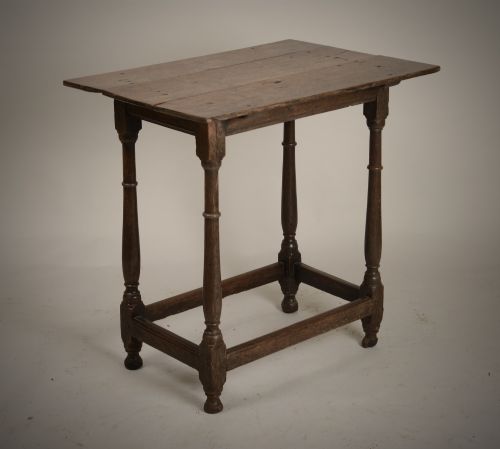
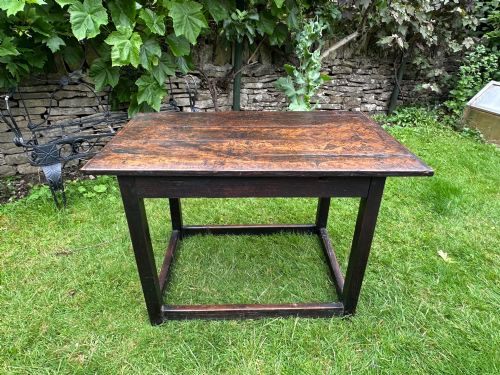
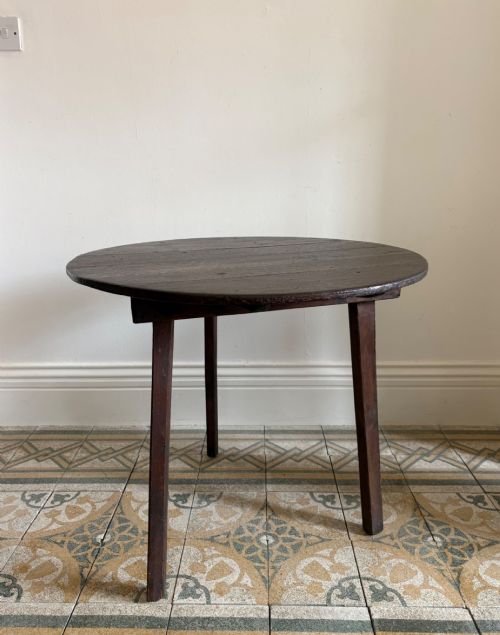
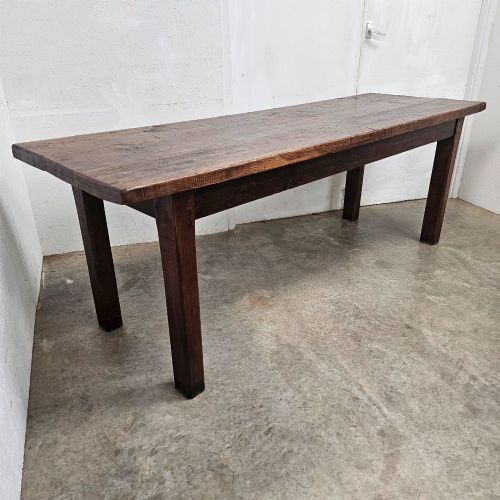
A rustic oak tavern table provides a sturdy timber surface historically built for hospitality venues and communal dining. These pieces range from compact cricket tables to long refectory formats.
The versions most common on this page date from the seventeenth, eighteenth, and nineteenth centuries. Regional examples frequently appear from Welsh and English workshops.
Makers utilised available local timbers to construct functional furniture for everyday use. Surviving examples display the honest wear of decades in active service.
What varies in quality
Quality rests upon the integrity of the original timber and the proportion of the structure. Single-plank tops and substantial framing elevate the stature of a piece above standard utility builds.
The depth of patination and surface colour reflect how a table has aged through centuries of handling. Retaining original structural timber without excessive modern intervention dictates desirability.
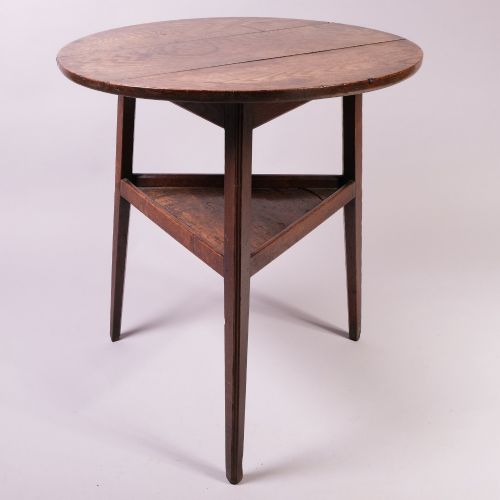
Several cricket tables stand on three legs because that traditional geometry kept them steady on bumpy flagstone tavern floors.
The Rustic Oak Tavern Table Glossary
- Cricket table
- A small three-legged round table typically constructed from oak or elm. These portable pieces suited uneven flagged floors in cottages and taverns.
- Refectory table
- A long narrow dining table designed for communal monastic or domestic dining. Examples often feature heavy trestle bases and thick timber plank tops.
- Gate-leg table
- A table with hinged drop leaves supported by swinging legs. This design allowed furniture to fold down and save space when not in use.
- Plank top
- A table top formed from adjoining solid timber boards rather than veneered panels. Early examples frequently rely on single or double wide boards.
- Patina
- The deep surface sheen and colour developed by timber over centuries of use and waxing. This finish cannot be artificially replicated with modern stains.
Rustic Oak Tavern Table: Frequently Asked Questions
Where were these tables used originally?
These tables served patrons in busy taverns, farmhouses, and rural kitchens where durable surfaces were essential for daily work and dining.
Their robust timber construction allowed them to withstand heavy daily handling in communal spaces across Britain and Europe.
How do I care for an old oak top?
Maintain the timber by applying a neutral beeswax sparingly to nourish the dry wood grain. Avoid placing solid oak tables near direct heat sources to prevent timber splitting.
Clean surfaces with a dry or barely damp cloth without using harsh chemical polishes that strip the historic patina.
What is the difference between a tavern table and a refectory table?
Tavern tables are generally smaller and square or round, designed for intimate social drinking and dining in public houses. Refectory tables are significantly longer rectangular pieces built for communal halls.
Both types utilise heavy timber frames, but refectory formats accommodate larger gatherings with multiple leg supports or trestle bases.
How can I tell an eighteenth-century table from a nineteenth-century one?
Earlier pieces from the seventeenth and eighteenth centuries show hand-tool marks and traditional peg construction methods. Timber selection often includes wider individual planks shaped by pit-sawing.
Nineteenth-century interpretations tend to employ more uniform machine-sawn components while maintaining traditional rustic forms and regional styles.