



Traditional Treen Bowl
These traditional treen bowl pieces are turned wooden vessels of everyday domestic use that bring tactile warmth to modern rooms.
Traditional Treen Bowl
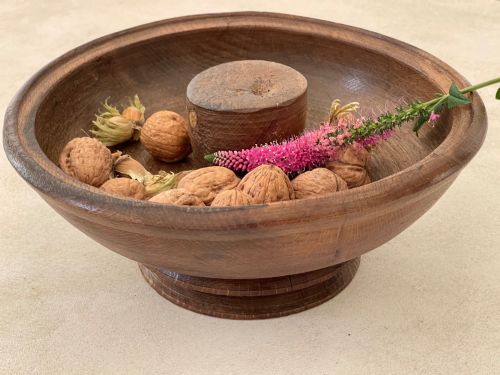
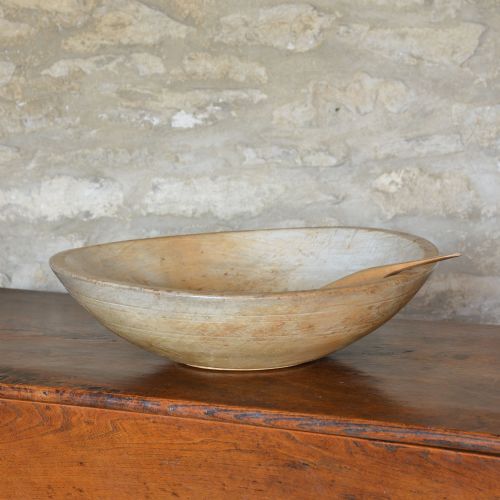
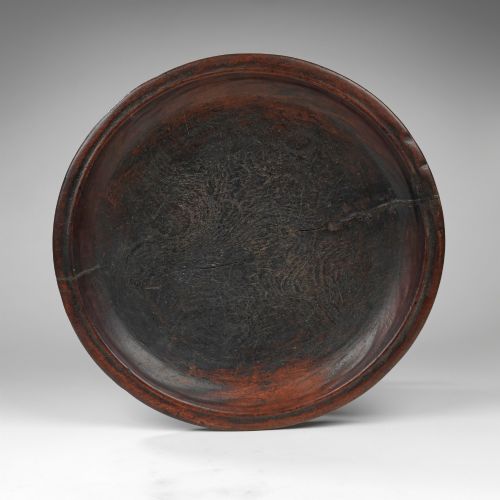
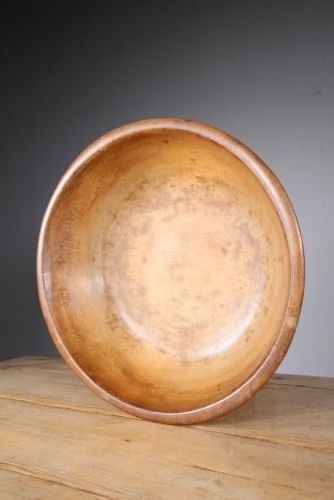
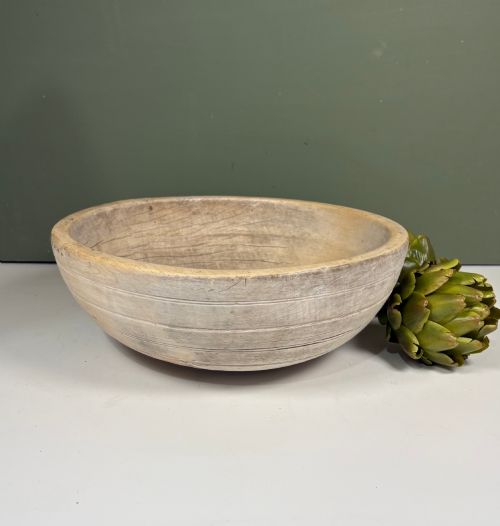
A traditional treen bowl encompasses utilitarian turned wooden items that survived centuries of domestic work in dairies and kitchens. The selection here leans heavily toward large sycamore dairy bowls and fruitwood vessels originating from English and Welsh rural workshops.
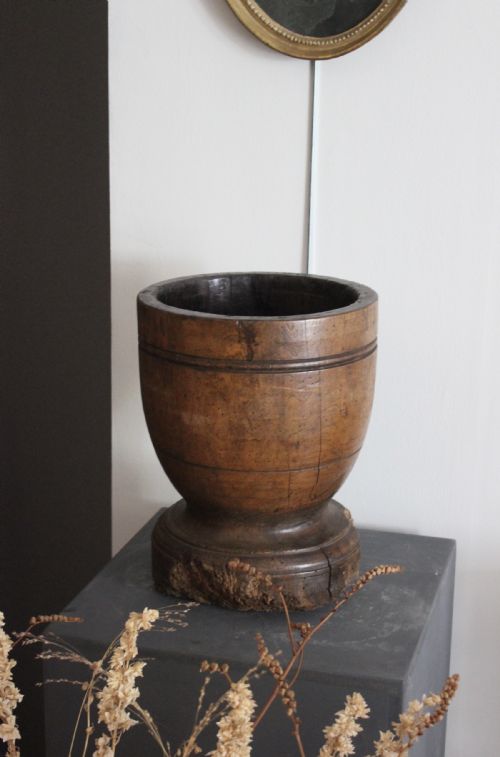
Beyond standard bowls, the evidence includes mortars, platters, spice pots, and scoops shaped from native hardwoods like walnut and ash. These forms reflect the practical demands of rural life before mass-produced ceramics and metals took over the table.
How they were made
Turners shaped these objects on lathes while the wood was still green, allowing the vessels to warp slightly as they dried into organic, asymmetric shapes. Sycamore and fruitwood were chosen for their dense grain and lack of strong odours that might taint food.
Makers finished dairy bowls and mortars with simple scraping tools and repeated use with milk or fats, which built up a deep, protective skin over the timber.
Traditional Treen Bowl Retail Price Guide 2026
Typical asking prices for traditional treen bowl among the pieces listed under this phrase on Sellingantiques today, from the lower quarter to the upper quarter. They describe what is for sale here now, not the wider market.
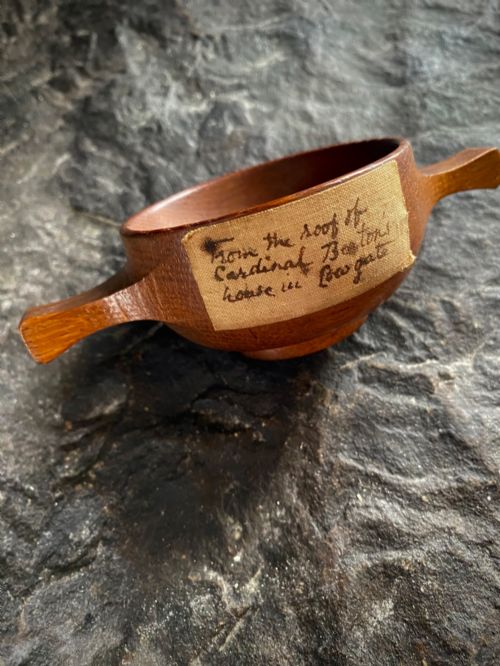
One curious offering includes a tiny coquilla nut container intended for a gentleman's toddy or punch.
What varies in quality
Quality rests in the balance of the turning and the depth of the surface skin accumulated through decades of handling. Thinner walls and crisp rim profiles show greater skill at the lathe.
The survival of original tool marks and an uncompromised timber surface dictate the standing of a piece. Heavily sanded or stripped surfaces lose the visual depth that collectors prize.
The Traditional Treen Bowl Glossary
- Treen
- Small handmade wooden objects of domestic use. The word derives from old English terms for tree.
- Dairy bowl
- A wide, shallow wooden vessel used in butter making and milk setting. Sycamore was preferred because it did not impart flavours to dairy produce.
- Fruitwood
- Timber from fruit-bearing trees such as pear or apple. Turners valued it for a tight grain that held fine detail.
- Mortar
- A heavy bowl used with a pestle for crushing ingredients. Early examples feature thick walls to withstand heavy pounding.
- Patina
- The surface sheen developed through age and use. It reflects the history of handling and cleaning over generations.
Traditional Treen Bowl: Frequently Asked Questions
How were traditional treen bowls used?
These vessels served practical tasks in the dairy and kitchen, such as setting milk, cooling cream, and preparing food.
Their robust timber construction allowed them to withstand daily scrubbing and heavy handling without cracking.
What woods are typical for these bowls?
Makers relied on native British hardwoods, with sycamore appearing most frequently for dairy vessels due to its pale colour and clean grain.
Walnut, fruitwood, ash, and yew also occur in pieces designed for heavier utility or display.
How do I care for wooden bowls?
Keep these pieces away from direct heat sources and sudden temperature shifts that cause the timber to split.
Clean them with a dry cloth and avoid soaking them in water to preserve the historic surface.
How can I tell the age of treen?
Age is judged by tool marks left from the lathe or adze, the wear patterns on the base, and the depth of the surface skin.
Earlier pieces often display thicker walls and broader tool signatures from pole lathes.