

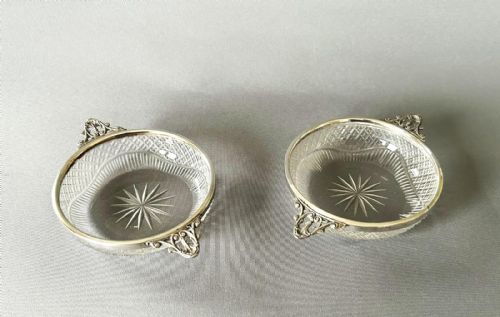


Antique Butter Bowl
An antique butter bowl brings tactile domestic history to the table, offering practical utility and charming period character.
Antique Butter Bowl
An antique butter bowl encompasses a range of domestic serving vessels designed for dairy and table use, spanning utilitarian wooden dairy bowls to refined silver and cut glass serving dishes. When searching for an antique butter bowl, you encounter diverse forms shaped by 19th Century, Edwardian, and Victorian traditions.
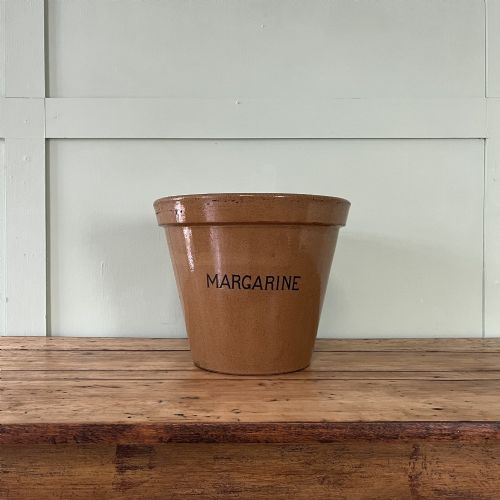
The material expression varies widely across the evidence, moving from country vernacular sycamore bowls and glazed stoneware margarine crooks to elaborate silver plated revolving lidded butter dishes and Georgian cut glass lidded vessels. These pieces reflect both rural dairy production and formal dining table presentation.
Originating from British, French, and Scottish workshops, these serving dishes and storage crocks demonstrate how butter and preserves were stored, presented, and enjoyed during the Georgian, Victorian, and Edwardian eras.
Materials and construction
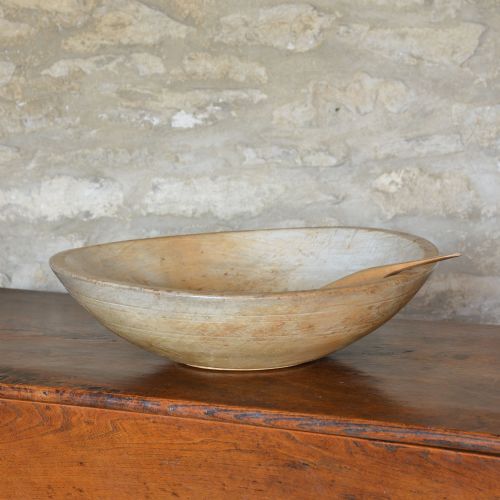
Woodworking traditions utilise native timbers like sycamore, turned or scooped by hand to create durable dairy bowls and scoops suited for everyday agricultural use. These vernacular items rely on simple, effective shaping of natural materials to withstand moisture and heavy handling.
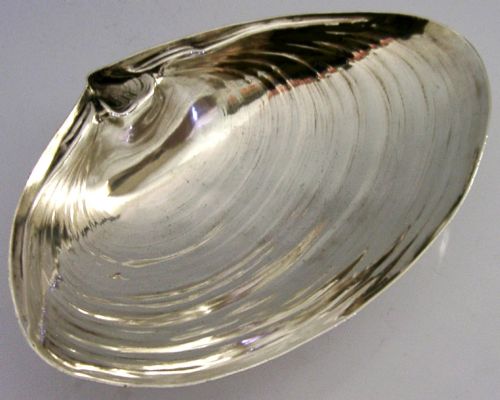
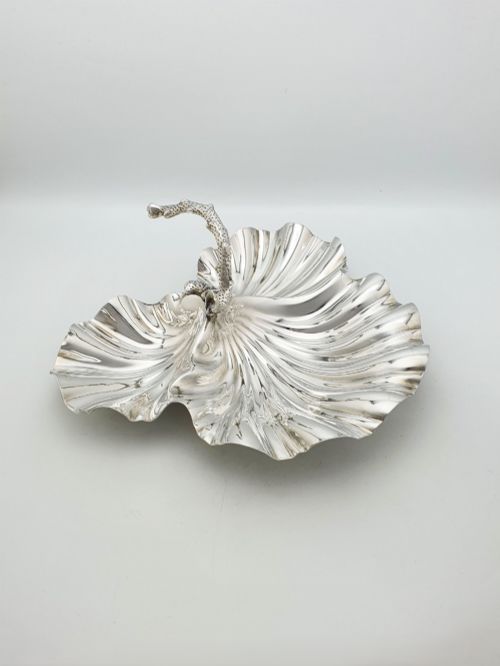
Glass and silver techniques combine in lidded serving dishes, featuring cut glass bodies paired with silver plated or solid sterling mounts, styled with naturalistic elements such as coral handles or leaf shapes. Manufacturers also utilised electroplated nickel silver and glazed stoneware to produce robust yet decorative vessels for the table.
Antique Butter Bowl Retail Price Guide 2026
Typical asking prices for butter bowl among the pieces listed under this phrase on Sellingantiques today, from the lower quarter to the upper quarter. They describe what is for sale here now, not the wider market.
Quality and craftsmanship
The distinction between standard domestic items and finer pieces lies in the crispness of glass cutting, the weight and integrity of the silver plating or solid silver mounts, and the preservation of original wooden surfaces. Elaborate mechanisms, such as revolving lids, demonstrate higher manufacturing complexity.
Design ambition separates simple utility from decorative artistry, evident in stylised coral handles, naturalistic leaf forms, and coordinated cased presentation sets from notable makers like the Goldsmiths & Silversmiths Company.
The Goldsmiths & Silversmiths
The Antique Butter Bowl Glossary
- Sycamore dairy bowl
- A turned or carved wooden vessel used in traditional dairies for processing and holding butter. These items often display simple country vernacular craftsmanship.
- Electroplated nickel silver
- A base metal alloy coated with a layer of silver, widely utilised for Victorian and Edwardian serving dishes to achieve the appearance of solid silver at lower cost.
- Glazed stoneware
- A dense, impermeable ceramic fired with a vitreous glaze, commonly used for heavy-duty storage crocks and margarine bowls in the early 20th century.
- Cut glass
- Glass decorated by grinding facets or patterns into the surface using a wheel, frequently paired with silver mounts on Georgian and Victorian lidded butter dishes.
Antique Butter Bowl: Frequently Asked Questions
What is an antique butter bowl?
An antique butter bowl is a vessel historically used for holding, storing, or serving butter at the table or in the dairy.
They range from plain turned sycamore wooden bowls to ornate silver plated and cut glass lidded dishes from the Victorian and Edwardian periods.
How were glass butter dishes used?
Glass butter dishes served to keep butter fresh and protected on the dining table while displaying the spread visually through cut or coloured glass.
Lidded versions helped maintain hygiene and temperature during meals in Victorian and Edwardian households.
Can I use an antique wooden butter bowl?
Sycamore dairy bowls and scoops were made for practical dairy work, but antique wooden pieces require careful hand washing and oiling to prevent drying.
Many collectors prefer to display them as decorative items rather than subjecting them to modern daily use.
How do I date a silver butter dish?
Dating silver or silver plated dishes involves examining hallmarks, registry marks, and stylistic clues such as naturalistic leaf handles or revolving mechanisms.
Edwardian and Victorian pieces often show distinct manufacturing techniques and maker stamps that help narrow their era.