




Vintage Wooden Dough Bowl
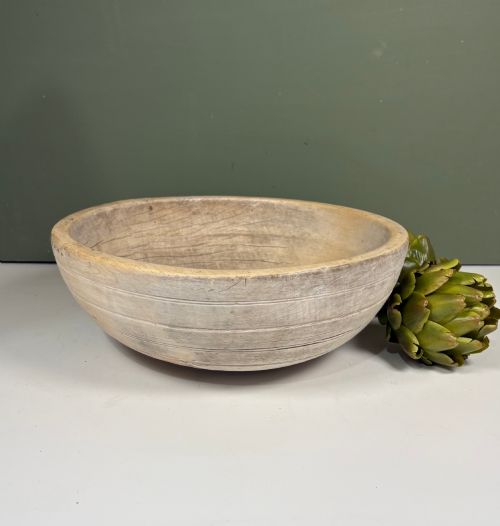
A vintage wooden dough bowl brings centuries of utilitarian craft into a modern interior.
Vintage Wooden Dough Bowl
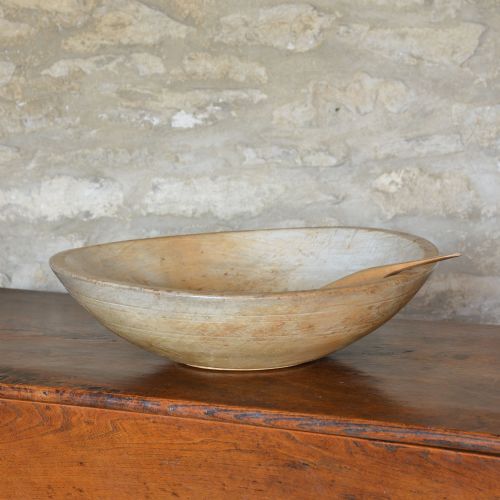
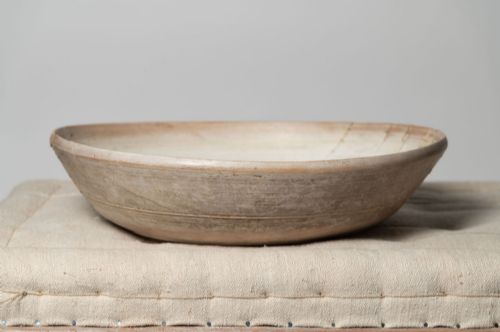
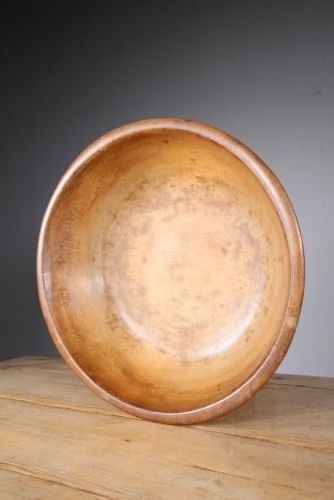
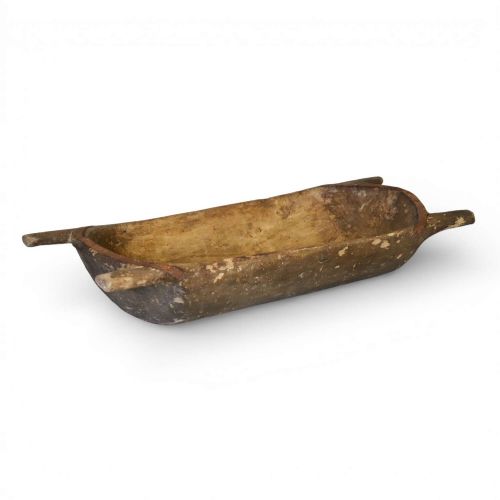
A vintage wooden dough bowl encompasses hard-wearing domestic vessels shaped for agricultural and culinary labour. These pieces span centuries from the 17th century to the early 20th century, emerging from diverse regional traditions across England, France, Sweden, and India. Buyers searching for a vintage wooden dough bowl will encounter forms ranging from deep kneading troughs to dairy bowls and turned treen vessels.
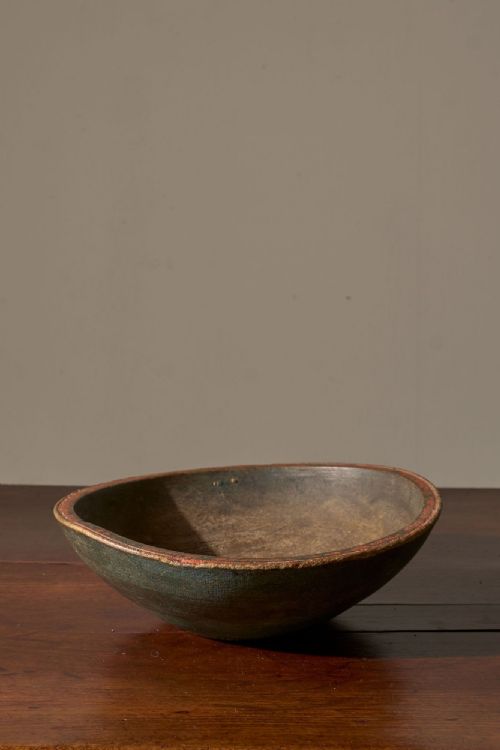
The domestic vernacular dominates the selections on this page, reflecting the utilitarian origins of these items. Sycamore, pine, and solid timber feature prominently among the materials, shaped by hand or carved as dug-out vessels. Each item carries the functional marks of its previous life in a farmhouse, dairy, or kitchen.
Materials and construction methods
Makers utilised native hardwoods and softwoods, selecting sycamore and pine for their stability and resistance to splitting during heavy daily use. Artisans hollowed solid blocks of timber or turned green wood on pole lathes to create uniform bowls. Some Swedish examples retain original painted surfaces applied over the bare timber.
Construction relied on direct carving techniques such as dug-out methods and hand-shaping with adzes and gouges. Iron fastenings appear occasionally, though primary construction depends entirely on the integrity of the solid wood. Surfaces acquired their character through decades of scrubbing and hand-polishing.
Vintage Wooden Dough Bowl Retail Price Guide 2026
Typical asking prices for vintage wooden dough bowl among the pieces listed under this phrase on Sellingantiques today, from the lower quarter to the upper quarter. They describe what is for sale here now, not the wider market.
Listings span six distinct centuries of timber craftsmanship, ranging from seventeenth-century folk art to early twentieth-century dug-out vessels.
Assessing quality in early treen and troughs
Quality rests in the survival of original tool marks and the depth of the timber's surface appearance. Vessels that retain their early tool signatures display the direct hand of the maker rather than mechanical smoothing. A rich patina develops from centuries of use and oiling, separating well-preserved domestic pieces from dry or stripped examples.
Proportion and scale dictate the visual weight of each piece, with larger kneading troughs and deep dairy bowls commanding attention through sheer volume. The choice of dense sycamore or figured timber enhances the tactile experience of the object. Integrity of the base and rim remains paramount, showing how cleanly the vessel weathered its working life.
The Vintage Wooden Dough Bowl Glossary
- Treen
- Small handmade wooden domestic objects and utensils produced before the era of mass manufacturing. These items include bowls, spoons, and platters shaped for kitchen and dairy use.
- Sycamore
- A dense, light-coloured hardwood favoured by turners and dairy workers for its clean finish and resistance to tainting food. It forms the primary material for many historic British dairy bowls.
- Patina
- The deep sheen and surface coloration developed on timber over generations of handling, washing, and exposure to oils. This layer signals authentic age and continuous domestic use.
- Dug-out bowl
- A vessel carved directly from a single solid log of timber rather than assembled from staves or turned on a lathe. This technique provides immense structural strength for heavy kneading work.
- Kneading bowl
- A large trough designed specifically for mixing and proving bread dough in domestic farmhouses. These pieces usually feature deep sides and flat bases for stability on a table.
Vintage Wooden Dough Bowl: Frequently Asked Questions
How were these bowls used historically?
These vessels served fundamental domestic and agricultural roles in rural households, primarily for kneading bread dough, setting milk in dairies, or sorting produce.
Larger troughs provided the capacity for mixing flour and yeast, while shallower treen bowls held liquids or dry goods during daily kitchen preparation.
Can I use an antique bowl for food?
Most historic wooden vessels are best reserved for dry presentation or decorative display rather than wet food preparation.
Historic cleaning methods, natural timber shrinkage, and historic wear mean modern culinary use can compromise the antique structure of the wood.
How do I date a wooden bowl?
Dating relies on observing tool marks, timber species, surface wear, and regional construction characteristics rather than maker marks.
Earlier pieces from the 17th and 18th centuries often show hand-adzed surfaces and distinct vernacular forms compared to later 19th-century turned examples.