





Country Wooden Spoon
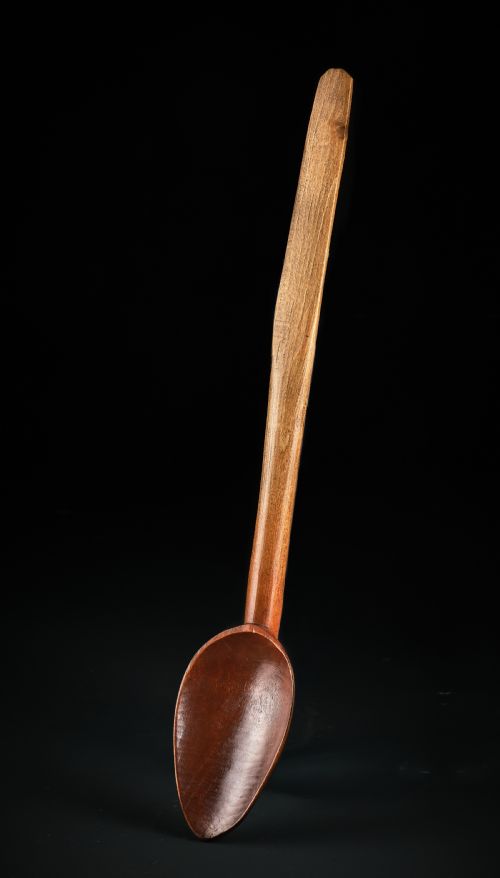
A country wooden spoon is a utilitarian domestic implement carved from local timber that brings honest, tactile history into a modern home.
Country Wooden Spoon
When you search for a country wooden spoon, you encounter practical kitchen utensils and treen created during the eighteenth and nineteenth centuries. These items reflect the everyday domestic life of rural households across England and Wales.
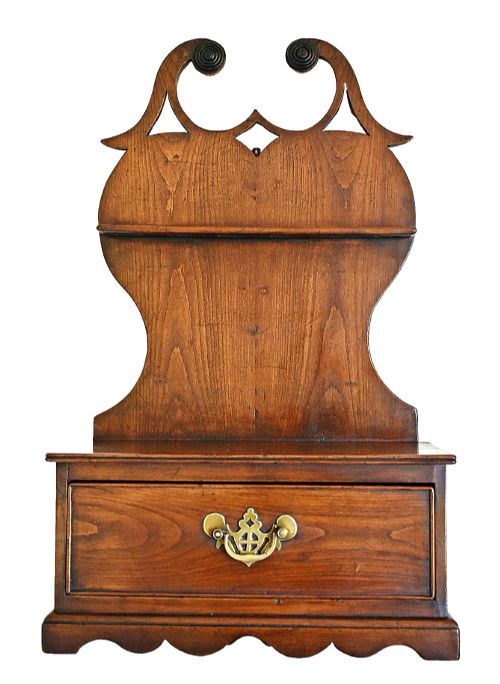
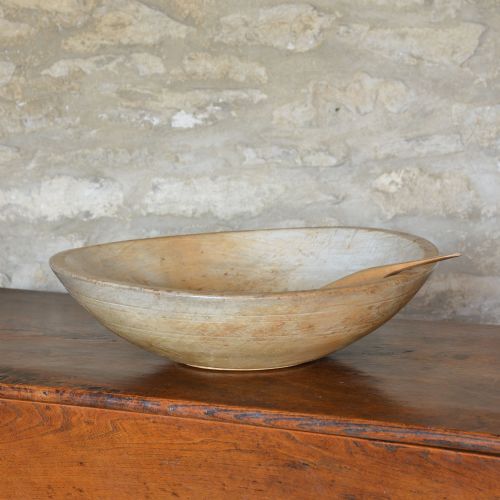
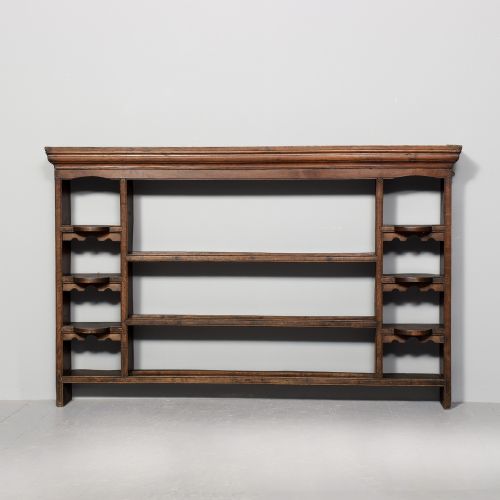
The pieces on this page span the Georgian era through to nineteen hundred, encompassing utilitarian items like basting spoons and ladles alongside related objects such as oak spoon racks and dairy bowls. Beechwood, sycamore, cherrywood and oak dominate the material record.
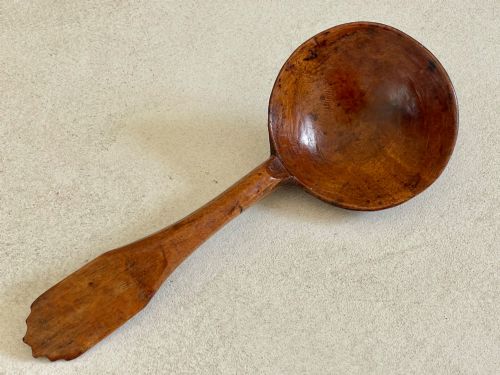
You are most likely to meet sycamore dairy spoons, beechwood basting spoons and cherrywood ladles alongside accompanying treen utensils. These implements were shaped by hand for stirring, skimming and serving.
How they were made
Maker-craftsmen utilised native hardwoods harvested from local woodlands, selecting timber based on its density and grain. Sycamore, beech, cherry and oak provide the structural foundation for these kitchen implements.
Carvers employed traditional hand tools to shape green or seasoned timber into functional forms. This straightforward reductive process left tool marks that record the physical creation of each spoon.
Country Wooden Spoon Retail Price Guide 2026
Typical asking prices for country wooden spoon among the pieces listed under this phrase on Sellingantiques today, from the lower quarter to the upper quarter. They describe what is for sale here now, not the wider market.
What varies in quality
Quality rests in the balance of the proportions and the ergonomic comfort of the handle. A well-balanced spoon feels natural in the hand and displays confident carving rather than hesitant shaping.
Surface evolution separates ordinary examples from superior ones. Centuries of handling produce a deep patination and warm colour across the timber that mechanical cleaning cannot replicate.
The Country Wooden Spoon Glossary
- Treen
- Small handmade wooden domestic objects produced before the widespread adoption of plastics and modern manufacturing. The term derives from the old English word for tree.
- Sycamore
- A dense, light-coloured hardwood traditionally favoured for dairy equipment because it does not impart odours or flavours to food. It constitutes a primary material for utilitarian spoons and bowls.
- Basting spoon
- A large kitchen utensil designed for scooping and pouring juices over roasting meat. Georgian examples often feature sturdy wooden shafts intended for daily culinary labour.
- Patina
- The surface sheen and colour developed over decades through handling, waxing and natural wear. It serves as a visual indicator of age and tactile history.
Country Wooden Spoon: Frequently Asked Questions
What is a country wooden spoon?
A country wooden spoon is a hand-carved domestic implement made from local British hardwoods during the eighteenth and nineteenth centuries. These utensils served practical roles in rural kitchens.
They encompass various forms including basting spoons, scoops and ladles fashioned by regional makers using timber like sycamore, beech and cherry.
How were antique wooden spoons used?
These spoons performed daily tasks in rural households such as stirring stews, skimming cream and serving food at the table. Their robust construction suited heavy kitchen work.
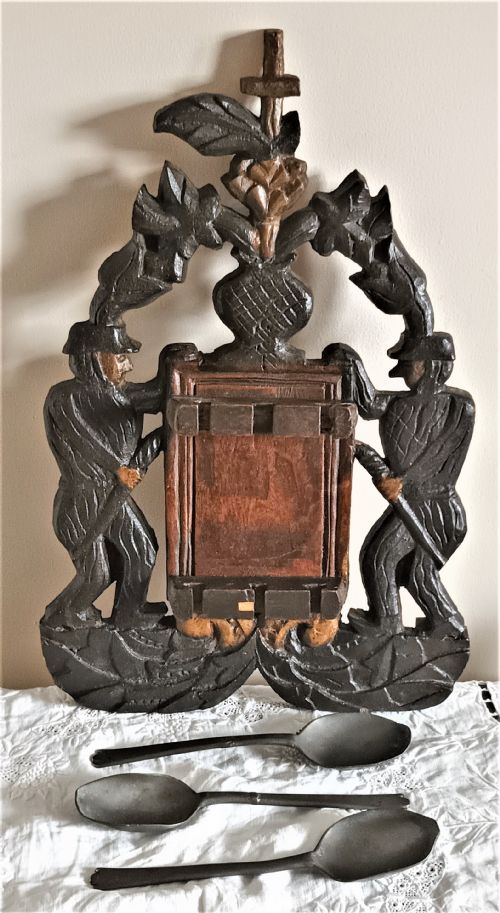
Many survived because they remained valued domestic tools rather than decorative items, often stored in dedicated wall racks alongside pewter tableware.
How do I care for antique treen?
Keep wooden spoons away from direct heat sources, extreme temperature fluctuations and modern dishwashers. Excessive moisture causes the timber to warp and split.
Maintain the surface by occasionally applying a neutral food-safe oil or beeswax to nourish the dry wood and preserve its historic patination.
How can I tell a Georgian spoon?
Georgian wooden spoons exhibit distinct tool marks and material characteristics consistent with eighteenth and early nineteenth-century hand production. They utilise native British timbers like oak, beech and sycamore.
Pay attention to the natural wear patterns on the bowl and handle, which indicate genuine age and historical domestic use.