




Country Kitchen Treen
Country kitchen treen brings utilitarian wooden domestic wares from the eighteenth and nineteenth centuries straight into modern homes.
Country Kitchen Treen
Country kitchen treen encompasses functional wooden domestic implements and vessels shaped for everyday use in farmhouse and domestic kitchens. These pieces span the eighteenth and nineteenth centuries, including Victorian and Edwardian examples rooted in rural traditions.
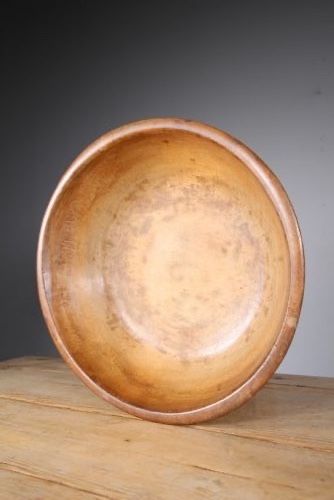
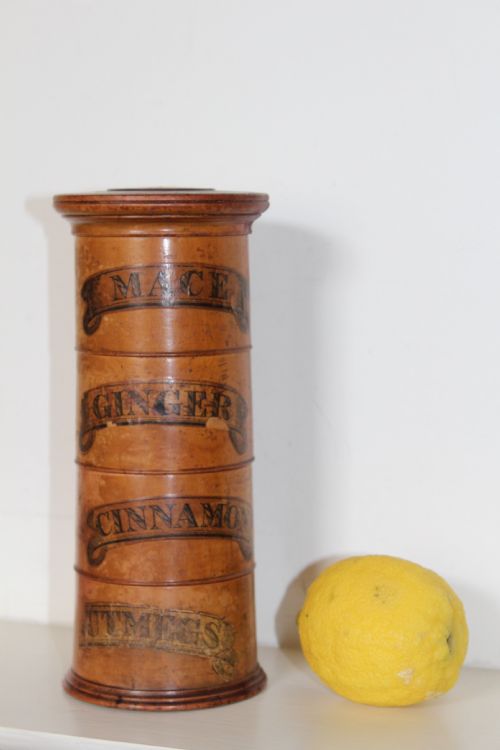
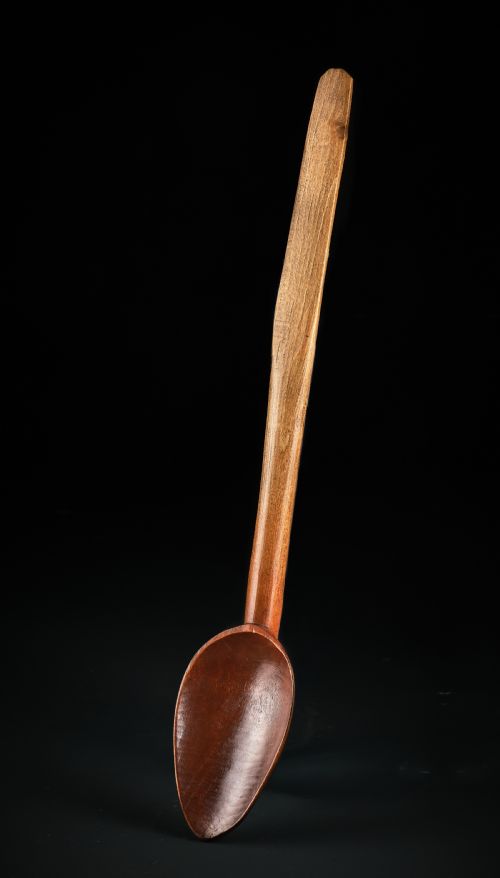
The objects seen here range from dairy bowls and spoon racks to salt boxes, spice towers, eggcups stands, cheese stands, basting spoons, ladles, flour scoops, and herb chopper bowls. Sycamore, oak, yew wood, mahogany, mixed hardwoods, boxwood, beechwood, and cherrywood dominate these forms.
Buyers most frequently encounter nineteenth-century sycamore dairy bowls and utilitarian kitchen treen displaying rustic farmhouse, Welsh country, Georgian, and Welsh folk art styles. Each item bears the distinct marks of domestic utility rather than formal parlour display.
How these pieces were made
Makers utilised native timbers suited to food preparation and daily handling, selecting sycamore, oak, beechwood, cherrywood, yew wood, and boxwood for their durability and grain. Woodturners shaped bowls and stands on lathes while spoons, ladles, scoops, and salt boxes were carved by hand from mixed hardwoods and timber.
Joinery techniques such as pegged joints or simple housing construction held together spoon racks and spice towers, whilst bowls and mortar vessels emerged from solid blocks of wood. Surfaces remained largely untreated or finished through decades of natural kitchen use and repeated scrubbing.
What varies in quality
Quality rests upon the harmony between the utilitarian function of the object and the skill evident in its turning or carving. Thicker walls on dairy bowls, well-balanced proportions on ladles and basting spoons, and thoughtful octagonal shaping on herb chopper bowls elevate certain pieces above standard kitchen utility.
The character of the timber grain and the depth of surface patina resulting from age and use distinguish finer domestic treen. Pieces retaining clear tool marks and honest structural integrity demonstrate superior craftsmanship within rural traditions.
The Country Kitchen Treen Glossary
- Treen
- Small handmade wooden domestic objects and utensils. The term derives from the old English word for tree.
- Dairy Bowl
- A large shallow wooden vessel used in butter making and milk processing. Sycamore was typically chosen for this purpose because it does not impart taste or odour to dairy products.
- Salt Box
- A wall-mounted wooden container with a hinged lid designed to keep salt dry near the hearth. These often feature pierced backs for hanging.
- Spoon Rack
- A wall-hanging wooden rack designed to display and store serving spoons and ladles. Welsh examples frequently exhibit distinct vernacular joinery.
- Herb Chopper Bowl
- A thick wooden mortar or bowl used in conjunction with a blade for mincing herbs and spices. Many examples feature octagonal outer profiles carved from a single piece of timber.
Country Kitchen Treen: Frequently Asked Questions
How do I date wooden treen?
Dating treen relies on observing tool marks, timber species, construction methods, and overall form. Eighteenth-century items like oak spoon racks often show hand-wrought joinery, while Victorian sycamore dairy bowls display characteristic nineteenth-century turning.
Patina and wear patterns accumulated through decades of kitchen use also offer reliable indicators of age.
Why was sycamore used for dairy bowls?
Sycamore timber possesses a dense, closed grain and contains minimal natural oils or strong flavours. This prevented the wood from contaminating milk, cream, and butter during processing.
Makers turned these bowls specifically for dairies because the pale wood resisted splitting when exposed to frequent washing and moisture.
How should I care for antique treen?
Antique wooden treen requires stable indoor humidity away from direct heat sources and harsh sunlight. Cleaning should involve only a damp cloth rather than soaking in water.
Applying occasional light mineral oil or food-safe wax helps preserve the dry surface without harming the historic patina.
What styles are common in Welsh treen?
Welsh treen frequently encompasses vernacular items like carved ladles, flour scoops, and spoon racks made from beechwood, cherrywood, or oak. These objects often display distinctive regional folk art characteristics.
Their robust construction and unpretentious forms set them apart from formal English urban furniture of the same periods.