




Traditional Timber Sideboard
A traditional timber sideboard anchors a dining room with practical storage and honest construction, drawing the eye to generous surfaces and enduring materials.
Traditional Timber Sideboard
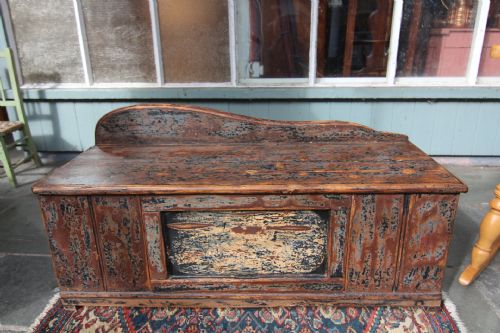
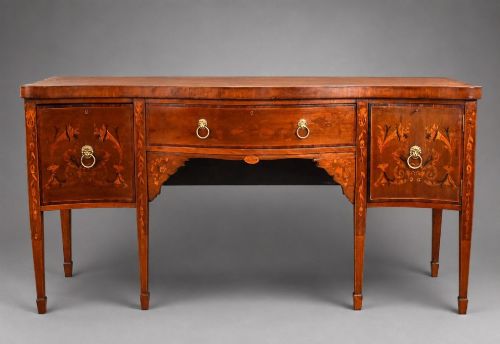
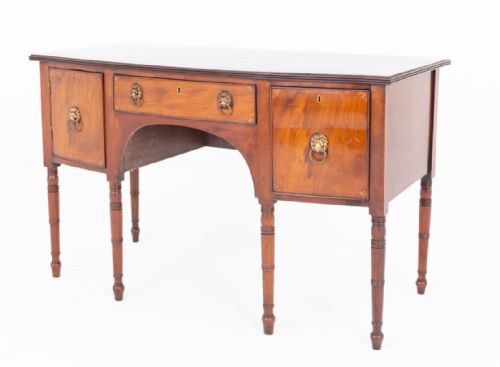
A traditional timber sideboard encompasses sturdy furniture designed for dining spaces and hallways, spanning periods from the eighteenth century through the Edwardian era. These pieces manifest primarily as formal dining room sideboards, serving tables, and open or enclosed dresser bases.
The selection here includes regional English country pieces, formal Georgian mahogany designs, and substantial Victorian oak and mahogany iterations. Alongside standard sideboards, buyers encounter related storage forms such as potboard bases, court cupboards, and side cabinets.
Origins stretch across British regional workshops, continental European makers, and imported timber traditions. Each piece delivers functional surface area and interior storage tailored to domestic life across multiple centuries.
Materials and construction
Makers constructed these pieces from solid hardwoods and softwoods including mahogany, oak, pine, elm, cherrywood, and walnut. Brass hardware, iron fixtures, and occasional painted finishes complete the structural composition.
Joinery techniques rely on traditional timber framing, dovetail joints for drawer construction, and panelled doors. Natural wood grains, hand-painted surfaces, and applied brass fittings demonstrate period craftsmanship.
Period representation spans the eighteenth, nineteenth, and early twentieth centuries, including Georgian and Victorian eras.
Assessing the timber and form
Quality rests in the selection of timber, such as figured mahogany, pollard oak, burr walnut, or sound structural pine and elm. Superior examples exhibit harmonious proportions, clean lines, and crisp carving or inlay work.
Original hardware, sound joints, and intact timber surfaces elevate a piece above altered or heavily restored alternatives. The integrity of the backboards, drawer linings, and internal shelving indicates the standard of original workshop production.
The Traditional Timber Sideboard Glossary
- Dresser base
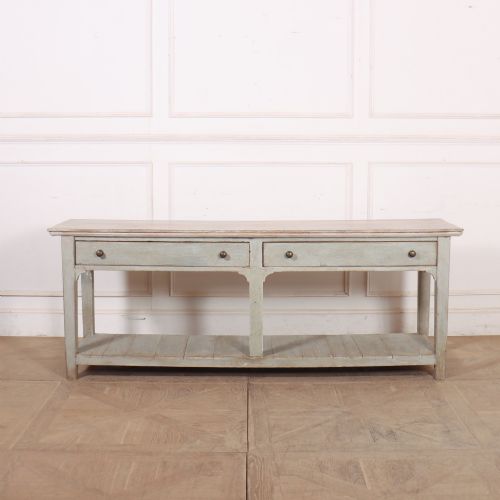
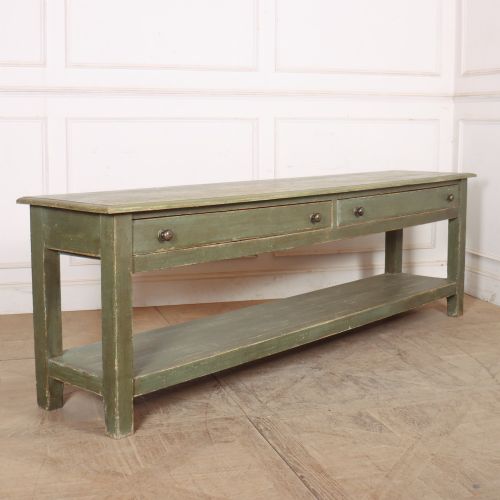
- A lower cabinetry unit featuring drawers or cupboards beneath a wide serving surface, often originating from farmhouse kitchens.
- Potboard
- An open lower shelf built into a dresser base or serving table, traditionally utilised for storing earthenware and pots.
- Court cupboard
- An antique enclosed cupboard featuring upper and lower tiers with carved panels, dating to earlier centuries.
- Serpentine
- A curved sideboard front shape undulating outward in the centre and inward at the sides.
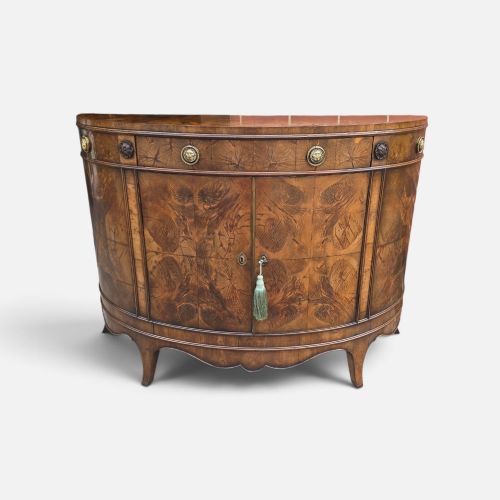
- Demi-lune
- A half-moon shape utilised for console tables and small side cabinets designed to sit flush against a wall.
- Pedestal sideboard
- A substantial formal dining room sideboard featuring flanking cupboards supporting a central surface.
Traditional Timber Sideboard: Frequently Asked Questions
Where should I place a sideboard?
These pieces suit dining rooms, large hallways, and living spaces where surface area and enclosed storage are required. Their depth demands adequate clearance from opposing walls or furniture.
Positioning them away from direct heat sources protects the timber from drying out or splitting over time.
How do I clean wooden furniture?
Dust the timber regularly with a soft, dry cloth to prevent grit accumulation on polished or painted surfaces. Avoid silicone-based sprays that build up residue and attract dirt.
Feed dry wood occasionally with appropriate beeswax or furniture polish to maintain the finish without harming the grain.
What is a potboard dresser?
A potboard dresser base includes an open lower shelf positioned close to the floor beneath the main counter. This shelf provided practical storage for heavy pots and kitchen utensils in traditional settings.
Today, this architectural feature offers an open display space for baskets or ceramic collections.
How do I date a sideboard?
Dating relies on examining construction methods, timber species, hardware, and stylistic details. Hand-cut dovetails, secondary softwood linings, and distinct regional forms point to specific historical periods.
Compare the carcass design and decorative motifs, such as Georgian bracket feet or Victorian mirror backs, against established stylistic eras.
Can I use a workbench as a sideboard?
Large wooden workbenches featuring vices and heavy tops function effectively as striking sideboards or console tables in contemporary interiors. Their substantial length and weathered timber bring texture to modern spaces.
Ensure the height and depth align with your room dimensions before placing one in a dining or living area.