



Traditional Timber Commode
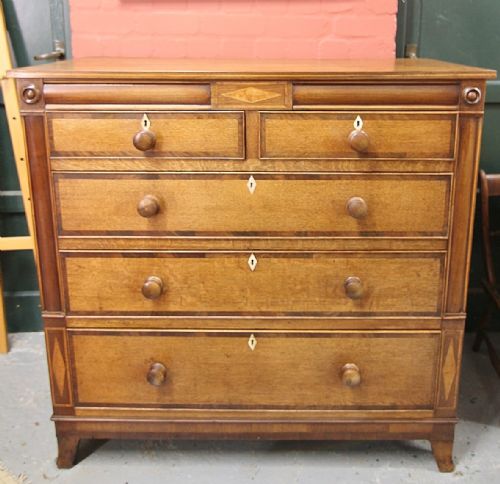
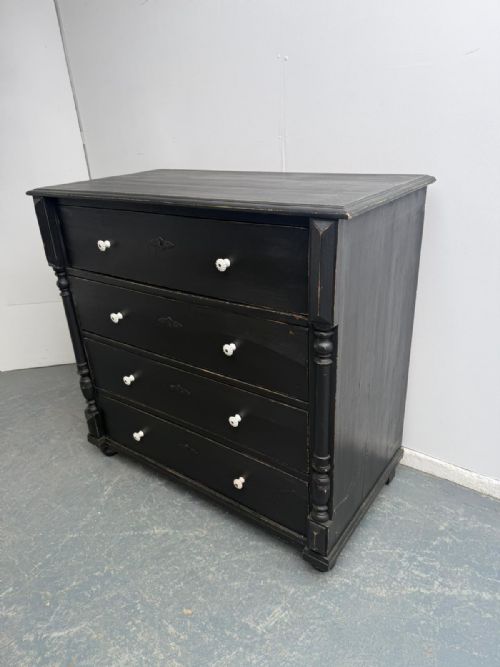
These traditional timber commode pieces are storage chests and cabinets built from solid woods across several centuries to hold domestic belongings.
Traditional Timber Commode
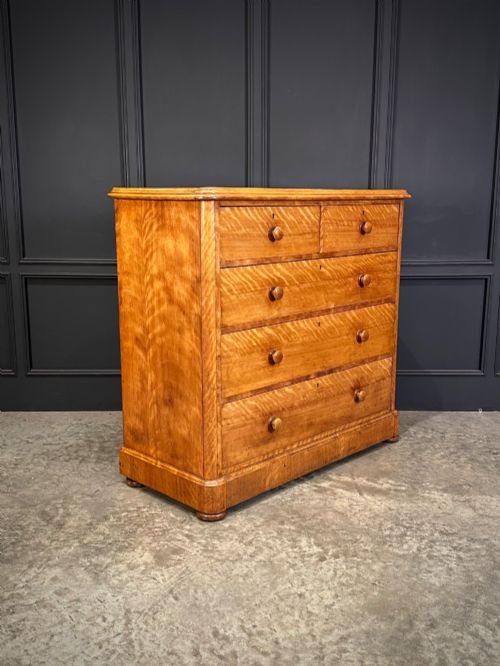
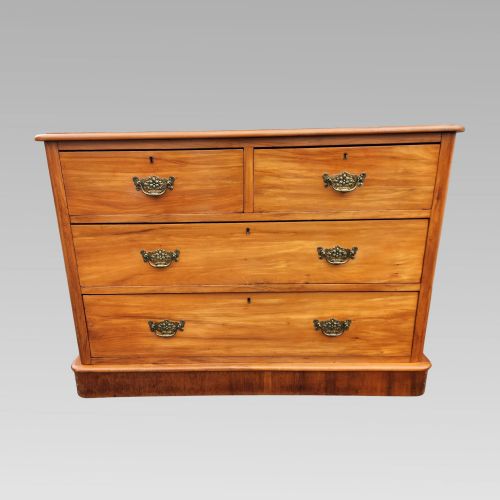
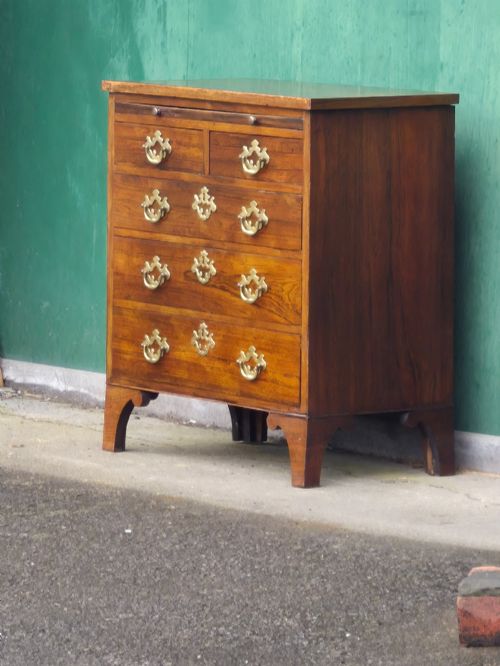
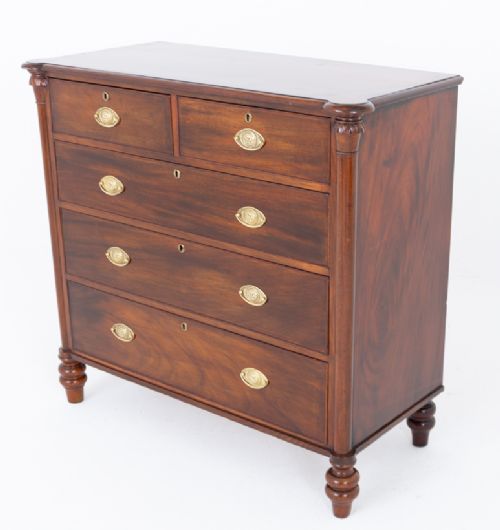
When you search for a traditional timber commode, you encounter a range of forms spanning chests of drawers, bedside tables, and side cabinets. These items originate from periods including the Georgian, Victorian, and Edwardian eras.
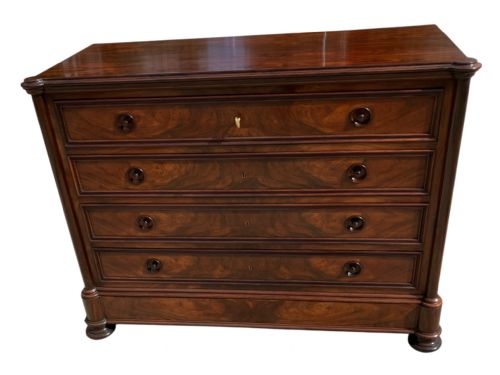
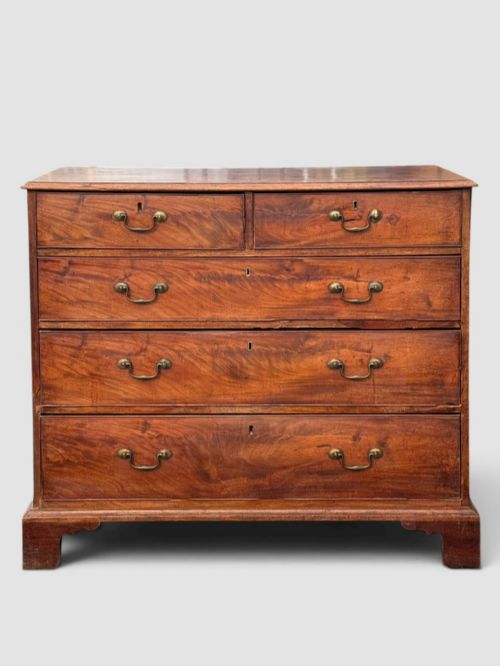
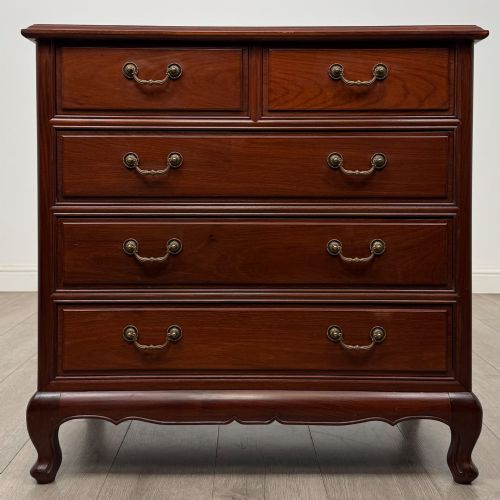
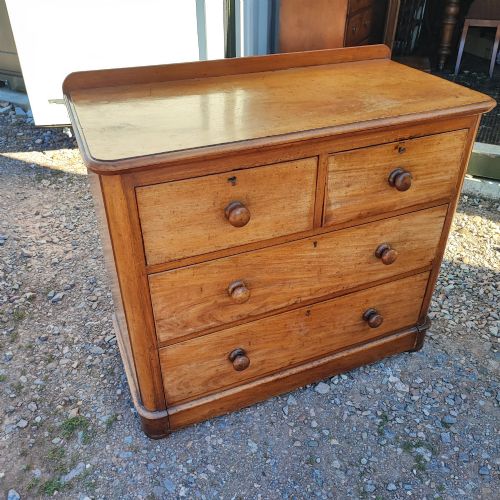
The versions most frequently met on this page are mahogany and walnut chests of drawers built in Georgian and Victorian workshops. They combine practical storage capacity with formal cabinetmaking traditions.
Other variations include satinwood, rosewood, and pine pieces, sometimes featuring specialised configurations like secret drawers or serpentine fronts. Their origins range from British workshops to continental examples.
Construction and materials
Cabinetmakers utilised dense hardwoods such as mahogany, walnut, and rosewood, often pairing them with secondary timbers like pine for internal drawer framing. These woods provided the structural stability necessary for large chests of drawers.
Surface decoration relied on natural grain patterns, notably burr walnut and marquetry, alongside satinwood stringing and brass handles. Construction methods involved traditional dovetail joints for drawers and panelled backs for rigidity.
One listed chest manages to conceal five standard drawers alongside two secret drawers for hidden storage.
Judging the standard
Quality in a traditional timber commode rests on the selection of timber veneers and the precision of the cabinet work. Superior examples display carefully matched grain patterns across drawer fronts and tight, hand-cut dovetails.
The integrity of original brass handles, locks, and internal elements distinguishes higher grade pieces from later alterations. Finer proportions and sophisticated outlines, such as serpentine or block fronts, indicate skilled workmanship.
William Gomm·Morison and Co
The Traditional Timber Commode Glossary
- Serpentine front
- A furniture front curved with a convex centre flanked by concave ends. This shaping requires advanced woodworking skill.
- Burr walnut
- Timber taken from a growth on a walnut tree, yielding complex, swirling grain patterns. Cabinetmakers valued it for decorative veneering.
- Dovetail joint
- An interlocking wood joint formed by wedge-shaped fingers. It secures drawer corners against heavy daily pulling.
- Marquetry
- Decorative patterns formed by fitting contrasting veneers into a wood surface. Craftsmen used various woods to create pictorial designs.
- Secret drawer
- A concealed compartment hidden within the carcass or frieze of a cabinet. These were designed for securing valuables.
Traditional Timber Commode: Frequently Asked Questions
What is a traditional timber commode?
A traditional timber commode is a freestanding item of case furniture designed primarily for storage, encompassing chests of drawers and side cabinets.
These pieces rely on solid wood construction and historic cabinetmaking techniques developed during the Georgian, Victorian, and Edwardian periods.
How do I date a timber chest?
Dating relies on examining the timber species, construction methods, and hardware style. Earlier pieces often feature hand-cut dovetails and native hardwoods.
Later Victorian and Edwardian examples may incorporate machine-sawn elements, different secondary woods, and distinct handle designs reflecting prevailing tastes.
Where were these cabinets used?
These items served principally in bedrooms and formal reception rooms for organising linens, clothing, and personal valuables.
Smaller bedside tables and night cupboards functioned alongside sleeping quarters to hold small items within reach.
How do I care for antique wood?
Preserving antique timber involves keeping pieces away from direct heat sources and sudden humidity changes. These environmental controls prevent wood splitting and veneer lifting.
Applying occasional appropriate wax polish maintains the surface sheen without building up heavy residue.