


Traditional Sporting Art
Traditional sporting art captures the energy of the field and the stable, offering enduring depictions of horses, hounds, and country pursuits.
What traditional sporting art is
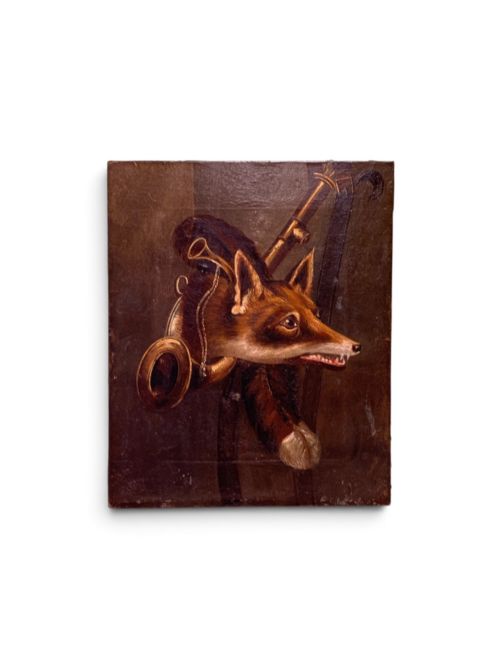
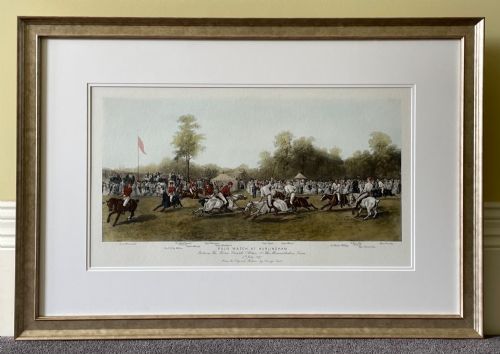
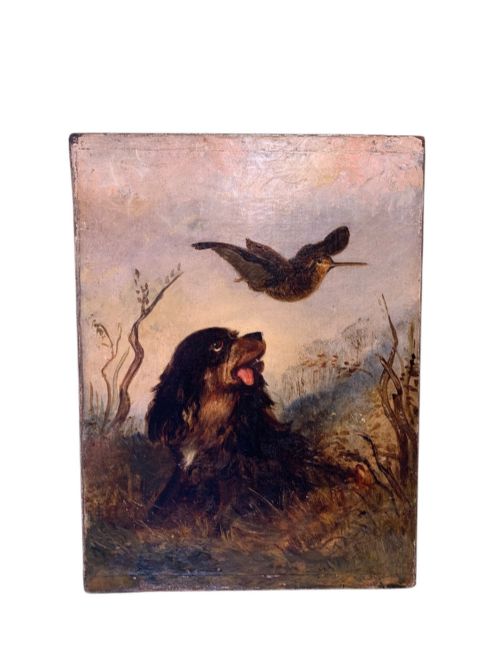
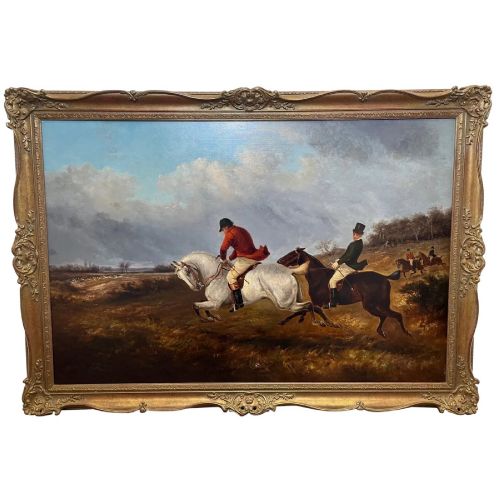
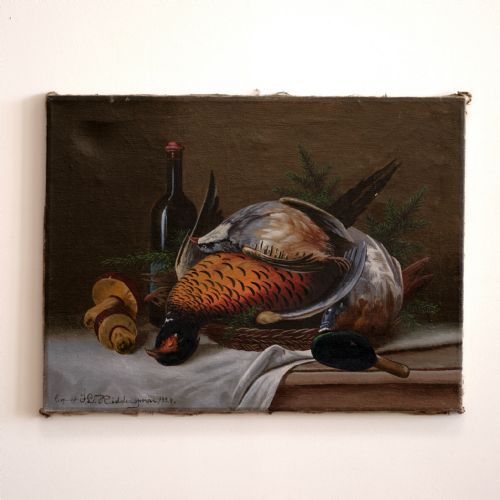
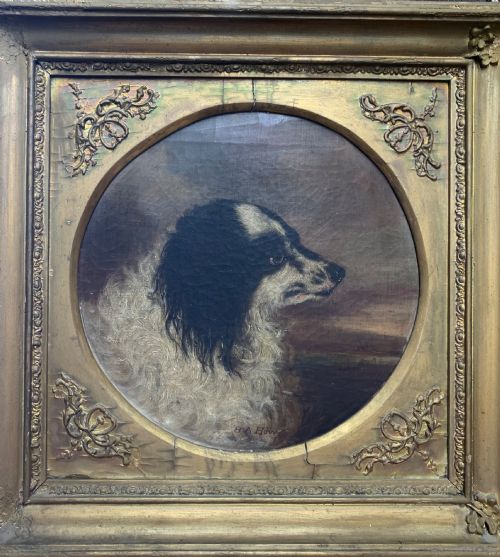
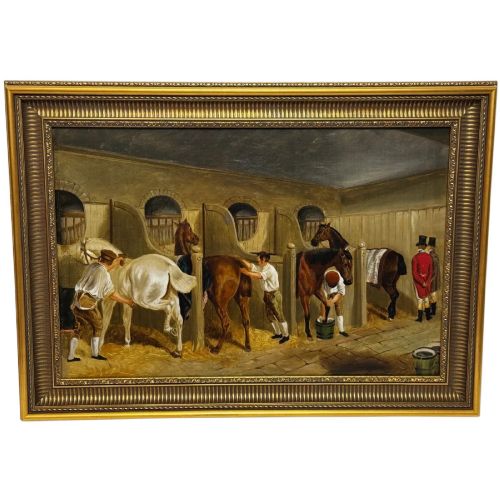
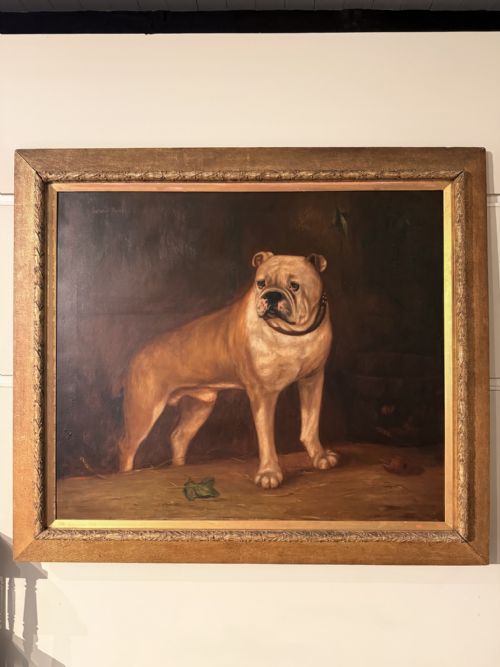
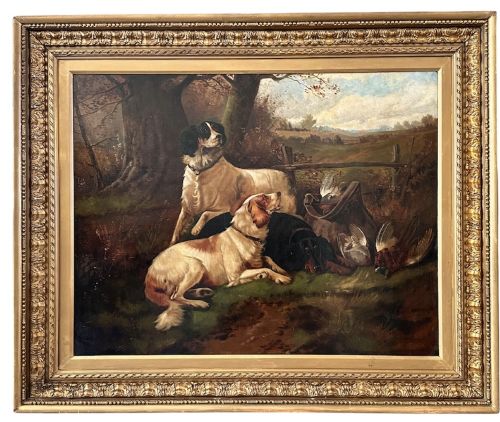
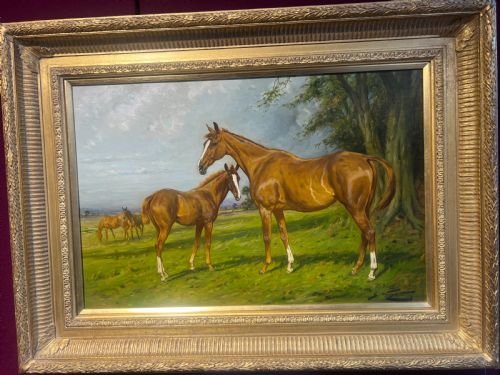
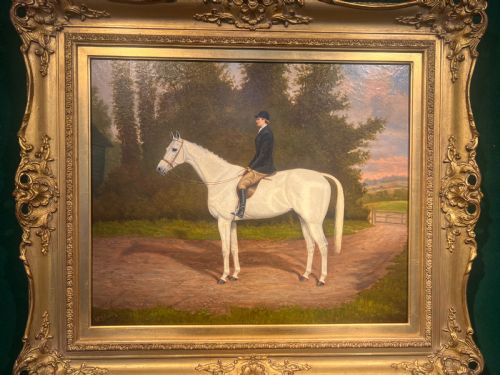
Traditional sporting art encompasses framed oil paintings that record equestrian scenes, hunting expeditions, and canine portraits from the nineteenth and early twentieth centuries. These works reflect a distinct British aesthetic focused on rural life and animal subjects.
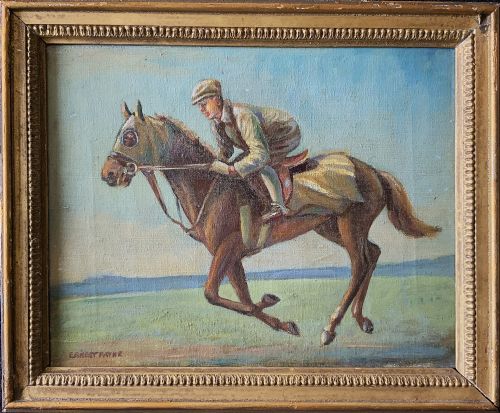
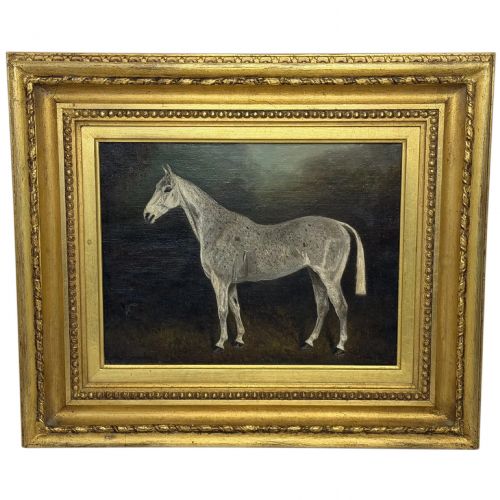
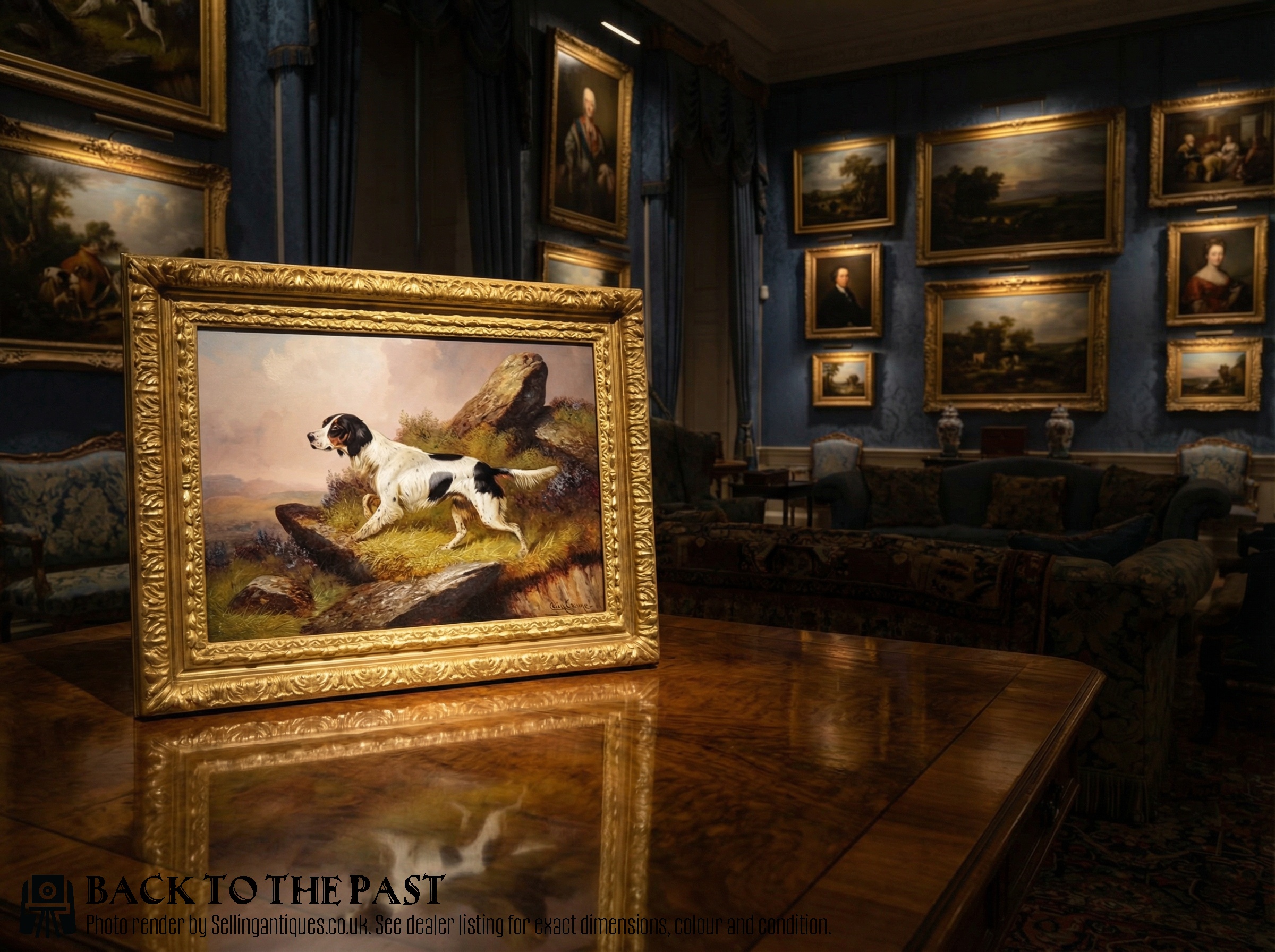
Buyers will encounter oil paintings on canvas depicting horses, stable scenes, and dogs in open landscapes. Most examples date from the Victorian era and the early twentieth century, rendered by various named artists and schools.
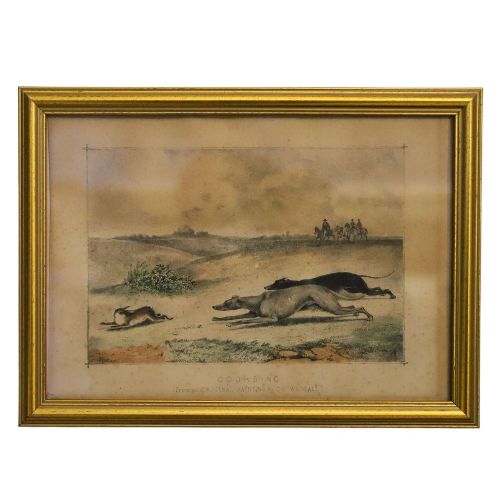
The objects serve primarily as wall art, capturing the movement of hunters, hounds, and plough teams across British countryside settings. The selection ranges from intimate animal studies to larger compositions of horses and riders.
How traditional sporting art was made
Painters applied oil paint directly onto canvas supports, often building up layers to render the musculature of horses and the texture of canine coats. These canvases are housed within traditional frames featuring wood, gesso, and gold leaf gilding.
Artists utilised techniques typical of the British school to create atmospheric landscapes that place the animals firmly within a rural setting. Gilt wood frames provide a formal boundary that enhances the depth of the oil paintings.
Retail Price Guide 2026
Typical UK retail prices for traditional sporting art, calculated from the Sellingantiques database of over a million retail prices indexed since 2003. This retail price guide relies exclusively on Sellingantiques data; no external sources or auction records are used, so the figures do not describe the wider market.
Frames incorporate wood, gesso, and gold leaf, showing the traditional methods used to present British sporting art.
What varies in quality
The strength of composition and the precise rendering of animal anatomy set superior works apart from more formulaic pieces. Master painters capture the tension in a hunting scene or the individual character of a dog with greater fluidity.
The preservation of the original oil paint surface and the integrity of the canvas influence the visual impact of the work. Framing also plays a role, with original gilt wood and gesso frames contributing significantly to the historical completeness of the piece.
Colin Graeme Roe·John Sanderson-Wells·John Nost Sartorius·George Wright
The Traditional Sporting Art Glossary
- Oil on Canvas
- A painting technique where oil paint is applied to a stretched woven fabric support. This medium allows for rich blending of colours and fine detail.
- Gilt Wood
- Wood that has been treated with a thin layer of gold leaf or metallic powder. It provides a bright, reflective border to traditional picture frames.
- Gesso
- A plaster-like mixture applied to wood frames before gilding to create a smooth base for ornamentation. It supports intricate moulded details.
- British Sporting Art
- A genre of painting dedicated to horses, hunting, shooting, and dogs, deeply rooted in British country life. These works often document specific animals and rural traditions.
Frequently Asked Questions
What subjects appear in traditional sporting art?
These paintings predominantly feature horses, hunting dogs such as setters, and rural landscapes involving riders and hounds. The focus remains on domestic animals and field sports.
Scenes range from solitary animal portraits in stables to dynamic hunting parties moving across the British countryside.
How do I date an oil painting?
Dating relies on stylistic evidence, costume details of the riders, and the framing materials used. Nineteenth-century works often display specific Victorian artistic conventions.
Signatures, artist records, and the preparation of the canvas provide further clues to the exact period of creation.
Where should I hang these paintings?
These works suit traditional reception rooms, studies, or hallways where their rich gilt frames and rural subjects can be appreciated at close range. They pair well with wood-panelled walls and classic interiors.
Direct sunlight and damp environments should be avoided to protect the oil paint and canvas over time.
What defines the British school style?
The British school style is characterised by a realistic approach to animal anatomy combined with atmospheric depictions of weather and light in the countryside. Artists sought to capture movement and fidelity to the subject.
Compositions often balance the central animal or human figures with detailed landscape backgrounds.