


Traditional Shirvan Carpet
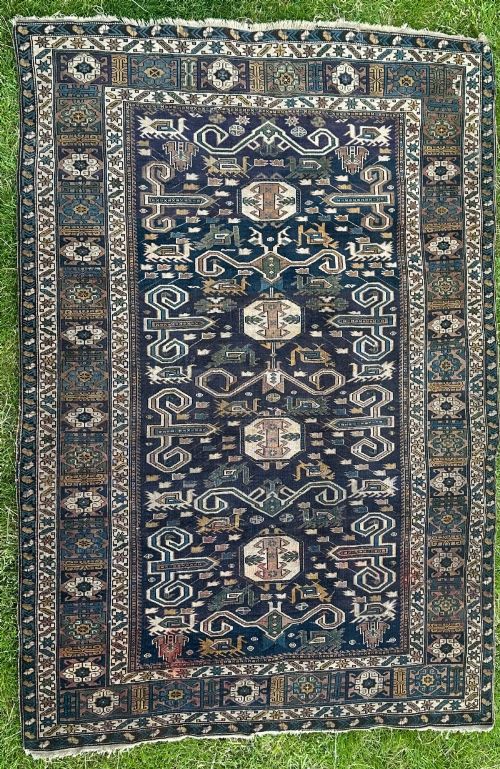
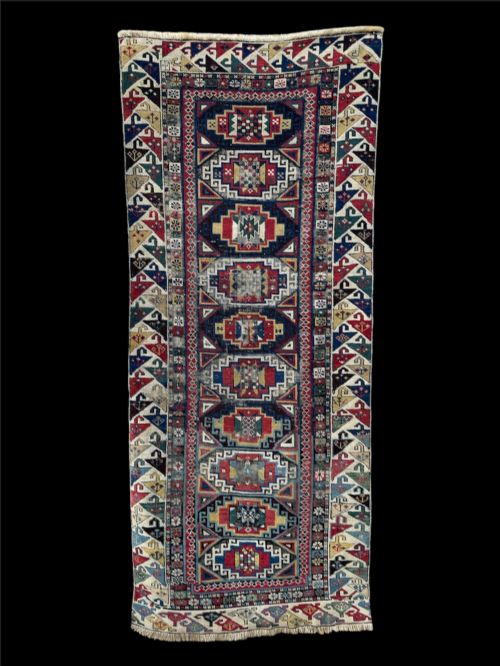
A traditional shirvan carpet brings geometric Caucasian weaving into a room, offering rich tribal patterns from the nineteenth and early twentieth centuries.
Traditional Shirvan Carpet
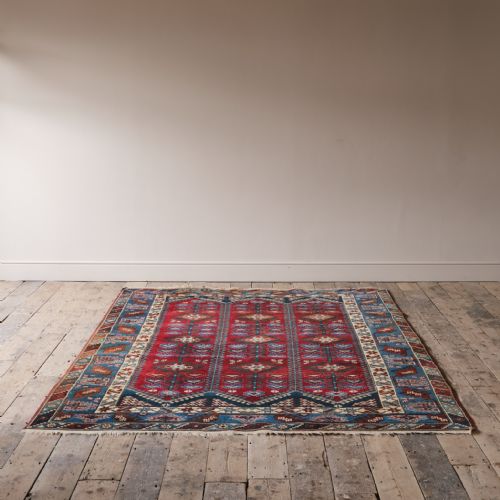
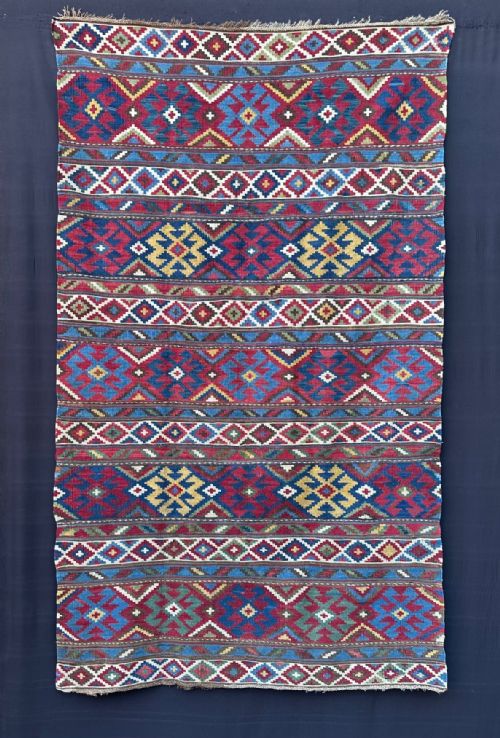
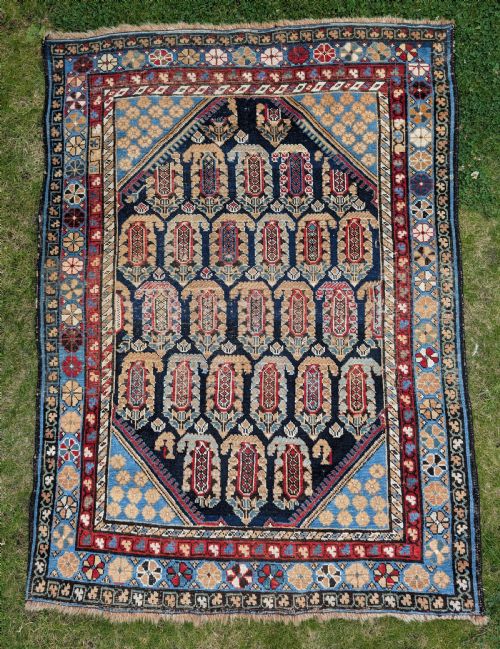
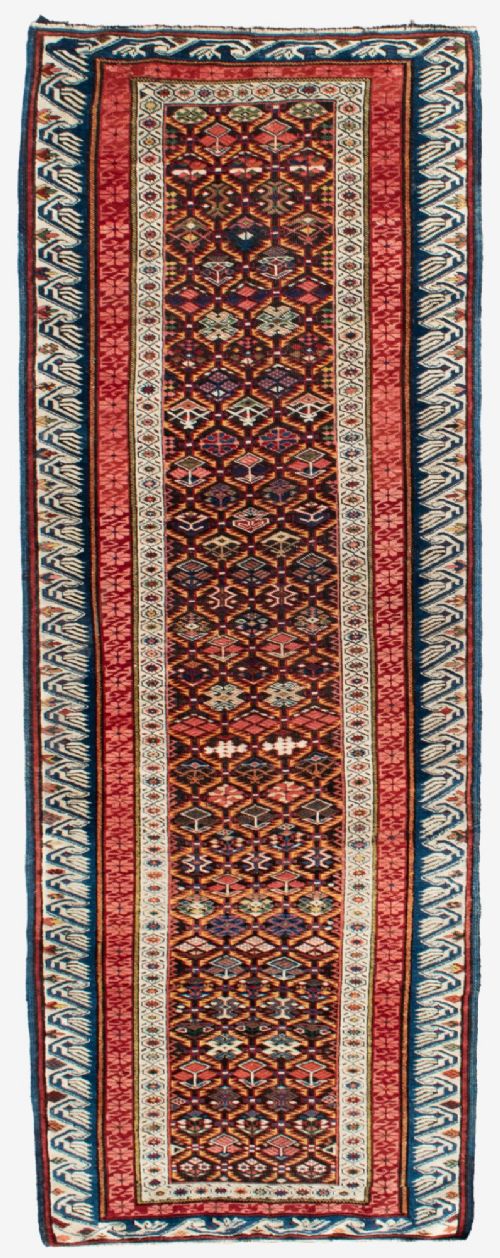
A traditional shirvan carpet represents woven works originating from the Eastern Caucasus region, spanning the nineteenth century through the early twentieth century. Buyers encounter various formats on this page, including area rugs, long runners, prayer rugs, kilims, and saddle bags.
The aesthetic falls under Caucasian, tribal, and traditional styles, often displaying specific regional identifiers such as Shirvan, Seychor, Kuba, Talish, Surakhani, and Baku. These textiles range from compact formats to narrow runners suitable for hallways and smaller spaces.
What varies in quality
The refinement of the weave separates standard examples from finer pieces, distinguishing coarse village production from tightly knotted workshops. Knot density and precision in executing complex geometric lattices or pictorial elements dictate the overall grade.
The integrity of the wool and the preservation of the original dyes alter the visual impact of each piece. Surviving examples retain balanced proportions and distinct regional motifs such as the Gymyl medallion or floral lattice without excessive intervention.
Listings span from the Victorian era and the 1870s through to the 1920s, constructed in wool, hand-spun wool, and cotton.
The Traditional Shirvan Carpet Glossary
- Kilim
- A flatwoven textile produced without a pile, often featuring banded patterns or geometric motifs.
- Prayer rug
- A small format rug featuring a mihrab or niche design, traditionally used for personal devotion.
- Runner
- A long, narrow carpet format designed specifically for hallways, corridors, or tight interior spaces.
- Pile
- The dense, vertical yarn surface of a carpet that forms the tactile layer walked upon.
- Medallion
- A central decorative motif placed symmetrically in the field of a rug.
Traditional Shirvan Carpet: Frequently Asked Questions
Where were these rugs made?
These textiles originate from the Caucasus region, specifically encompassing weaving centres associated with Shirvan, Kuba, Seychor, and Talish.
Production dates primarily from the nineteenth century into the first quarter of the twentieth century, reflecting distinct tribal traditions.
How do I style a runner rug?
Narrow runner formats suit hallways, corridors, and bedside placements where linear dimensions fit the floor space.
Their geometric Caucasian patterns add depth and historical character to transition areas without overwhelming larger furniture.
What is a kilim rug?
A kilim is a flatwoven textile made without a knotted pile, creating a lighter and thinner floor covering than traditional rugs.
These pieces often display bold banded designs and precise geometric structures native to Eastern Caucasian weavers.
How do I identify a prayer rug?
Prayer rugs feature a distinct architectural niche or arch design known as a mihrab at one end of the field.
Historically utilised for individual prayer, these smaller formats focus the eye toward the central decorative motifs.