




Oriental Wool Runner Rug
An oriental wool runner rug brings traditional pattern and dense pile to narrow hallways, drawing on decades of weaving heritage from Persia, the Caucasus, and Anatolia.
Oriental Wool Runner Rug
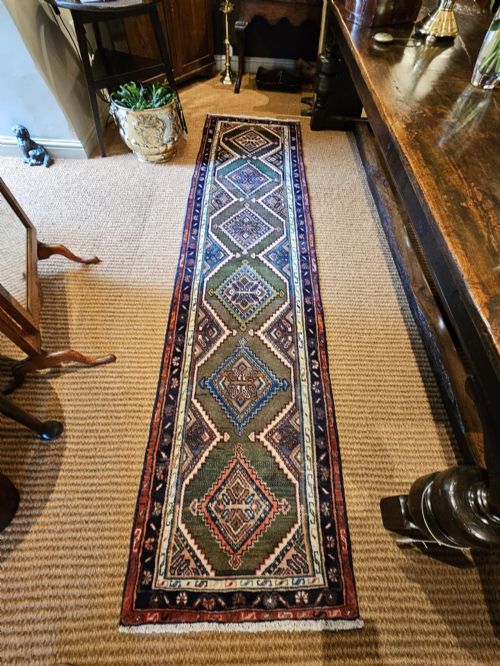
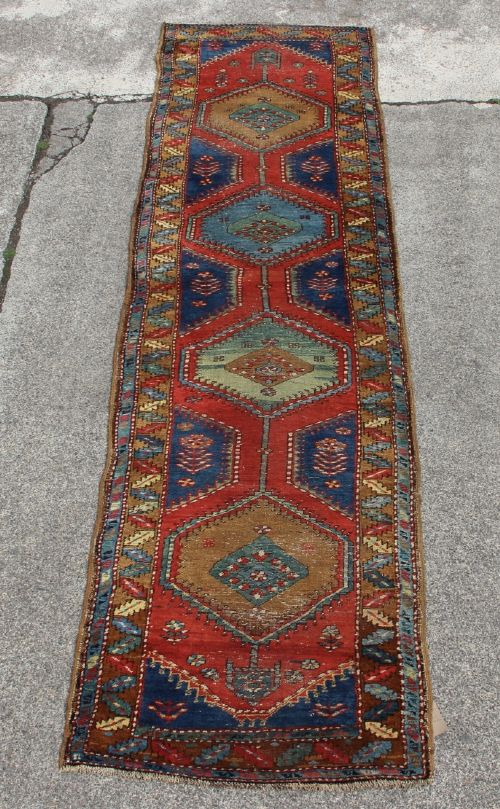
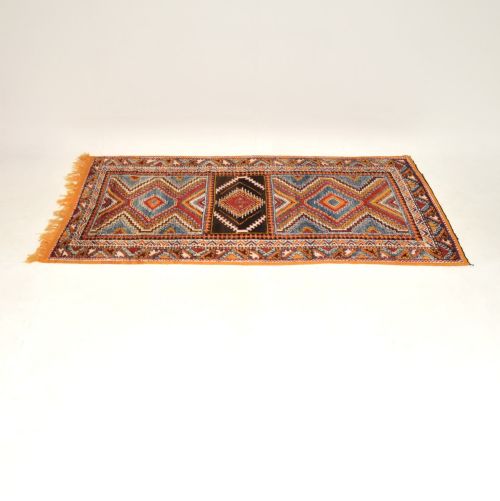
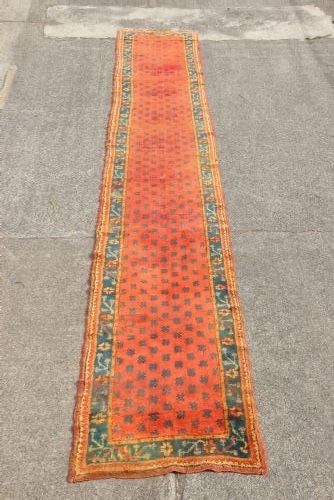
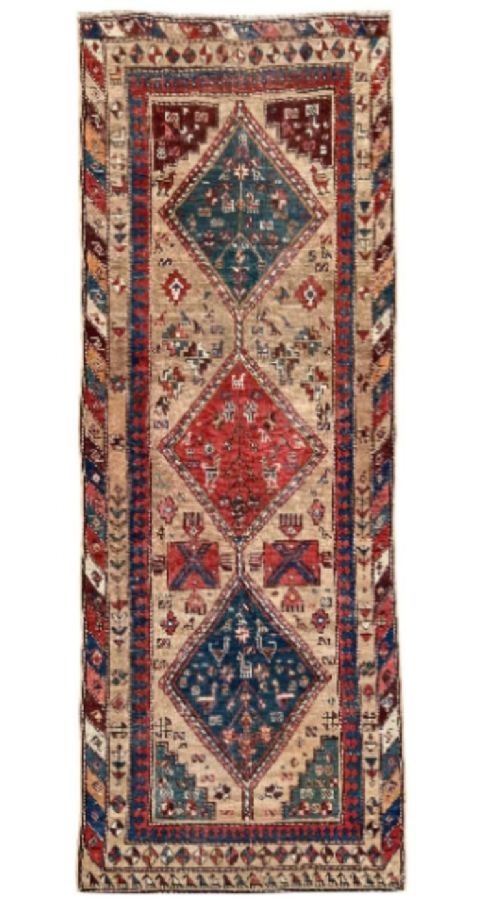
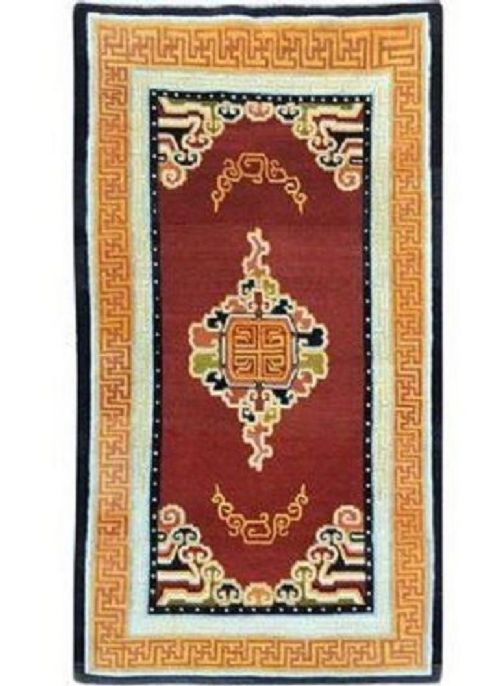
An oriental wool runner rug is a long, narrow floor covering designed specifically for corridors, hallways, and transitional spaces within a home. These pieces emerge from rich weaving traditions spanning the nineteenth and early twentieth centuries, originating from regions such as Persia, Turkey, the Caucasus, and Tibet.
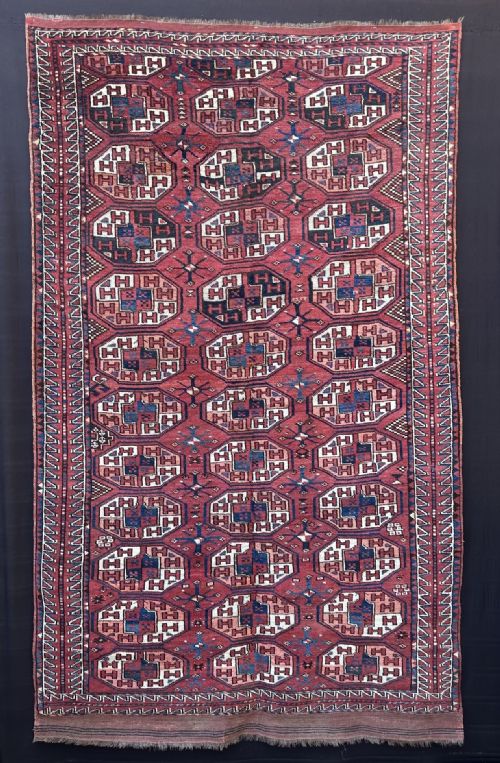
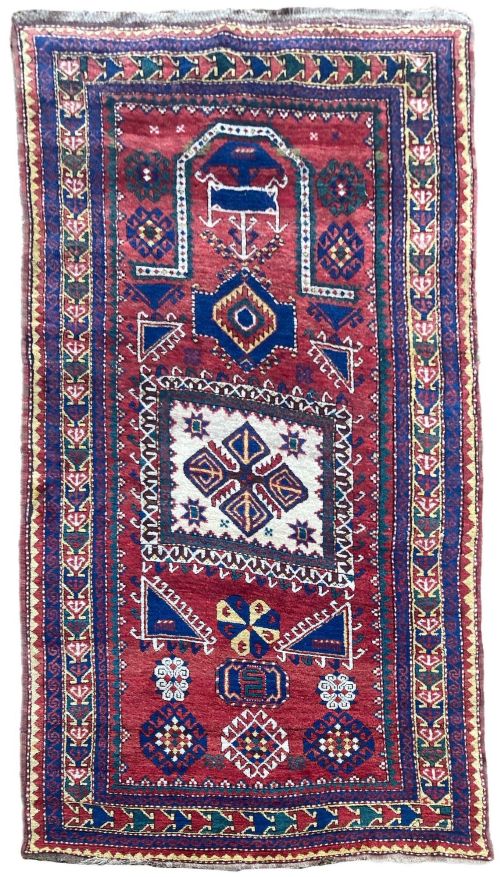
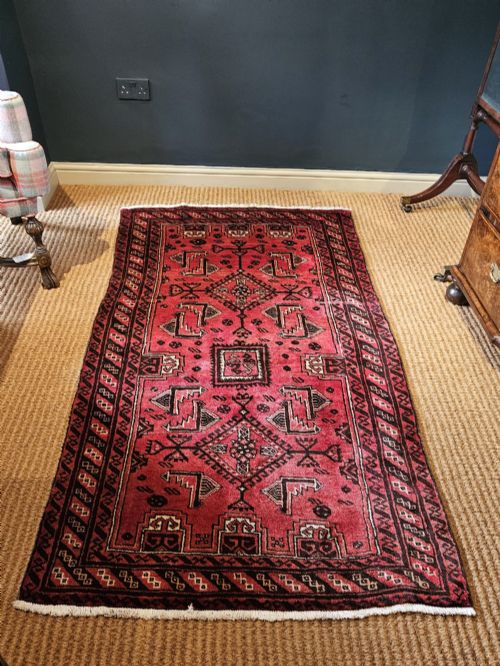
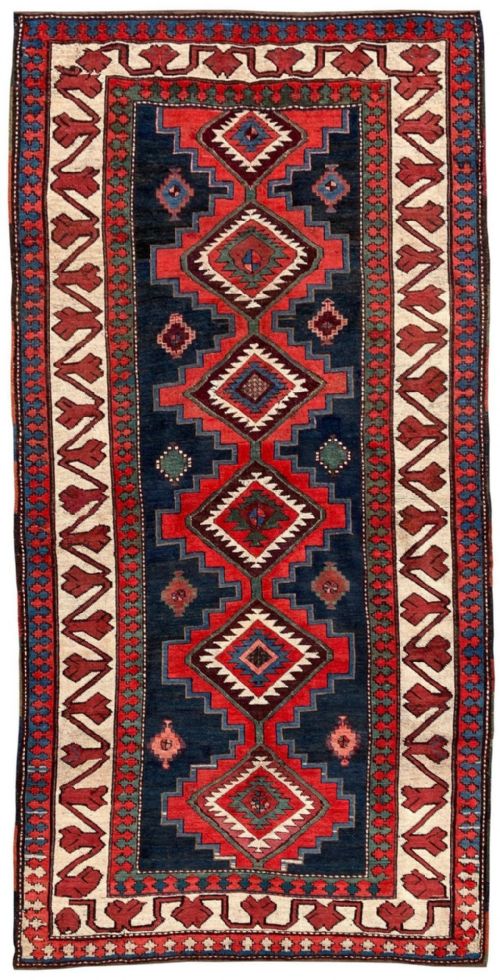
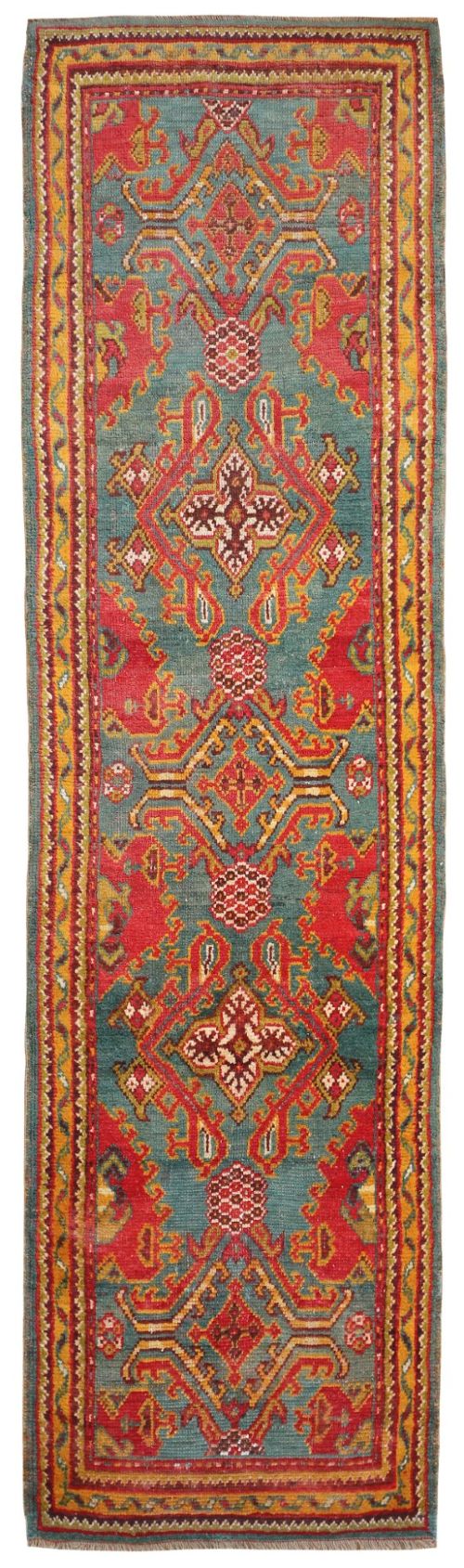
When browsing this selection, buyers frequently encounter authentic village and tribal productions including Heriz, Hamadan, Caucasian, and Oushak runners. These formats combine practical dimensions with intricate geometric or floral compositions passed down through generations of weavers.
How they were made
These carpets and runners rely primarily on natural wool, occasionally combined with cotton foundations or sparse use of camel hair for specific pile elements. Weavers knotted these animal fibres by hand onto warp and weft foundations, creating a durable surface designed to withstand heavy foot traffic.
Dyes derived from natural sources provide the deep, saturated tones seen across these carpets, yielding mellow colours that age gracefully over decades of use. The physical structure ranges from fine, tightly knotted town carpets to coarser, heavier tribal weaves.
Current listings feature runner rugs and carpets dating from the mid nineteenth century through the 1930s, utilising wool, cotton, and camel hair.
What varies in quality
Quality in these textiles rests upon the density of the knotting and the precision of the underlying geometric or floral design. Tighter foundations generally indicate greater durability and a finer resolution of the traditional motifs woven into the piece.
The integrity of the wool and the depth of the palette also distinguish finer examples, as high-grade natural fibres retain their resilience and visual richness over time. Additionally, the crispness of regional attribution, from specific Caucasian Kazak types to Heriz or Oushak formats, influences the character of each runner.
The Oriental Wool Runner Rug Glossary
- Runner
- A long, narrow carpet format traditionally utilised for hallways, corridors, and stairs. This shape helps protect timber flooring in high-traffic zones while defining narrow spaces.
- Pile
- The upright yarn loops or cut ends that form the usable surface of a rug. Pile thickness and density determine how the textile handles physical wear.
- Mihrab
- A niche design motif often found in prayer rugs, pointing toward Mecca. This architectural form is frequently rendered in geometric or stylised floral patterns.
- Gull
- A repeating medallion or octagonal tribal motif commonly seen in Turkmen and Baluch weaving traditions. These secondary patterns anchor the field design.
- Warp
- The vertical lengthwise threads stretched across a loom that form the structural skeleton of the rug. Wefts are then interwoven across these stationary threads.
Oriental Wool Runner Rug: Frequently Asked Questions
How do I choose the right length?
Measure your hallway while leaving a uniform border of exposed floorboards visible around the edges. This frames the textile properly within the architectural space.
Account for doorways and clearance requirements so that interior doors swing freely over the pile without catching on the edges.
Where should I place a runner?
These narrow formats work best in high-traffic transitional zones such as entrance halls, long corridors, and gallery landings. They soften footsteps and introduce warmth to timber floors.
Avoid placing them in areas subject to excessive moisture unless adequate ventilation and underlays are maintained to protect the natural fibres.
How do I care for wool pile?
Vacuum the surface regularly using gentle suction without a rotating brush roll to prevent snagging the hand-knotted pile. Lift the rug periodically to clean underneath.
Address spills immediately by blotting with a clean, dry cloth rather than rubbing, and consult a professional specialist for deep cleaning.
How do I identify tribal designs?
Tribal rugs usually display geometric motifs, bold medallions, and stylised animal or plant forms rather than precise, curvilinear court designs. These patterns reflect the specific heritage of regional groups like the Kazak, Baluch, or Kurdish weavers.
Colour palettes in tribal pieces often lean towards earthy reds, blues, and ivories created from traditional dye sources.