





Multicoloured Caucasian Rug
A multicoloured caucasian rug brings bold geometric energy and rich vegetable dyes straight onto the floor.
Multicoloured Caucasian Rug
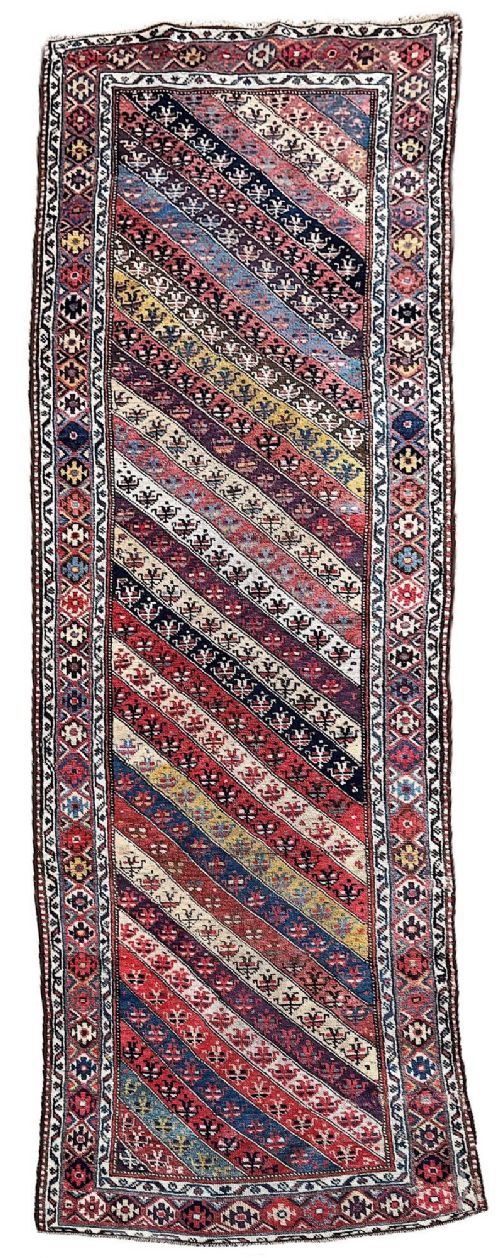
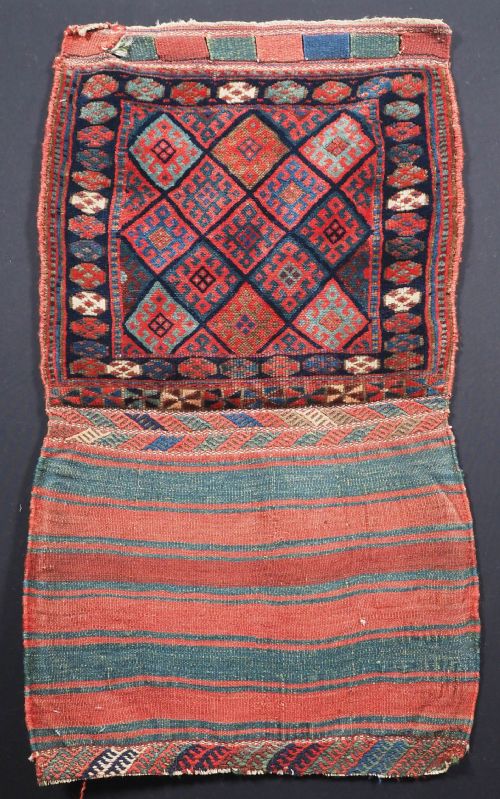
A multicoloured caucasian rug represents the vibrant weaving traditions of the Caucasus, encompassing regional formats from corridor carpets to small storage bags. These pieces emerge from late nineteenth and early twentieth century periods, reflecting tribal and nomadic artistry.
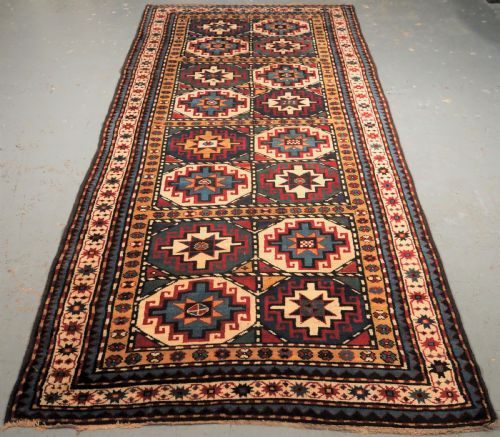
The buyer encounters various configurations on this page, including runners, long rugs, and flat weave kilim carpets. Specific regional types such as Kazak, Shirvan, Karabagh, and Talysh demonstrate the distinct visual vocabulary inherent to the region.
Materials and construction methods
These textiles rely on wool and cotton as foundational elements, with hand-spun wool frequently utilised for the pile. This natural fibre combination provides the durability required for everyday floor use while maintaining a supple handle.
Weavers employed traditional techniques ranging from pile knotting to flat weaving, as seen in complete mafrash storage bags and kilim carpets. The use of hand-spun yarn contributes to the characteristic texture and absorption of natural colour over decades of exposure.
Current listings feature pieces spanning the period from 1870 through to 1930, utilising wool and hand-spun wool on cotton foundations.
Factors of distinction
Quality rests upon the crispness of the geometric design execution and the depth of the palette. Pieces featuring clear motifs like Memling guls, cloud bands, or boteh designs demonstrate superior draughtsmanship from the weaver.
The integrity of the foundation and the condition of the edges and ends influence the overall merit of the textile. Examples retaining their original structure alongside vibrant wool pile stand apart from heavily restored or distressed alternatives.
The Multicoloured Caucasian Rug Glossary
- Kazak
- A regional designation for rugs originating from the western Caucasus, known for bold geometric medallions and primary colour palettes. These pieces often display strong rectilinear structures.
- Boteh
- A traditional almond or pear-shaped motif signifying fertility and life, frequently repeated across Caucasian runners and field designs. Artisans rendered this symbol in varied scales.
- Mafrash
- A large rectangular storage bag made by nomadic groups, often woven in flat weave or sumakh techniques to hold household goods. Complete examples retain both front and back panels.
- Shirvan
- A style associated with the eastern Caucasus, characterised by intricate geometric patterns, balanced compositions, and finely knotted wool pile. These rugs generally present a more refined aesthetic.
- Kilim
- A flat-woven carpet or rug produced without a pile, resulting in a lightweight textile with crisp pattern boundaries. They serve both decorative and utilitarian functions.
Multicoloured Caucasian Rug: Frequently Asked Questions
Where were these rugs made?
These textiles originate from the Caucasus region situated between the Black Sea and the Caspian Sea. Weavers across different valleys and tribal groups produced distinct regional styles.
Communities such as the Kurds, Shahsavan, and local villagers contributed specific patterns and colour combinations unique to their geographical locations.
How do I care for my rug?
Protect the wool pile by vacuuming gently without a rotating brush roll to prevent fibre damage. Keep the textile away from direct sunlight to preserve the natural dyed colours.
Rotate the rug periodically to ensure even wear across high-traffic areas. Professional cleaning should occur only when necessary using specialists experienced in antique tribal textiles.
What is a runner rug?
A runner is a long, narrow carpet format designed primarily for hallways, corridors, or alongside beds. These pieces guide movement through a space while displaying continuous repeating motifs.
Caucasian runners often feature stacked medallions, boteh designs, or repeating geometric guls that read clearly along a linear axis.